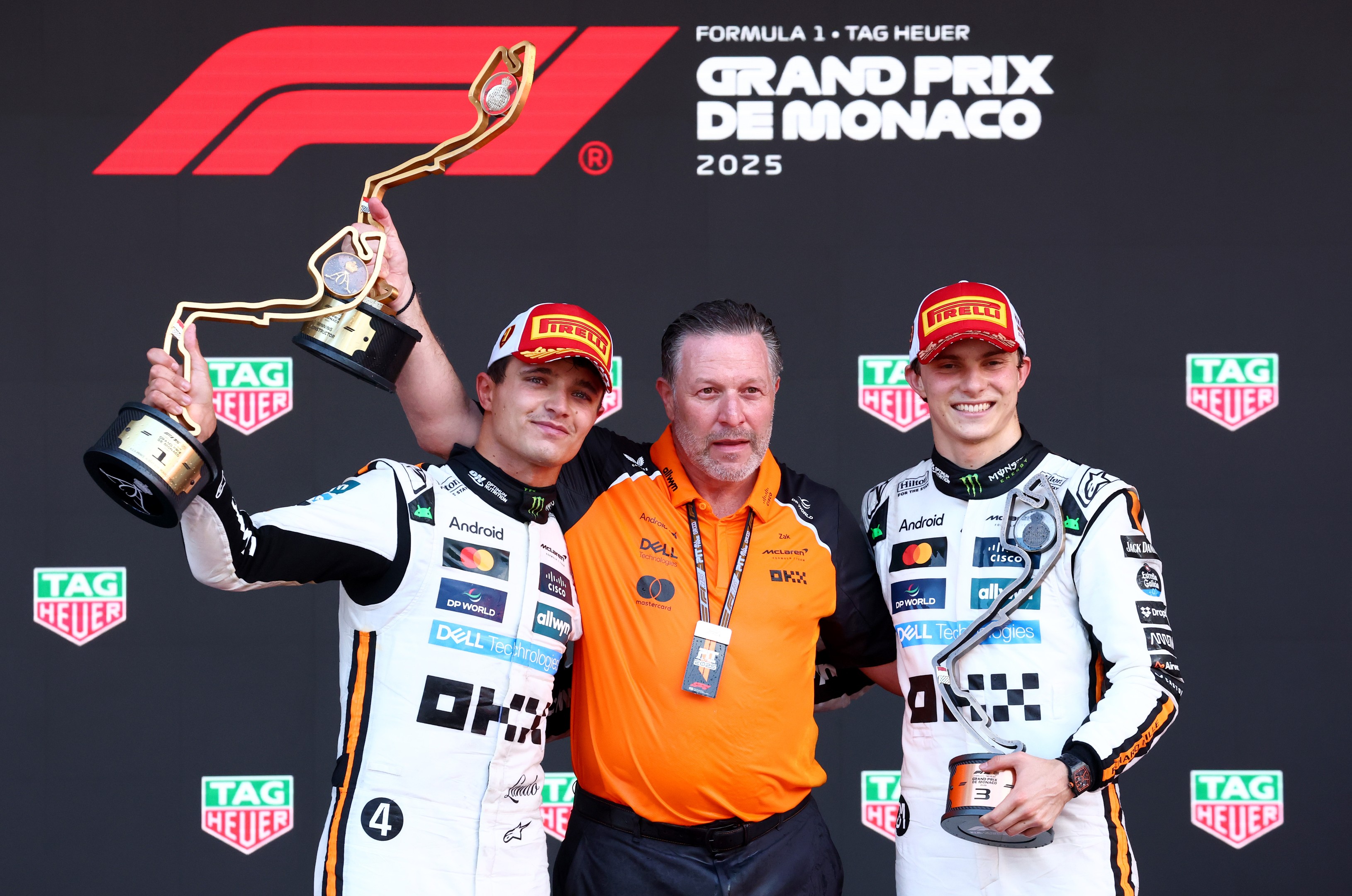
The 2025 Formula 1 season, the 76th official edition of the FIA World Championship, was defined by Lewis Hamilton’s historic debut with Scuderia Ferrari and a record-equaling 24-race calendar. Serving as the final year for the current technical regulations, the 2025 race cycle balanced intense on-track competition with massive off-track development shifts ahead of the 2026 power unit overhaul.
The Lewis Hamilton-Ferrari Landmark
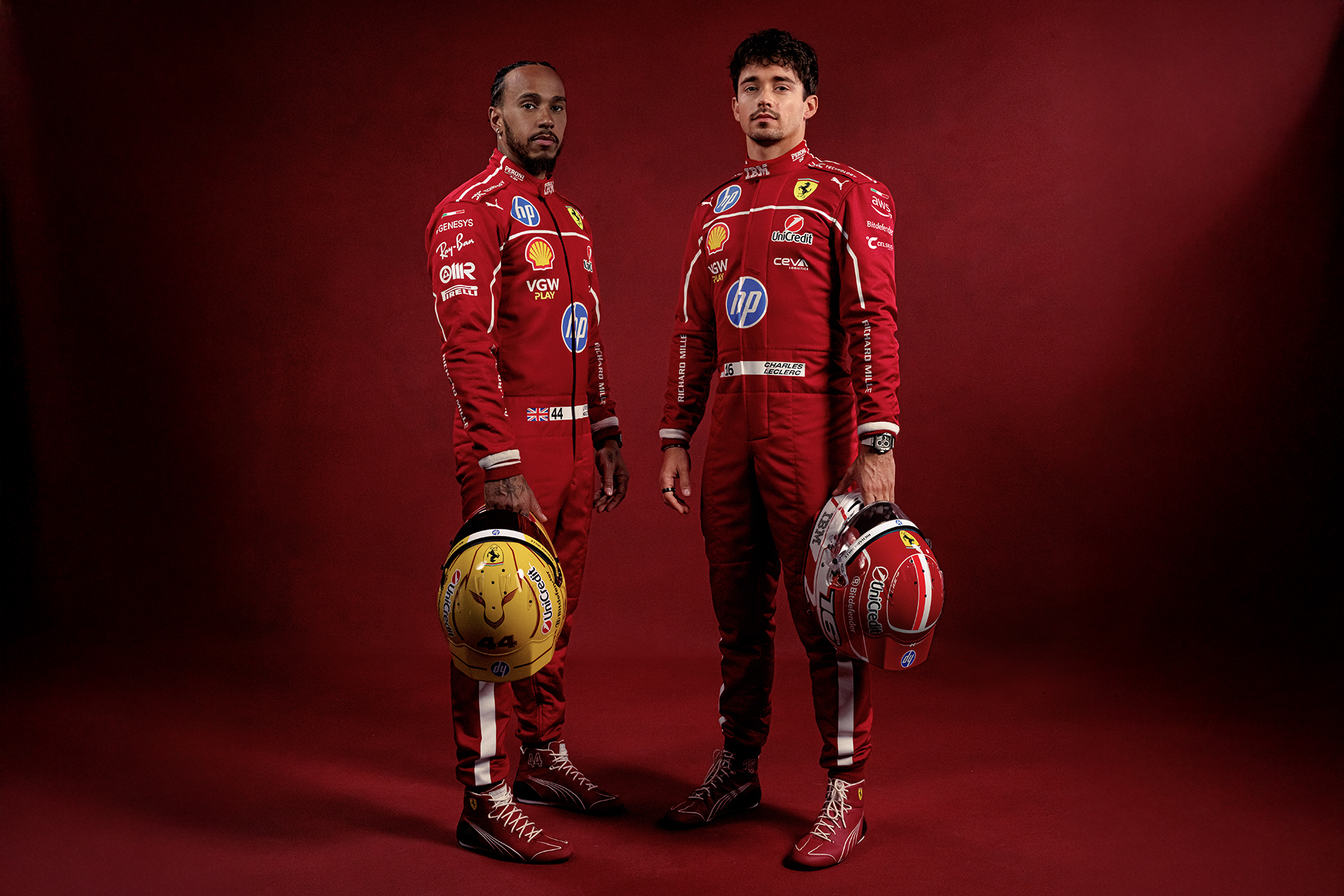
The primary narrative of the 2025 race season was undoubtedly the arrival of Lewis Hamilton at Maranello. After a storied twelve-year tenure at Mercedes-AMG, Hamilton’s transition to Ferrari represented the most significant driver transfer in the history of the sport. This move was not merely a change of overalls; it triggered a massive cultural and financial shift within Formula 1, influencing team stock prices and fan engagement metrics globally.
For Ferrari, the pairing of Hamilton with Charles Leclerc created what many pundits labeled a "Superteam." The integration of Hamilton’s technical feedback and race-management experience was aimed at ending the Scuderia's long championship drought. From a technical standpoint, the 2025 Ferrari SF-25 was designed to accommodate Hamilton’s preference for a stable rear-end entry into corners, a departure from some of the characteristics seen in the W14 and W15 Mercedes models.
The "Hamilton Effect" also extended to the commercial side of the 2025 race season. Hospitality packages for the Italian Grand Prix at Monza and the season opener in Australia saw record sell-outs within minutes of release. As we look back from 2026, the 2025 season stands as the moment the sport’s most successful driver sought his eighth world title in the iconic rosso corsa.
2025 Driver Lineup and Grid Dynamics
The 2025 grid featured a blend of established champions and a highly anticipated "youth movement." With Carlos Sainz moving to Williams Racing, a gap was created at the top of the midfield, while the entry of several rookies provided fresh storylines.
The "Silly Season" of 2024, which set the stage for 2025, was particularly volatile. Notable moves included Nico Hülkenberg joining the Sauber-run team as it prepared for its transition to Audi in 2026, and Esteban Ocon moving to Haas F1 Team to partner with rookie Oliver Bearman. This mix of experience and raw speed changed the competitive hierarchy of the midfield, where every tenth of a second proved critical for Constructors' Championship standings.
| Team | Driver 1 | Driver 2 | Power Unit |
|---|---|---|---|
| Oracle Red Bull Racing | Max Verstappen | Sergio Pérez | Honda RBPT |
| Mercedes-AMG F1 | George Russell | Kimi Antonelli | Mercedes |
| Scuderia Ferrari | Lewis Hamilton | Charles Leclerc | Ferrari |
| McLaren Formula 1 | Lando Norris | Oscar Piastri | Mercedes |
| Aston Martin Aramco | Fernando Alonso | Lance Stroll | Mercedes |
| Alpine F1 Team | Pierre Gasly | Jack Doohan | Renault |
| Williams Racing | Alex Albon | Carlos Sainz | Mercedes |
| VCARB (RB) | Yuki Tsunoda | Liam Lawson | Honda RBPT |
| Stake F1 Team (Sauber) | Nico Hülkenberg | Gabriel Bortoleto | Ferrari |
| Haas F1 Team | Esteban Ocon | Oliver Bearman | Ferrari |
The 2025 Global Race Calendar
The 2025 race calendar returned to a more traditional season-opening venue, with the Australian Grand Prix at Albert Park reclaiming its spot as the first race of the year on March 16. This shift was largely due to the timing of Ramadan, which moved the Bahrain and Saudi Arabian Grands Prix further into the spring.
The 24-race schedule was designed with improved regional grouping to reduce the logistical strain on teams and the carbon footprint of the sport. The calendar featured three triple-headers, which tested the physical and mental endurance of the pit crews and engineers.
- Opening Leg: Australia, China, and Japan formed a high-speed start in the Asia-Pacific region.
- The Middle East Shift: Bahrain and Saudi Arabia followed, leading into the first US stop in Miami.
- European Heartland: The season transitioned to Europe in May, starting with Imola and moving through iconic venues like Monaco, Silverstone, and Spa-Francorchamps.
- The American Swing: Las Vegas, Mexico City, and São Paulo provided the high-altitude and night-race spectacles late in the year.
- Grand Finale: The season concluded at the Yas Marina Circuit in Abu Dhabi on December 7.
Technical Regulations and the 2026 Horizon
The 2025 race season was unique because it functioned as a "bridge year." While the cars were refined versions of the ground-effect machines introduced in 2022, the FIA and teams had to manage a delicate balance. Under the FIA’s financial regulations, teams were restricted in how much they could spend on the 2025 car while simultaneously developing the radically different 2026 chassis and power units.
One significant sporting change for 2025 was the removal of the point for the fastest lap. After several years of strategic "pit stops at the end" to snag a solitary point, the FIA decided to streamline the scoring system to focus on pure race results. Additionally, the requirement for teams to run young drivers in Free Practice 1 (FP1) was increased from two to four sessions per car per season, providing much-needed mileage for the next generation of talent.
Technically, 2025 saw the apex of the current 1.6-liter V6 turbo-hybrid power units. With a development freeze on most engine components, the gains were found primarily in software mapping and lubricant efficiency. This led to remarkably close qualifying gaps, often with the entire top ten separated by less than half a second.
Strategic Analysis of the Constructors' Championship
In 2025, the gap between Red Bull Racing, McLaren, and Mercedes reached its narrowest point. Without a major aerodynamic overhaul, the "law of diminishing returns" hit the top teams, allowing the trailing pack to catch up using mature design philosophies.
Red Bull continued to rely on the sophisticated suspension geometry of the RB21 to maintain tire life, while McLaren utilized their advanced wind tunnel facilities in Woking to refine their low-drag aero packages. Mercedes, having finally understood the correlation issues of previous years, focused on a "predictable platform" for George Russell and the young Kimi Antonelli.
The battle for sixth through tenth in the standings was equally fierce. With the 2026 prize money being a massive motivator for the upcoming engine change, teams like Haas and Williams invested heavily in mid-season upgrades. The 2025 race for points in the bottom half of the grid was often more strategic than the front, with "undercut" pit strategies and Safety Car gambles becoming the primary tools for gaining positions.
The 75th Anniversary Celebrations
The 2025 season also served as the 75th anniversary of the Formula 1 World Championship. To commemorate this milestone, the FIA and Liberty Media organized a series of events, most notably the first-ever joint season launch event at the O2 Arena in London. For the first time, all ten teams revealed their 2025 liveries and driver lineups simultaneously, a departure from the individual launches of previous years.
Historic demonstrations were a staple of the 2025 race weekends. Fans saw legendary cars from the 1950s, 70s, and 90s take to the tracks in parade laps, often driven by current stars. This connection between the sport's heritage and its future provided a poignant backdrop to the 2025 season, especially as the sport prepared for the most significant technical pivot in its history the following year.
FAQ: Common Questions About the 2025 Race Season
Who won the 2025 Formula 1 Driver's Championship?
The 2025 championship was one of the most closely contested in history, with the title battle between Max Verstappen, Lando Norris, and Lewis Hamilton going down to the final rounds. While individual race results varied, the ultimate victor benefited from the car's reliability and consistent podium finishes during the grueling late-season triple-headers.
Why did the 2025 season start in Australia instead of Bahrain?
The shift back to Melbourne as the season opener was a logistical decision made to accommodate the religious month of Ramadan, which fell in March 2025. By moving the Bahrain and Saudi Arabian races to April, the sport avoided scheduling conflicts and ensured a smoother logistical flow for the flyaway races.
Were there any major rule changes in 2025?
While the fundamental aerodynamic rules remained stable, 2025 saw the elimination of the "fastest lap" bonus point and a doubling of the mandatory rookie practice sessions. Additionally, the FIA implemented stricter standards for "track limits" monitoring, utilizing AI-assisted technology to provide real-time feedback to stewards and teams.
How did Lewis Hamilton perform in his first year at Ferrari?
Hamilton’s 2025 campaign was characterized by a steep learning curve during the first three races, followed by a surge in performance as he adapted to the Ferrari power unit's delivery. His partnership with Charles Leclerc remained professional, though the strategic tension during the Italian Grand Prix highlighted the fierce competition between the two elite drivers.
Preparing for the 2026 Transition
As the 2025 race calendar concluded, the focus shifted immediately to the 2026 regulations. The 2025 season was the final time fans heard the specific acoustic profile of the current power units and saw the nimble, high-downforce chassis in their pure ground-effect form. For those following the sport into 2026, the next step is to monitor the post-season testing in Abu Dhabi, where several 2026 mule cars provided the first glimpses of the future of Formula 1.