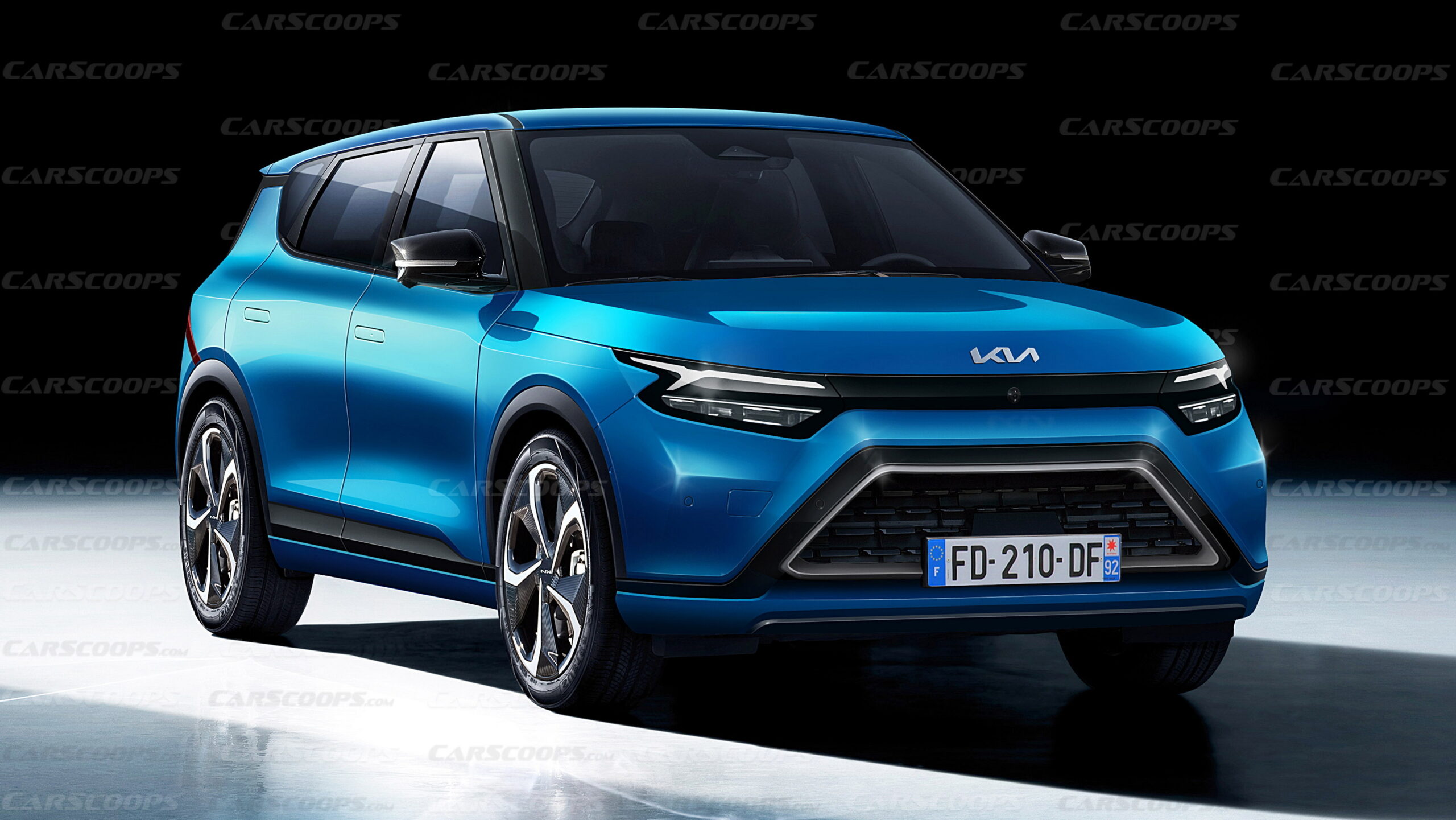
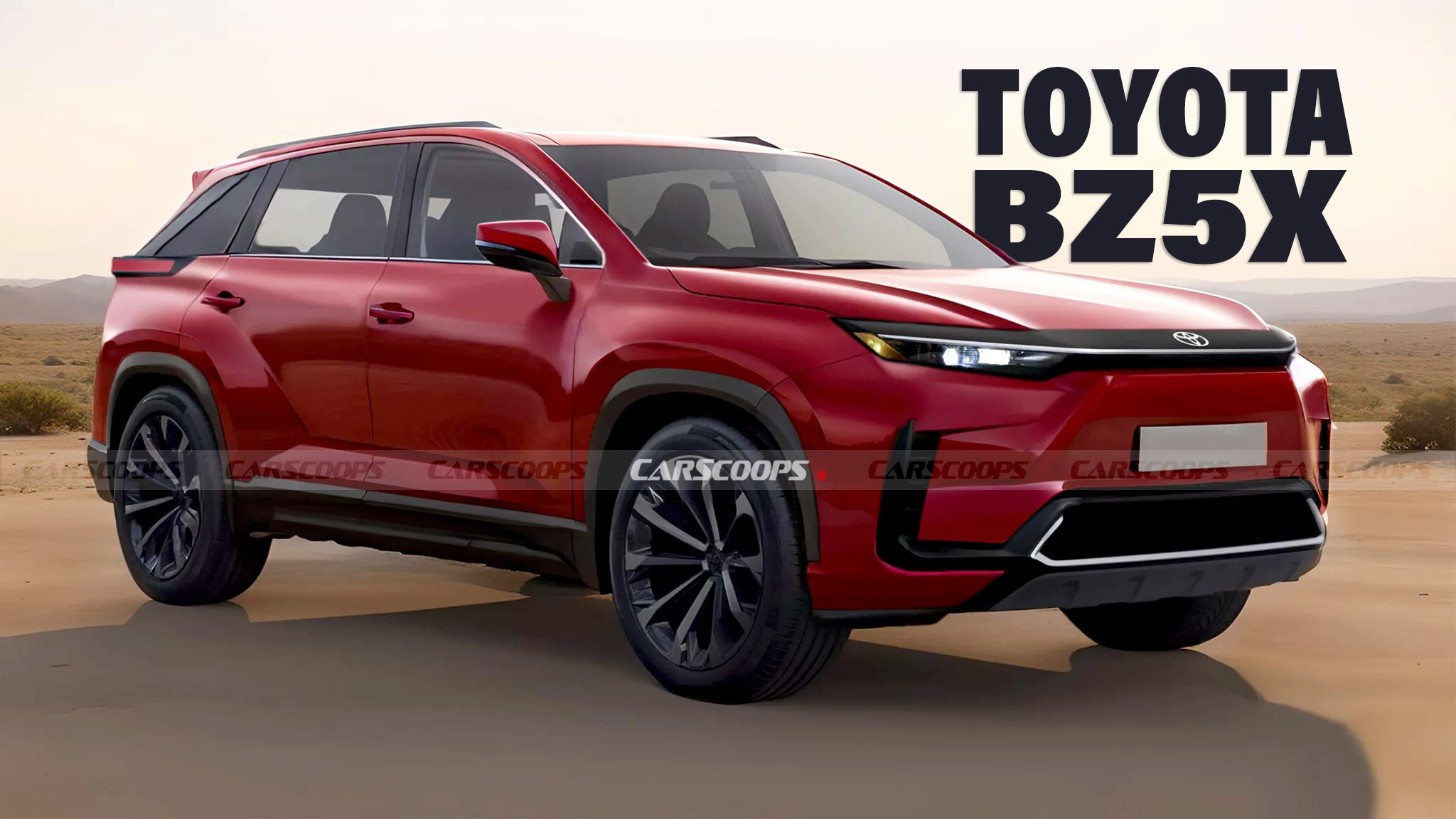
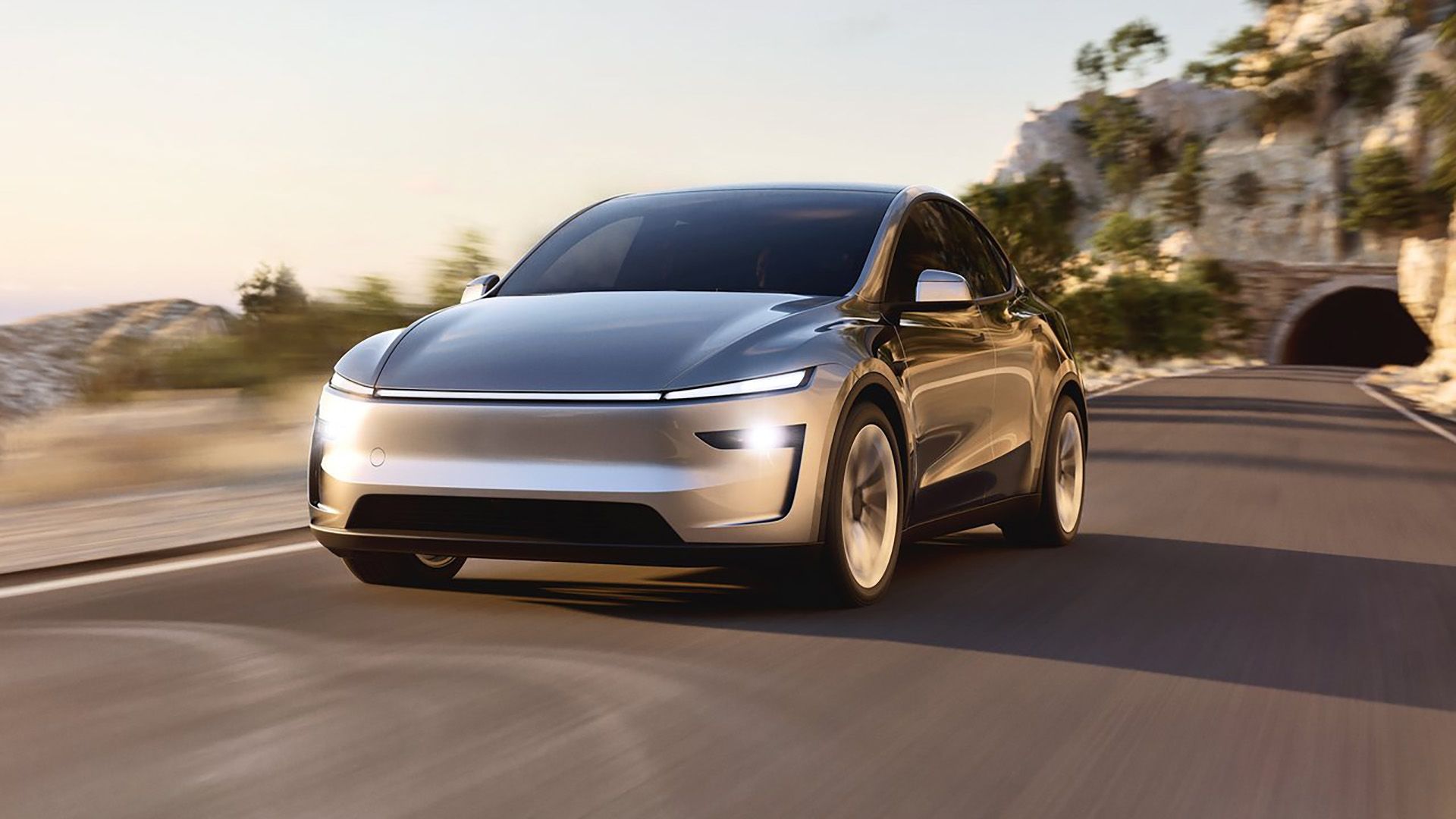
The 2025 model year represents a pivotal era in consumer manufacturing, defined by the standardization of hybrid powertrains, the broad adoption of the North American Charging Standard (NACS) for electric vehicles, and the integration of generative AI into user interfaces. In the current 2026 market, these models serve as the primary inventory for certified pre-owned programs and remaining new-stock clearances, offering a balance of modern technology and proven reliability.
The Strategic Shift in 2025 Model Year Engineering
The 2025 models arrived during a period of significant recalibration within the automotive and technology sectors. Unlike previous years that focused heavily on experimental "moonshot" features, 2025 was characterized by the refinement of existing platforms. Manufacturers prioritized efficiency and software stability over raw novelty, leading to some of the most reliable iterations of current-generation vehicle architectures.
One of the most notable shifts was the "Hybrid-First" strategy adopted by major manufacturers. For example, the 2025 Toyota Camry transitioned to an exclusively hybrid lineup, signaling a move away from pure internal combustion engines (ICE) for flagship sedans. This trend was mirrored across the industry as brands sought to meet stricter emissions standards while addressing consumer anxiety regarding pure electric infrastructure.
Technical depth in 2025 models also saw an increase in the use of Lithium Iron Phosphate (LFP) batteries in entry-level electric trims. These batteries, while less energy-dense than traditional Nickel Manganese Cobalt (NMC) cells, offer significantly higher cycle lives and lower thermal runaway risks, making the 2025 model year a landmark for long-term vehicle durability in the EV space.
Significant 2025 Model Releases by Segment
The 2025 model year was diverse, covering everything from compact commuters to heavy-duty workhorses. To understand their value in 2026, one must examine how these specific segments evolved.
Sedans and Compacts: The Hybrid Resurgence
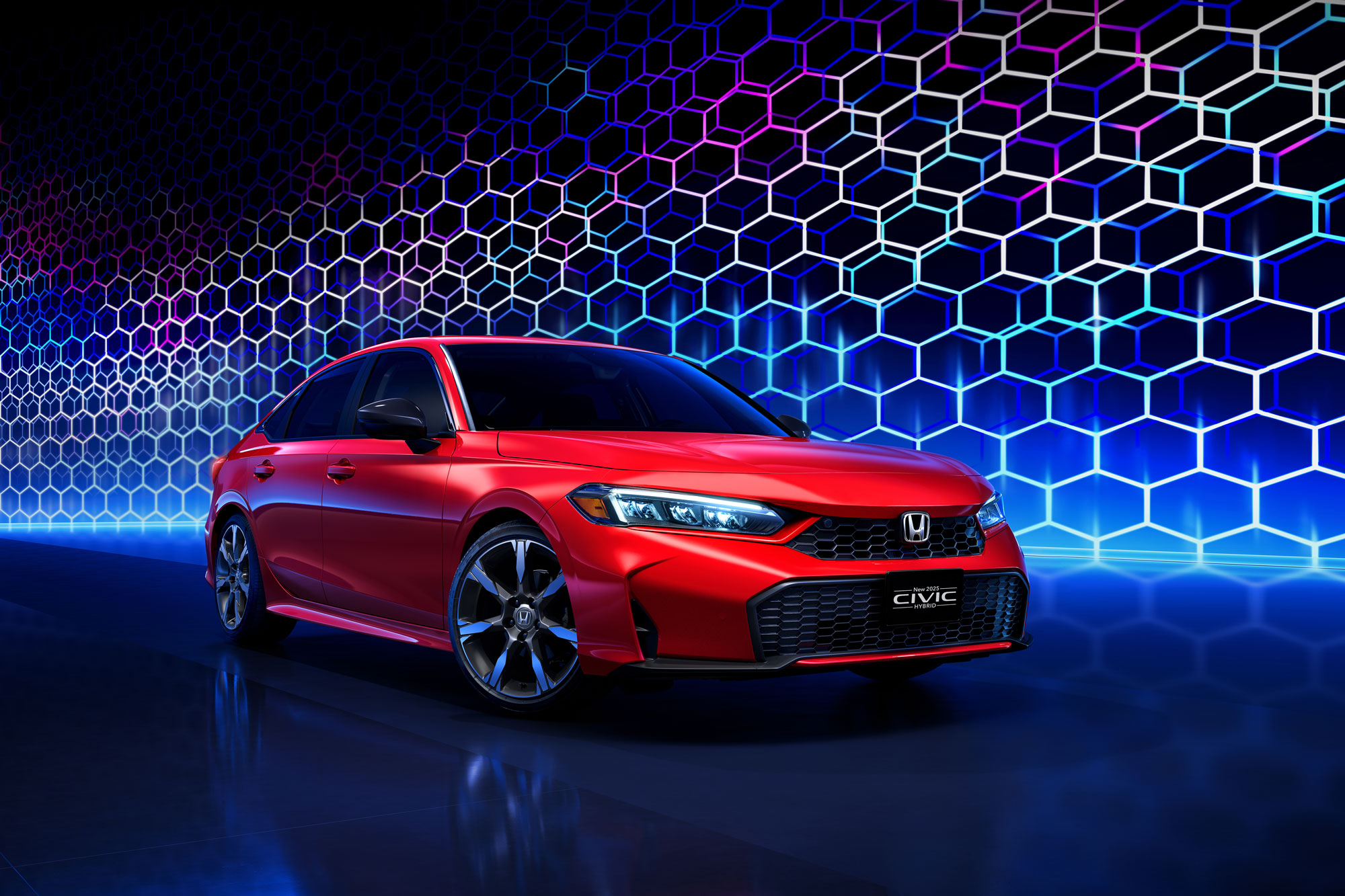
The 2025 model year revitalized the sedan market, which many analysts had previously predicted would shrink. By integrating high-efficiency electric motors with traditional engines, 2025 sedans achieved fuel economy ratings often exceeding 50 MPG. The Honda Civic Hybrid returned for 2025, filling a crucial gap for buyers seeking a balance of performance and economy without the price premium of a full EV.
SUVs and Crossovers: Software-Defined Versatility
SUVs remained the dominant body style for 2025 models. The technical focus here was on "Software-Defined Vehicle" (SDV) architecture. This allowed 2025 models to receive more comprehensive Over-the-Air (OTA) updates than their predecessors. For instance, the 2025 Ford Explorer received a major interior overhaul centered around the "Ford Digital Experience," an Android Automotive-based system that integrated Google Maps and Assistant directly into the vehicle's core logic.
Trucks and Work Vehicles: Towing with Electrons
2025 was a high-water mark for electric and range-extended trucks. The Ram 1500 Ramcharger broke new ground as a 2025 model by utilizing an on-board generator to charge its batteries, effectively eliminating range anxiety for towing—a primary concern for truck owners. This model year also saw the refinement of the Chevrolet Silverado EV, which entered high-volume production for the 2025 cycle with a clarified trim structure.
Technical Specifications and Feature Comparison
The following table outlines the key specifications for some of the most influential 2025 models currently available in the 2026 market.
| Model Category | Notable 2025 Model | Primary Powertrain | Key Technical Feature | 2026 Market Status |
|---|---|---|---|---|
| Mid-size Sedan | Toyota Camry (9th Gen) | 2.5L 4-Cyl Hybrid | Fifth-Gen Toyota Hybrid System | High Resale Value |
| Compact SUV | Chevrolet Equinox EV | Electric (Ultium) | 315+ Mile Range (FWD) | Strong Lease Support |
| Full-size Truck | Ford F-150 (Refreshed) | 3.5L PowerBoost Hybrid | Pro Power Onboard | Fleet Favorite |
| Luxury SUV | Rivian R1S (Gen 2) | Quad-Motor Electric | In-house Drive Units | Premium Used Pricing |
| Performance | Porsche 911 Carrera GTS | T-Hybrid System | Electric Turbocharger | Collector Interest |
The Integration of NACS and Charging Infrastructure
For many buyers looking at 2025 models in 2026, the charging port is a critical consideration. The 2025 model year was the "bridge year" for the North American Charging Standard (NACS). While Tesla pioneered this connector, 2025 was the year most other manufacturers (including GM, Ford, and Rivian) began shipping vehicles either with native NACS ports or with included J1772-to-NACS adapters.
This shift has significant implications for long-term ownership. A 2025 model with native NACS support is generally more "future-proof" in 2026 than older models that rely exclusively on the bulkier CCS1 connectors. This change simplified the user experience, allowing 2025 models to access the vast Tesla Supercharger network without third-party hardware, thereby increasing the utility of these vehicles for long-distance travel.
Advanced Driver Assistance Systems (ADAS) in 2025 Models
Technical depth in 2025 models is most apparent in their safety suites. Most 2025 models moved toward "Level 2+" autonomy, which includes hands-free highway driving under specific conditions.
- Sensor Fusion: 2025 models increasingly relied on a combination of high-resolution cameras, radar, and in some luxury cases, LiDAR. This "fusion" allows the vehicle to build a 360-degree digital map of its surroundings.
- Predictive Safety: Systems in 2025 models became more proactive rather than reactive. For example, automatic emergency braking (AEB) systems were updated to better detect pedestrians and cyclists in low-light conditions, meeting the updated NHTSA safety guidelines.
- Driver Monitoring: With the rise of hands-free systems like GM's Super Cruise and Ford's BlueCruise, 2025 models saw the standardized implementation of infrared driver-facing cameras to ensure the operator remains attentive, preventing the misuse of semi-autonomous features.
Pricing and Value Assessment in 2026
Entering 2026, the 2025 models occupy a unique space in the financial landscape. Because 2025 was a year of high production stability, there is a healthy supply of these units in the secondary market.
Depreciation Curves
Historically, vehicles lose 15-20% of their value in the first year. However, certain 2025 models—specifically those with hybrid powertrains—have shown remarkable value retention in 2026. The high demand for fuel efficiency has kept the resale prices of 2025 hybrids significantly higher than their pure-gasoline counterparts from the same year.
Maintenance and Warranty Status
In 2026, most 2025 models are still under their original factory bumper-to-bumper warranties (typically 3 years or 36,000 miles). This makes them an attractive alternative to 2026 models for budget-conscious buyers. Furthermore, the powertrain warranties for 2025 hybrid and electric components often extend to 8 or 10 years, providing long-term security for the complex electronic systems introduced in that model year.
Common Issues and Reliability Observations
By 2026, the "early adopter" bugs of the 2025 models have largely been documented and addressed through service bulletins or OTA updates.
- Infotainment Glitches: Some early-production 2025 models with new Android Automotive OS architectures experienced screen flickering or connectivity issues. In 2026, these are typically resolved through version 2.0 or 3.0 firmware updates.
- 12V Battery Drain: A common technical hurdle for 2025 EVs was the management of the 12V accessory battery. Software patches have since optimized how the high-voltage pack maintains the 12V system while the vehicle is parked.
- Supply Chain Quality: While the 2025 model year was more stable than 2022-2023, some owners reported minor interior trim fitment issues. Prospective buyers in 2026 should inspect the alignment of "soft-touch" materials which were sometimes rushed during high-demand production months.
How to Verify a 2025 Model's History
Before purchasing a 2025 model in 2026, it is essential to verify its maintenance history. Use a VIN-based reporting service to ensure all recall work—especially those related to high-voltage battery software or ADAS calibrations—has been completed by an authorized dealer.
Frequently Asked Questions
Are 2025 models compatible with the newest charging networks?
Yes, 2025 models were the first generation to widely adopt or provide adapters for the NACS (Tesla-style) charging standard. In 2026, this ensures that these vehicles can utilize almost any public fast-charging station across North America, including the Supercharger network, without compatibility issues.
Is it better to buy a new 2026 model or a remaining 2025 model?
Choosing a 2025 model in 2026 often provides a better value proposition. Since many 2025 models introduced major redesigns (like the Toyota Camry or Ford Explorer), the 2026 versions are often "carry-over" models with minimal changes but higher MSRPs. Purchasing a 2025 model allows you to get nearly identical technology at a discounted price or lower interest rate.
Which 2025 models have the best resale value in 2026?
Hybrid models currently hold the highest resale value. Specifically, Toyota, Honda, and Hyundai hybrids from the 2025 model year are seeing strong demand in 2026 due to their proven reliability and the rising cost of fuel. Trucks with hybrid options, such as the Ford F-150 PowerBoost, also maintain high value.
Have the software issues in 2025 models been fixed?
Most software-related issues identified during the initial 2025 launch have been resolved via Over-the-Air (OTA) updates by early 2026. This is a primary advantage of the software-defined architecture used in 2025 models; the vehicle can be improved by the manufacturer without a physical visit to a service center.
Do 2025 models include AI-powered features?
Many 2025 models were among the first to integrate Large Language Models (LLMs) into their voice recognition systems. This allows for more natural "conversational" commands, such as asking the car to "find a coffee shop that is open late and has high ratings," rather than using specific, rigid voice prompts required by older systems.
Strategic Buying Advice for 2025 Models
When evaluating 2025 models in the current 2026 environment, prioritize "late-build" units. Vehicles manufactured in the second half of 2025 often include minor hardware refinements that early-production units lack. For those looking at electric 2025 models, prioritize those with heat pumps, which became more common in 2025; this feature is essential for maintaining battery range in colder climates and significantly impacts the vehicle's year-round utility. Finally, ensure that any 2025 model you consider has a documented history of OTA updates, as these digital footprints are as vital as oil changes were in previous decades.