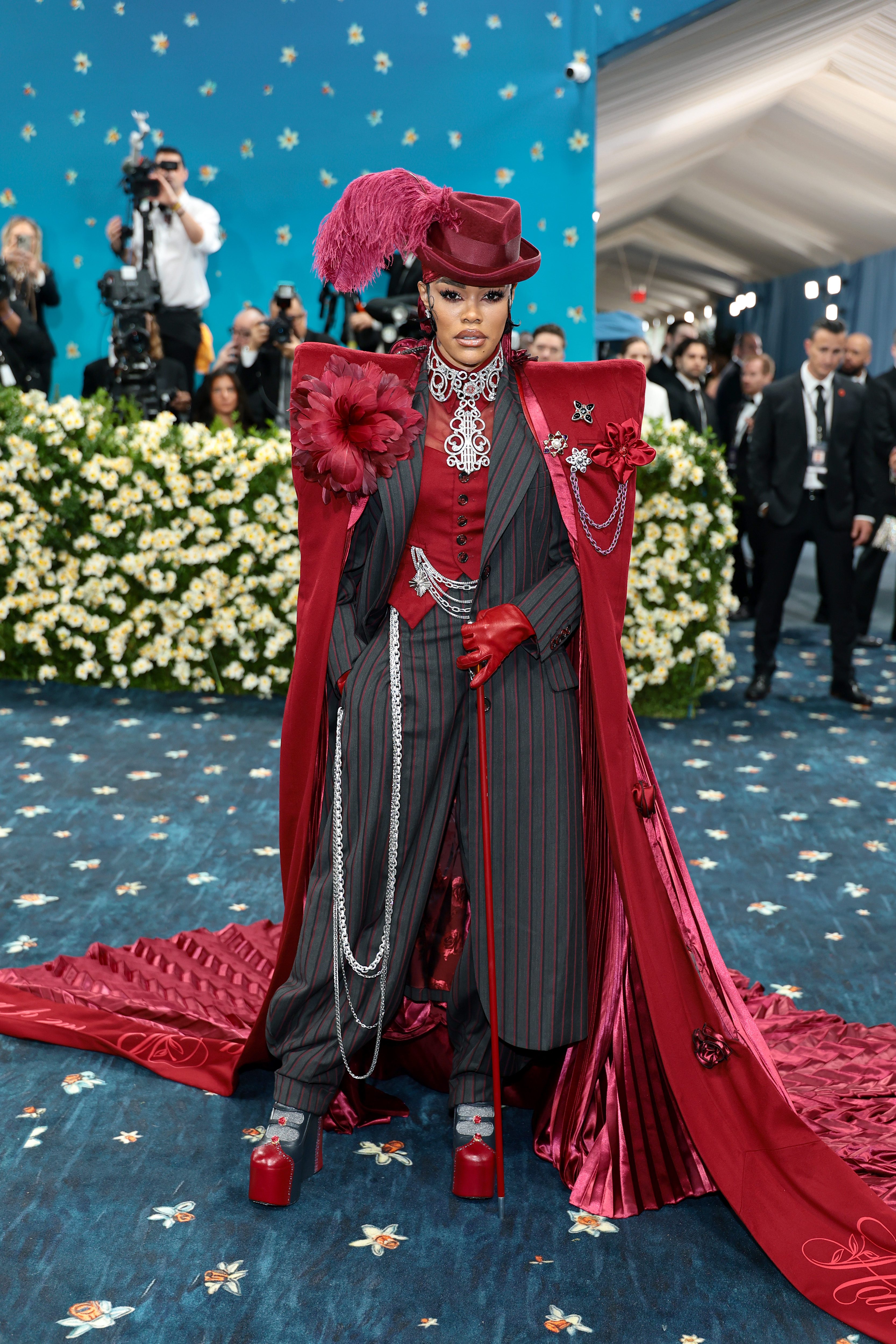
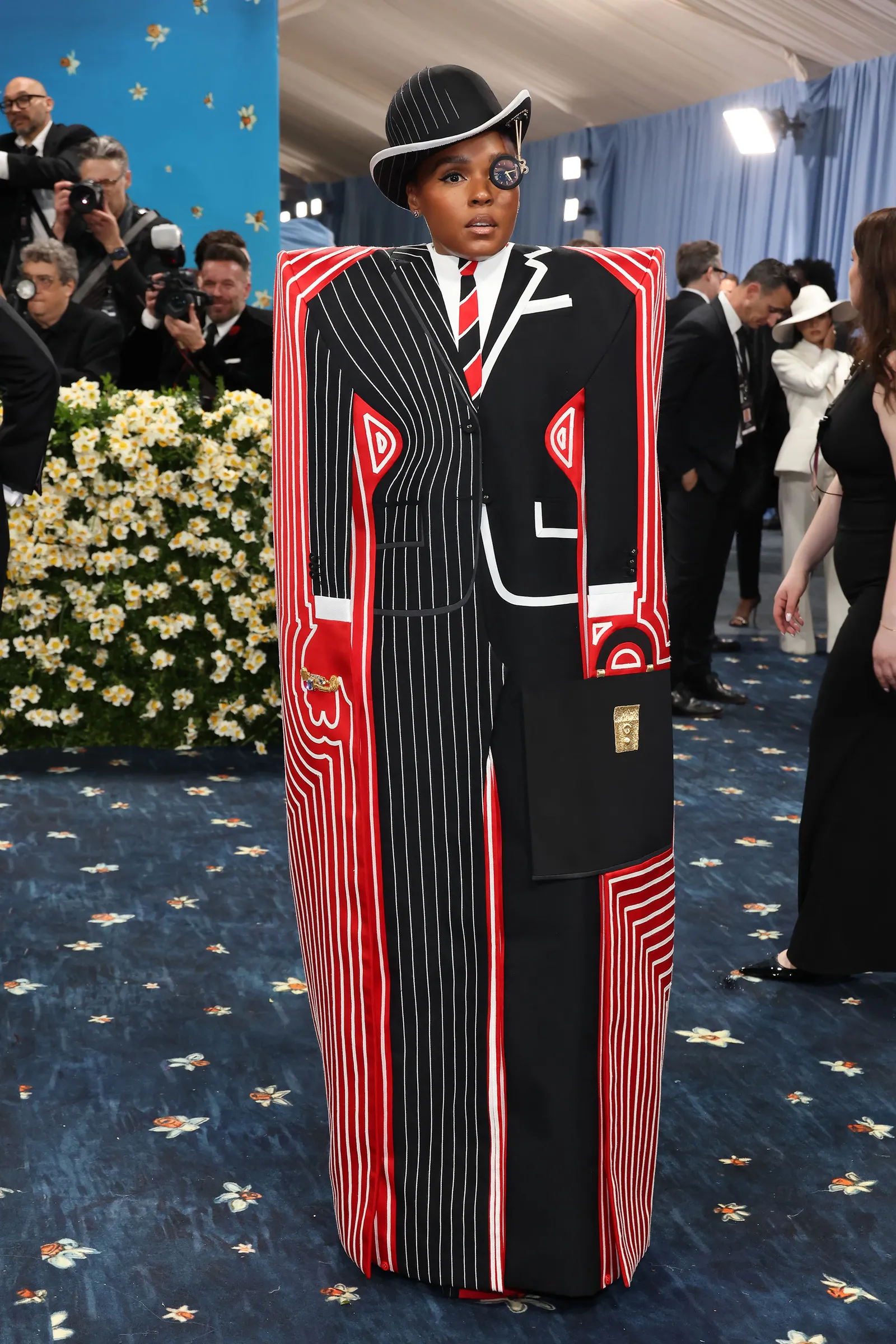
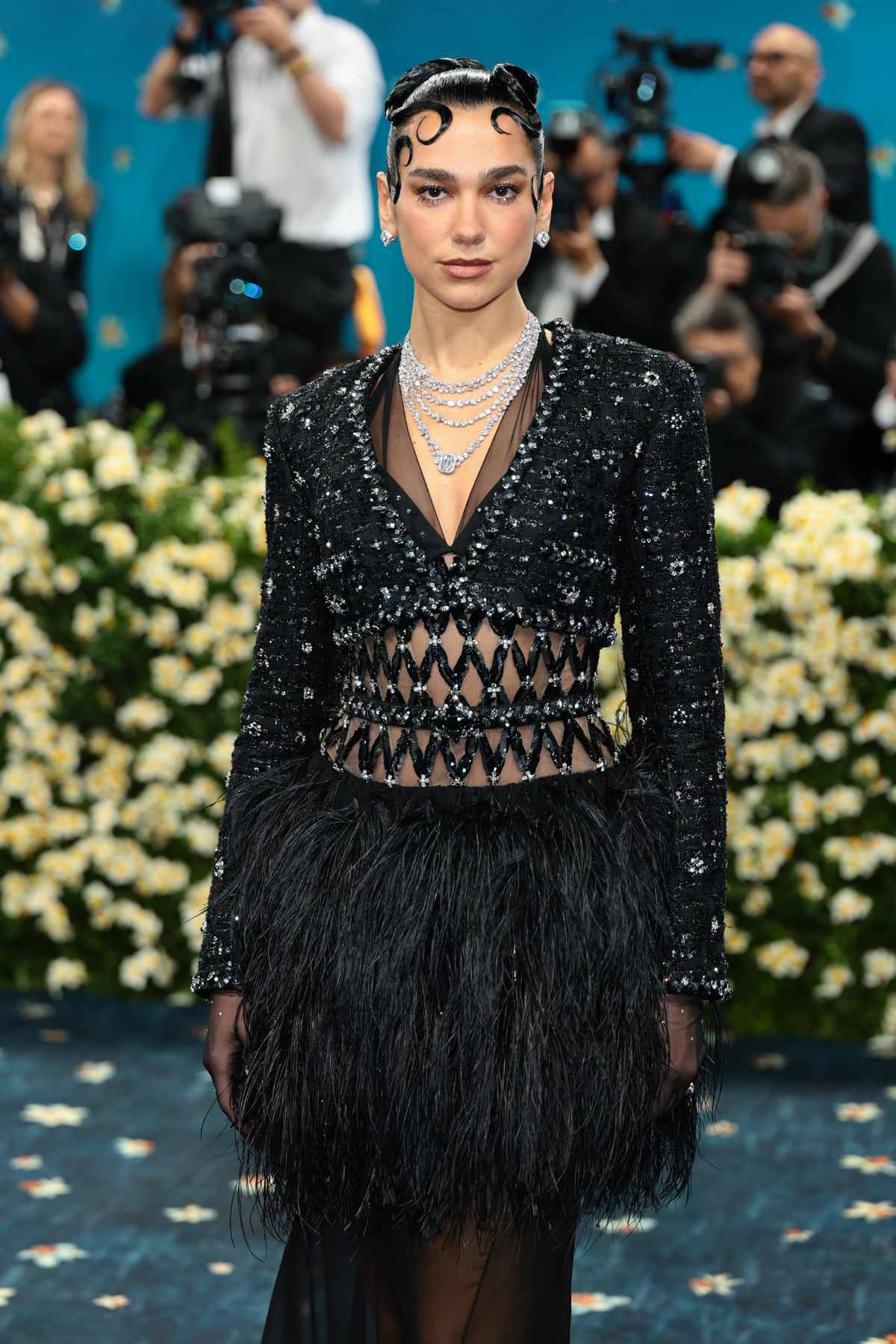
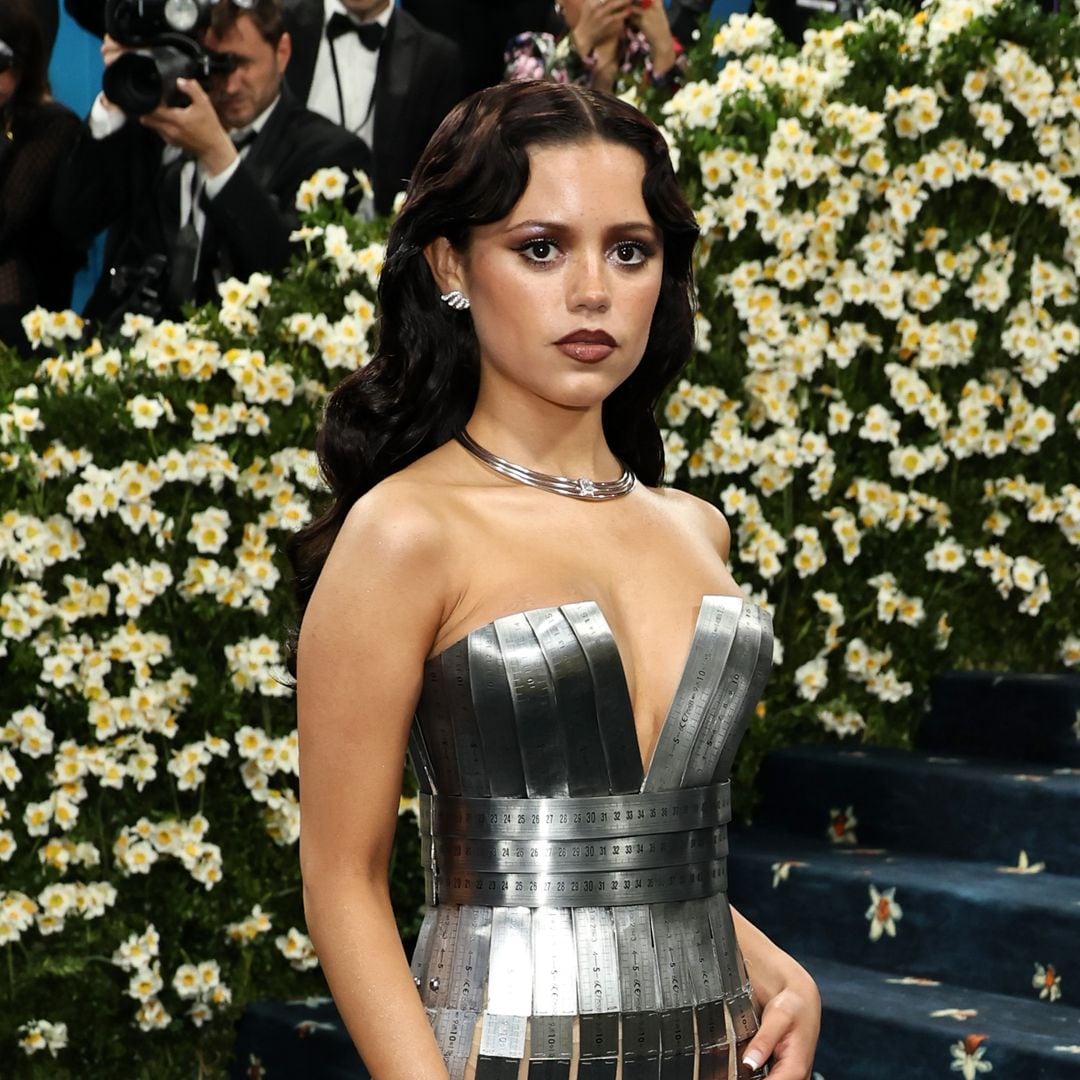
The 2025 Met Gala, officially known as the Costume Institute Benefit, was a landmark cultural event that centered on the theme "Superfine: Tailoring Black Style." Held on May 5, 2025, the gala celebrated the opening of an exhibition inspired by Monica L. Miller’s scholarly work on Black dandyism, marking a significant moment of representation and historical interrogation within the fashion industry’s most prestigious night.
The Conceptual Foundation: Superfine and Black Dandyism
The 2025 theme, "Superfine: Tailoring Black Style," represented a departure from previous years by focusing heavily on a specific sociopolitical and historical identity. The exhibition was inspired by Monica L. Miller’s 2009 book, Slaves to Fashion: Black Dandyism and the Styling of Black Diasporic Identity. Unlike themes that focus on a single designer’s archive or a broad aesthetic concept like "Camp," the 2025 gala was rooted in the "Black dandy"—a figure who uses clothing and style as a tool for self-definition, resistance, and social mobility.
The curation, led by Andrew Bolton, the Wendy Yu Curator in Charge of the Costume Institute, explored the evolution of Black dandyism from the 18th century to the present day. The exhibition examined how Black men have utilized fashion to challenge racial stereotypes and assert their humanity in the face of systemic oppression. By focusing on the "dandy," the Met Gala invited attendees to explore the intersection of tailoring, masculinity, and the Black diaspora. This was the first exhibition since 2003’s "Men in Skirts" to focus exclusively on menswear, reflecting a broader industry shift toward gender-fluid and historically conscious masculine aesthetics.
To understand the depth of the 2025 theme, one must look at the twelve characteristics of Black dandyism presented in the exhibition. These themes included concepts like "The Birth of the Dandy," "The Cosmopolitan Dandy," and "The Decadent Dandy." Each section showcased how garments—from the high-collared coats of the 1800s to the avant-garde suits of the 21st century—served as a visual language for Black excellence and survival.
Leadership and the Historic Co-Chair Cohort
The leadership of the 2025 Met Gala was as significant as the theme itself. For the first time in the event’s history, the co-chairs consisted of an all-Black male group of cultural icons, joined by Anna Wintour. The 2025 co-chairs were:
- Colman Domingo: The Oscar-nominated actor known for his impeccable red-carpet presence and advocacy for nuanced storytelling.
- Lewis Hamilton: The seven-time Formula 1 World Champion and a vocal proponent of diversity within both the sporting and fashion worlds.
- A$AP Rocky: The Grammy-nominated artist and fashion polymath whose personal style has long bridged the gap between streetwear and high couture.
- Pharrell Williams: The creative director of Louis Vuitton Men’s and a long-time collaborator with the Costume Institute.
- LeBron James (Honorary Chair): The NBA legend whose influence extends into global business and philanthropy, serving as the honorary chair for the evening.
This selection was intentional, mirroring the exhibition’s focus on the multifaceted nature of Black masculinity. These men were not just celebrities; they were individuals who had actively reshaped the "dandy" archetype for the modern era. Their presence ensured that the gala remained tethered to its core message of empowerment and sartorial excellence.
Red Carpet Analysis: Interpreting the Dress Code
The dress code for the evening was simply "Black Dandy." This instruction allowed for a wide range of interpretations, from strict historical reenactment to futuristic reinterpretations of tailoring. As we look back from 2026, several key trends from the 2025 red carpet have clearly influenced the current menswear landscape.
The Return of Formalism
After several years of casual and "anti-fashion" trends, the 2025 gala saw a resurgence of rigorous tailoring. Many attendees opted for three-piece suits, morning coats, and capes. However, these were not traditional European silhouettes. Instead, designers utilized African textiles, intricate beadwork, and bold color palettes that paid homage to the dandy’s flamboyant roots.
Narrative Tailoring
Designers worked closely with celebrities to tell specific stories through their garments. Many outfits featured embroidery or prints that referenced the Middle Passage, the Harlem Renaissance, or contemporary African cities. This "narrative tailoring" turned the red carpet into a living history book, where every lapel and button carried symbolic weight.
Subverting the Suit
While the theme was grounded in tailoring, many guests chose to subvert the traditional suit. This included the use of lace, silk, and unconventional proportions. The "dandy" was never just about conforming to high-society standards; it was about mastering those standards and then twisting them to fit a new identity. This was evident in the numerous gender-neutral interpretations of dandyism that blurred the lines between traditional masculine and feminine formalwear.
The Exhibition Structure and Cultural Impact
The "Superfine: Tailoring Black Style" exhibition, which opened to the public on May 10, 2025, was housed in the Iris and B. Gerald Cantor Exhibition Hall. It featured over 100 ensembles, ranging from historical garments to pieces from contemporary designers like Grace Wales Bonner, Virgil Abloh, and Olivier Rousteing.
The exhibition was organized around the idea of "The Dandy’s Progress." Visitors moved through galleries that illustrated the dandy’s transition from a figure of caricature in 18th-century European prints to a self-authorized symbol of modernism. A crucial component of the exhibition was its use of archival photography and film, which provided context for how Black individuals used style to navigate the public sphere.
The impact of the 2025 Met Gala extended far beyond the walls of the Metropolitan Museum of Art. It sparked a global conversation about the politics of dress and the historical erasure of Black contributions to fashion. By centering an entire gala and exhibition on Black tailoring, the Costume Institute acknowledged that "style" is never just aesthetic—it is a deeply political act of self-preservation and protest.
Comparison of Recent Met Gala Themes
To provide context for the 2025 event, the following table compares it with other significant years in the Costume Institute’s recent history.
| Year | Theme | Key Focus | Notable Co-Chairs |
|---|---|---|---|
| 2025 | Superfine: Tailoring Black Style | Black Dandyism and Tailoring | Colman Domingo, Lewis Hamilton, A$AP Rocky, Pharrell Williams |
| 2024 | Sleeping Beauties: Reawakening Fashion | Conservation and Sensory Experience | Zendaya, Jennifer Lopez, Bad Bunny, Chris Hemsworth |
| 2023 | Karl Lagerfeld: A Line of Beauty | The Work of Karl Lagerfeld | Dua Lipa, Roger Federer, Penélope Cruz, Michaela Coel |
| 2022 | In America: An Anthology of Fashion | Gilded Age and American History | Blake Lively, Ryan Reynolds, Regina King, Lin-Manuel Miranda |
| 2019 | Camp: Notes on Fashion | Irony, Humor, and Artifice | Lady Gaga, Harry Styles, Serena Williams |
The Role of Anna Wintour and Vogue in 2025
Anna Wintour’s role in the 2025 Met Gala remained central to its success. As the event’s chief architect since 1995, Wintour has transformed a local charity benefit into the "Oscars of Fashion." In 2025, her collaboration with Monica L. Miller and the all-Black co-chair committee was seen as a vital step in the Costume Institute’s ongoing efforts toward inclusivity.
Vogue’s coverage of the event reached record-breaking engagement numbers in 2025. The livestream, hosted by a diverse group of fashion journalists and influencers, provided real-time analysis of the historical references found on the red carpet. This educational approach helped a broader audience understand that the 2025 theme was not merely about "looking good," but about the profound relationship between clothing and identity.
Logistics, Attendance, and Exclusivity
The 2025 Met Gala maintained its reputation as the most exclusive event in the world. Attendance is by invitation only, with the final guest list personally approved by Anna Wintour. In 2025, ticket prices were reported to be approximately $75,000 per person, with tables starting at $350,000. These funds are the primary source of annual funding for the Costume Institute, which is the only department at the Met that must fund its own operations.
The guest list in 2025 was a curated mix of Hollywood A-listers, tech moguls, sports icons, and emerging designers. Notably, there was an increased presence of international guests from across the African continent and the Caribbean, reflecting the global scope of the "Superfine" theme.
FAQs About the 2025 Met Gala
What was the dress code for the 2025 Met Gala?
The dress code for the 2025 Met Gala was "Black Dandy." This encouraged guests to explore the history of Black dandyism through rigorous tailoring, bold patterns, and accessories like top hats, canes, and intricate footwear that signified elegance and social status.
Why was the 2025 theme "Superfine" significant?
The theme was significant because it was the first Met Gala to focus specifically on the history of Black style and its relationship to tailoring. It moved beyond the usual "celebrity-focused" themes to provide a scholarly and historical look at how fashion has been used as a tool for identity and resistance.
Who was the primary inspiration for the 2025 theme?
The primary inspiration was Monica L. Miller, a professor of English and Africana Studies at Barnard College. Her book, Slaves to Fashion: Black Dandyism and the Styling of Black Diasporic Identity, served as the foundational text for the exhibition.
How much money did the 2025 Met Gala raise?
While exact figures are often kept private until the annual report, the 2025 Met Gala was estimated to have raised over $22 million for the Costume Institute, surpassing previous records due to increased ticket prices and high corporate sponsorship.
Can the general public visit the "Superfine" exhibition?
The exhibition ran from May 10, 2025, through October 26, 2025. Now that we are in 2026, the physical exhibition at the Metropolitan Museum of Art has concluded. However, the museum typically offers digital archives and a detailed exhibition catalog for those who wish to study the collection retrospectively.
Moving Forward: The Legacy of 2025
As we reflect on the 2025 Met Gala from our current vantage point in 2026, its legacy is clear. The event successfully shifted the conversation from "who are you wearing" to "what does your clothing represent." It set a high bar for future themes by proving that a gala can be both a glamorous spectacle and a rigorous academic exploration.
For those interested in the ongoing impact of these themes, it is recommended to explore the official Metropolitan Museum of Art Costume Institute archives. Additionally, looking into the works of Monica L. Miller provides essential context for the social theories that underpinned the entire year. The 2025 Met Gala was not just a night of fashion; it was a definitive statement on the power of the Black dandy in the global imagination.