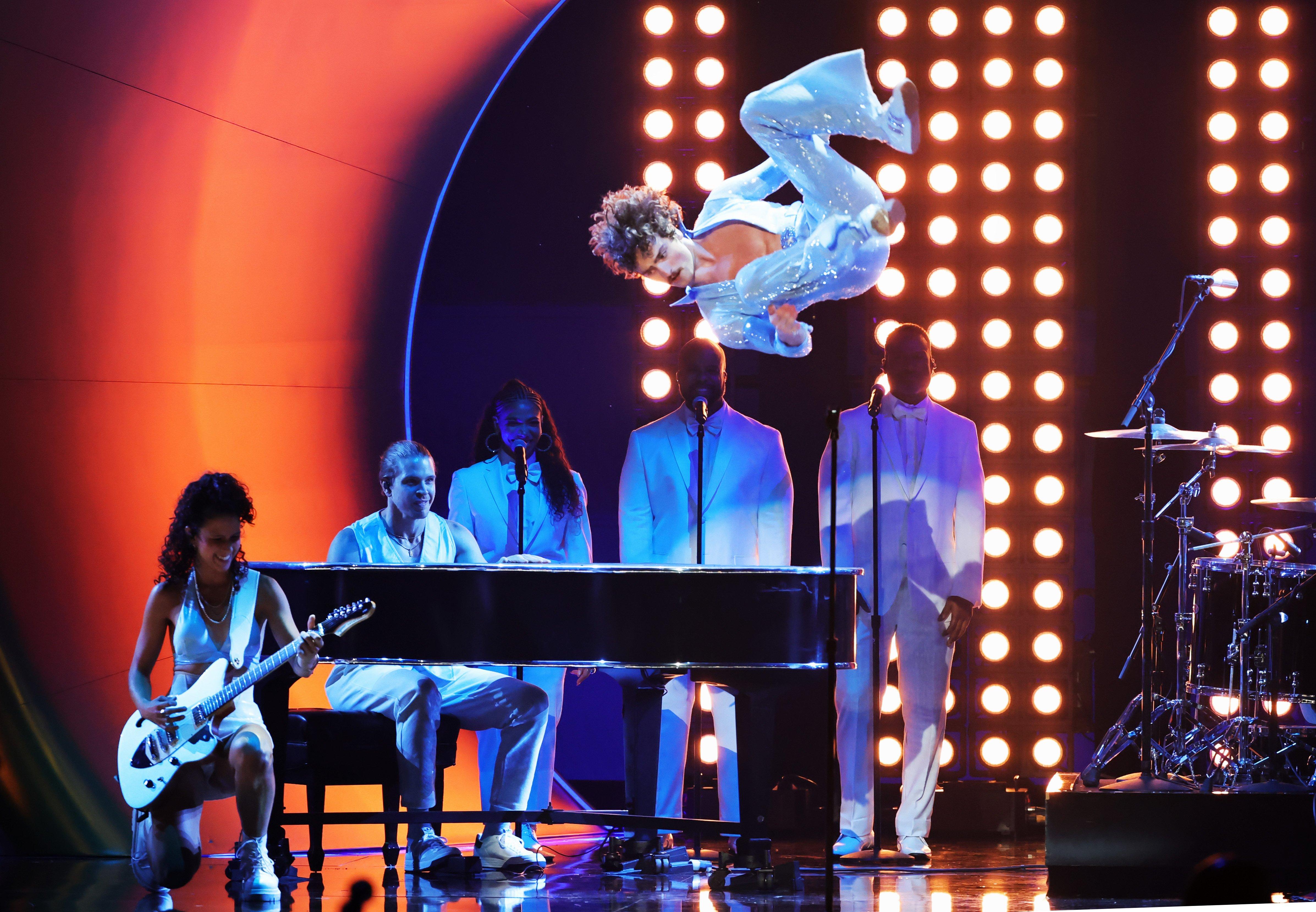
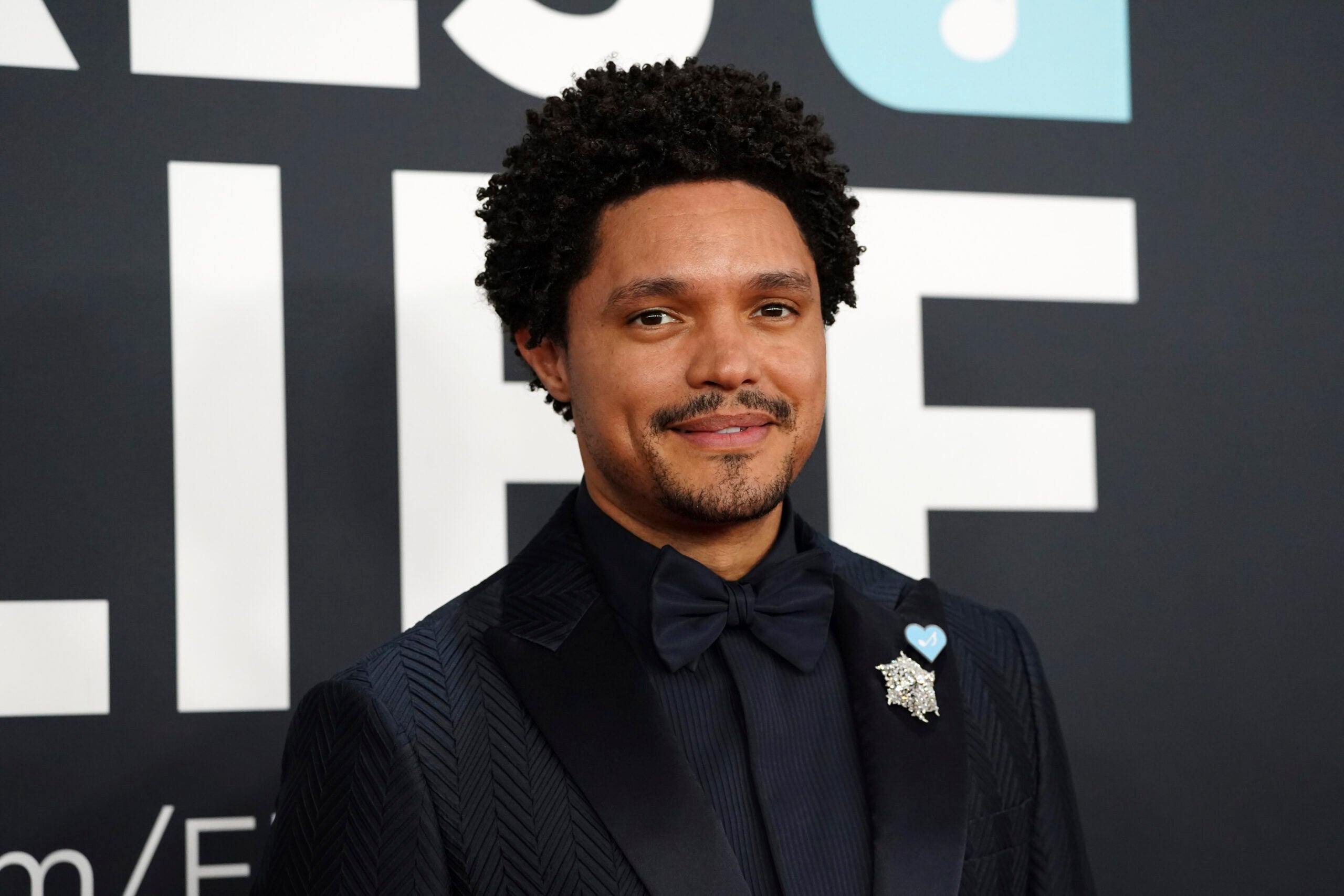
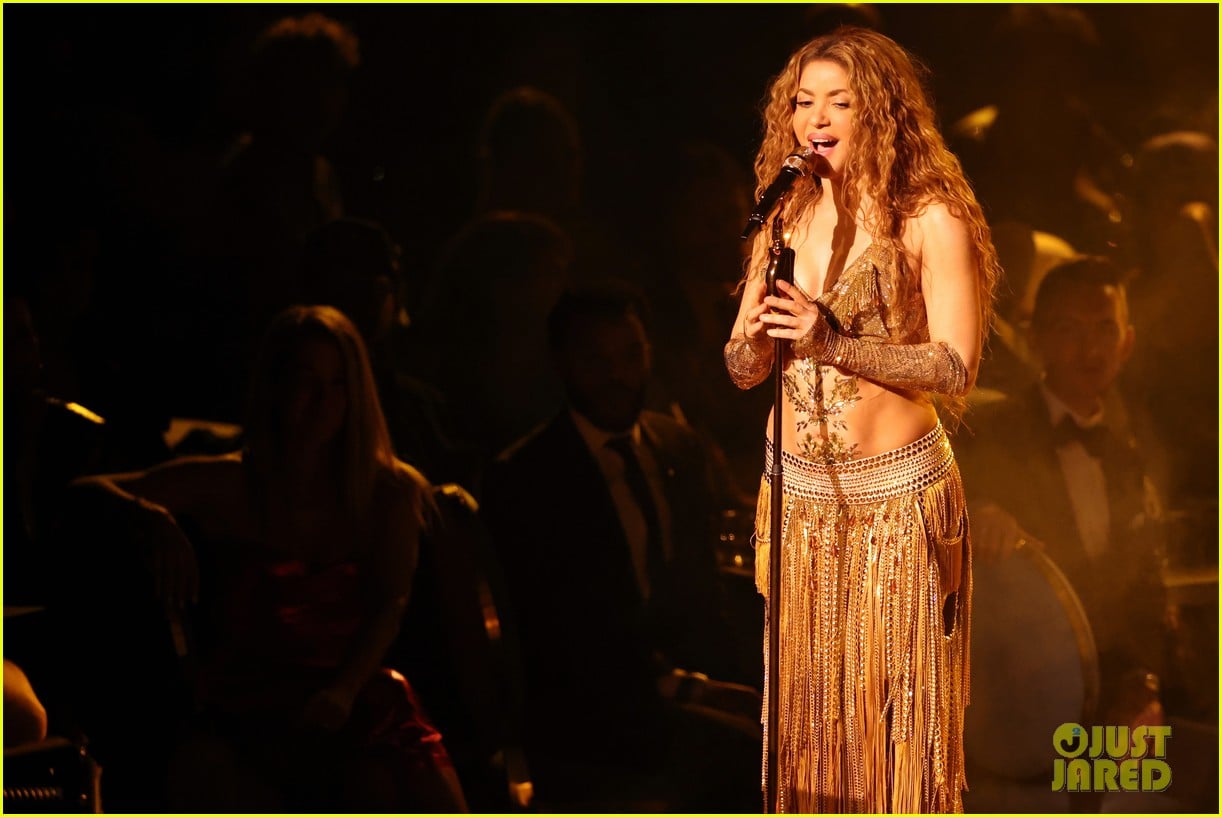
The 2025 Grammy Awards, held on February 2 at the Crypto.com Arena in Los Angeles, delivered a masterclass in musical diversity, featuring a historic 5th Album of the Year win for Taylor Swift and breakout performances by Sabrina Carpenter and Chappell Roan. The night was defined by a massive shift toward country-pop crossovers and high-concept theatrical staging.
The Cultural Zenith of the 67th Annual Grammy Awards
Looking back from 2026, the 67th Annual Grammy Awards are widely regarded as the "Year of the New Vanguard." While established icons continued to break records, the ceremony served as the definitive arrival of a new generation of superstars who prioritized high-concept visual storytelling and genre-bending sounds. Hosted for the fifth consecutive year by Trevor Noah, the event managed to balance the prestige of the "Big Four" categories with a series of live performances that dominated social discourse for the remainder of the year.
The 2025 ceremony was particularly notable for how it integrated technology and traditional showmanship. We saw a move away from the minimalist stages of the early 2020s toward elaborate, Broadway-inspired sets. This shift was a direct response to the massive success of stadium tours like the Eras Tour and the Renaissance World Tour, proving that the Academy’s audience now expects a cinematic experience from every three-minute live slot.
Furthermore, the 2025 Grammys acted as a bridge between the traditional industry and the viral-led music economy. The Recording Academy’s decision to highlight artists who gained traction through organic digital movements, rather than traditional radio play alone, signaled a modernization of their voting criteria. This transition has had a lasting impact on how labels prepare their artists for the 2026 awards season and beyond.
Top Performance Highlights of the Night
The performances of the 2025 Grammys were characterized by their immense scale and emotional resonance. Unlike previous years where one or two acts stood out, the 67th ceremony featured a consistent string of high-quality sets that catered to a wide range of demographics.
Sabrina Carpenter’s Pop Perfection
Sabrina Carpenter’s medley of "Espresso" and "Please Please Please" was arguably the most anticipated set of the night. Emerging from a giant, retro-themed coffee cup, Carpenter delivered a performance that felt like a Technicolor dream from the 1960s. The choreography was precise, and the vocal delivery—especially during the transition between the upbeat tempo of "Espresso" and the synth-heavy balladry of "Please Please Please"—showcased her growth as a live vocalist. This performance solidified her status as the new "Princess of Pop," a title she has carried confidently into 2026.
Chappell Roan’s Theatrical Debut
Making her Grammy debut, Chappell Roan turned the Crypto.com Arena into a surrealist version of the "Pink Pony Club." Her performance was a sprawling, drag-inspired spectacle that featured a dozen dancers and a rotating stage. Roan’s ability to maintain vocal stability while executing high-energy choreography was a highlight for critics. The performance was not just a showcase of a hit song; it was a statement of identity and a tribute to the queer spaces that fostered her career.
Beyoncé’s Country Revelation
Following the massive success of Cowboy Carter, Beyoncé delivered a performance that blended traditional Texas rodeo aesthetics with high-fashion futurism. Accompanied by a full brass band and several legendary bluegrass musicians, she performed a medley that emphasized the historical roots of Black artists in country music. Even as she continues to lead the industry in 2026, this 2025 performance remains a reference point for how to successfully navigate genre transitions without losing artistic integrity.
Billie Eilish and the Power of Simplicity
In stark contrast to the night's high-energy sets, Billie Eilish and Finneas delivered a hauntingly beautiful rendition of "Birds of a Feather." Sitting on a simple bench with minimal lighting, the performance relied entirely on Eilish’s unique vocal texture and the brother-sister duo’s undeniable chemistry. It served as a necessary "reset" moment in a fast-paced telecast, reminding viewers of the raw songwriting talent that the Grammys were founded to celebrate.
The Historic Wins and Emotional Speeches
The 2025 Grammys will forever be remembered for the records that were broken on the podium. The winners' circle reflected a mix of sentimental favorites and undeniable statistical juggernauts.
Taylor Swift’s Fifth Album of the Year When The Tortured Poets Department was announced as Album of the Year, Taylor Swift became the first artist in history to win the category five times. Her speech was uncharacteristically brief, focusing on the collaborative nature of the project and thanking her fans for their "endless curiosity." From our perspective in 2026, this win cemented Swift as a singular entity in music history, moving her beyond the competitive landscape of her peers into a category of her own.
Sabrina Carpenter Wins Best New Artist Confirming the year’s momentum, Sabrina Carpenter took home the Best New Artist trophy. Her acceptance speech was a highlight of the night, as she reflected on the "ten-year overnight success" she had experienced. The win was a validation for artists who spend years in the industry before finding their commercial breakthrough, a theme that has inspired many emerging acts in 2026.
Kendrick Lamar’s Dominance Kendrick Lamar’s "Not Like Us" swept the Rap categories and took home Record of the Year. The win was seen as a victory for West Coast hip-hop and a recognition of the song’s cultural ubiquity throughout 2024 and 2025. Lamar’s speech touched on the importance of "truth in storytelling" and the resilience of the genre.
Technical Production and Stage Craft
The production value of the 67th Grammys set a new standard for live television. The use of Augmented Reality (AR) was more integrated than in previous years, providing home viewers with immersive graphics that complemented the physical sets.
| Feature | 2025 Implementation | Impact on Viewer Experience |
|---|---|---|
| Stage Design | Modular rotating platforms with 8K LED floor panels. | Allowed for rapid transitions between complex sets without commercial breaks. |
| Lighting | Kinetic light sculptures that reacted to vocal frequencies. | Created a visual representation of the music's dynamics, especially during EDM and Pop sets. |
| Audio | Spatial Audio broadcast for supported home theater systems. | Provided a 360-degree soundstage, making the televised event feel like a live concert. |
| AR Integration | Virtual environments that "extended" the stage into the arena's rafters. | Enhanced the scale of performances, particularly for Chappell Roan and Billie Eilish. |
The technical crew’s ability to manage 20+ live performance changes in a single night remains a feat of logistical brilliance. The 2025 ceremony utilized a dual-stage setup that allowed one artist to perform while the next was being sound-checked behind a soundproof LED curtain, a method that has since been adopted by other major award shows in 2026.
The Cultural Shift: The Country Crossover Era
One of the most significant takeaways from the 2025 highlights was the undeniable presence of country music in mainstream pop categories. This wasn't just limited to Beyoncé; artists like Post Malone, Shaboozey, and Jelly Roll had significant "moments" throughout the night.
The 2025 Grammys showcased how the barriers between Nashville and Hollywood have effectively dissolved. The performances highlighted a new "Global Country" sound that incorporates trap beats, pop hooks, and traditional storytelling. This shift was verified by the Recording Academy’s decision to include more country-focused performers in the primetime slots than in the previous five years combined. This trend has continued through 2026, with major pop stars now regularly collaborating with country producers to capture the "organic" feel that resonated so well during the 2025 telecast.
Industry Impact and the 2026 Perspective
As we look at the music landscape today in 2026, the 2025 Grammys appear as a pivotal turning point for several reasons. First, it marked the end of the "streaming era" dominance where volume of tracks mattered more than cohesive album statements. The 2025 winners were all artists who released complete, conceptual bodies of work.
Second, the 2025 ceremony proved that the Grammys still hold immense power in "breaking" an artist into the global consciousness. While Sabrina Carpenter and Chappell Roan were already stars, their Grammy performances catapulted them into a different echelon of fame, leading to the massive stadium tours we are seeing throughout 2026.
Finally, the 2025 highlights serve as a reminder of the resilience of the live music experience. In an age where AI-generated content is becoming more prevalent, the 67th Grammys emphasized the value of human error, raw emotion, and physical presence. The "unforgettable moments" were those that felt most authentic—the crack in a singer’s voice, a missed dance step that turned into a laugh, and the genuine shock on a winner's face.
Who won the most awards at the 2025 Grammys?
Taylor Swift and Kendrick Lamar were the biggest winners of the night. Swift took home the prestigious Album of the Year for The Tortured Poets Department, while Lamar dominated the Record of the Year and Rap categories with "Not Like Us." This year was notable for its concentration of awards among a few highly successful projects.
What was the most-watched performance of the 2025 Grammys?
Based on digital engagement and streaming numbers, Sabrina Carpenter's "Espresso/Please Please Please" medley was the most-watched performance. Its retro aesthetic and high-energy choreography made it an immediate viral sensation, garnering tens of millions of views within the first 24 hours of the broadcast.
Were there any major snubs at the 67th Grammy Awards?
Despite being the most nominated artist heading into the night, Beyoncé’s Cowboy Carter did not win Album of the Year, which sparked significant debate among fans and critics. While she won in the Country categories, the "AOTY Snub" remains a primary point of discussion in the industry as of 2026.
Who hosted the 2025 Grammy Awards?
Trevor Noah hosted the 2025 Grammys for his fifth consecutive year. His tenure is praised for his ability to handle the "room" of celebrities with a mix of gentle humor and genuine respect for the craft of music, making him one of the most successful hosts in the Academy's history.
How did the 2025 Grammys handle the In Memoriam segment?
The 2025 In Memoriam was a multi-genre tribute featuring performances by some of the year's top nominees. It focused on the loss of several legendary figures in rock and jazz, using a blend of archival footage and live acoustic tributes that were widely praised for their dignity and emotional depth.
Tracking the Legacy of 2025 Highlights
For those looking to understand the current state of music in 2026, studying the 2025 Grammy highlights is essential. The trends established during that ceremony—the rise of country-pop, the return to theatrical live sets, and the record-breaking streaks of veteran artists—continue to define the charts today.
If you are a collector or a student of music history, reviewing the official Recording Academy archives or the long-form performance captures on authorized streaming platforms is the best way to appreciate the technical nuances of that night. These performances are not just entertainment; they are the benchmarks for what constitutes excellence in the modern musical era. As we prepare for the next cycle of awards, the 2025 ceremony remains the "gold standard" for how a modern award show can successfully capture the zeitgeist of a global culture.