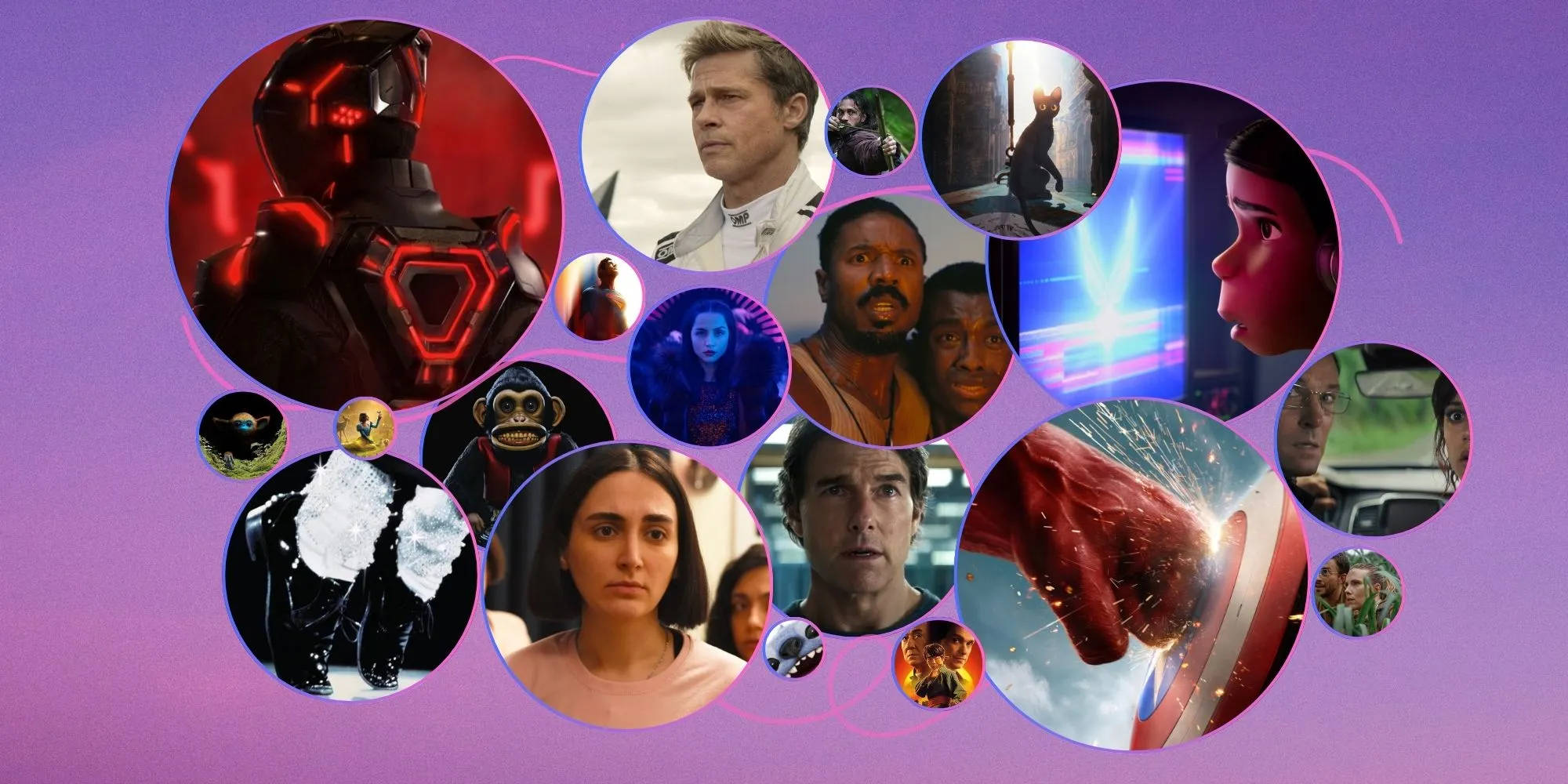
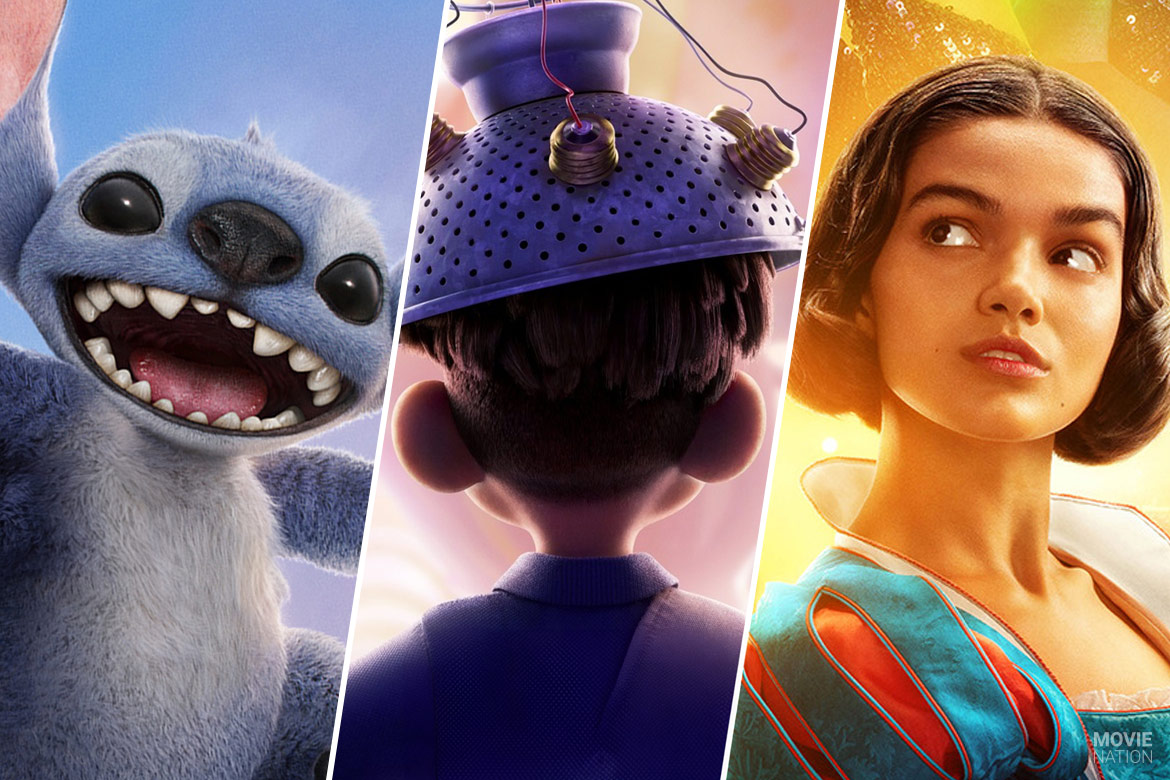
Looking back from the vantage point of 2026, the 2025 film year stands as a pivotal recovery period for the global film industry. Defined by the launch of the new DC Universe, James Cameron’s continued dominance with Avatar, and a strategic shift in Marvel’s production volume, 2025 successfully bridged the gap between post-strike delays and a modernized theatrical model.
The Return of the Mega-Blockbuster: Leading the 2025 Box Office
The cinematic landscape of 2025 was dominated by high-stakes tentpole features that had been delayed by the labor disputes of 2023. These films finally reached audiences, resulting in a crowded but lucrative summer and holiday season. The primary driver of the year's financial success was undoubtedly Avatar: Fire and Ash, the third installment in James Cameron’s sci-fi epic. Released in December 2025, the film expanded the lore of Pandora by introducing the "Ash People," a more aggressive tribe of Na'vi, which provided a narrative complexity previously unseen in the franchise.
Beyond the world of Pandora, 2025 saw the long-awaited release of Mission: Impossible – Dead Reckoning Part Two (eventually retitled for its theatrical run). Following the cliffhanger of the previous installment, Tom Cruise’s latest outing solidified the franchise's reputation for practical stunt work, performing exceptionally well in international markets, particularly in Europe and Asia.
The success of these films proved that while "superhero fatigue" was a frequent topic of debate in 2024, the appetite for high-spectacle, high-budget cinema remained strong, provided the technical execution met the audience's increasing expectations for visual fidelity and narrative depth.
The Dawn of the New DC Universe: Superman’s Impact
Perhaps the most scrutinized release of 2025 was James Gunn’s Superman. As the official start of the new DC Universe (DCU), the film bore the heavy burden of resetting a decade of inconsistent storytelling under previous regimes. Released in July 2025, Gunn’s interpretation moved away from the "grim and gritty" aesthetic of the 2010s, instead embracing a brighter, more optimistic tone that stayed true to the character’s Golden Age roots.
David Corenswet’s portrayal of Clark Kent was widely praised for balancing vulnerability with the character’s inherent strength. The film also served as a launchpad for several other DC entities, introducing members of the Authority and Hawkgirl, thereby establishing a lived-in universe from day one. Critics noted that the success of Superman was not just a win for Warner Bros. Discovery, but a necessary revitalization of the superhero genre itself, which had seen diminishing returns throughout 2023 and 2024.
Marvel Studios: Quality Over Quantity in the Multiverse Saga
In response to the mixed reception of Phase 4 and the early parts of Phase 5, Marvel Studios utilized 2025 to execute its "quality over quantity" mandate. The studio limited its theatrical output to three major releases: Captain America: Brave New World, Thunderbolts*, and The Fantastic Four: First Steps.
- Captain America: Brave New World: This film marked Anthony Mackie’s first solo theatrical outing as Sam Wilson. The narrative leaned heavily into the political thriller genre, reminiscent of The Winter Soldier, dealing with the geopolitical ramifications of a world without Steve Rogers and the introduction of Harrison Ford as President Thaddeus "Thunderbolt" Ross.
- The Fantastic Four: First Steps: Released in the late summer, this film was a stylistic departure for the MCU. By setting the story in a retro-futuristic 1960s aesthetic, Marvel avoided the standard origin story tropes and focused on the familial dynamics of the team, which resonated strongly with audiences who had grown weary of the "multiverse" complexity.
By slowing down the release cadence, Disney ensured that each film had sufficient post-production time, particularly regarding visual effects, which had been a point of contention in previous years.
The Video Game Adaptation Boom: Minecraft and Beyond
If 2023 was the year of The Super Mario Bros. Movie, 2025 was the year video game adaptations cemented their status as the "new superheroes" of the box office. The centerpiece of this movement was A Minecraft Movie, starring Jack Black and Jason Momoa.
The film's visual approach—a hybrid of live-action and stylized CGI—initially sparked debate upon the release of its first trailers. However, the film successfully captured the "sandbox" spirit of the game, appealing to the massive global player base of younger Gen Z and Gen Alpha viewers. Its performance confirmed that video game IPs are currently the most reliable drivers of the "family movie" demographic, often outperforming original animated features.
| Film Title | Primary Genre | Studio | Key Audience Sentiment |
|---|---|---|---|
| Avatar: Fire and Ash | Sci-Fi/Action | Disney/20th Century | Revolutionary visuals; darker tone than predecessors. |
| Superman | Superhero | Warner Bros. | Refreshingly optimistic; strong lead performance. |
| The Fantastic Four | Sci-Fi/Adventure | Marvel Studios | Praised for retro-aesthetic and character chemistry. |
| A Minecraft Movie | Family/Fantasy | Warner Bros. | Massive hit with children; polarizing art style. |
| Michael | Biopic | Lionsgate | Controversial but highly lucrative; record-breaking opening. |
| Jurassic World Rebirth | Action/Sci-Fi | Universal | Successful "soft reboot" of the franchise. |
The Resurgence of the Mid-Budget Genre Film
While blockbusters took the headlines, 2025 was also a standout year for mid-budget cinema, particularly in the horror and sci-fi genres. A24 and Neon continued to dominate the cultural conversation with auteur-driven projects that found success through viral marketing and strong word-of-mouth.
One of the most notable successes was 28 Years Later, directed by Danny Boyle and written by Alex Garland. Returning to the franchise they started in 2002, the duo revitalized the "fast zombie" subgenre with a gritty, shot-on-digital aesthetic that felt both nostalgic and modern. The film’s success led to the immediate greenlighting of a sequel, proving that audiences still value original (or at least creatively refreshed) horror concepts over endless remakes.
In the horror space, M3GAN 2.0 capitalized on the campy, technological terror of the first film, while The Conjuring: Last Rites was marketed as the final chapter of the main Perron/Warren storyline, drawing large numbers of fans of the "Conjurverse."
Industry Trends: The 2025 Theatrical-to-Streaming Window
By 2025, the "streaming wars" had entered a more mature phase. Most major studios—including Disney, Warner Bros. Discovery, and Universal—standardized a 45-to-60-day theatrical window for their major releases. This stability benefited theater owners (National Association of Theatre Owners), as it allowed films time to breathe and build momentum through traditional ticket sales before transitioning to home viewing.
Furthermore, 2025 saw the rise of "eventized" screenings. Concert films, limited-run IMAX revivals, and live-streamed Q&A events became a weekly staple for theater chains like AMC and Regal. This shift transformed the movie theater from a simple place to watch a film into a venue for community-based entertainment experiences, helping to offset the competition from high-end home theater systems.
Frequently Asked Questions about 2025 Films
What was the highest-grossing film of 2025?
Avatar: Fire and Ash claimed the top spot globally. Benefiting from the massive success of the first two films and a lack of direct competition in the December window, it dominated the holiday box office and continued its run well into early 2026. Its utilization of improved HFR (High Frame Rate) and 3D technology made it a "must-see" in IMAX formats.
Did James Gunn’s Superman succeed at the box office?
Yes, Superman was both a critical and financial success. While it did not reach the billion-dollar mark as quickly as some Marvel titles, it earned over $800 million worldwide, which was considered a massive win for the brand's reboot. More importantly, it secured a "Certified Fresh" rating on Rotten Tomatoes, restoring faith in the DC brand for future projects like Supergirl: Woman of Tomorrow.
Were there any major movie delays in 2025?
While most films stayed on track, a few high-profile projects, such as the long-gestating Blade reboot and certain original Disney animations, were moved to 2026 to allow for further script refinements. The industry in 2025 prioritized "releasing it right" over "releasing it fast," a lesson learned from the volatile release schedules of the early 2020s.
How did the Michael Jackson biopic, Michael, perform?
Michael was one of the most talked-about films of the year. Directed by Antoine Fuqua, it faced significant pre-release scrutiny due to the subject's complicated legacy. However, the film was a global juggernaut at the box office, particularly in international territories, driven by the enduring global popularity of Jackson’s music and a breakout performance by Jaafar Jackson.
What happened to the Star Wars franchise in 2025?
Star Wars remained primarily a television-focused franchise on Disney+ during 2025. While several theatrical projects were in active development (including the Rey-focused New Jedi Order film), 2025 did not feature a live-action Star Wars theatrical release, as Lucasfilm continued to focus on the production of The Mandalorian & Grogu for its 2026 debut.
Navigating the 2026 Cinematic Landscape
As we move further into 2026, the successes of 2025 have provided a roadmap for the future of the industry. The focus has clearly shifted toward "event" cinema—films that demand a large screen and a collective audience experience. For viewers, this means a more curated selection of high-quality releases rather than a constant stream of interchangeable content.
If you are looking to catch up on the definitive hits of last year, most 2025 titles are now available on major streaming platforms like Disney+, Max, and Peacock, or via 4K UHD physical releases, which saw a surprising resurgence among collectors throughout the past year.