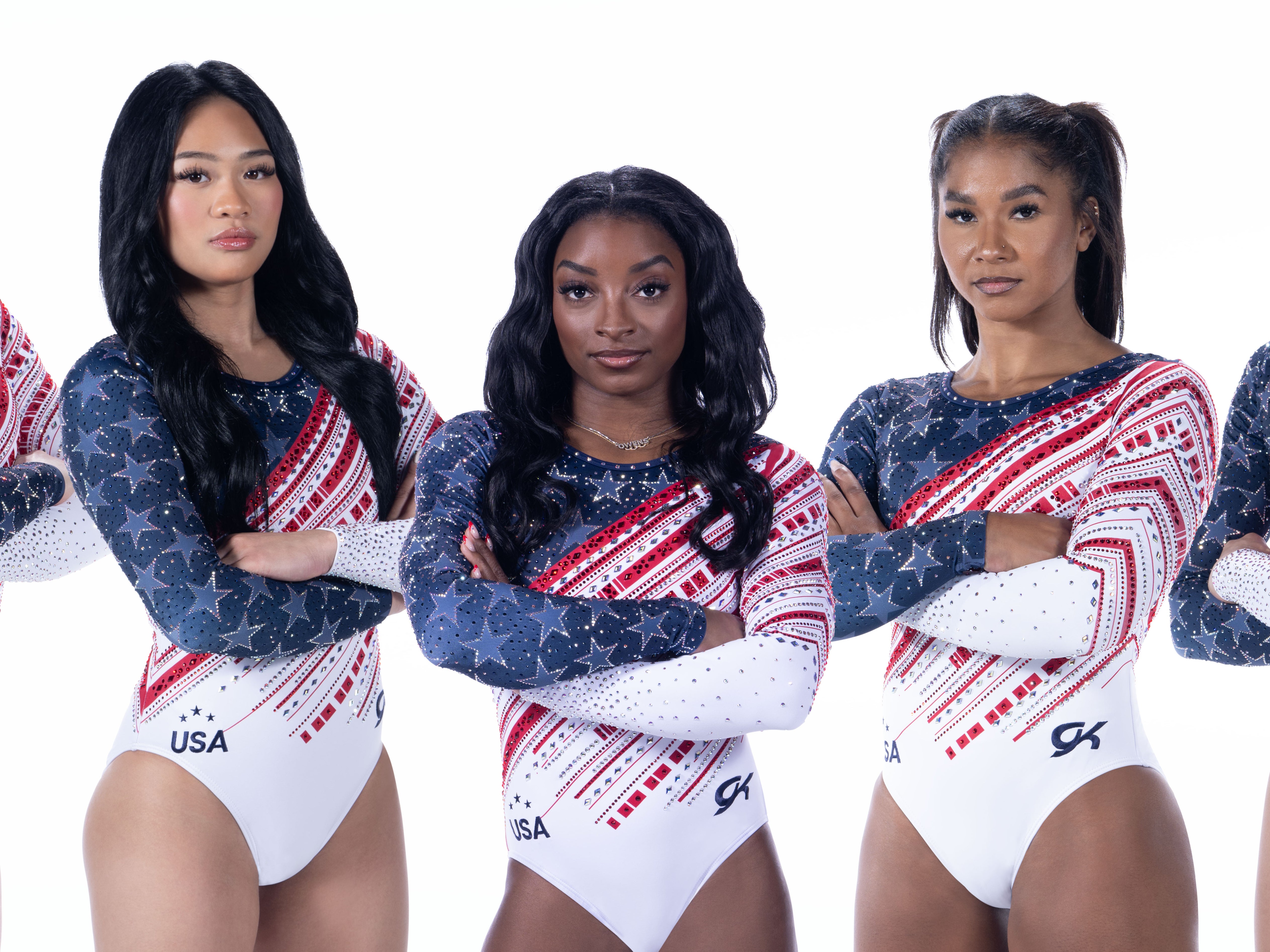
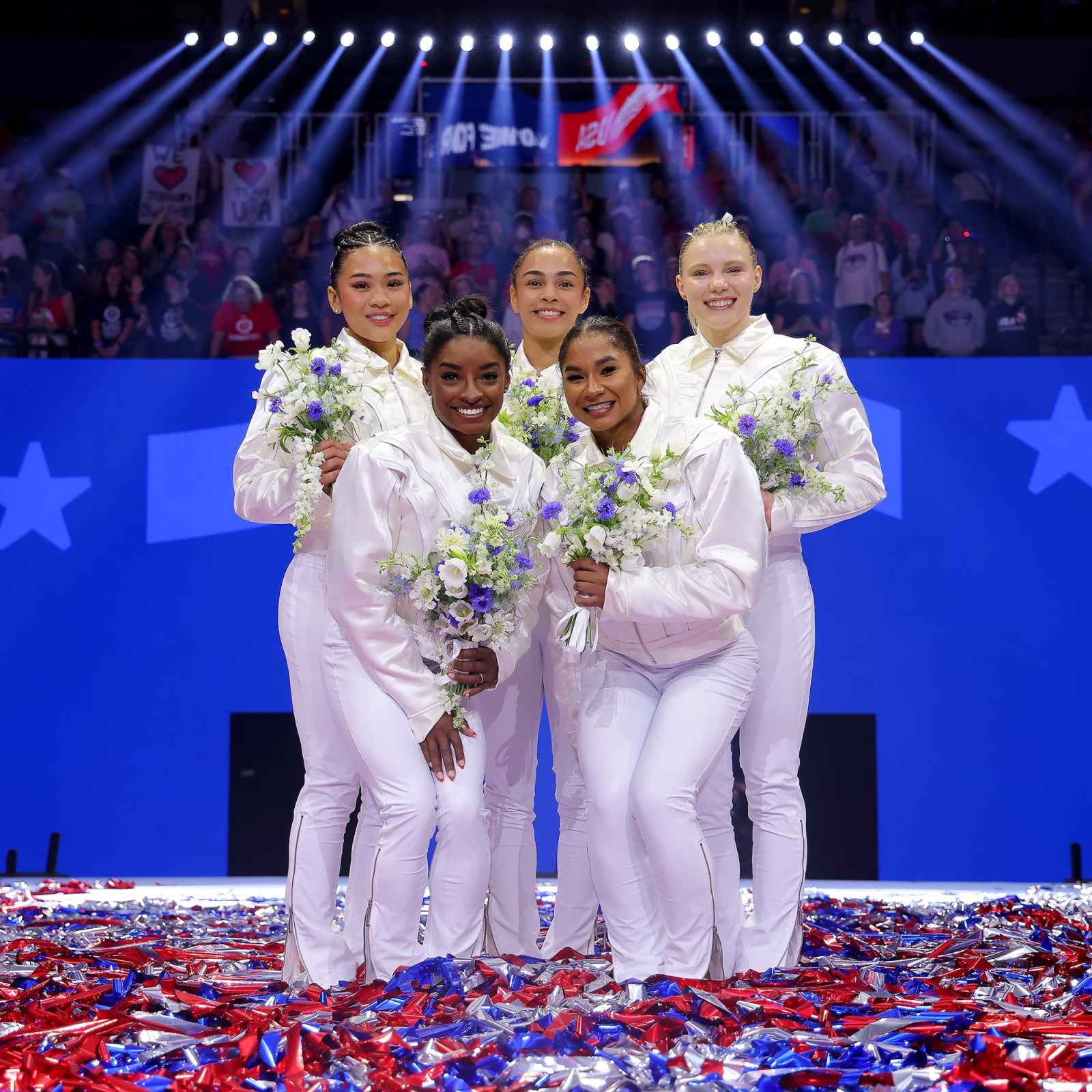
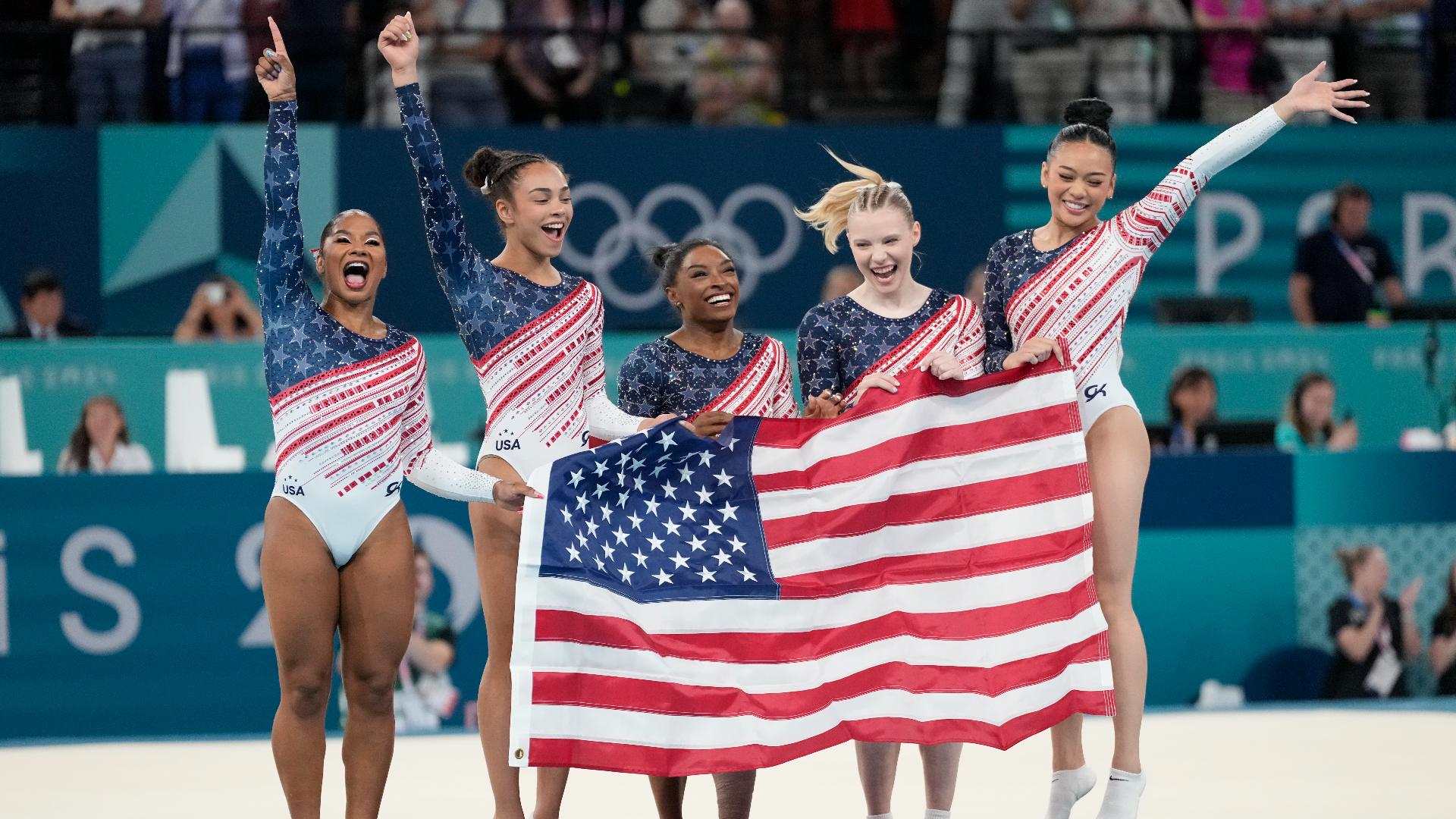
The 2024 U.S. Women’s Olympic Gymnastics team, famously known as the "Golden Girls," secured the team gold medal at the Paris Games with a dominant score of 171.296. The roster featured Simone Biles, Suni Lee, Jordan Chiles, Jade Carey, and Hezly Rivera, marking a historic "redemption" following the silver medal finish in Tokyo.
The 2024 Olympic Games in Paris represented a watershed moment for international gymnastics. For the United States, it was the culmination of a three-year journey focused on mental health, physical longevity, and technical precision. As we look back from the perspective of 2026, the performances in Paris continue to define the current standards of the sport, particularly regarding the "difficulty" (D-score) and "execution" (E-score) balance that the American team mastered so effectively. This article provides a comprehensive breakdown of the roster, the final scoring data, and the significant news cycles that emerged from the competition.
The Definitive 2024 U.S. Women’s Olympic Gymnastics Roster
The selection process for the 2024 team culminated at the U.S. Olympic Team Trials in Minneapolis, Minnesota. The selection committee focused on a combination of all-around scoring potential and event-specific "medal threats." The resulting five-woman roster was the most experienced in U.S. history, featuring three Olympic veterans and two newcomers.
Simone Biles (Leader and All-Around Specialist)
Simone Biles returned to the Olympic stage as the most decorated gymnast of all time. After withdrawing from several events in Tokyo to prioritize her mental health and safety (dealing with the "twisties"), her 2024 performance was a technical masterclass. Biles contributed scores on all four apparatuses during the team final, anchored by her Yurchenko double pike vault—now officially named the "Biles II" in the Code of Points.
Sunisa "Suni" Lee (All-Around and Uneven Bars)
The 2020 Olympic All-Around Champion faced a harrowing road to Paris, battling two types of kidney disease that forced her to cut her NCAA career at Auburn University short. By the summer of 2024, Lee had managed her health to the point of reclaiming her elite form, particularly on the uneven bars and balance beam, where her fluidity and high-difficulty connections were vital for the team’s total score.
Jordan Chiles (All-Around and Energy)
Chiles was the "hype woman" and the reliable backbone of the squad. A veteran of the Tokyo silver-medal team, Chiles showed immense growth in her confidence and execution. She competed in the all-around during the team qualifying rounds and was a crucial contributor on vault and floor exercise during the finals. Her ability to deliver under pressure solidified her role as a cornerstone of the 2024 lineup.
Jade Carey (Vault and Floor Exercise Specialist)
Carey, the 2020 individual gold medalist on floor exercise, specialized in power events. Despite battling a brief illness during the qualifying rounds in Paris, she rebounded significantly for the team final and the individual vault final. Her high-start-value vaults provided a mathematical cushion that other nations struggled to match.
Hezly Rivera (The Rookie Specialist)
At just 16 years old, Rivera was the youngest member of the 2024 delegation. Having transitioned from the junior ranks to the senior elite level just months prior, she earned her spot through a stellar performance at the Olympic Trials, particularly on the balance beam and uneven bars. Her presence represented the future of the program as the veterans moved toward the later stages of their careers.
Official Team Final Scores: The Path to Gold
The U.S. women dominated the team final, finishing nearly six points ahead of the silver medalist, Italy. This margin of victory is significant in a sport where medals are often decided by tenths of a point. The team total of 171.296 reflected the depth of the American roster across all four events.
| Athlete | Vault | Uneven Bars | Balance Beam | Floor Exercise |
|---|---|---|---|---|
| Simone Biles | 14.900 | 14.400 | 14.366 | 14.666 |
| Suni Lee | N/A | 14.566 | 14.600 | 13.533 |
| Jordan Chiles | 14.400 | 14.366 | 12.733 | 13.966 |
| Jade Carey | 14.800 | N/A | N/A | N/A |
| Hezly Rivera | N/A | N/A | N/A | N/A |
| Team Totals | 44.100 | 43.332 | 41.699 | 42.165 |
Note: In the team final (3-up, 3-count format), only three gymnasts compete on each event, and all three scores count toward the total. Hezly Rivera competed in the qualifying round but did not participate in the team final lineup.
Individual Accolades and Historical Milestones
While the team gold was the primary objective, the individual results in Paris further cemented the 2024 roster's place in history. Simone Biles won the individual All-Around gold, becoming the first woman to win two non-consecutive Olympic All-Around titles (2016 and 2024).
Sunisa Lee secured the bronze medal in the All-Around, making the U.S. the only nation to have two athletes on the podium in the premier individual event. Lee also earned a bronze on the uneven bars, proving her technical resilience after her health struggles. Jade Carey added to the medal count with a bronze in the vault final, executing two of the most difficult vaults in the competition.
The news cycle was not without controversy, however. The floor exercise final saw Jordan Chiles initially awarded the bronze medal after a successful score inquiry. However, a subsequent ruling by the Court of Arbitration for Sport (CAS) in the days following the closing ceremony led to a dispute over the timing of that inquiry, resulting in Chiles being asked to return the medal in favor of Romania’s Ana Bărbosu. As of 2026, this remains one of the most discussed legal and procedural incidents in Olympic gymnastics history, sparking calls for reform in how technical inquiries are handled.
Technical Depth: The "Difficulty" Advantage
The primary reason for the U.S. team's success in 2024 was their "Difficulty Score" (D-score). In modern gymnastics, the final score is the sum of the D-score (the content of the routine) and the E-score (how well it is performed).
By 2024, the U.S. program had optimized its training to ensure that even with minor execution deductions, their starting values were so high that they remained mathematically untouchable. For example, Simone Biles' vault D-score was significantly higher than the rest of the field, effectively giving her a one-point head start before she even landed. This "difficulty buffer" allowed the U.S. to withstand small errors—such as Chiles’ uncharacteristic fall on the beam during the team final—without losing their lead in the overall standings.
Legacy and the 2026 Perspective
Looking back from 2026, the 2024 roster has had a lasting impact on the sport's culture. The "Redemption Tour" was more than just a marketing slogan; it was a shift toward athlete-centered coaching and a focus on longevity.
- NCAA Influence: The 2024 team featured several athletes who utilized the NCAA system (Lee, Carey, Chiles) to maintain their competitive edge. This has led to a 2026 landscape where more elite gymnasts are choosing to compete in college while preparing for international assignments, a trend that was once considered impossible.
- Age and Longevity: Simone Biles and Jordan Chiles proved that gymnasts can peak in their mid-to-late 20s. This has fundamentally changed recruiting and training cycles globally, with federations now investing more in veteran athletes rather than focusing solely on young teenagers.
- Mental Health Advocacy: The transparency of the 2024 team regarding pressure and psychological well-being has become the gold standard for sports programs worldwide.
Frequently Asked Questions
Who were the alternates for the 2024 U.S. Women’s Gymnastics team?
The alternates for the 2024 team were Joscelyn Roberson and Leanne Wong. Both athletes traveled to Paris and trained alongside the primary roster. Leanne Wong, a standout at the University of Florida, was a veteran alternate, having served in the same role for the Tokyo Games, showcasing her remarkable consistency and readiness to step in at any moment.
Why was the 2024 team called the "Golden Girls"?
The nickname "Golden Girls" was chosen by the athletes themselves, referencing both their goal of winning the team gold medal and the fact that they were the oldest U.S. women’s gymnastics team ever sent to an Olympic Games. Simone Biles was 27 at the time of the competition, which is significantly older than the historical average for Olympic gymnasts.
Did Jordan Chiles get to keep her bronze medal from the floor exercise?
Following the Paris Games, a complex legal battle ensued involving the International Gymnastics Federation (FIG), the International Olympic Committee (IOC), and the Court of Arbitration for Sport (CAS). CAS ruled that the inquiry into Chiles' score was filed four seconds past the one-minute deadline. Despite appeals from USA Gymnastics and the U.S. Olympic & Paralympic Committee, the IOC ultimately reallocated the bronze medal to Romania’s Ana Bărbosu.
What happened to Hezly Rivera in the team finals?
In the Olympic team final, the format is "three-up, three-count," meaning only three athletes compete on each event, and every score is counted. The U.S. coaches chose to use the four veterans (Biles, Lee, Chiles, and Carey) for the final rotations based on their experience and high-scoring potential during the qualifying rounds. While Rivera did not compete in the final, she earned a gold medal as a full member of the winning team.
How many total medals did the U.S. Women’s Gymnastics team win in 2024?
The U.S. women won a total of 10 medals in Paris: 3 Gold (Team, Individual All-Around - Biles, Vault - Biles), 1 Silver (Floor Exercise - Biles), and several Bronze medals across individual events including the All-Around (Lee), Uneven Bars (Lee), and Vault (Carey).
Tracking Future Developments in U.S. Gymnastics
For those following the sport in 2026, the focus has shifted toward the Los Angeles 2028 Olympic cycle. To stay informed on the current status of the 2024 roster members and the rising stars of the next generation, readers should monitor the official USA Gymnastics (USAG) rankings and the results of the upcoming Winter Cup and U.S. Championships.
The technical advancements pioneered by the 2024 team—specifically the integration of higher-difficulty vaulting and complex bar connections—are now the baseline for any athlete hoping to make the 2028 squad. Following these athletes on official social media platforms and through reputable sports news outlets like NBC Sports and the International Gymnast Magazine will provide the most accurate updates on their training status and potential "comebacks" for the next Olympic cycle.