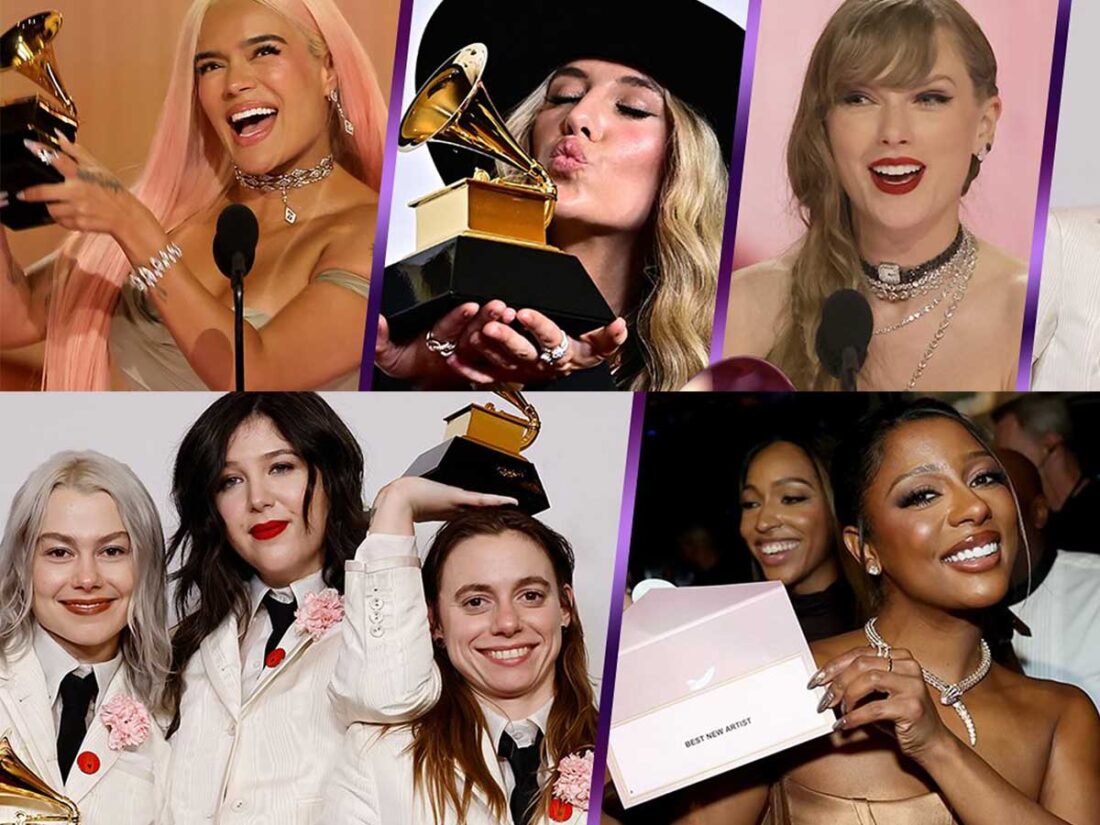
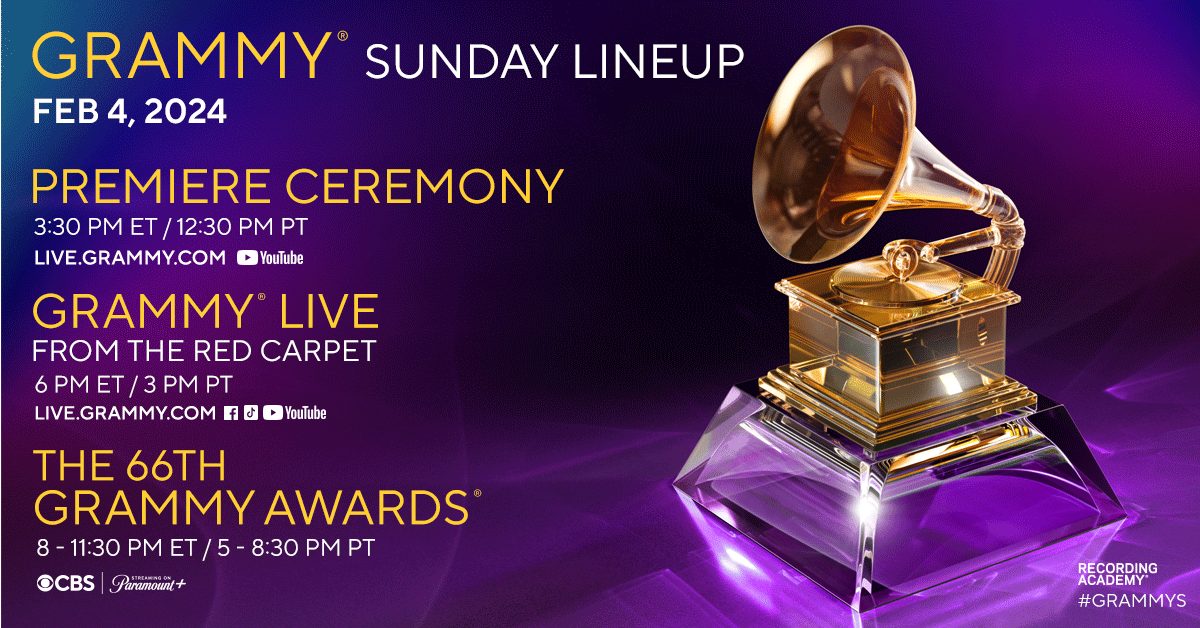
The 2024 Grammy Awards, officially known as the 66th Annual Grammy Awards, took place on February 4, 2024, at the Crypto.com Arena in Los Angeles. The ceremony celebrated the best recordings, compositions, and artists of the eligibility year, spanning from October 1, 2022, to September 15, 2023. It was a night defined by historic female dominance, with Taylor Swift setting a new record for Album of the Year wins and Miley Cyrus earning her first-ever Grammy Awards.
Historical Significance of the 66th Annual Grammy Awards
As we look back from the perspective of 2026, the 2024 Grammy Awards remain a pivotal moment in music history. The event was hosted by comedian Trevor Noah for the fourth consecutive year, providing a stable and professional backdrop for a night that saw several long-standing records shattered. The ceremony was not merely a celebration of commercial success but a reflection of the shifting tides in the music industry, particularly regarding gender representation and genre expansion.
The 2024 ceremony was held at the Crypto.com Arena, marking a continued commitment to the downtown Los Angeles venue. The production value was notably high, utilizing advanced stagecraft to facilitate a series of high-profile "comeback" performances and cross-generational collaborations. For the Recording Academy, the 2024 edition represented a culmination of years of internal reform aimed at diversifying the voting body and introducing more transparent processes for nominations.
One of the most significant changes introduced during this cycle was the reduction in the number of nominees in the "Big Four" categories (Album, Record, and Song of the Year, plus Best New Artist) from ten back down to eight. This change was designed to make the categories more competitive and to ensure that the final winners represented a clearer consensus among the voting members.
Major Category Breakdown and Analysis
The "Big Four" categories at the 2024 Grammy Awards were almost entirely dominated by female artists, a trend that has since become a focal point for musicologists analyzing the mid-2020s.
Album of the Year: A Historic Fourth Win
Taylor Swift made history by winning Album of the Year for Midnights. This victory marked her fourth win in this prestigious category, allowing her to surpass legendary figures like Frank Sinatra, Stevie Wonder, and Paul Simon, who each held three wins. The victory solidified Swift’s position as a dominant force in the industry, though it was not without discussion. Some critics debated the merits of Midnights compared to fellow nominees like SZA’s SOS or Lana Del Rey’s Did You Know That There's a Tunnel Under Ocean Blvd, yet the Academy’s choice underscored Swift's unparalleled ability to blend commercial juggernaut status with critical acclaim.
Record and Song of the Year
Miley Cyrus achieved a career milestone by winning Record of the Year for her global hit "Flowers." This win was her first Grammy, a fact that surprised many given her long-standing presence in pop culture. "Flowers" was lauded for its production quality and its message of self-reliance, which resonated deeply with audiences throughout 2023.
In the Song of the Year category—which honors the songwriters rather than the performers—Billie Eilish and her brother Finneas O'Connell took home the trophy for "What Was I Made For?" from the Barbie soundtrack. This win highlighted the immense cultural impact of the Barbie film and Eilish’s ability to craft poignant, introspective ballads that define cinematic moments.
Best New Artist: Victoria Monét
Victoria Monét’s win for Best New Artist was a victory for "the long game" in the music industry. Having spent over a decade as a highly successful songwriter for artists like Ariana Grande, Monét’s transition to a front-facing artist was met with widespread industry support. Her win served as an inspiration for independent and transitioning artists, proving that technical mastery and persistence eventually find their reward on the Grammy stage.
Genre-Specific Highlights and New Categories
The 2024 Grammys introduced three new categories: Best African Music Performance, Best Pop Dance Recording, and Best Alternative Jazz Album. These additions were part of the Academy's effort to keep pace with the evolving global music landscape.
| Category | Winner | Work |
|---|---|---|
| Album of the Year | Taylor Swift | Midnights |
| Record of the Year | Miley Cyrus | "Flowers" |
| Song of the Year | Billie Eilish & Finneas | "What Was I Made For?" |
| Best New Artist | Victoria Monét | N/A |
| Best Pop Vocal Album | Taylor Swift | Midnights |
| Best Rap Album | Killer Mike | Michael |
| Best Country Album | Lainey Wilson | Bell Bottom Country |
| Best African Music Performance | Tyla | "Water" |
The Rise of Global Music
The inaugural award for Best African Music Performance went to Tyla for her viral hit "Water." This was a landmark moment for the Academy, recognizing the massive global influence of Afrobeats and Amapiano. By creating a specific category for African music, the Recording Academy acknowledged that these genres are no longer "niche" but are primary drivers of global streaming numbers and cultural trends.
Rap and Hip-Hop
In the Rap categories, Killer Mike swept the awards, winning Best Rap Album for Michael, as well as Best Rap Song and Best Rap Performance for "Scientists & Engineers." His victory was a nod to the "grown-man rap" movement, emphasizing lyrical depth, storytelling, and social commentary. However, his win was momentarily overshadowed by his detention by police shortly after the pre-telecast ceremony, an event that sparked significant conversation regarding the treatment of artists at high-profile events.
Country and Americana
Lainey Wilson continued her meteoric rise by winning Best Country Album for Bell Bottom Country. Her win, combined with her high-energy performance during the ceremony, cemented her status as the new face of modern country music. Meanwhile, the Americana categories saw continued respect for veteran artists, with Jason Isbell and the 400 Unit taking home multiple awards.
Groundbreaking Performances and Technical Production
The 2024 ceremony is frequently remembered for its emotional and technically flawless performances. The Recording Academy pivoted toward "music-first" presentations, focusing on the artistry of live instrumentation and vocal ability.
One of the most discussed moments was the performance of "Fast Car" by Luke Combs and the song’s original creator, Tracy Chapman. Chapman’s rare public appearance was a significant cultural event. The performance was a masterclass in cross-genre respect, as Combs—who had a massive hit with a cover of the song—stepped back to allow Chapman’s original vision to shine. This moment led to a massive resurgence in streaming for the 1988 original, proving the "Grammy bump" remains a powerful economic force.
Joni Mitchell, at age 80, made her Grammy performance debut, singing "Both Sides, Now" while seated in a gold throne, surrounded by artists like Brandi Carlile. It was a poignant reminder of the enduring power of songwriting and the resilience of legendary artists. The technical production of this segment was intentionally stripped back, focusing on the intimacy of the moment rather than spectacle.
Billy Joel also returned to the Grammy stage to perform his first new single in decades, "Turn the Lights Back On." The staging utilized classic lighting and a focus on the piano, contrasting with the more elaborate, high-energy sets of younger pop stars like Dua Lipa and Olivia Rodrigo.
Controversies and Industry Critique
Despite the celebratory tone, the 2024 Grammy Awards were not without friction. The most notable critique came from Jay-Z, who received the Dr. Dre Global Impact Award. During his acceptance speech, he directly addressed the Recording Academy’s historical voting patterns. He pointed out the irony of his wife, Beyoncé, being the most decorated artist in Grammy history while never winning the top prize of Album of the Year.
Jay-Z’s speech reignited long-standing debates about how the Academy values commercial versus cultural impact and whether "General Field" awards are biased against R&B and Hip-Hop. His comments forced a public discourse on the "metric of success" used by the 11,000+ voting members of the Academy.
Furthermore, the detention of Killer Mike following his three-win sweep became a viral talking point. While the incident was later clarified as being related to an alleged physical altercation backstage, the imagery of a triple-Grammy winner in handcuffs was a stark contrast to the glamour of the evening.
The Legacy of the 2024 Grammys in 2026
From our current vantage point in 2026, the 2024 Grammys are viewed as the year the Academy successfully transitioned into a modern era while still grappling with its past. The winners of that night have since gone on to define the current musical landscape.
Taylor Swift’s win catalyzed a new era of "prestige pop," where artists prioritize conceptual albums over single-driven marketing. The success of Tyla and the African Music category paved the way for the total integration of global sounds into the mainstream Billboard charts we see today. Moreover, the 2024 ceremony's focus on veteran artists like Joni Mitchell and Tracy Chapman reminded the industry that longevity and songwriting integrity are just as valuable as viral social media moments.
FAQs About the 2024 Grammy Awards
Who hosted the 2024 Grammy Awards?
The ceremony was hosted by Trevor Noah. This marked his fourth consecutive year as host, a role he has been praised for due to his ability to balance humor with a genuine respect for the musical artists in the room. His hosting style is often credited with keeping the telecast moving smoothly despite its long duration.
Where were the 2024 Grammy Awards held?
The event took place at the Crypto.com Arena in Los Angeles, California. This venue has become the standard home for the Grammys, offering the necessary infrastructure for the massive stage sets and the "Red Carpet" arrivals that are a staple of the event.
How many Grammys did Taylor Swift win in 2024?
Taylor Swift won two awards at the 2024 ceremony: Album of the Year and Best Pop Vocal Album, both for Midnights. While she was nominated in six categories total, her win for Album of the Year was the most significant, as it broke the record for the most wins in that category by any artist.
Why did Jay-Z criticize the Grammys during his speech?
Jay-Z criticized the Recording Academy for what he perceived as a disconnect between an artist's cultural impact and their recognition in major categories. Specifically, he noted that Beyoncé has won more Grammys than any other artist but has never won Album of the Year, suggesting that the voting process does not always align with the reality of the music industry’s most influential works.
What were the new categories added in 2024?
The Recording Academy added three new categories for the 66th Annual Grammy Awards: Best African Music Performance, Best Pop Dance Recording, and Best Alternative Jazz Album. These categories were introduced to provide a dedicated space for genres that have seen significant growth and distinct artistic development in recent years.
Official Resources and Verification
For those seeking the full list of nominees and winners, the official Grammy website remains the definitive source for historical data. The Recording Academy also maintains an archive of the "Premiere Ceremony," where the majority of the 94 categories are awarded prior to the main telecast. Researchers can verify specific voting rules and eligibility requirements through the Academy’s annual governance documents, which outline the transition from the 2023 to 2024 cycle.