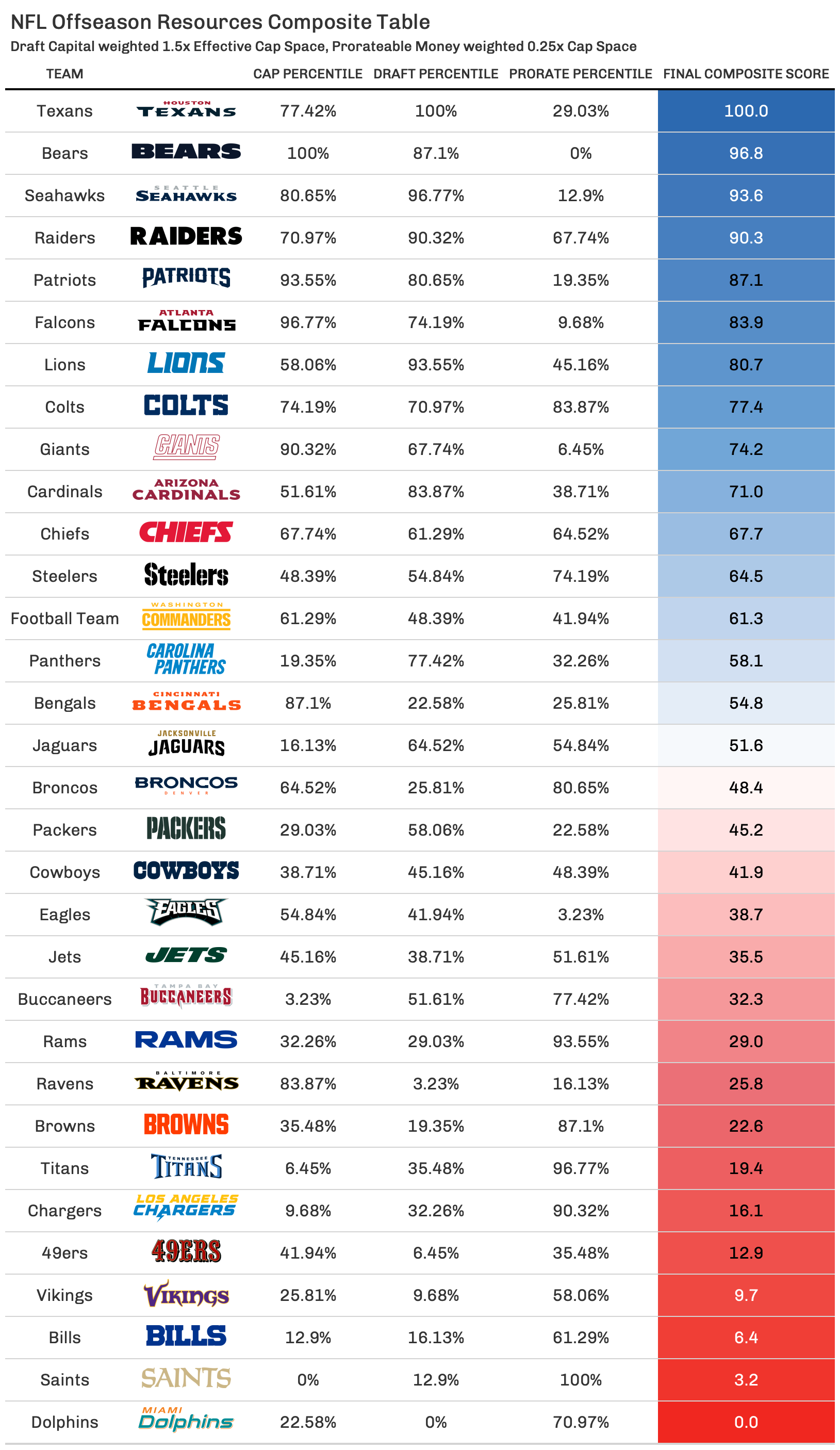
The Dallas Cowboys topped the charts for the 2023 NFL season, generating an estimated $1.14 billion in total revenue. This performance solidified their position as the world's most valuable sports franchise. While the league shares a significant portion of national media revenue equally, the Cowboys' massive lead is driven by unparalleled local income, stadium sponsorships, and luxury seating.
The National Football League continues to be a financial juggernaut, with the 2023 season marking a period of record-breaking growth. As the league pushes toward its stated goal of $25 billion in annual revenue by 2027, the disparity between the highest-earning teams and the rest of the league often comes down to one factor: local revenue generation. While every team received approximately $400 million in shared national revenue in 2023, the teams at the top of the list capitalized on modern stadiums and global branding to pull ahead.
The Dominance of the Dallas Cowboys
For the 2023 season, the Dallas Cowboys did not just lead the NFL; they set a standard for professional sports worldwide. Generating over $1.1 billion in a single year is a feat driven by the vision of owner Jerry Jones and the commercial infrastructure of AT&T Stadium. Unlike many other franchises, the Cowboys have a unique arrangement regarding their merchandising, allowing them to retain a higher percentage of certain retail sales compared to the league-wide pool.
A significant portion of the Cowboys' 2023 financial success stemmed from premium seating and luxury suites. AT&T Stadium remains a premier destination for corporate hospitality, allowing the team to command some of the highest prices in the league for "club level" experiences. Furthermore, the Cowboys’ sponsorship portfolio is the most robust in the NFL, featuring long-term, high-value partnerships with blue-chip brands that see the "Star" as the ultimate marketing vehicle.
2023 NFL Revenue Rankings by Team
The following table outlines the estimated revenue for the top-performing NFL franchises during the 2023 season. These figures represent total revenue before the deduction of operating expenses, player salaries, and taxes.
| Rank | NFL Franchise | Estimated 2023 Revenue | Primary Revenue Drivers |
|---|---|---|---|
| 1 | Dallas Cowboys | $1.14 Billion | Luxury suites, massive sponsorship deals, local retail |
| 2 | Las Vegas Raiders | $729 Million | High ticket yields, Allegiant Stadium events, tourism |
| 3 | New York Giants | $639 Million | Massive media market, premium corporate partnerships |
| 4 | New England Patriots | $633 Million | Consistent high-end ticket demand, Kraft Group assets |
| 5 | Los Angeles Rams | $628 Million | SoFi Stadium sponsorships, growing West Coast market |
| 6 | New York Jets | $611 Million | MetLife Stadium shared revenue, major market presence |
| 7 | San Francisco 49ers | $600 Million | Silicon Valley corporate blocks, Levi's Stadium tech deals |
| 8 | Philadelphia Eagles | $598 Million | Fierce fan loyalty, high merchandise and ticket sell-outs |
| 9 | Chicago Bears | $587 Million | Historic brand, high local broadcasting demand |
| 10 | Houston Texans | $583 Million | Strong regional corporate backing, NRG Stadium assets |
Note: Revenue estimates are based on reported national shares and analyzed local income streams for the 2023 fiscal period.
The Mechanics of National vs. Local Revenue
To understand why the Dallas Cowboys earn nearly double what the lowest-earning teams take in, one must understand the NFL’s two-tier revenue system. The NFL operates as a "partnership" of 32 entities that agree to share a large portion of their earnings to ensure league-wide parity. This shared pool is known as national revenue.
National Revenue: The Great Equalizer
In 2023, the NFL distributed roughly $12.8 billion in shared revenue among the 32 teams. This equates to approximately $400 million per franchise. This pool is primarily composed of:
- Media Rights: Massive contracts with CBS, NBC, FOX, ESPN/ABC, and Amazon.
- National Sponsorships: League-wide deals with brands like PepsiCo, Anheuser-Busch, and Microsoft.
- Licensing: Revenue from video games (EA Sports Madden NFL) and apparel (Nike and Fanatics) that is not specifically tied to one team's local shop.
Local Revenue: The Competitive Edge
The disparity in the "top of the charts" rankings is entirely the result of local revenue. This is money that teams are allowed to keep for themselves, and it includes:
- Ticket Sales: While a portion of gate receipts is shared, teams keep a significant percentage, especially from premium and luxury seating.
- Stadium Naming Rights: Agreements like the SoFi or Allegiant deals stay largely with the home teams.
- Concessions and Parking: High-volume stadium traffic generates millions in high-margin local income.
- Local Sponsorships: Regional bank or healthcare partnerships that apply only to that team's specific market.
How New Stadiums Reshaped the Top 10
The 2023 revenue landscape was heavily influenced by the "stadium boom" of the previous decade. Teams like the Las Vegas Raiders and the Los Angeles Rams have skyrocketed in value and revenue because of their move to state-of-the-art facilities.
The Las Vegas Raiders, ranking second in 2023 revenue, provide a perfect example of this. Despite not having the largest "local" population, Allegiant Stadium is a destination. The Raiders benefit from high-priced ticket sales to visiting fans and corporate "high-rollers" in Las Vegas, as well as the ability to monetize the stadium for non-NFL events throughout the year.
Similarly, the Los Angeles Rams have leveraged SoFi Stadium—the most expensive stadium ever built—to secure massive sponsorship tiers that were unavailable to them during their time in St. Louis or the LA Coliseum. These venues are essentially "revenue machines" designed to maximize the per-fan spend through technology, luxury environments, and diversified entertainment offerings.
The Impact of Media Deals and Streaming
The 2023 season was a pivotal year for the NFL's media strategy, which directly impacted the revenue charts. The transition of "Thursday Night Football" to Amazon Prime Video and the move of "NFL Sunday Ticket" to YouTube TV represented a shift toward digital-first distribution.
These deals are structured as long-term, escalating contracts. For the teams, this provides a "floor" of financial security. Even the least-profitable team in the league remains highly profitable because the national media checks alone cover the vast majority of player salaries, which are capped based on a percentage of this total revenue. In 2023, the salary cap was set at $224.8 million, a figure easily covered by the $400 million national distribution.
Emerging Revenue Streams: Betting and International Growth
Beyond traditional tickets and TV deals, two areas saw significant growth in 2023: legal sports wagering and the International Series. The NFL’s embrace of betting partners (such as DraftKings, FanDuel, and Caesars) added hundreds of millions to the league's coffers. These partnerships are categorized under national revenue, boosting the shared check for every team.
The International Series also played a role in 2023. By hosting games in London and Frankfurt, the league increased its global footprint. While the immediate revenue from these games is often lower due to travel costs, the long-term goal is to increase the value of international media rights. Teams like the Kansas City Chiefs and New England Patriots have been aggressive in claiming "International Home Marketing Areas," allowing them to build local sponsorship bases in countries like Germany and the UK, further padding their non-shared revenue.
What is the difference between NFL revenue and net value?
Revenue refers to the total amount of money a team brings in before any expenses are paid. Net value (or franchise valuation) is an estimate of what the team would sell for on the open market, which includes its assets, brand equity, and future earning potential. While the Cowboys earned $1.14 billion in revenue in 2023, their valuation was estimated at over $9 billion.
Why do the Dallas Cowboys make so much more than other teams?
The Cowboys benefit from being the first team to aggressively market themselves as a national brand ("America's Team") and from owning their stadium. Their 2023 success was specifically tied to a record-setting number of luxury suite renewals and the highest local sponsorship income in the league, often doubling or tripling what small-market teams earn in those categories.
How much of the 2023 revenue goes to the players?
Under the Collective Bargaining Agreement (CBA), players receive approximately 48% of "League Shared Revenue." This is what determines the annual salary cap. In 2023, the salary cap was $224.8 million per team. This ensures that as league revenue rises, player compensation increases proportionally.
Which team saw the biggest revenue jump in 2023?
The Las Vegas Raiders and the Kansas City Chiefs saw notable increases. The Raiders continued to maximize the "destination" aspect of Las Vegas, while the Chiefs capitalized on their Super Bowl success and the "Taylor Swift effect," which significantly boosted merchandise sales and female viewership, indirectly benefiting their local marketability and sponsorship rates.
Do small-market teams struggle to stay profitable?
No. Because of the $400 million in shared national revenue distributed in 2023, even teams in the smallest markets (like the Green Bay Packers or New Orleans Saints) are highly profitable. The shared revenue typically covers all player costs and most operating expenses, meaning any local revenue generated is essentially profit.
Maximizing Franchise Value in the Modern Era
To remain competitive at the top of the revenue charts, NFL franchises must now look beyond the field. The 2023 data suggests that the "winners" in the financial game are those who view their team as a media and real estate company first. Investing in "stadium districts"—mixed-use developments with retail, housing, and office space surrounding the venue—has become the gold standard for revenue growth.
For fans and investors looking at the health of the league, the 2023 revenue figures confirm that the NFL is a recession-resistant business. With long-term media contracts locked in through the early 2030s and a salary cap that keeps costs predictable, the focus for every owner remains on closing the gap between their local revenue and that of the Dallas Cowboys. Whether through international expansion or technological innovation in fan engagement, the race to $25 billion is well underway.