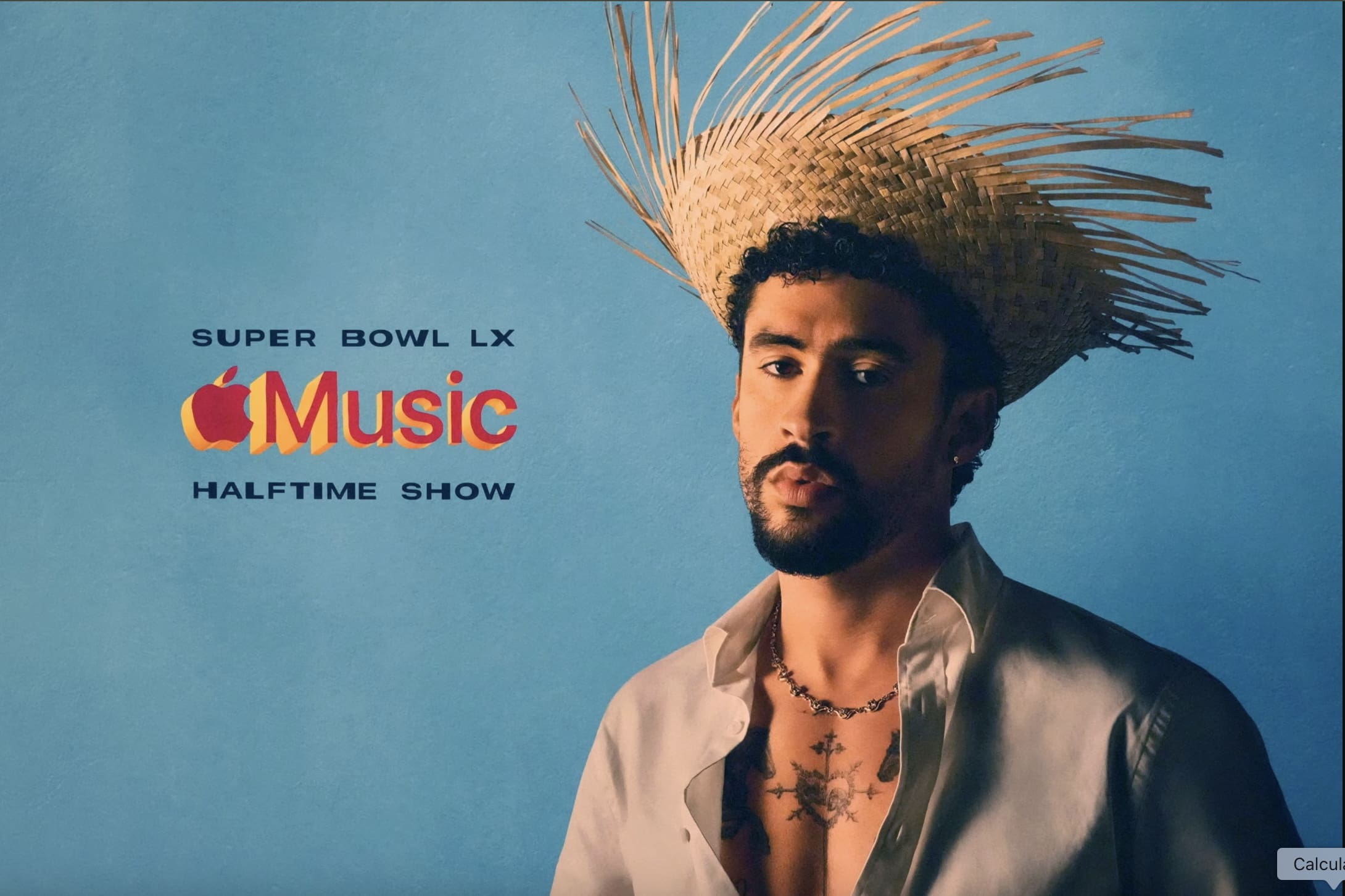
The 2023 Super Bowl Halftime Show, headlined by Rihanna at Super Bowl LVII, is recognized as a historic solo spectacle defined by its gravity-defying floating platforms and the artist's return to the stage after a seven-year hiatus. With over 121 million viewers, it remains one of the most-watched television events in history, securing its place among the most unforgettable halftime performances alongside legends like Prince and Michael Jackson.
Rihanna’s 2023 Return: A Minimalist Masterclass in the Modern Era
When Rihanna took the stage at State Farm Stadium in Glendale, Arizona, on February 12, 2023, the expectations were monumental. This performance marked the inaugural year of Apple Music’s sponsorship, taking over from Pepsi, and signaled a shift in how the NFL approached the halftime "spectacle." Rihanna’s approach was notably different from the high-octane, guest-heavy productions of previous years. Instead of relying on a rotating door of cameos, she delivered a 13-minute solo set that leaned heavily on her extensive catalog of hits and a bold, monochromatic visual aesthetic.
The 2023 show was defined by its minimalist yet technically complex production. Clad in a custom Loewe flight suit and Alaïa coats, Rihanna performed on seven suspended platforms that hovered high above the turf. This verticality was a departure from traditional field-level staging, allowing for a 360-degree viewing experience that felt both intimate and expansive. The choreography, led by the renowned Parris Goebel, featured dozens of dancers in white puffer suits, creating a stark visual contrast against the red stage and the artist’s own attire.
From an industry perspective, the 2023 performance was a masterclass in brand integration. Rihanna utilized a brief moment in the set to touch up her makeup using a Fenty Beauty compact—a move that generated millions in Earned Media Value (EMV) and demonstrated the evolving power of the halftime show as a commercial platform. Furthermore, the "unforgettable" nature of the show was cemented by the reveal of her second pregnancy, a detail that was not confirmed until after the performance but became the defining narrative of the night.
Technical Innovation and the Floating Platforms of Super Bowl LVII
The engineering behind the 2023 halftime show represented a significant leap in live event production. Executing a performance on suspended platforms within a retractable-roof stadium presented unique challenges regarding weight distribution and safety. The seven platforms were supported by a complex truss system that had to be rigged and tested to move in synchronization with the music while ensuring the safety of the performers at heights exceeding 60 feet.
One of the most impressive aspects of any Super Bowl halftime show is the "set-up and strike" process. In 2023, the production crew had approximately eight minutes to move the stage components onto the field and an even shorter window to clear them before the third quarter began. This logistics-heavy operation involves hundreds of local stagehands and professional technicians working in a choreographed sequence that is as rehearsed as the performance itself.
For the 2023 show, the sound engineering also had to account for the stadium's acoustics while Rihanna moved through different vertical zones. Using advanced wireless monitoring and specialized audio arrays, the technical team ensured that the broadcast audio—which is what the vast majority of the 121 million viewers experience—remained crisp and balanced. This technical precision is what allows these "unforgettable" moments to translate from the stadium seats to living rooms globally.
Defining "Unforgettable": The Evolution of the Super Bowl Spectacle
To understand why the 2023 performance is held in such high regard, one must look at the evolution of the Super Bowl halftime show. For the first two decades of the Super Bowl, halftime entertainment usually consisted of university marching bands or drill teams. It wasn't until 1993, when Michael Jackson performed at Super Bowl XXVII, that the NFL realized the potential for the halftime show to maintain—and even grow—the game's television audience.
Jackson’s performance set the template: a medley of hits, pyrotechnics, and a message of global unity. Since then, the halftime show has become a cultural touchstone. An "unforgettable" performance typically requires a combination of three elements:
- Cultural Relevancy: The artist must be at a pinnacle of their career or a beloved legacy act.
- Visual Innovation: The show must offer something never seen before on live television.
- Flawless Execution: Despite the chaotic environment of a football game, the musical and technical delivery must be near-perfect.
The 2023 show met all three criteria, but it also benefited from the historical context of its predecessors. Shows like Lady Gaga’s 2017 "leap" from the roof of the NRG Stadium and the 2022 Hip-Hop collective (Dr. Dre, Snoop Dogg, Eminem, Mary J. Blige, and Kendrick Lamar) raised the bar for what audiences expect in terms of production value and cultural impact.
Comparative Analysis: Top-Tier Halftime Performances
When discussing unforgettable performances, a few specific shows consistently top the rankings. The following table provides a comparison of the 2023 show against other landmark performances based on viewership data and primary technical or cultural innovations.
| Artist(s) | Year | Venue | Key Innovation/Moment | Estimated Viewership |
|---|---|---|---|---|
| Rihanna | 2023 | State Farm Stadium | Floating platforms; Pregnancy reveal | 121.0 Million |
| Dr. Dre, Snoop, et al. | 2022 | SoFi Stadium | Multi-room "house" set; Hip-Hop focus | 112.3 Million |
| Lady Gaga | 2017 | NRG Stadium | Roof jump (pre-recorded); Drone light show | 117.5 Million |
| Katy Perry | 2015 | University of Phoenix | Mechanical lion; "Left Shark" viral moment | 118.5 Million |
| Prince | 2007 | Dolphin Stadium | Performing "Purple Rain" in a literal downpour | 93.0 Million |
| Michael Jackson | 1993 | Rose Bowl | The "King of Pop" era shift in format | 133.4 Million* |
*Note: 1993 viewership figures often include the total game broadcast peak; modern tracking (Post-2010) is more granular for the halftime segment itself.
While Rihanna holds one of the highest viewership records, Prince’s 2007 performance is often cited by critics as the greatest of all time due to its raw musicality and the serendipitous weather conditions. However, the 2023 show represents the pinnacle of the "modern era," where social media virality and streaming-platform integration (Apple Music) are as important as the live vocals.
The Cultural Impact and Commercial Influence of the Halftime Show
The transition from Pepsi to Apple Music as the primary sponsor in 2023 marked a significant shift in the commercial strategy of the NFL. According to reports from the NFL Communications office, the multi-year partnership with Apple Music was designed to integrate the halftime show more deeply into the digital ecosystem. This included exclusive playlists, "Road to the Halftime Show" content, and spatial audio releases of the artist's catalog.
The "Rihanna Effect" following the 2023 show was immediate. Her catalog saw a 640% increase in streams on Spotify in the United States immediately following the broadcast. This highlights the primary reason artists agree to perform the halftime show despite not being paid a standard performance fee by the NFL. The league covers production costs—which can range from $10 million to $20 million—but the artist’s compensation comes in the form of massive global exposure and a subsequent surge in sales, touring, and brand interest.
Furthermore, the 2023 show continued the trend of the halftime performance becoming a "brand within a brand." The inclusion of Fenty Beauty and the subsequent Savage X Fenty "Game Day" collection showed that the halftime show is no longer just a 13-minute concert; it is a multi-channel marketing event that begins months before the first whistle and continues long after the trophy is hoisted.
Planning for Future Super Bowl Viewing Experiences
As we look toward future iterations of the Super Bowl, the 2023 Rihanna performance serves as a blueprint for how to balance spectacle with solo artistry. For fans looking to maximize their viewing experience of these "unforgettable" shows, understanding the broadcast and technical requirements is essential.
- Audio Setup: To truly appreciate the sound engineering of a modern halftime show, a multi-channel soundbar or home theater system is recommended. The broadcast is typically mixed in 5.1 surround sound, which captures the stadium atmosphere alongside the direct audio feed.
- Streaming vs. Broadcast: While traditional cable/satellite offers the most stable live feed, streaming services like Paramount+ (for CBS years) or Peacock (for NBC years) often provide high-definition or 4K HDR streams that can enhance the visual vibrancy of the costumes and lighting.
- Historical Context: Watching previous "unforgettable" performances on the official NFL YouTube channel or through Apple Music’s dedicated halftime section provides context for the innovations seen each year.
The legacy of the 2023 show is one of resilience and minimalism. In an era where "more is more," Rihanna proved that a singular vision, executed with technical precision and iconic branding, could captivate a global audience more effectively than any ensemble cast.
Why didn't Rihanna have any guest performers during the 2023 halftime show?
Rihanna chose to perform solo to celebrate her extensive career and return to the stage. By performing alone, she was able to maximize her stage time to fit in 12 of her greatest hits and focus the narrative on her personal comeback and pregnancy reveal. Solo performances are rare in the modern era, making this a bold creative choice that distinguished her show from recent multi-artist lineups.
How are the artists for the Super Bowl halftime show selected?
The selection process involves the NFL’s entertainment department, the host city's organizing committee, and, in recent years, Roc Nation (Jay-Z’s entertainment company), which serves as the league’s "Live Music Entertainment Strategist." They look for artists with global appeal, a deep catalog of recognizable hits, and the ability to execute a high-pressure live production.
Did Rihanna get paid for her 2023 halftime performance?
No, the NFL does not pay halftime headliners an appearance fee. However, the league and its sponsors cover all production expenses, which can be upwards of $15 million. The artist benefits from the massive increase in music sales, streaming numbers, and brand visibility that follows the performance.
What is the most-watched Super Bowl halftime show of all time?
As of 2026, Rihanna’s 2023 performance remains the most-watched halftime show in history, with a verified 121.017 million viewers. This surpassed the previous record held by Katy Perry’s 2015 performance. The high viewership is attributed to the combination of her long-awaited return and the effective marketing campaign led by Apple Music and the NFL.
How long does it take to set up the halftime stage on the field?
The production crew typically has between 7 and 10 minutes to move the entire stage and audio equipment onto the field. This is achieved through the help of hundreds of local volunteers and professional technicians who rehearse the assembly for weeks leading up to the game. The "strike" (removal) of the stage happens even faster, often in under 6 minutes, to allow the teams back onto the field for the second half.
Explore the Technical Legacy of the Halftime Show
To gain a deeper appreciation for the 2023 performance, viewers should explore the "behind-the-scenes" documentaries often released by the NFL and its sponsors. These films detail the immense logistical hurdles overcome by the production team, from the physics of the floating platforms to the complexities of wireless frequency management in a stadium packed with 70,000 people. Understanding these technical nuances transforms the 13-minute show from a mere concert into a feat of modern engineering and creative vision.