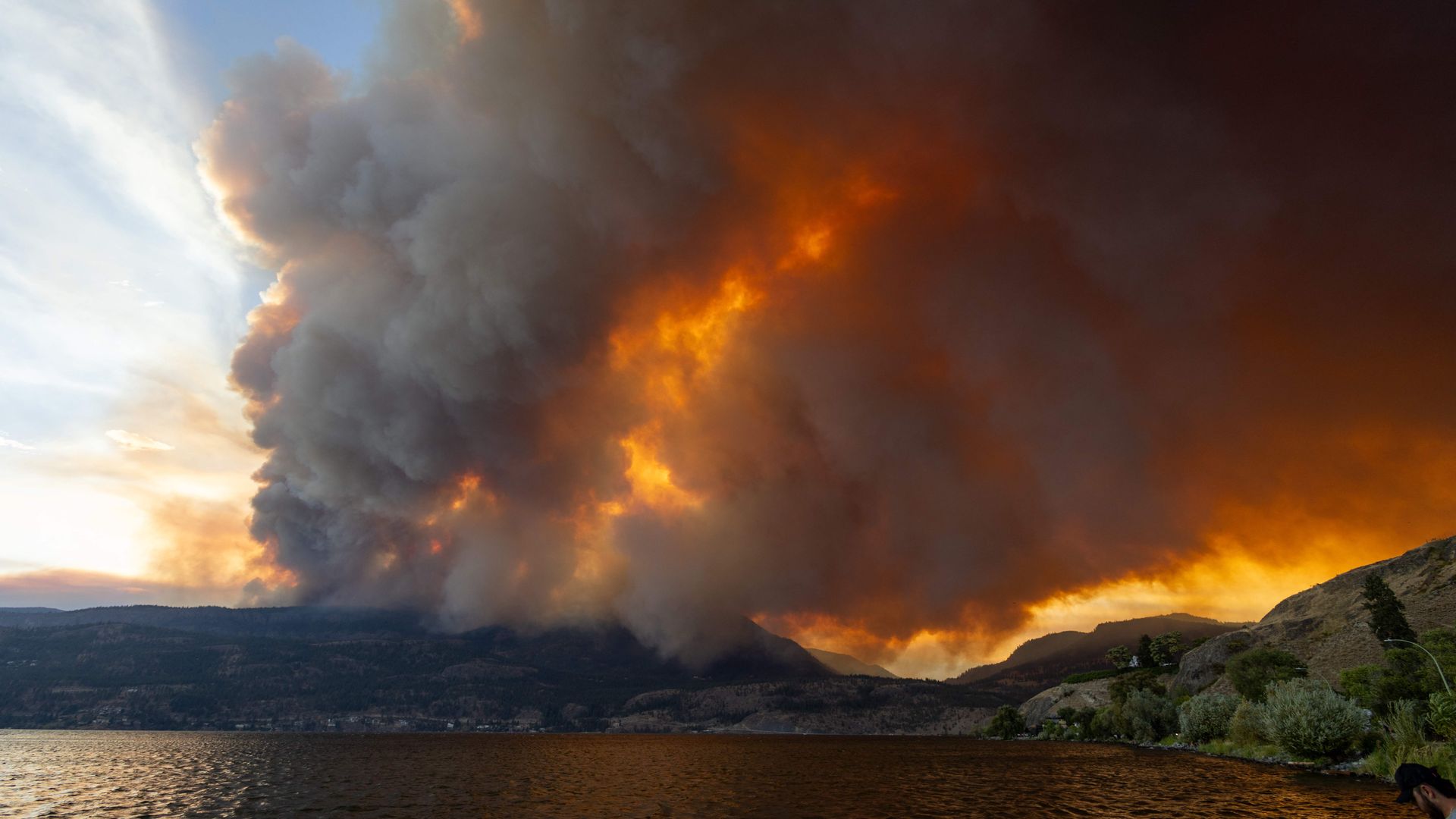
The 2023 Canadian wildfire season was the most catastrophic on record, consuming over 18.5 million hectares of land, displacing more than 230,000 residents, and causing billions of dollars in structural and ecological damage. Recovering from this level of devastation requires systematic land remediation, financial navigation, and the implementation of rigorous FireSmart prevention techniques to protect properties against future wildfire threats.
Understanding the Scale of the 2023 Canadian Wildfire Crisis
The 2023 wildfire season redefined the magnitude of climate-driven natural disasters in North America. Unlike typical years where fire activity concentrates within specific provinces, the 2023 fire season affected virtually every province and territory. Severe drought conditions, record ambient temperatures, and persistent lightning storms created an environment where fires ignited easily, merged rapidly, and burned with unprecedented intensity. Data recorded by the Canadian Interagency Forest Fire Centre (CIFFC) confirmed that the area burned in 2023 was more than six times the 10-year national average.
The societal and economic consequences extended far beyond burnt forest acreage. Major urban centers and remote communities faced severe air quality degradation, stretching thousands of kilometers into the eastern United States and parts of Western Europe. Industrial operations, including forestry, mining, and oil and gas extraction, experienced prolonged shutdowns. For rural homeowners, agricultural operators, and Indigenous communities, the fires caused widespread displacement, loss of structural property, severe loss of timber supply, and damaged vital civil infrastructure.
2023 CANADIAN WILDFIRE IMPACT AT A GLANCE
- Total Area Burned: ~18.5 Million Hectares (45.7 Million Acres)
- Peak Evacuations: > 230,000 Residents Displaced Nationally
- Primary Drivers: Multi-year Drought, Anomalous Heat, Dry Lightning
- Affected Regions: NWT, BC, AB, SK, QC, ON, NS, NB
Recovering from structural and environmental damage of this scale demands a clear understanding of immediate hazard mitigation, post-fire environmental restoration, and long-term risk reduction.
Immediate Post-Wildfire Recovery: Land, Soil, and Structural Remediation
Returning to a property after a major wildfire presents severe biological, chemical, and structural risks. Property owners must approach site assessment and cleanup with strict safety protocols before beginning reconstruction or land restoration.
- SITE SAFETY & HAZARD ASSESSMENT
- TOXIC ASH & DEBRIS REMEDIATION
- SOIL STABILIZATION & EROSION CONTROL
- WATERSHED & DRAINAGE RESTORATION
1. Hazardous Material Assessment and Safe Ash Removal
Wildfire ash contains toxic heavy metals, asbestos from destroyed older structures, polycyclic aromatic hydrocarbons (PAHs), and caustic alkalis. Prior to entering a burned property:
- Wear appropriate personal protective equipment (PPE), including an N95 or P100 respirator, heavy nitrile or leather gloves, eye protection, and full-body protective suits.
- Avoid disturbing dry ash to prevent fine particulate matter from becoming airborne. Mist ash deposits lightly with water before handling.
- Separate hazardous waste (batteries, propane tanks, household chemicals, electronic waste) from standard structural debris in accordance with local provincial waste disposal regulations.
2. Hydrophobic Soil Mitigation and Erosion Control
High-intensity fires melt organic compounds in the topsoil, creating a water-repellent layer known as hydrophobic soil. When rain falls on hydrophobic ground, water cannot infiltrate the soil, leading to flash flooding, soil erosion, and mudslides.
- Mechanical Scarification: Break up the hydrophobic surface layer using hand tools, rakes, or agricultural harrows to allow moisture penetration.
- Mulching: Apply a 2- to 4-inch layer of clean wood straw, agricultural straw, or wood hydromulch across exposed slopes to break the impact of raindrops and reduce runoff velocity.
- Wattles and Silt Fencing: Install biodegradable straw wattles or silt fences along terrain contours on slopes to capture sediment and slow water flow.
3. Protecting Local Watersheds and Water Supplies
Post-fire runoff carries heavy loads of ash, sediment, and nutrients (phosphorus and nitrogen) into domestic wells, streams, and municipal reservoirs.
- Test private drinking water wells for coliform bacteria, heavy metals, volatile organic compounds (VOCs), and turbidity before consumption.
- Install physical sediment barriers around wellheads and surface intake systems.
- Flush plumbing lines thoroughly if water systems lost pressure during the fire, as loss of pressure can draw contamination into distribution piping.
FireSmart Property Hardening: Structural Defensible Space Guidelines
Preventing property loss in future wildfire seasons requires applying the structural and vegetation management principles developed by FireSmart Canada. Wildfire destruction of homes is predominantly caused by windborne embers flying hundreds of meters ahead of the fire front, rather than direct flame contact.
- THE STRUCTURE
- Non-combustible roofing, siding, and ember-proof venting
- ZONE 1: IMMEDIATE ZONE (0 to 1.5 meters)
- Remove all combustible materials, mulch, firewood, and vegetation adjacent to walls.
- ZONE 2: INTERMEDIATE ZONE (1.5 to 10 meters)
- Create defensible space, thin tree crowns, remove ladder fuels, and plant deciduous species.
- ZONE 3: EXTENDED ZONE (10 to 30 meters)
- Reduce continuous forest fuels, clear surface debris, and maintain horizontal spacing.
The table below outlines the core FireSmart defensible space zones and the corresponding actions required to minimize structural ignition risk.
FireSmart Zone Management Guidelines
| FireSmart Zone | Distance from Structure | Primary Risk Factor | Required Mitigation & Prevention Actions |
|---|---|---|---|
| Immediate Zone | 0 to 1.5 meters (0–5 feet) | Direct ember accumulation & radiant heat ignition | Install non-combustible ground covers (gravel, river rock, concrete). Remove wood mulch, dried leaves, coniferous shrubs, stored firewood, and combustible furniture. |
| Intermediate Zone | 1.5 to 10 meters (5–30 feet) | Surface fires, ladder fuels, and crown transmission | Plant fire-resistant deciduous trees (aspen, birch, maple). Prune lower tree branches up to 2 meters from the ground. Maintain lawn grass under 10 cm in height. Separate tree crowns by at least 3 meters. |
| Extended Zone | 10 to 30 meters (30–100 feet) | High-intensity crown fires and severe radiant heat | Thin dense stands of coniferous trees (spruce, pine, fir). Remove deadfall, fallen logs, and heavy accumulation of forest leaf litter. Eliminate continuous canopy fuel chains. |
Home Hardening retrofits for High-Risk Areas
Beyond managing vegetation, retrofitting building materials dramatically increases a structure's survivability when exposed to intense radiant heat and ember storms:
- Roofing Systems: Install Class A fire-rated roofing materials such as metal, asphalt shingles, concrete, or clay tile. Ensure all gaps beneath barrel tiles or metal panels are capped with non-combustible flashing to prevent ember entry.
- Eaves and Venting: Retrofit attic, soffit, and foundation vents with non-corrosive metal mesh screening no larger than 1.8 mm (1/16 inch). Standard 1/4-inch mesh allows windblown embers to penetrate attic spaces and ignite insulation.
- Exterior Cladding: Replace vinyl or wood siding with fire-resistant materials such as fiber-cement board, stucco, brick, or metal cladding. Ensure siding extends down to ground level or meets a non-combustible base.
- Glazing and Windows: Install dual-pane tempered glass windows. Tempered glass resists thermal shock and cracking significantly better than annealed single-pane glass, preventing embers from entering living areas during a fire pass.
Landscape-Level Fire Prevention and Community Forest Management
Individual home retrofits must be supported by broader landscape management to alter fire behavior on a regional scale. Natural Resources Canada’s Canadian Forest Service researches forest fuels, fire dynamics, and landscape mitigation.
- LANDSCAPE MITIGATION
- FUEL REDUCTION: Thinning dense conifer stands & deadwood
- PRESCRIBED BURNING: Controlled low-intensity burns of surface fuels
- SHADED FUELBREAKS: Reduce canopy mass along critical wildland interfaces
1. Forest Fuel Reduction and Selective Thinning
Over decades of strict fire suppression, Canadian forests accumulated massive volumes of surface fuel and overcrowded understory vegetation. Selective thinning removes small-diameter trees, deadwood, and underbrush, transforming dense, high-hazard fuels into open, resilient forest stands.
2. Prescribed Fire (Controlled Burns)
Prescribed burning involves intentionally applying low-intensity surface fire under strict meteorological and safety conditions. Prescribed burns consume accumulated dead leaves, pine needles, and brush without damaging mature forest canopies. This process mimics natural historical fire cycles, depriving potential catastrophic wildfires of the fuel needed to sustain extreme intensity.
3. Establishing Shaded Fuelbreaks
A shaded fuelbreak is a strategically managed strip of land—often located between dense wilderness areas and populated communities—where tree canopies are thinned and lower limbs trimmed, but mature canopy trees remain. The canopy shades the ground, suppressing the growth of fast-burning sun-loving shrubs while reducing wind speeds near the forest floor, allowing firefighters to safely make a stand.
4. Transitioning to Fire-Resistant Vegetation
Replacing highly flammable coniferous tree species (such as Black Spruce, White Spruce, and Lodgepole Pine) with fire-resistant deciduous species (such as Trembling Aspen, Balsam Poplar, and White Birch) alters fire propagation. Deciduous trees maintain high leaf moisture content throughout the fire season and lack the volatile resins present in conifers, acting as natural firebreaks.
Navigating Insurance Claims and Financial Recovery
Rebuilding after a wildfire requires navigating complex financial and administrative processes. Homeowners and business owners must act systematically to secure insurance entitlements and access government disaster recovery programs.
- DISASTER INCIDENT
- CONTACT INSURANCE PROVIDER
- DETAILED INVENTORY & DAMAGE DOCUMENTATION
- SUBMIT CLAIMS & APPLY FOR PROVINCIAL DFA
- REBUILD TO FIRESMART & BUILDING CODES
1. Documenting Property Loss
Before clearing debris or starting reconstruction:
- Photograph and video every damaged structure, outdoor feature, vehicle, and item of personal property from multiple angles.
- Compile an itemized room-by-room inventory listing original purchase dates, estimated replacement values, serial numbers, and receipts where available.
- Do not dispose of damaged items until an insurance adjuster has inspected them, unless instructed to do so by local health authorities due to sanitation risks.
2. Navigating Insurance Policy Coverage
Standard homeowners policies in Canada generally cover structural fire damage, smoke damage, and Additional Living Expenses (ALE).
- Additional Living Expenses (ALE): ALE covers temporary accommodation, food expenses, transportation, and essential purchases incurred while displaced by an evacuation order or rebuild process. Retain all receipts for reimbursement.
- Mass Evacuation Coverage: Most policies provide coverage for ALE for a limited duration (typically 14 to 30 days) when a civil authority orders a mandatory evacuation, even if the primary home suffers no structural physical damage.
- Depreciation vs. Replacement Cost: Clarify whether your policy compensates on an Actual Cash Value (ACV) basis (depreciated value) or a Guaranteed Replacement Cost (GRC) basis (cost to rebuild/replace with materials of like kind and quality without depreciation deduction).
3. Provincial Disaster Financial Assistance (DFA)
In events where insurance coverage is unavailable or insufficient for uninsable infrastructure (such as private roads, farm fences, or specific land restoration), property owners should apply for provincial Disaster Financial Assistance programs (such as Alberta’s Disaster Recovery Program or BC’s Disaster Financial Assistance).
Frequently Asked Questions
What made the 2023 Canadian wildfire season worse than previous years?
A combination of multi-year precipitation deficits, record-high winter and spring temperatures, early snowmelt, and persistent atmospheric blockings created exceptionally dry forest fuels across multiple provinces simultaneously. When dry lightning storms passed over these regions, thousands of fires ignited concurrently, overwhelming national suppression capacity.
How soon after a wildfire can I safely return to my property?
You should only return after civil authorities officially lift mandatory evacuation orders and issue structural and environmental safety clearances. Local utility providers must first restore safe electrical service, inspect municipal or private natural gas lines, confirm water safety, and declare the area free from downed power lines and hazardous trees.
How do I remove smoke odor and toxic soot from inside my home?
Replace all HVAC air filters with high-efficiency particulate air (HEPA) filters or MERV 13+ rated media filters. Have professional disaster restoration technicians use thermal fogging, ozone generators (when the home is unoccupied), or hydroxyl generators to neutralize smoke molecules trapped in drywall, framing, and soft furnishings. Clean hard surfaces thoroughly with tri-sodium phosphate (TSP) or specialized detergent solutions.
Which plants are most fire-resistant for residential landscaping in Canada?
Fire-resistant plants generally feature supple leaves, high water content, water-like sap (not resinous or aromatic), and low accumulation of dead wood. Examples include deciduous trees (Trembling Aspen, Paper Birch, Sugar Maple), native perennials (Hosta, Daylily, Yarrow), and ground covers (Russian Sage, Cotoneaster). Avoid planting volatile conifers like Juniper, Cedar, Spruce, or Mugo Pine near structures.
Does building a FireSmart home increase total construction costs?
Incorporating FireSmart principles into new construction generally adds less than 2% to total construction costs. Simple choices—such as selecting Class A asphalt or metal roofing, fiber-cement siding, metal vent screens, and non-combustible gravel perimeter borders—cost roughly the same as traditional flammable alternatives while dramatically lowering structural ignition risk.
Practical Action Plan for Property Owners and Municipalities
Protecting communities from future wildfire events requires ongoing maintenance, planning, and community participation. Use this actionable checklist to prepare your home and property for upcoming wildfire seasons:
ANNUAL FIRESMART ACTION CHECKLIST
- Clear leaves, pine needles, and debris from roofs, gutters, and decks.
- Maintain a 1.5-meter non-combustible perimeter around all structures.
- Store firewood and propane tanks at least 10 meters away from the house.
- Install 1.8 mm non-corrosive metal mesh over all attic and soffit vents.
- Prune lower branches on evergreen trees up to 2 meters from ground level.
- Develop and practice a household emergency evacuation plan with two routes.
- Prepare a portable 72-hour emergency kit for all family members and pets.
By combining immediate land restoration techniques with structural hardening, vegetation management, and comprehensive financial planning, homeowners and municipalities can recover effectively from past disasters and build lasting resilience against future wildfire seasons.