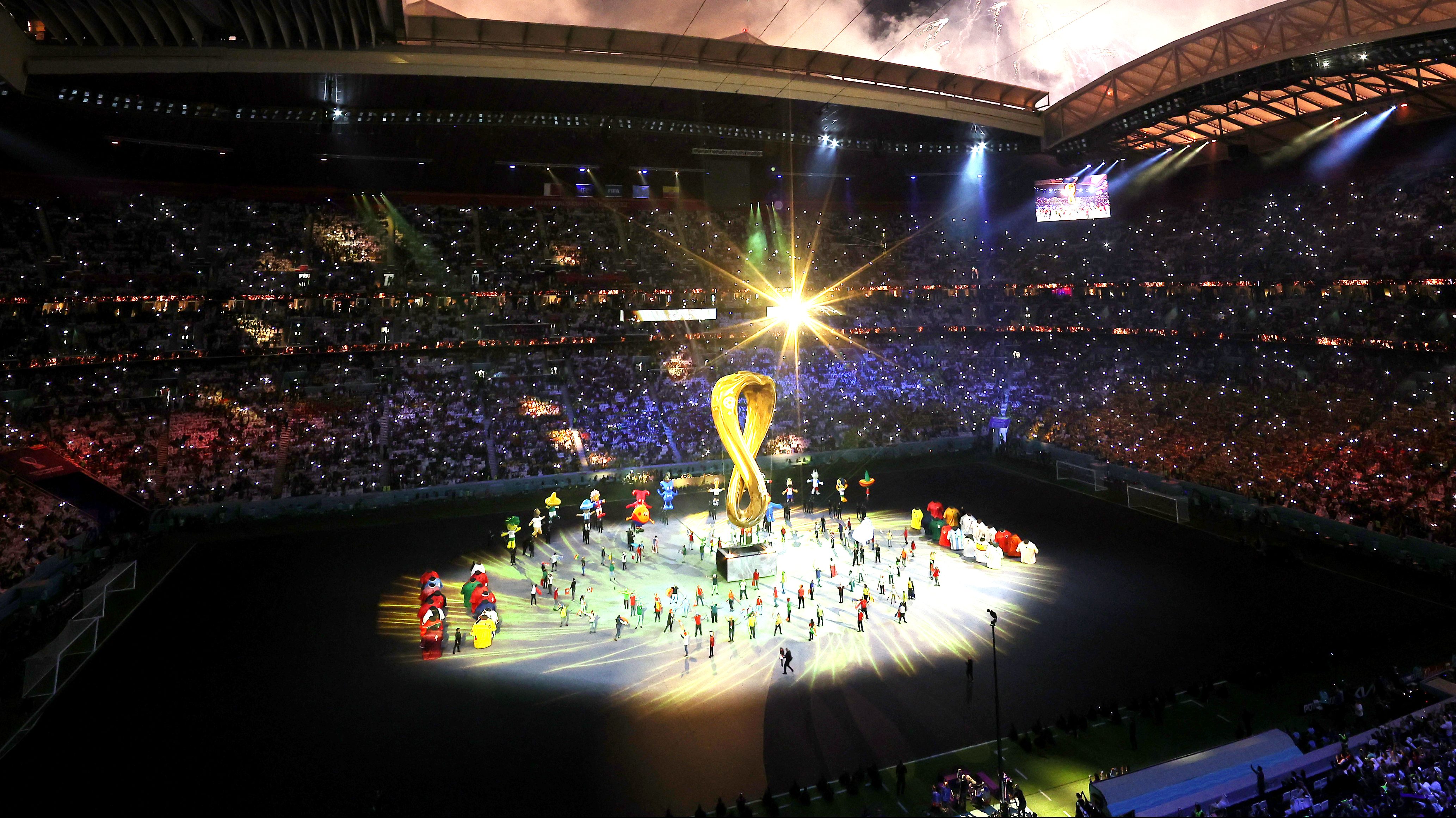
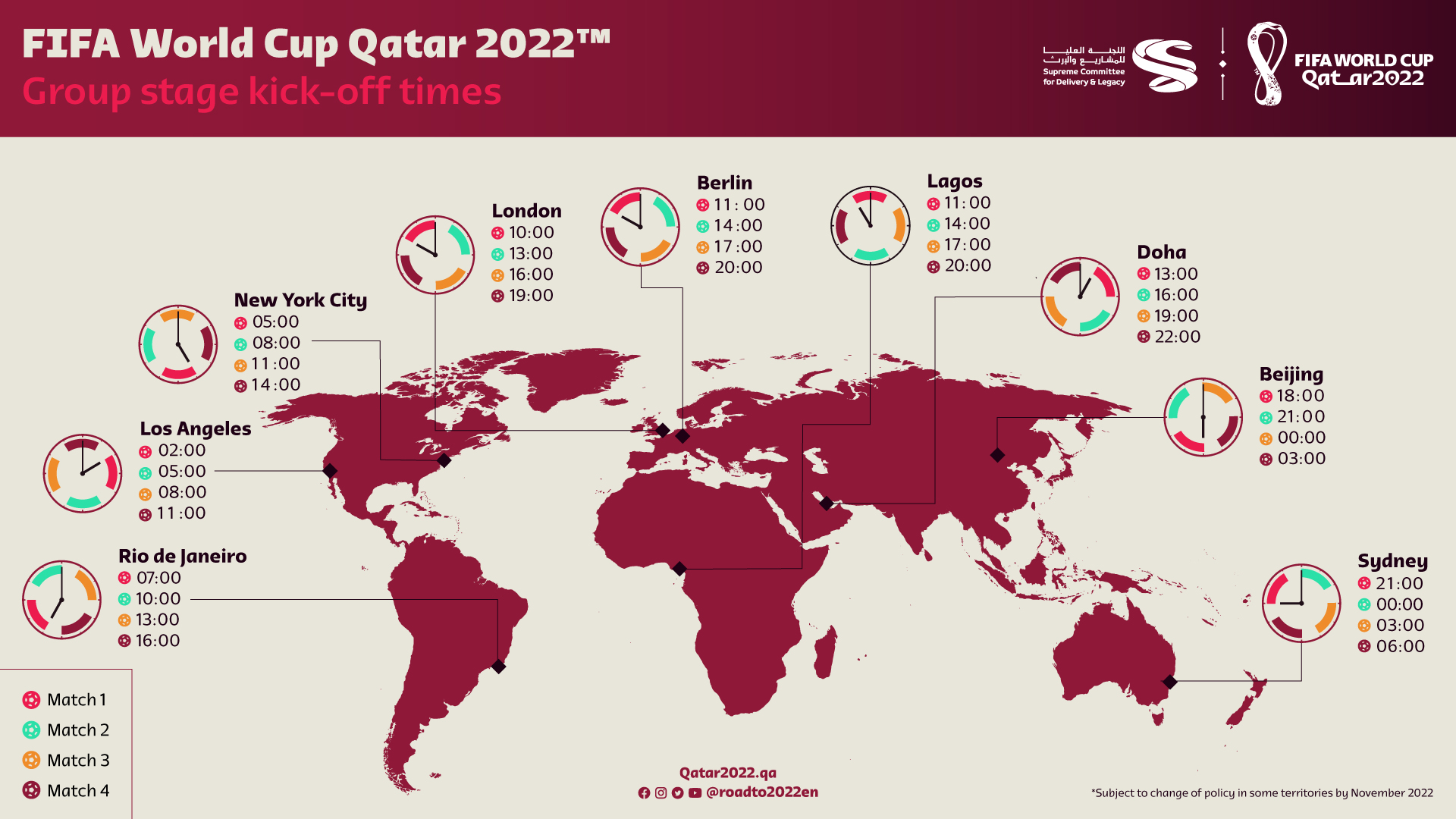
The FIFA World Cup Qatar 2022 marked a historic milestone as the first tournament hosted in the Middle East and the first held during the Northern Hemisphere's winter. Featuring 32 national teams across eight state-of-the-art stadiums, the tournament culminated in Argentina’s victory over France in one of football’s greatest final matches.
Tournament Overview and Unprecedented Scheduling
The 2022 World Cup in Qatar represented a major departure from traditional tournament scheduling. To protect players and spectators from the extreme summer heat of the Persian Gulf, FIFA shifted the tournament dates from the traditional June–July window to November 20 through December 18, 2022. This shift required European and international domestic leagues to pause their club seasons mid-year, creating a unique competitive dynamic where players arrived at peak mid-season fitness rather than post-season exhaustion.
As the final edition of the World Cup to feature the 32-team format established in 1998, Mundial Qatar 2022 delivered unprecedented competitive parity. The group stage saw major upsets, including Saudi Arabia defeating eventual champions Argentina, Japan topping a group containing Germany and Spain, and Morocco becoming the first African and Arab nation to reach the World Cup semi-finals.
The tournament’s compact geographical footprint was another defining characteristic. All eight stadiums were located within a 35-mile radius of central Doha. This proximity allowed fans to attend multiple matches in a single day—a feat impossible in sprawling host nations like Brazil (2014) or Russia (2018), and structurally unrepeatable in expanded multi-nation formats.
Infrastructure and Fan Logistics: The Hayya Card System
Organizing an event of this scale in a geographically concentrated area required digital coordination and infrastructure investment. Central to Qatar’s operational strategy was the Hayya Card, a mandatory digital permit for all ticket holders.
- Entry Visa: Streamlined border control for international fans
- Match Pass: Verified entry ticket integration at gates
- Transport: Free access to Metro, Tram, and Stadium Buses
The Hayya Card served three functions throughout the tournament:
- Entry Visa: It acted as an official entry visa for international visitors entering the State of Qatar between November and December 2022.
- Venue Access: It served as the secondary verification mechanism alongside physical or mobile match tickets at stadium turnstiles.
- Public Transit Integration: Cardholders received free, unlimited travel on the newly constructed Doha Metro network, light rail systems, and dedicated tournament bus routes.
To move hundreds of thousands of supporters daily, Qatar expanded public transit infrastructure. The driverless Doha Metro operated 110 trains across three main lines (Red, Green, and Gold), connecting key fan zones, city hubs, and seven of the eight stadiums directly. The remaining venue, Al Bayt Stadium in Al Khor, was serviced by express shuttle bus networks operating from dedicated metro stations.
Architectural Breakdown of the Eight Stadiums
Qatar constructed seven new venues and renovated one historical stadium for the 2022 tournament. Each stadium incorporated advanced climate control technology, utilizing solar-powered cooling systems designed to maintain pitch and bowl temperatures around 20°C (68°F), regardless of ambient conditions.
Lusail Iconic Stadium (Lusail)
With a seating capacity of 88,966, Lusail Stadium was the flagship venue of the tournament. Designed by Foster + Partners, its exterior featured a shimmering golden vessel design inspired by traditional fanar lanterns and handcrafted bowls. Lusail hosted ten matches, including the final on December 18, 2022.
Al Bayt Stadium (Al Khor)
Modeled after the bayt al sha'ar—traditional tents used by nomadic peoples in Qatar’s desert regions—this 68,895-capacity venue featured a retractable roof structure. Located in the northern city of Al Khor, it hosted the opening ceremony and match between Qatar and Ecuador.
Stadium 974 (Doha)
Constructed from 974 recycled steel shipping containers and modular steel frames, Stadium 974 (capacity 44,089) was built along the Gulf coast. Named after Qatar’s international dialing code, it was engineered as the first fully demountable venue in World Cup history, designed to be repurposed or reassembled post-tournament.
Education City Stadium (Al Rayyan)
Situated within Qatar’s academic hub, this 44,667-capacity stadium featured a geometric facade that reflected sunlight by day and illuminated at night. Its thermal engineering minimized energy consumption for climate control.
Ahmad bin Ali Stadium (Al Rayyan)
Located on the edge of the desert, Ahmad bin Ali Stadium (capacity 45,032) integrated elements of Qatari culture and flora into its complex patterned facade. It served as the home venue for several high-intensity group stage fixtures.
Al Janoub Stadium (Al Wakrah)
Designed by Zaha Hadid Architects, Al Janoub Stadium (capacity 44,325) paid homage to Al Wakrah's maritime history. Its curved, aerodynamic roof mirrored the sails of traditional dhow boats.
Khalifa International Stadium (Doha)
Originally opened in 1976, Khalifa International Stadium underwent extensive renovations prior to 2022. Upgraded to hold 45,857 spectators, it retained its dual arches while incorporating modernized cooling tech and lighting.
Al Thumama Stadium (Doha)
Inspired by the gahfiya—a traditional woven cap worn by men across the Arab world—Al Thumama Stadium (capacity 44,400) emphasized regional cultural identity through its white circular exterior structure.
Complete Stadium and Legacy Overview
The following table summarizes the specifications, match allocations, and structural designs for all eight venues of Mundial Qatar 2022:
| Stadium Name | Capacity | Primary Architectural Theme | Key Matches Hosted | Legacy Conversion Plan |
|---|---|---|---|---|
| Lusail Iconic Stadium | 88,966 | Traditional fanar lantern & bowl | 6x Group, R16, QF, SF, Final | Capacity reduction; conversion to community center, schools, & shops |
| Al Bayt Stadium | 68,895 | Bedouin nomadic tent (bayt al sha'ar) | 6x Group, R16, QF, SF (Opening Match) | Upper tier removed (to ~32,000); 5-star hotel & sports medicine facility |
| Stadium 974 | 44,089 | Shipping containers & modular steel | 6x Group, Round of 16 | Complete deconstruction; materials designated for overseas projects |
| Education City Stadium | 44,667 | Geometric diamond patterns | 6x Group, R16, Quarter-final | Capacity reduced to 20,000; serving university athletic programs |
| Ahmad bin Ali Stadium | 45,032 | Qatari culture & sand dune motifs | 6x Group, Round of 16 | Capacity reduced to 20,000; home to Al Rayyan SC |
| Al Janoub Stadium | 44,325 | Dhow boat maritime sails | 6x Group, Round of 16 | Upper tier removed (to ~20,000); home to Al Wakrah SC |
| Khalifa International | 45,857 | Dual structural arches | 6x Group, R16, 3rd Place Playoff | Retained full capacity as Qatar’s national stadium |
| Al Thumama Stadium | 44,400 | Traditional gahfiya cap | 6x Group, R16, Quarter-final | Upper tier removed (to 20,000); boutique hotel & FIFA clinic |
On-Field Narrative: Path to the Final
The tournament delivered tactical variations and individual performances. Defending champions France showed offensive fluidity through Kylian Mbappé and Antoine Griezmann, while Morocco relied on a defensive setup organized by manager Walid Regragui, allowing only one non-own-goal before the semi-finals.
- Knockout Bracket Summary (Final Stages)
- Quarter-finals:
- Argentina (4) vs Netherlands (3)
- Croatia (4) vs Brazil (2)
- England (1) vs France (2)
- Morocco (1) vs Portugal (0)
- Semi-finals:
- Argentina (3) vs Croatia (0)
- France (2) vs Morocco (0)
- Final (Lusail Stadium):
- Argentina (4)* vs France (2) *(3-3 AET, PENS)
- Quarter-finals:
Argentina's campaign began with a 2-1 defeat against Saudi Arabia in Group C. Tactical adjustments by head coach Lionel Scaloni—including integrating young players Julian Álvarez, Alexis Mac Allister, and Enzo Fernández into the starting lineup—stabilized the squad.
The final match at Lusail Stadium on December 18, 2022, is considered one of the most compelling matches in international sports history:
- First Half Dominance: Argentina opened a 2-0 lead through a Lionel Messi penalty and a counter-attacking goal finished by Ángel Di María.
- French Resurgence: Kylian Mbappé scored twice within 97 seconds late in the second half (80' penalty, 81' volley) to force extra time at 2-2.
- Extra Time Drama: Lionel Messi scored his second goal in the 108th minute, but Mbappé completed a hat-trick with another penalty in the 118th minute to tie the match 3-3.
- Penalty Shootout: Argentina goalkeeper Emiliano Martínez saved Kingsley Coman's penalty, while Aurélien Tchouaméni shot wide. Argentina converted all four of their spot-kicks, securing a 4-2 shootout victory and their third World Cup title (1978, 1986, 2022).
Individual Honors and Award Winners
Official tournament performance data and individual awards were verified by FIFA technical observers at the conclusion of the event:
- Golden Ball (Best Player): Lionel Messi (Argentina) — Became the first player in history to win two Golden Balls (2014, 2022), recording seven goals and three assists.
- Golden Boot (Top Scorer): Kylian Mbappé (France) — Scored eight goals, including three in the final match, becoming the first player to score a hat-trick in a men's final since Geoff Hurst in 1966.
- Golden Glove (Best Goalkeeper): Emiliano Martínez (Argentina) — Recorded three clean sheets and delivered key penalty shootout saves in the quarter-finals and final.
- Young Player Award: Enzo Fernández (Argentina) — The 21-year-old midfielder featured in all seven matches, anchoring Argentina's central field.
- FIFA Fair Play Trophy: England — Awarded for recording the lowest disciplinary tally during the tournament (one yellow card across five matches).
Detailed tournament performance archives and technical reports remain available through the official FIFA Training Centre Archive.
Infrastructure and Legacy: Post-Tournament Assessment
Qatar’s investment in the 2022 World Cup extended beyond the eight sporting venues. Estimates place the broader infrastructure spending—including the Doha Metro, Hamad International Airport expansion, new highways, and hotel infrastructure—at over $200 billion. These developments formed a core component of the country's national development policy, the Qatar National Vision 2030.
Stadium Reconfiguration
Unlike previous mega-event host cities left with underutilized infrastructure, Qatar developed modular designs for several venues:
- Over 170,000 modular seats were slated for dismantling post-tournament to be donated to developing nations needing sporting infrastructure.
- Stadium 974 was scheduled for total dismantling to free up valuable waterfront real estate.
- Facilities like Al Bayt and Al Thumama initiated transformations into mixed-use developments featuring local sports clubs, shopping centers, and specialized medical clinics like Aspetar.
Sporting and Cultural Legacy
By becoming the first Arab country to host the FIFA World Cup, Qatar demonstrated that major global events can be successfully executed in non-traditional geographic regions during non-traditional months. The tournament’s operational execution influenced planning for subsequent multi-host and geographically diverse events.
Frequently Asked Questions
Why was the 2022 World Cup played in November and December?
The tournament was moved to November and December due to extreme summer temperatures in Qatar, which routinely exceed 40°C (104°F) in June and July. Playing during the winter months provided average temperatures around 24°C (75°F), creating safer conditions for players and fans.
What made Stadium 974 unique in World Cup history?
Stadium 974 was built using 974 certified shipping containers and modular structural steel frames. It was the first fully demountable stadium in FIFA World Cup history, designed to be completely dismantled, reassembled, or repurposed after the tournament ended.
How did fan transport work during Mundial Qatar 2022?
Fans used the Hayya Card, which provided free access to the Doha Metro, public buses, and stadium shuttles. Because all stadiums were located within 35 miles of central Doha, supporters could travel efficiently between venues, fan zones, and accommodation hubs using public transit.
Which team won the 2022 FIFA World Cup?
Argentina won the 2022 World Cup by defeating France in the final. After the match finished tied 3-3 following extra time, Argentina won the penalty shootout 4-2, earning their third World Cup title.
Who won the individual awards at Qatar 2022?
Lionel Messi (Argentina) won the Golden Ball as the tournament's best player. Kylian Mbappé (France) earned the Golden Boot with eight goals. Emiliano Martínez (Argentina) received the Golden Glove as the top goalkeeper, and Enzo Fernández (Argentina) won the Young Player Award.
Next Steps for Fans and Researchers
To dive deeper into the technical, statistical, and architectural aspects of Mundial Qatar 2022, explore these authoritative resources:
- Review detailed match reports, tactical breakdowns, and historical data logs on the official FIFA World Cup Archive.
- Consult the architectural designs and urban planning documents published by the Supreme Committee for Delivery & Legacy.
- Access technical analysis performance data provided by the FIFA Technical Study Group.