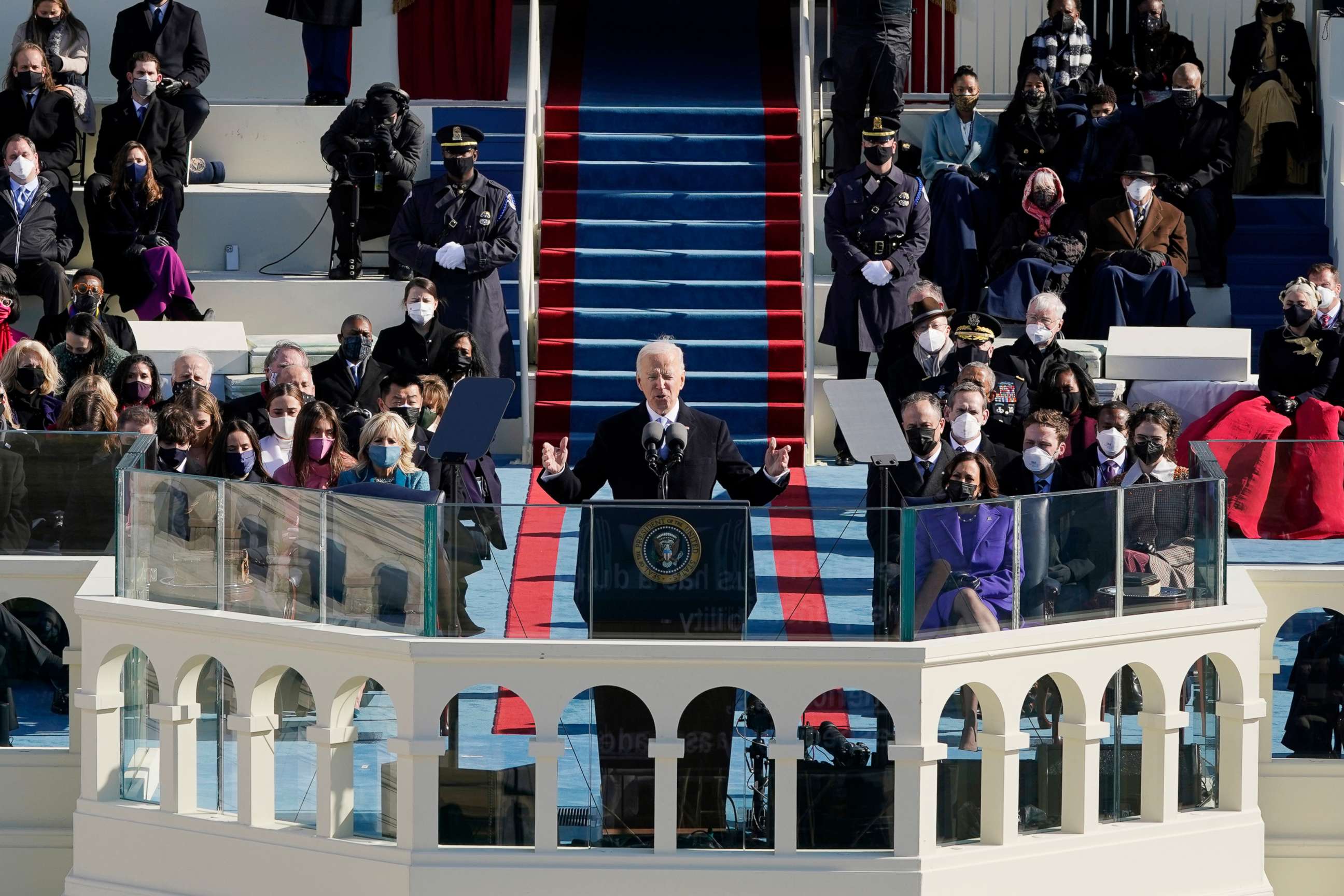
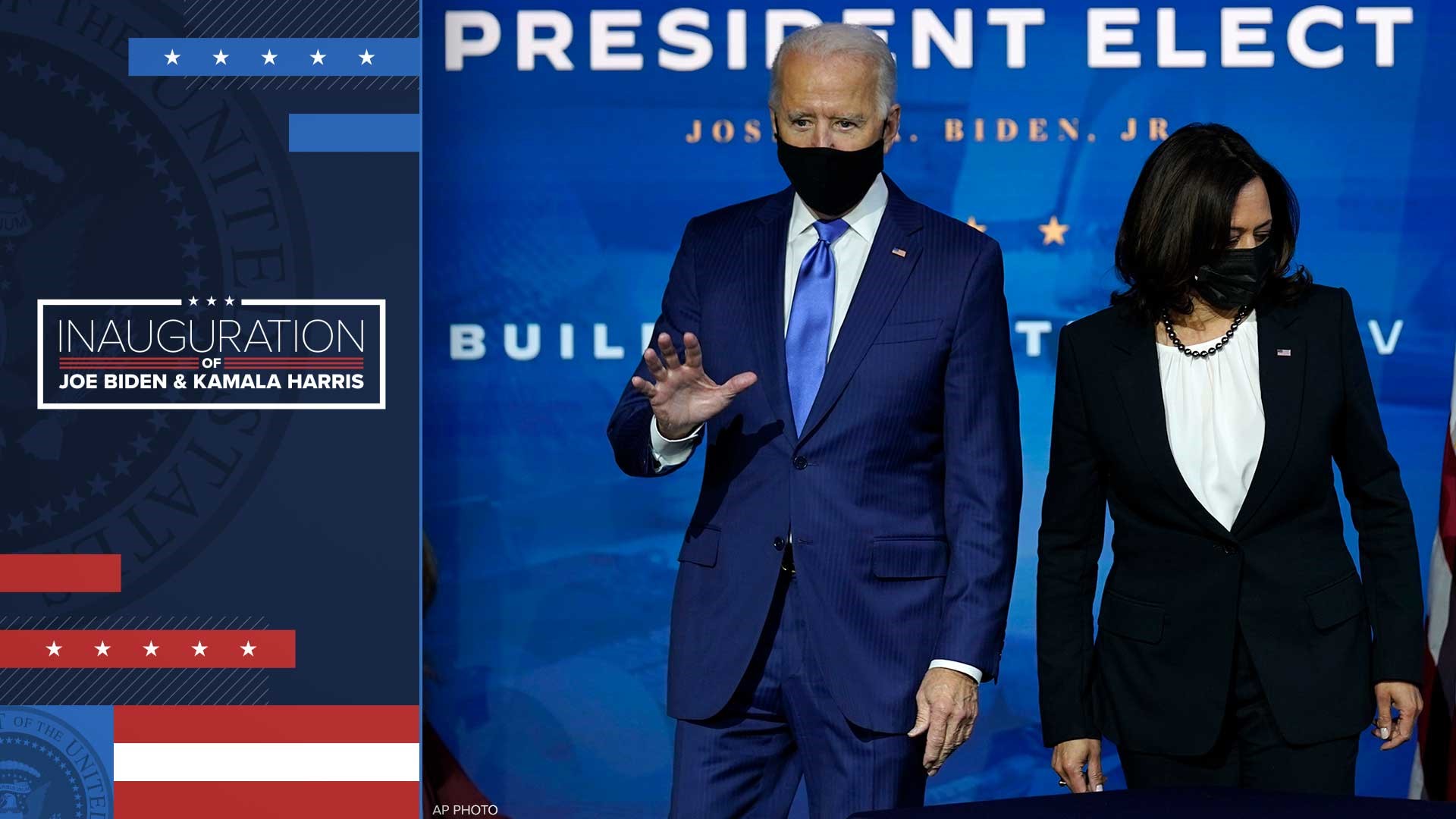
The 2021 inauguration of Joe Biden as the 46th President of the United States and Kamala Harris as the 49th Vice President took place on January 20, 2021. Held at the West Front of the U.S. Capitol, the event was characterized by stringent COVID-19 health protocols, heightened security following the January 6 Capitol riot, and the historic swearing-in of the first female, first African American, and first South Asian American vice president.
Planning and Execution Under Unprecedented Conditions
The 59th Presidential Inauguration was a departure from nearly every historical precedent due to two primary factors: the global COVID-19 pandemic and the volatile security climate in Washington, D.C. Traditionally, inaugurations are massive public gatherings designed to signal the peaceful transfer of power. However, in 2021, the Joint Congressional Committee on Inaugural Ceremonies (JCCIC) and the Presidential Inaugural Committee (PIC) had to re-envision the entire event to ensure public safety while maintaining the dignity of the constitutional requirement.
Public health restrictions necessitated a strictly limited guest list. Instead of the usual 200,000 tickets distributed to members of Congress for their constituents, attendance was restricted to members of the 117th Congress and one guest each, totaling approximately 1,000 attendees. To fill the visual void on the National Mall, the PIC commissioned the "Field of Flags," a massive public art installation consisting of 191,500 U.S. flags and 56 pillars of light representing the states and territories. This allowed for a symbolic representation of the American people who could not safely gather in person.
Security measures were equally unprecedented. Following the events at the Capitol on January 6, the Department of Homeland Security designated the inauguration a National Special Security Event (NSSE). Over 25,000 National Guard troops were deployed to the district, and a "Green Zone" was established, cordoning off much of downtown Washington. This high-security posture, while necessary for the safety of the proceedings, resulted in a fortified atmosphere that differed sharply from the festive environments of previous years.
The Ceremonial Highlights and Oaths of Office
The ceremony officially began mid-morning on January 20, 2021. Chief Justice John Roberts administered the oath of office to Joseph Robinette Biden Jr. at 11:49 AM ET, slightly ahead of the constitutionally mandated noon transition. Biden took the oath using a five-inch-thick family Bible that had been in his family since 1893—the same one he used for his vice presidential and senatorial swearings-in.
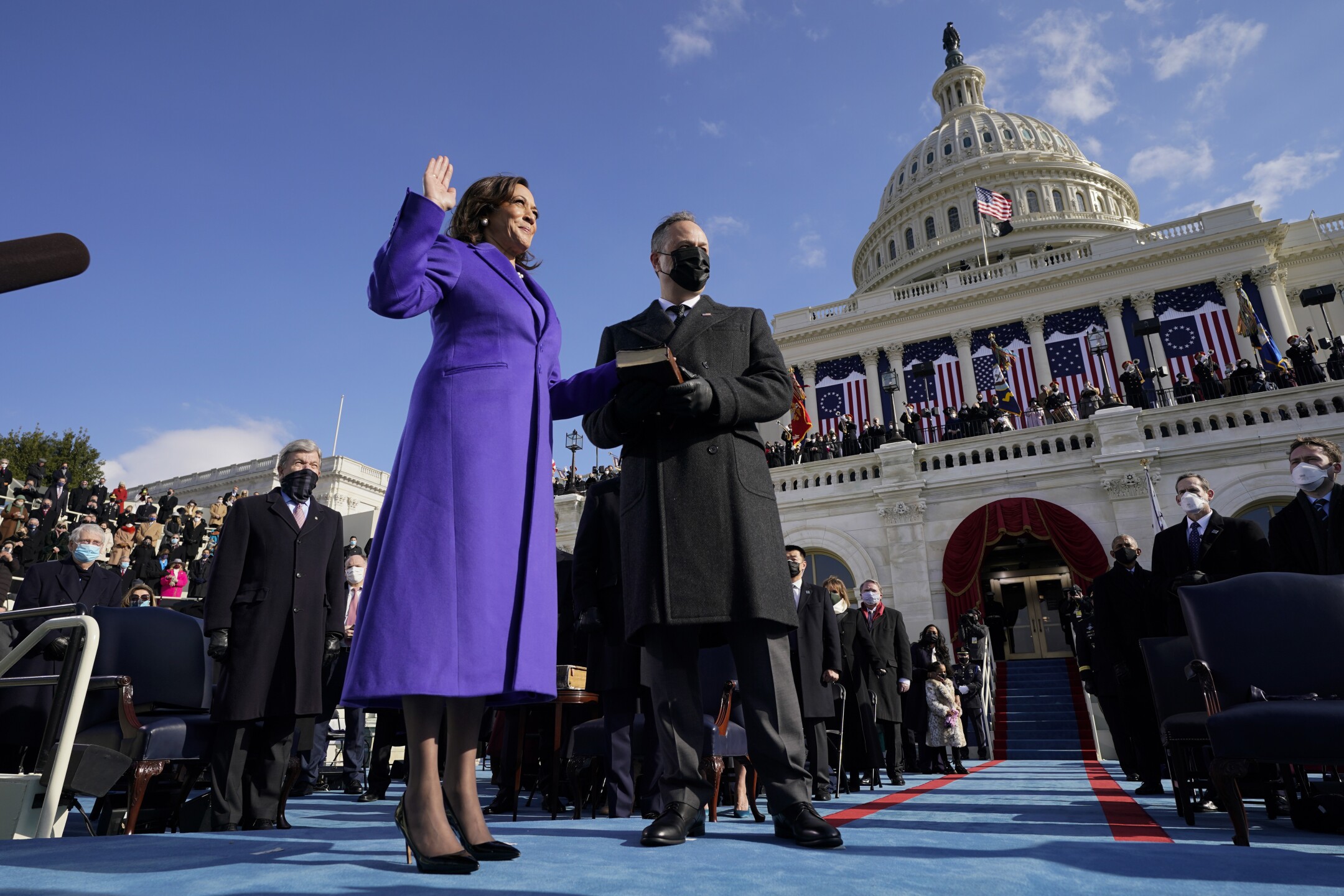
Moments earlier, Kamala Devi Harris was sworn in as Vice President by Associate Justice Sonia Sotomayor, the first woman of color to serve on the Supreme Court. Harris used two Bibles: one belonging to Regina Shelton, a close family friend and maternal figure, and another that belonged to Thurgood Marshall, the first African American Supreme Court Justice. This moment was widely recognized as a significant milestone in American political history, breaking centuries of gender and racial barriers in the executive branch.
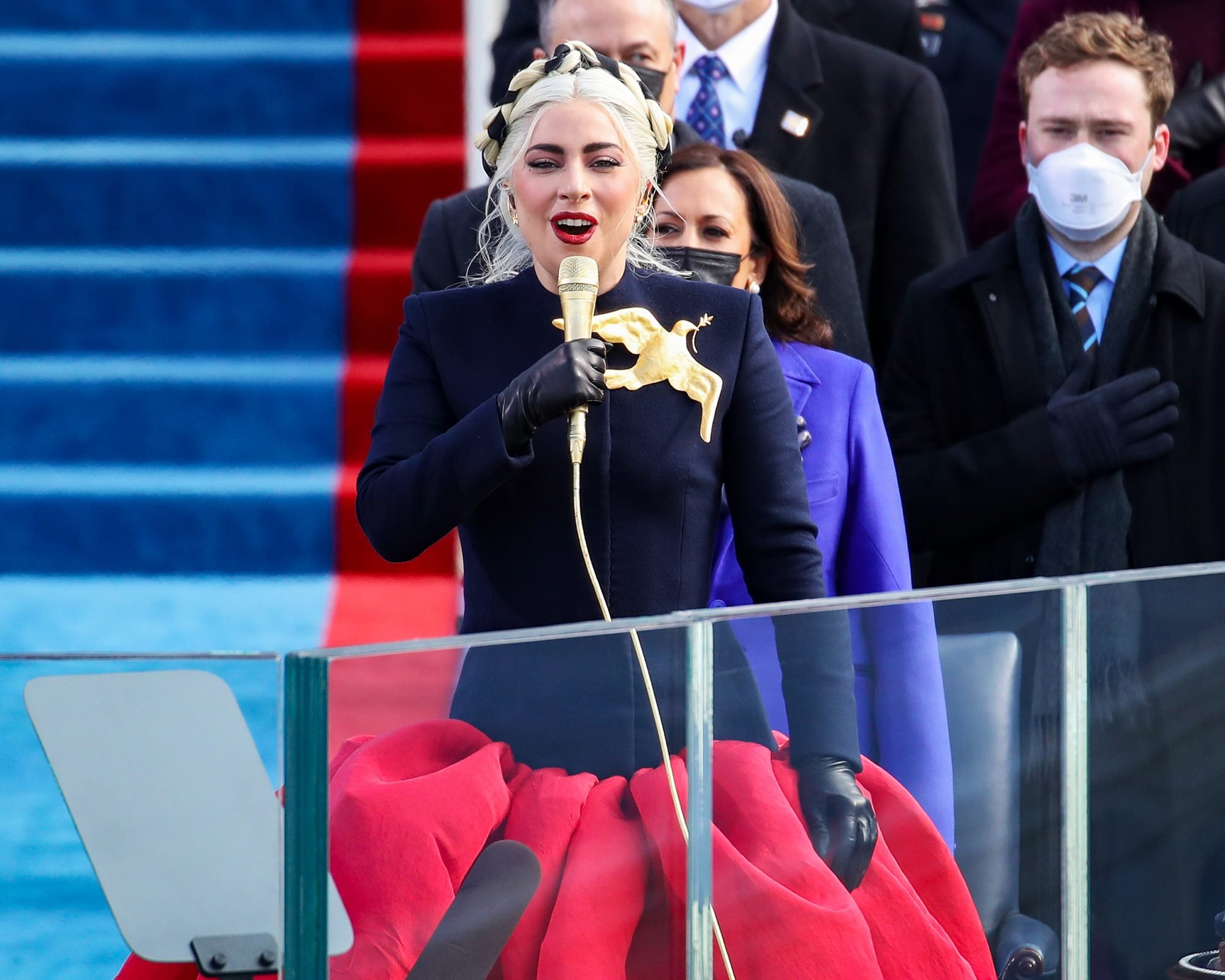
The cultural program of the inauguration featured a diverse array of American artists. Lady Gaga performed the national anthem, wearing a symbolic golden dove brooch. Jennifer Lopez performed a medley of "This Land Is Your Land" and "America the Beautiful," and Garth Brooks sang "Amazing Grace." A breakout moment of the ceremony was the reading of the inaugural poem, "The Hill We Climb," by 22-year-old Amanda Gorman. As the youngest inaugural poet in U.S. history, Gorman’s message of resilience and unity resonated deeply with a global audience and became one of the most discussed segments of the day.
Themes of the Inaugural Address: "America United"
President Biden’s inaugural address lasted approximately 21 minutes and focused heavily on the theme of national unity. He characterized the current moment as one of "historic crisis and challenge," referencing the pandemic, economic inequality, climate change, and racial injustice. A significant portion of the speech was dedicated to condemning the political polarization that had intensified in the preceding years, calling for an end to the "uncivil war" between red and blue, rural and urban, and conservative and liberal factions.
Biden utilized the address to reassure international allies that "America has been tested and we have come out stronger for it," promising to repair alliances and engage with the world once again. Domestically, he emphasized the need for truth in public discourse, stating that there are "facts and there are lies" and that leaders have a duty to defend the truth. The tone was somber yet optimistic, focusing on the restoration of democratic norms rather than the populist rhetoric seen in the 2017 address.
Comparative Overview of Recent Inaugural Ceremonies
To understand the scale and unique nature of the 2021 event, it is helpful to compare it to previous ceremonies. The following table highlights the differences in attendance, security, and format.
| Feature | 2013 (Obama) | 2017 (Trump) | 2021 (Biden) |
|---|---|---|---|
| Estimated Public Attendance | ~1 Million | ~160,000–250,000 | Restricted (N/A) |
| Security Personnel | ~13,000 | ~28,000 | ~25,000+ National Guard |
| National Mall Usage | Public Access | Public Access | Closed; "Field of Flags" |
| Traditional Parade | Full In-person | Full In-person | "Virtual Parade Across America" |
| Evening Festivities | Multiple Official Balls | Three Official Balls | "Celebrating America" Special |
| Outgoing President | Attended | Attended | Absent (Trump) |
Immediate Executive Actions and Policy Shifts
The 2021 inauguration was immediately followed by a flurry of executive activity, signaling a rapid shift in federal priorities. President Biden signed 17 executive orders, memorandums, and proclamations within hours of being sworn in—a record number of "Day One" actions compared to his predecessors. These actions were designed to dismantle key policies of the previous administration and address the immediate needs of the pandemic.
Key actions included:
- Rejoining the Paris Agreement: Formally notifying the United Nations that the U.S. would rejoin the global effort to combat climate change.
- Re-engaging with the WHO: Reversing the withdrawal from the World Health Organization and appointing Dr. Anthony Fauci as the head of the U.S. delegation.
- The 100-Day Masking Challenge: Launching a mandate for masks and social distancing on federal property and by federal employees.
- Ending the "Travel Ban": Rescinding the restrictions on entry into the U.S. from several primarily Muslim and African countries.
- Regulatory Freeze: Halting new regulations from the previous administration to allow for review.
These actions established the "Biden-Harris" branding and set the stage for a legislative agenda focused on COVID-19 relief (the American Rescue Plan) and infrastructure.
Participation and Notable Absences
One of the most discussed aspects of the 2021 inauguration was the breach of tradition regarding the attendance of the outgoing president. Donald Trump became the first president since Andrew Johnson in 1869 to decline to attend his successor’s inauguration. He departed the White House on the morning of January 20 for his Mar-a-Lago club in Florida, skipping the customary greeting of the incoming president and the ceremony itself.
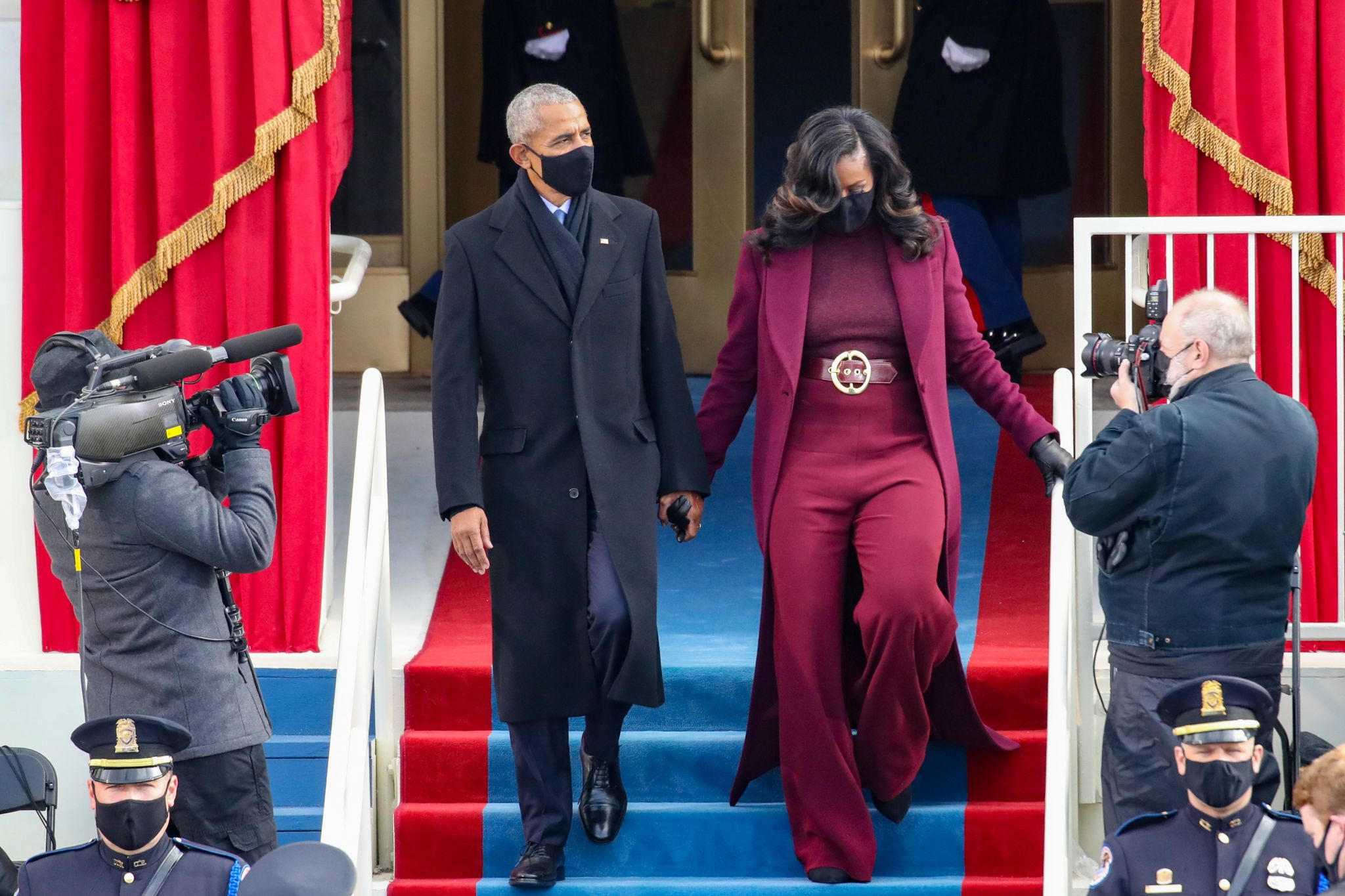
However, Vice President Mike Pence and Second Lady Karen Pence did attend the ceremony, representing the outgoing administration and maintaining a semblance of the traditional transfer of power. The ceremony was also attended by former Presidents Barack Obama, George W. Bush, and Bill Clinton, along with former First Ladies Michelle Obama, Laura Bush, and Hillary Clinton. Jimmy Carter, at age 96, was unable to attend due to health and travel concerns but sent his well-wishes. This bipartisan gathering of former leaders served as a deliberate visual contrast to the political turmoil of the preceding weeks.
Technological and Virtual Adaptations
Because the public could not attend, the 2021 inauguration leaned heavily on digital media and broadcasting. The "Virtual Parade Across America," hosted by Tony Goldwyn, featured performers and community heroes from all 50 states and territories. This format allowed for a more geographically diverse participation than a traditional Pennsylvania Avenue parade.
In the evening, the traditional inaugural balls were replaced by a televised primetime special titled "Celebrating America," hosted by Tom Hanks. The program combined musical performances with stories of "everyday heroes" such as frontline healthcare workers and teachers. By shifting the focus from elite social gatherings to a nationwide broadcast, the PIC aimed to create a sense of collective participation during a time of mandatory social distancing.
Who performed the National Anthem at the 2021 inauguration?
Lady Gaga performed the National Anthem ("The Star-Spangled Banner") during the ceremony. Her performance was widely noted for its theatricality and the use of a large golden dove brooch, which she later explained was intended to symbolize making peace with the world.
Why was there no crowd at the 2021 inauguration?
The lack of a public crowd was due to two main reasons: the COVID-19 pandemic and security concerns. The Presidential Inaugural Committee urged Americans to stay home to prevent the spread of the virus, and the National Mall was closed to the public following the January 6 attack on the U.S. Capitol to ensure the safety of the event.
Who was the young poet who spoke at the 2021 inauguration?
Amanda Gorman was the poet who delivered "The Hill We Climb." At age 22, she was the youngest person ever to write and deliver a poem for a U.S. presidential inauguration. Her performance earned international acclaim and made her a household name overnight.
Which Supreme Court Justices administered the oaths?
Chief Justice John Roberts administered the oath of office to President Joe Biden. Associate Justice Sonia Sotomayor administered the oath of office to Vice President Kamala Harris.
What was the theme of Joe Biden's inaugural address?
The official theme was "America United." The President focused his speech on the necessity of national reconciliation, overcoming political polarization, and tackling the "four historic crises" of the pandemic, the economy, climate change, and racial justice.
Accessing Historical Archives of the Event
For those researching the 2021 inauguration from the perspective of 2026, the primary repositories for official documentation are the National Archives and Records Administration (NARA) and the White House Historical Association. These institutions maintain the full transcripts of the inaugural address, high-resolution video of the ceremony, and lists of all executive actions taken on January 20, 2021.
Researchers should prioritize official .gov sources when verifying specific timestamps or the exact wording of executive orders. Additionally, the Library of Congress maintains a digital collection of the "Virtual Parade Across America" and the "Field of Flags" documentation, which provides insight into the unique cultural and technological landscape of the early 2020s.