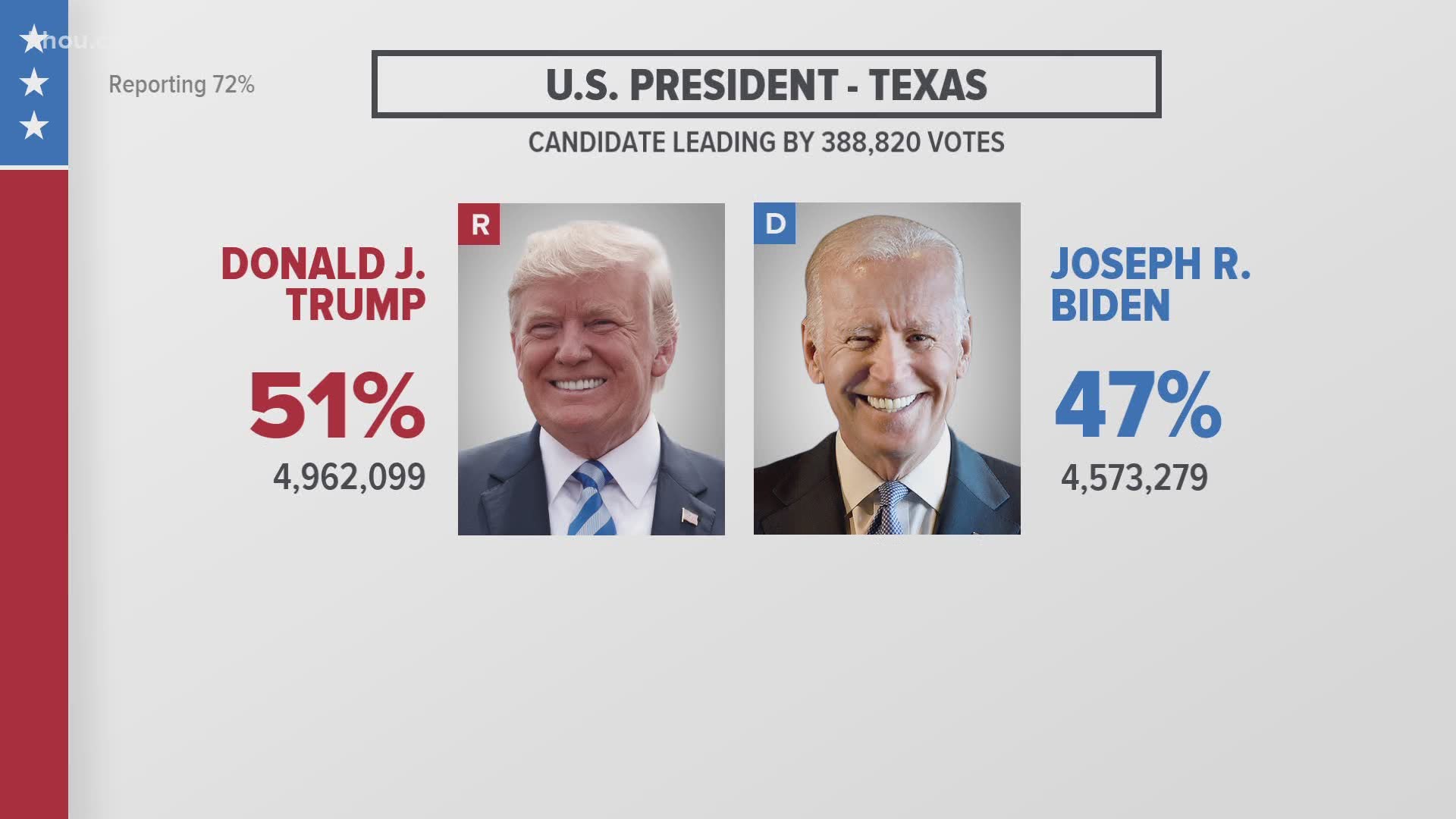
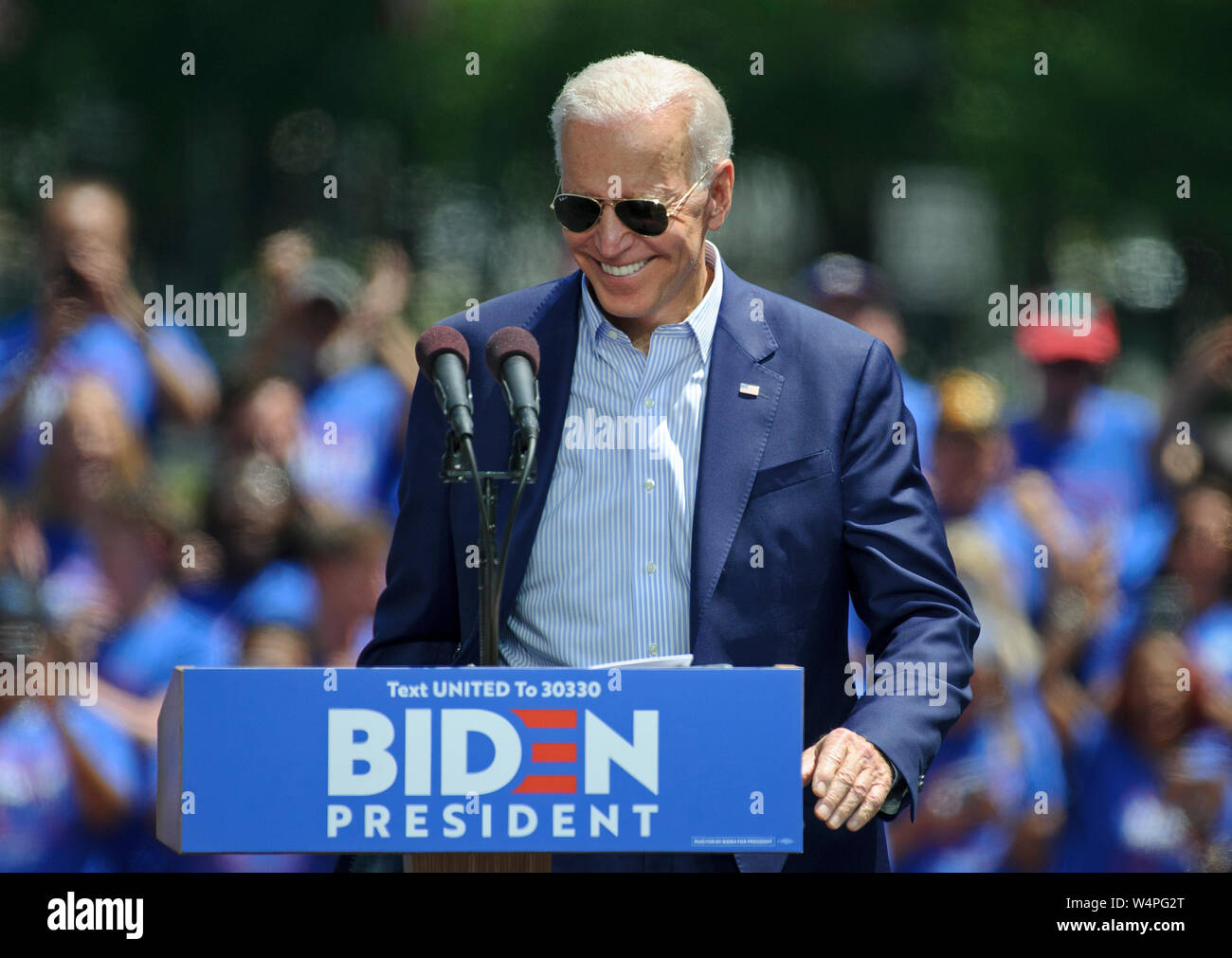
The 2020 presidential campaign was a historic contest between incumbent Republican Donald Trump and Democratic challenger Joe Biden. Defined by the COVID-19 pandemic, record-breaking voter turnout, and intense national polarization, the election resulted in Joe Biden’s victory with 306 electoral votes to Donald Trump’s 232, following a campaign season that reshaped American electoral logistics.
The Democratic Primary: A Field of Unprecedented Scale
The road to the 2020 general election began with one of the largest and most diverse primary fields in American history. More than two dozen candidates sought the Democratic nomination, representing a wide spectrum of the party’s ideological wings. This period was characterized by a fundamental debate over whether the party should pursue a "progressive revolution" or a "return to normalcy."
Early frontrunners included Senator Bernie Sanders, who mobilized a strong grassroots base with his democratic socialist platform, and Senator Elizabeth Warren, who emphasized detailed policy plans. Other notable candidates included Pete Buttigieg, the former mayor of South Bend, Indiana, who won the Iowa caucuses, and Senator Amy Klobuchar. Despite an underwhelming start in Iowa and New Hampshire, former Vice President Joe Biden secured a decisive victory in the South Carolina primary. This win, bolstered by strong support from Black voters, triggered a rapid consolidation of the centrist wing of the party.
By Super Tuesday, most moderate candidates had withdrawn and endorsed Biden, effectively narrowing the race to a two-person contest between Biden and Sanders. Following a series of victories across the South and Midwest, Biden secured the delegates needed for the nomination. In August 2020, he selected Senator Kamala Harris as his running mate, making her the first Black woman and person of South Asian descent on a major party ticket.
The Republican Strategy and Incumbency
President Donald Trump entered the 2020 cycle with a consolidated Republican base and a campaign strategy centered on "Great American Comeback" themes. Unlike the Democrats, the Republican primary was largely a formality, as Trump faced only minor opposition from figures like former Governor Bill Weld.
The Trump campaign focused on his pre-pandemic economic record, the appointment of conservative judges, and a "law and order" message in response to the summer’s civil unrest. However, the incumbency advantage—typically a powerful asset in American politics—was complicated by the global COVID-19 pandemic. The administration's response to the virus became a central point of contention, with the campaign frequently downplaying the severity of the crisis to advocate for a swift economic reopening. This created a stark contrast with the Biden campaign’s emphasis on public health guidelines and scientific expertise.
The Impact of the COVID-19 Pandemic on Campaigning
The COVID-19 pandemic fundamentally altered how the 2020 presidential campaign was conducted. Traditional staples of American politics, such as large-scale rallies, door-to-door canvassing, and in-person conventions, were either cancelled or radically transformed.
The Democratic National Convention and the Republican National Convention both pivoted to hybrid or largely virtual formats. The Biden campaign adopted a cautious approach, often holding "drive-in" rallies and socially distanced events, which critics dubbed a "basement strategy." In contrast, the Trump campaign resumed large, in-person rallies in the summer and fall, arguing that the country needed to move past the pandemic.
Technologically, the pandemic accelerated the shift toward digital campaigning. Both candidates invested hundreds of millions of dollars in social media advertising, micro-targeting, and virtual town halls. The crisis also prompted a massive expansion of mail-in and early voting. Fearing viral transmission at polling places, states across the country—both red and blue—relaxed restrictions on absentee ballots, leading to a significant shift in how Americans cast their votes.
Major Policy Debates and Social Unrest
Beyond the pandemic, several critical issues defined the ideological divide between Biden and Trump in 2020:
- Healthcare: Biden campaigned on protecting and expanding the Affordable Care Act (ACA) with a public option, while Trump continued to advocate for its repeal and replacement.
- The Economy: Trump emphasized tax cuts and deregulation as the engines of growth. Biden proposed the "Build Back Better" plan, focusing on infrastructure, green energy, and increasing the corporate tax rate.
- Racial Justice: Following the death of George Floyd in May 2020, the nation saw its largest protests in decades. Biden acknowledged systemic racism and called for police reform, while Trump positioned himself as a defender of law enforcement and criticized the "defund the police" movement.
- Climate Change: Biden framed climate change as an existential threat, pledging to re-enter the Paris Agreement. Trump frequently expressed skepticism toward climate science and prioritized fossil fuel production.
Electoral Logistics and the 2020 Results
Election Day 2020 saw the highest voter turnout in more than a century, with approximately 158 million Americans participating. Due to the high volume of mail-in ballots, which often take longer to process and count, the results in several key "swing states" were not immediately clear on election night.
This delay led to the phenomenon known as the "Red Mirage" and the "Blue Shift." In states like Pennsylvania and Wisconsin, early-counted in-person votes (which leaned Republican) initially showed Trump leading, while the later-counted mail-in ballots (which leaned Democratic) eventually flipped the totals in Biden's favor. On November 7, 2020, major news outlets called the election for Joe Biden after he was projected to win Pennsylvania.
Comparison of Key State Margins in 2020
The following table highlights the razor-thin margins in the states that ultimately decided the Electoral College outcome.
| State | Winner | Margin (Votes) | Margin (%) | Electoral Votes |
|---|---|---|---|---|
| Arizona | Biden | +10,457 | 0.3% | 11 |
| Georgia | Biden | +11,779 | 0.2% | 16 |
| Wisconsin | Biden | +20,682 | 0.6% | 10 |
| Pennsylvania | Biden | +80,555 | 1.2% | 20 |
| Michigan | Biden | +154,188 | 2.8% | 16 |
| Florida | Trump | +371,686 | 3.3% | 29 |
| North Carolina | Trump | +74,483 | 1.3% | 15 |
Post-Election Legal Challenges and Certification
The period between the election and the inauguration was marked by unprecedented legal and political maneuvers. The Trump campaign and its allies filed more than 60 lawsuits in state and federal courts, including the Supreme Court of the United States, alleging widespread voter fraud and irregularities. These challenges were almost entirely unsuccessful, as judges—including many appointed by Trump himself—cited a lack of evidence.
The Federal Election Commission (FEC) and the Cybersecurity and Infrastructure Security Agency (CISA) described the 2020 election as "the most secure in American history." Despite this, the transition of power was fraught. The certification of the Electoral College votes on January 6, 2021, was interrupted by a riot at the U.S. Capitol, an event that led to the second impeachment of Donald Trump. Ultimately, Congress certified the results, and Joe Biden was inaugurated as the 46th President of the United States on January 20, 2021.
Frequently Asked Questions
Why did it take so long to count the 2020 election results?
The delay was primarily due to the massive surge in mail-in ballots caused by the COVID-19 pandemic. Many states had laws prohibiting officials from processing or counting these ballots until Election Day itself. Because mail-in ballots require more time for signature verification and opening, the final tallies in states like Pennsylvania and Arizona took several days to finalize.
What was the "Red Mirage" in the 2020 campaign?
The "Red Mirage" refers to the initial lead Donald Trump held in several key states on election night. Because Republican voters were more likely to vote in person and Democratic voters were more likely to use mail-in ballots, the early returns (which were in-person votes) appeared significantly more Republican than the final totals, which eventually included the "Blue Shift" of mail-in counts.
Who were the main third-party candidates in 2020?
The most prominent third-party candidates were Jo Jorgensen of the Libertarian Party and Howie Hawkins of the Green Party. While neither won any electoral votes, Jorgensen received over 1.8 million votes nationally (about 1.2%), and Hawkins received approximately 400,000 votes. In some close states, the third-party vote total exceeded the margin between Biden and Trump.
Did the 2020 debates impact the election outcome?
There were two televised presidential debates and one vice-presidential debate. The first debate was widely criticized for its chaotic nature and frequent interruptions. The second scheduled debate was cancelled after President Trump contracted COVID-19 and declined a virtual format. The final debate was more structured, but political analysts generally agree that while debates reinforce existing supporter bases, they rarely shift the needle for a significant number of undecided voters in such polarized cycles.
What were the final popular vote totals?
Joe Biden received approximately 81.2 million votes (51.3%), the most ever cast for a presidential candidate. Donald Trump received approximately 74.2 million votes (46.8%), which was the second-highest total in U.S. history at the time. This highlighted the record-breaking participation across the entire political spectrum.
Researching Historical Election Data
For those seeking to analyze the 2020 presidential campaign in greater detail, the National Archives provides the official certificates of ascertainment and vote counts for every state. To understand the financial aspects of the campaign, including donor data and advertising spends, the FEC's public database offers comprehensive records. Reviewing these primary sources is essential for a factual understanding of the mechanics behind the election, free from the partisan narratives that emerged during and after the cycle.