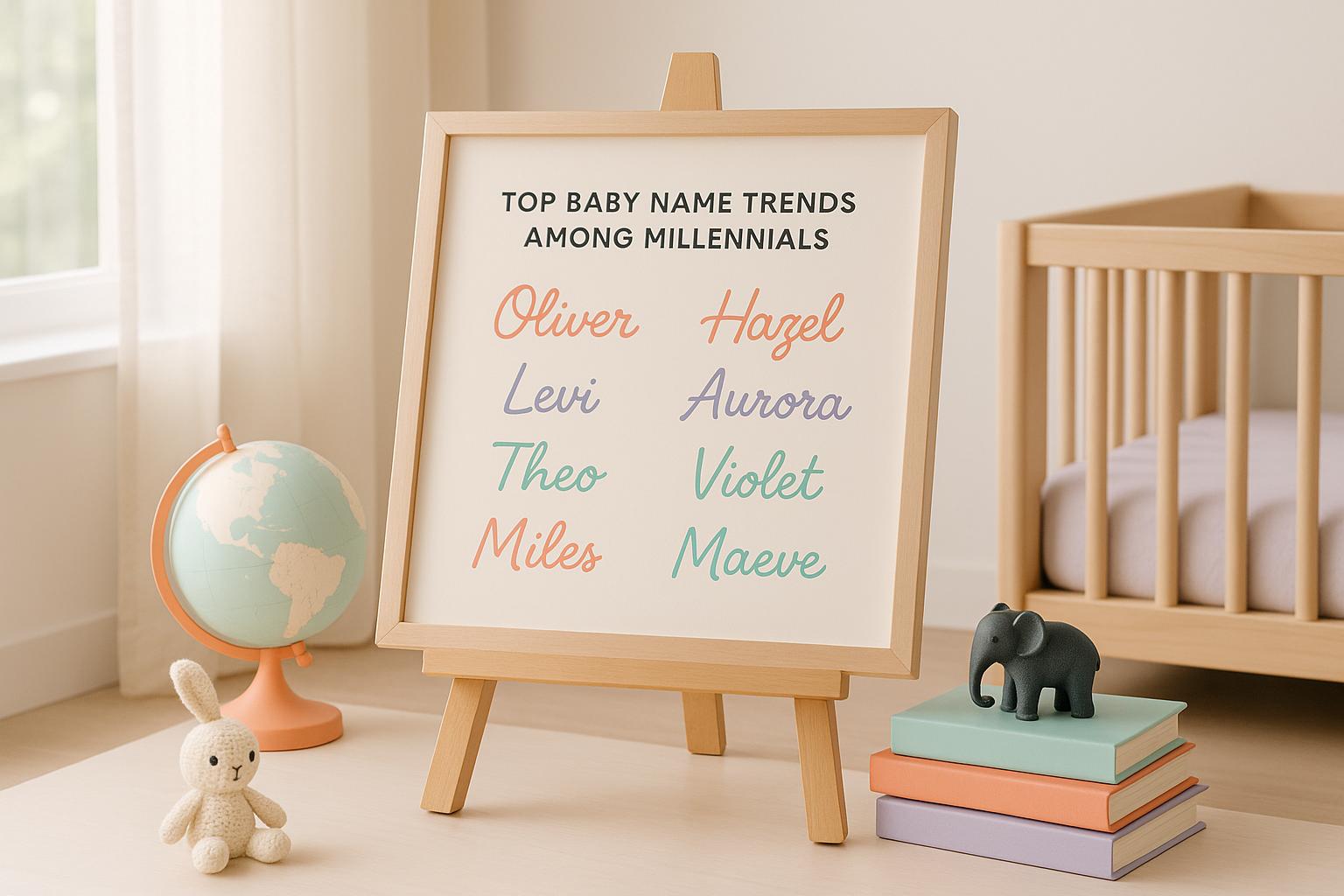
In 2019, naming trends were defined by a significant linguistic shift toward soft, vowel-heavy phonetics, a resurgence of vintage "grandparent" names, and the powerful influence of the British royal family. Data from the Social Security Administration (SSA) and the Office for National Statistics (ONS) confirmed that Liam and Olivia dominated the charts, reflecting a broader cultural preference for names that feel both timeless and gentle.
The Phonetic Evolution: Why Soft Sounds Dominated 2019
The landscape of 2019 naming was characterized by a distinct departure from the harsh, plosive-heavy names of previous decades. Linguists and onomatologists observed a massive preference for "liquid" consonants—specifically L, M, N, and R—combined with open vowel endings. This trend is best exemplified by the year's top names, Liam and Olivia.
For boys, the dominance of Liam (which held the #1 spot in the U.S. for its third consecutive year in 2019) signaled a move away from the "tougher" traditional names like Robert or Richard. Liam offers a soft entry and a melodic finish. Similarly, names like Noah, Oliver, and Elijah populated the top five, all sharing a common thread of biblical roots combined with modern, gentle sounds. These names are easy to pronounce across various languages, making them particularly appealing in an increasingly globalized society.
For girls, 2019 was a historic year as Olivia finally unseated Emma from the top position in the United States. Emma had held the number one spot since 2014, but the rise of Olivia represented a broader interest in "V" and "L" sounds. This phonetic trend extended to names like Ava, Isabella, and Amelia. The popularity of these names is often attributed to their "feminine classicism"—they feel established and historic but lack the perceived "clunkiness" of Victorian names that had not yet returned to fashion.
The "Royal Effect" and Pop Culture Sovereignty
Pop culture remained a primary driver for naming spikes in 2019, with the British Royal Family and major cinematic franchises leading the charge. The most significant event in the naming world that year occurred in May, with the birth of Archie Harrison Mountbatten-Windsor to the Duke and Duchess of Sussex.
The "Archie Effect" was immediate. While Archie was already rising in the United Kingdom, its selection by Prince Harry and Meghan Markle gave the name a global "cool factor" that bridged the gap between traditional and playful. In 2019, Archie broke into the top 10 in England and Wales and saw a significant climb in U.S. rankings. Simultaneously, the name Harrison (literally "Harry's son") benefited from the association, maintaining its status as a robust, surname-style choice for boys.
Television and film also left a permanent mark on 2019 naming records. Despite the controversial series finale of Game of Thrones in May 2019, the name Arya remained a powerhouse. Its appeal lay in its brevity and the strength of the character, Arya Stark. Interestingly, while "Khaleesi" saw a slight dip following the character's dark turn in the final season, the name had already established enough of a foothold in the mid-2010s to persist in the 2019 data. Marvel’s Avengers: Endgame, released the same year, also bolstered names like Parker (Peter Parker) and Morgan (Tony Stark’s daughter), proving that "superhero" names had moved from the fringe into the mainstream.
The 100-Year Cycle and the "Grandparent" Aesthetic
A core principle of onomatology is the "100-Year Rule," which suggests that names take approximately a century to move from "fashionable" to "dated" to "antique" and finally back to "chic." In 2019, this cycle was in full swing, as names popular in the 1910s and 1920s saw a massive resurgence.
Parents in 2019 sought names that felt grounded and storied, likely as a reaction to the high-tech, fast-paced nature of the late 2010s. This resulted in the rise of what many call "Grandmanames" and "Grandpanames." For girls, this included Hazel, Eleanor, Alice, and Josephine. These names were viewed as sophisticated alternatives to the hyper-popular "A-ending" names like Ava and Mia.
For boys, the vintage trend manifested in names like Theodore, Arthur, and Sebastian. Theodore, in particular, became a standout favorite in 2019 because of its versatility; it offers the classic, formal version for legal documents and the approachable, "cute" nickname "Theo" for daily use. This balance of gravitas and playfulness was a hallmark of 2019 naming strategy.
Nature, Celestial, and Botanical Influences
The 2019 data highlighted a growing fascination with the natural world. As environmental consciousness became a more central part of the cultural zeitgeist, parents increasingly chose names that reflected a connection to the earth and the cosmos.
Luna was perhaps the most successful nature-adjacent name of 2019. Ranking high in both the U.S. and Europe, Luna benefited from several cultural streams: the Harry Potter legacy, its Latin roots meaning "moon," and its brevity. Other celestial names like Nova and Aurora also trended upward, offering a sense of wonder and light.
Botanical names evolved beyond the traditional Rose and Lily. In 2019, parents gravitated toward more "textured" greenery:
- Willow: Popular for its graceful imagery and "W" sound.
- Juniper: A fresh, energetic alternative to Jennifer.
- Sage: A gender-neutral choice reflecting wisdom and nature.
- Ivy: Short, punchy, and classic.
This "green" naming trend wasn't limited to girls. For boys, names like River, Forrest, and Wilder saw increased usage, signaling a desire for names that evoke a sense of adventure and ruggedness.
Comparing the Top 10 Names of 2019 (U.S. Data)
The following table outlines the most popular names in the United States for 2019, based on official Social Security Administration birth record data.
| Rank | Boy Names (2019) | Girl Names (2019) | Primary Influence/Style |
|---|---|---|---|
| 1 | Liam | Olivia | Soft, vowel-heavy, multi-syllabic |
| 2 | Noah | Emma | Biblical classic vs. short traditional |
| 3 | Oliver | Ava | British influence vs. minimalist chic |
| 4 | William | Sophia | Royal traditional vs. Greek classic |
| 5 | Elijah | Isabella | Strong biblical vs. romantic Latin |
| 6 | James | Charlotte | Timeless staple vs. modern royal |
| 7 | Benjamin | Amelia | Friendly classic vs. vintage revival |
| 8 | Lucas | Mia | Pan-European vs. short and sweet |
| 9 | Mason | Harper | Occupational surname vs. literary/modern |
| 10 | Ethan | Evelyn | Solid biblical vs. "Grandma" chic |
The Rise of Gender-Neutrality and Surnames-as-First-Names
One of the most defining characteristics of 2019 naming was the continued erosion of strict gender boundaries. Parents increasingly looked toward the middle of the spectrum, choosing names that could suit any child regardless of gender. This trend was driven by both a social shift toward inclusivity and a stylistic preference for surnames used as given names.
Names like Quinn, Charlie, Parker, and Emerson reached new heights of popularity in 2019. These names often carry a professional, established air while remaining modern. The "Surnames-as-First-Names" trend specifically targeted names ending in "-er" or "-son," such as Sawyer, Cooper, Hudson, and Greyson.
This movement was also linked to the "androgynous chic" aesthetic prevalent in 2019 fashion and media. By choosing a gender-neutral name, parents felt they were providing their children with a "blank slate," allowing them to define their own identity without the baggage of traditional gendered expectations. Furthermore, these names often functioned as a way to honor family history by using a mother's maiden name or a distant family surname as a first or middle name.
What was the most significant shift in 2019 baby names?
The most notable shift was Olivia taking the #1 spot from Emma in the United States. While Emma had been the dominant choice for half a decade, Olivia’s rise signaled a peak in the preference for "V" sounds and multi-syllabic, feminine names that feel both ancient and modern.
How did the birth of Archie Harrison affect naming trends?
The birth of Archie Harrison in May 2019 caused a measurable spike in both names. Archie, which was already a top-10 name in the UK, saw renewed interest in the U.S. as a "cool" vintage nickname. Harrison also stabilized as a top choice, benefiting from its direct connection to Prince Harry.
Why did "old-fashioned" names like Theodore and Hazel become popular in 2019?
This is due to the 100-Year Rule. By 2019, names that were popular in the 1910s and 1920s had been out of use long enough to lose their "old person" stigma and instead feel fresh, "antique," and sophisticated to a new generation of parents.
Were pop culture names like those from "Game of Thrones" still trending?
Yes, Arya remained highly popular throughout 2019. Despite the divisive nature of the show's finale, the name's linguistic appeal (short, strong, vowel-ending) helped it transcend its source material. It became a name that stood on its own merits rather than just as a fan reference.
What defined the "nature name" trend in 2019?
The trend was defined by a mix of celestial names (Luna, Nova) and botanical names (Willow, Ivy, Juniper). These names reflected a cultural desire for peace, simplicity, and a connection to the environment during a period of significant technological and political change.
Utilizing 2019 Data for Modern Naming Strategies
As we evaluate these trends from the perspective of 2026, the 2019 data serves as a vital benchmark for identifying "peak" popularity and predicting future shifts. For those choosing a name or branding a product today, the 2019 lists offer a cautionary tale about "saturation." Names like Olivia and Liam are now ubiquitous among elementary school-aged children, leading some current parents to seek more "distinctive" alternatives that haven't yet hit the top 10.
To apply these lessons effectively, one should look at the "runners-up" of 2019—names like Silas, Genevieve, or Arlo—which were just starting their ascent. These names often provide the same aesthetic appeal (vintage, soft phonetics) without the extreme popularity of the year's top winners. By studying the trajectory of 2019's nature and royal-influenced names, you can better navigate the current naming landscape of 2026, ensuring a choice that feels timely but not dated.