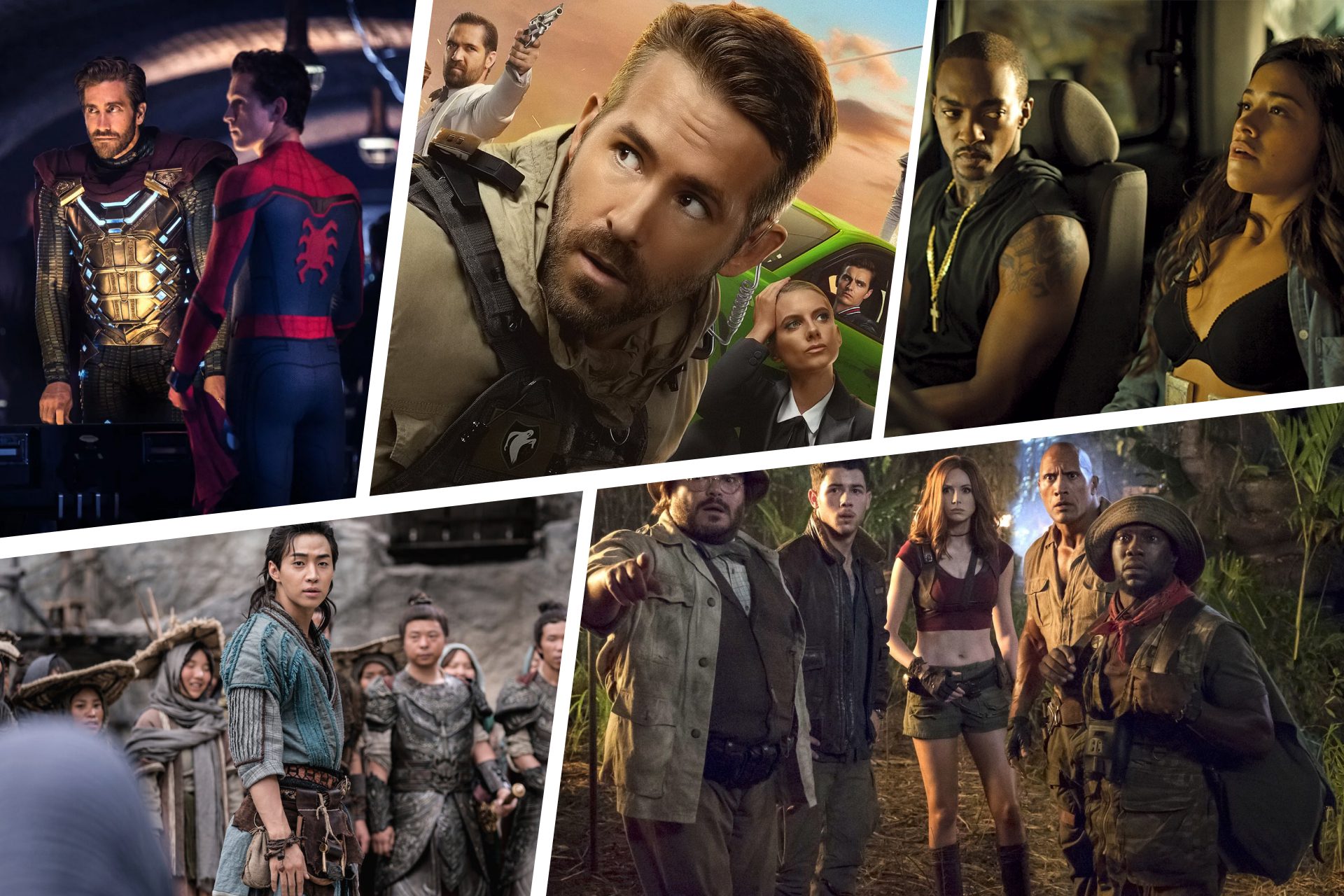
The year 2019 stands as a historic benchmark in modern cinema, delivering an extraordinary convergence of record-breaking blockbusters, visionary auteur masterworks, and landmark international achievements. Key films every cinephile must watch from this era include Bong Joon-ho’s Parasite, Sam Mendes’s 1917, Quentin Tarantino’s Once Upon a Time in Hollywood, Martin Scorsese’s The Irishman, and Todd Phillips’s Joker.
Why 2019 Represented a Watershed Moment for Cinema
Film historians and critics frequently group 2019 alongside legend-defining years like 1939, 1974, and 1999. It served as the peak of the modern theatrical moviegoing experience prior to global industry disruptions, while simultaneously marking the moment streaming services cemented their status as legitimate powerhouses for prestige filmmaking. Directors operating at the absolute height of their craft brought ambitious original visions to screens, while studio franchises reached unprecedented commercial climaxes.
What made 2019 unique was the sheer variety of cinematic forms achieving excellence at once. Studio executives saw mid-budget original projects like Knives Out thrive alongside billion-dollar comic book adaptations. At the same time, international cinema shattered longstanding institutional barriers in Western media. Audiences were treated to bold technical risk-taking, mature narrative storytelling, and career-defining performances across every genre—from psychological horror to historical drama.
The Masterpieces: Top Award Winners and Critical Darlings
Parasite
Directed by Bong Joon-ho, Parasite is a masterclass in genre-blending, dark comedy, and socio-economic commentary. Following the symbiotic yet predatory relationship between the destitute Kim family and the wealthy Park family, the film weaves through humor, tension, and tragedy with meticulous precision. At the 92nd Academy Awards, Parasite made history by becoming the first non-English language film to win Best Picture, alongside wins for Best Director, Best Original Screenplay, and Best International Feature Film. Bong’s sharp spatial staging within the Parks' modernist home creates a visual language of class hierarchy that remains one of the most celebrated achievements of 21st-century filmmaking.
1917
Sam Mendes’s World War I epic 1917 is an extraordinary technical and emotional accomplishment. Structured to appear as two continuous, uninterrupted long takes, the film follows two young British soldiers tasked with crossing hostile enemy territory to deliver a critical warning that could save 1,600 men. Immerse-focused cinematography by Roger Deakins—who earned an Academy Award for his work—turns the scorched landscape of Western Europe into a visceral nightmare. Beyond its visual wizardry, 1917 delivers a deeply human story centered on duty, survival, and brotherhood.
Once Upon a Time in Hollywood
Quentin Tarantino’s ninth feature film offers an affectionate, melancholic revisionist tribute to the twilight of Hollywood’s Golden Age in 1969. Starring Leonardo DiCaprio as aging TV actor Rick Dalton and Brad Pitt as his loyal stunt double Cliff Booth (a role that earned Pitt an Oscar for Best Supporting Actor), the movie lazily wanders through a meticulously recreated Los Angeles. Rather than relying heavily on rapid narrative momentum, Tarantino captures a changing culture, balancing lighthearted character study with tension surrounding the looming presence of the Manson Family.
The Irishman
Martin Scorsese’s three-and-a-half-hour crime saga The Irishman represents a reflective, somber coda to the gangster genre he helped define. Reuniting Robert De Niro, Al Pacino, and Joe Pesci, the film traces the life of union truck driver turned hitman Frank Sheeran over several decades, culminating in the disappearance of Jimmy Hoffa. Utilizing groundbreaking digital de-aging technology developed by Industrial Light & Magic, Scorsese strips away the glamorous adrenaline of Goodfellas and Casino, replacing it with a haunting exploration of guilt, isolation, and mortal decay.
Portrait of a Lady on Fire
Written and directed by Céline Sciamma, this French romantic period drama is a visual and emotional masterpiece. Set in late 18th-century Brittany, the plot follows an artist commissioned to paint a wedding portrait of a young noblewoman who resists marriage. Shot with striking painterly composition by cinematographer Claire Mathon, Portrait of a Lady on Fire explores female gaze, memory, and artistic creation with profound intimacy. It earned widespread critical acclaim, taking home the Best Screenplay award at the Cannes Film Festival.
Blockbuster Heights and Cultural Phenomena
Avengers: Endgame
Directed by Anthony and Joe Russo, Avengers: Endgame served as the culmination of a 22-film narrative arc built by Marvel Studios over more than a decade. Balancing dozens of superhero storylines, the three-hour epic delivered emotional closure for foundational characters while smashing box-office records globally to become one of the highest-grossing films in history. The film proved that long-form serialized cinematic storytelling could succeed on a massive scale without losing character focus.
Joker
Todd Phillips’s gritty psychological character study Joker re-imagined the iconic comic book villain through the lens of 1970s cinema classics like Taxi Driver and The King of Comedy. Featuring a mesmerizing, Academy Award-winning performance by Joaquin Phoenix as Arthur Fleck, the film explored themes of mental illness, urban neglect, and societal alienation. Joker grossed over $1 billion worldwide, becoming the highest-grossing R-rated film of its time and generating extensive cultural debate.
Knives Out
Rian Johnson reinvigorated the murder-mystery genre with Knives Out, a clever, fast-paced whodunit centered on the mysterious death of a wealthy crime novelist. Featuring an ensemble cast led by Ana de Armas and Daniel Craig as the eccentric Southern detective Benoit Blanc, the film combined sharp social satire regarding modern wealth dynamics with intricate plot mechanics, proving that original non-franchise scripts could still command global audiences.
| 2019 Cinematic Highlights |
|---|
| PARASITE (Oscar) |
| AVENGERS: ENDGAME (Box) |
| 1917 (Technical Marvel) |
Essential Genre Standouts and Hidden Gems
Beyond the highest-profile winners and box-office champions, 2019 was exceptional for indie films, psychological thrillers, and intimate character dramas:
- Uncut Gems (Directed by Josh and Benny Safdie): A relentless, anxiety-inducing thriller following Howard Ratner (Adam Sandler in a career-best dramatic role), a charismatic New York jeweler who makes a series of high-stakes gambling bets that threaten his livelihood and life.
- The Lighthouse (Directed by Robert Eggers): A black-and-white psychological survival horror film starring Willem Dafoe and Robert Pattinson as two 19th-century lighthouse keepers descending into madness on a remote New England island. Shot in a narrow 1.19:1 aspect ratio, it remains a triumph of atmospheric tension.
- Marriage Story (Directed by Noah Baumbach): An incisive, deeply empathetic look at a bi-coastal divorce between a theater director (Adam Driver) and an actress (Scarlett Johansson). The film balances devastating emotional conflict with unexpected warmth, securing six Academy Award nominations.
- Little Women (Directed by Greta Gerwig): Gerwig adapted Louisa May Alcott's classic novel using a non-linear narrative structure that brought fresh agency and modern resonance to the March sisters, bolstered by standout performances from Saoirse Ronan and Florence Pugh.
- Midsommar (Directed by Ari Aster): A daylight folk-horror masterpiece starring Florence Pugh as a grieving woman who travels to a Swedish festival that devolves into a bizarre pagan ritual.
Key 2019 Releases Compared
To help navigate the vast cinematic output of this pivotal year, the following matrix compares the top releases across key artistic dimensions:
| Film Title | Director | Primary Genre | Primary Accolades | Core Viewing Appeal |
|---|---|---|---|---|
| Parasite | Bong Joon-ho | Social Thriller / Dark Comedy | 4 Academy Awards (inc. Best Picture) | Sharp social commentary, plot twists, masterclass pacing |
| 1917 | Sam Mendes | War / Drama | 3 Academy Awards (inc. Cinematography) | Immersive "single-shot" visual presentation |
| Once Upon a Time in Hollywood | Quentin Tarantino | Comedy-Drama / Period | 2 Academy Awards (Best Supporting Actor) | Nostalgic atmosphere, stellar lead performances |
| The Irishman | Martin Scorsese | Crime / Epic Drama | 10 Academy Award Nominations | Reflective narrative, acting icons, historical scope |
| Joker | Todd Phillips | Psychological Thriller | 2 Academy Awards (inc. Best Actor) | Intense character study, compelling score |
| Knives Out | Rian Johnson | Mystery / Whodunit | Academy Award Nomination (Original Screenplay) | Sharp wit, subversion of tropes, stellar ensemble cast |
| Portrait of a Lady on Fire | Céline Sciamma | Historical Romance | Cannes Best Screenplay Winner | Gorgeous visual composition, deep emotional resonance |
| Uncut Gems | Safdie Brothers | Crime / Thriller | National Board of Review Top 10 | High-tension pacing, extraordinary dramatic lead turn |
The Long-Term Impact of 2019’s Releases
Looking at 2019 from today's vantage point in 2026, the film releases of that year permanently altered how movies are produced, distributed, and evaluated. Parasite broke down the "one-inch tall barrier of subtitles," as Bong Joon-ho famously called it, opening North American audiences and award bodies to international cinema on an unprecedented scale.
Simultaneously, 2019 marked the final moment before the home-viewing market rapidly accelerated its dominance. While streaming platforms proved they could produce Best Picture nominees (The Irishman, Marriage Story), the box-office success of diverse titles like Joker, Knives Out, and Avengers: Endgame demonstrated that audiences would still flood theaters for distinct visual experiences and communal story events. The narrative frameworks and aesthetic risks pioneered in 2019 continue to serve as blueprints for modern directors attempting to balance artistic integrity with broad viewer engagement.
Frequently Asked Questions
What film won Best Picture at the Academy Awards for 2019 releases?
Bong Joon-ho's Parasite won Best Picture at the 92nd Academy Awards held in early 2020. It made history as the first foreign-language film to capture the Oscar for Best Picture, while also winning Best Director, Best Original Screenplay, and Best International Feature Film.
Why is 2019 considered one of the best years in movie history?
2019 is celebrated for its rare combination of critical excellence, commercial peak, and thematic variety. Major film directors released career-defining projects, independent studios produced landmark horror and thriller titles, and international releases achieved global mainstream success while traditional box-office records were broken.
Which 2019 movies were the highest-grossing worldwide?
Avengers: Endgame led the global box office for 2019 releases, generating over $2.79 billion worldwide. Other billion-dollar hits from the year included The Lion King (2019 adaptation), Frozen II, Spider-Man: Far From Home, Captain Marvel, Joker, Star Wars: The Rise of Skywalker, and Toy Story 4.
What streaming platforms hold the rights to major 2019 films today?
Rights fluctuate by region, but major platforms hold permanent or long-term distribution rights for specific 2019 titles. Netflix owns and streams original productions like The Irishman and Marriage Story. Disney+ hosts Avengers: Endgame, while other titles like Parasite, Once Upon a Time in Hollywood, and Knives Out rotate across major digital storefronts and subscription platforms globally.
Are there underrated 2019 films that deserved more award attention?
Yes. Critical favorites that received limited broad award recognition include the Safdie brothers' Uncut Gems, Céline Sciamma's Portrait of a Lady on Fire, Lulu Wang's intimate family drama The Farewell, and Robert Eggers's atmospheric thriller The Lighthouse.
Building Your Essential 2019 Film Marathon
To truly appreciate the breadth of 2019's cinematic footprint, organize your viewing list by grouping films that converse with one another conceptually or stylistically:
- The International & Prestige Track: Start with Parasite and pair it with Portrait of a Lady on Fire. This pairing showcases how non-English language cinema dominated critical discourse through visual storytelling and precise thematic control.
- The Modern Auteur Study: Watch Once Upon a Time in Hollywood alongside The Irishman. Both films feature veteran master directors looking back on history, aging, and the mythologies of mid-century America.
- High-Tension Thrillers: Group Uncut Gems with 1917. Though operating in vastly different genres, both films use specialized camera techniques and tight pacing to create an immersive sense of urgency.
- Reinventing Studio Formats: Contrast Knives Out with Joker to see how mid-to-high-budget films successfully reinvented traditional sub-genres (the whodunit and the comic book origin story) for modern audiences.
By organizing your viewing around these distinct artistic vectors, you can experience firsthand why 2019 remains an unrivaled vintage in modern film history.
EDITORIAL CATEGORY METADATA: