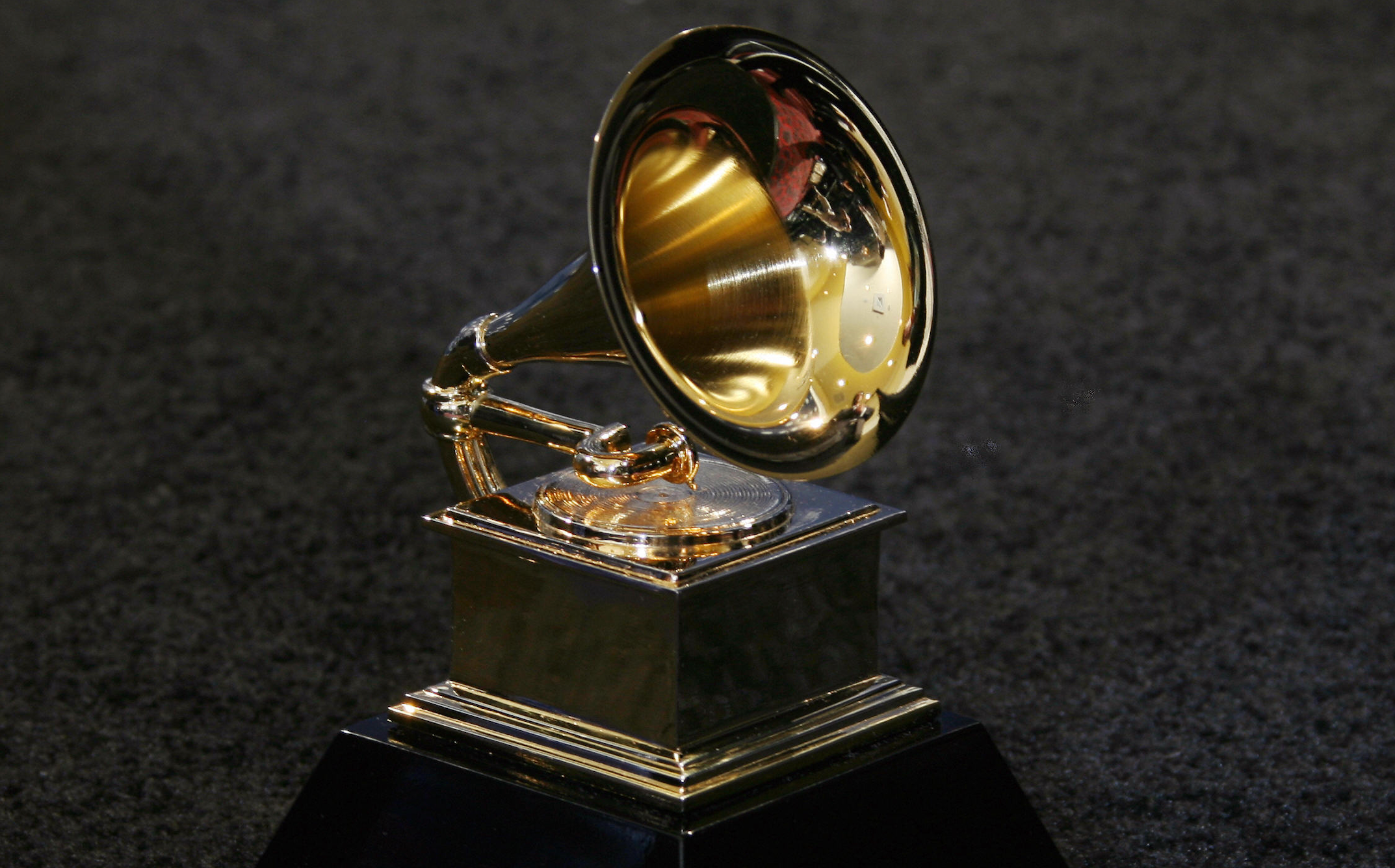
The ultimate list of 2019 Album of the Year nominees spans two distinct scopes: the 61st Annual Grammy Awards presented in February 2019 (won by Kacey Musgraves’ Golden Hour) and the 62nd Annual Grammy Awards presented in January 2020 recognizing 2019 releases (won by Billie Eilish’s When We All Fall Asleep, Where Do We Go?). Together, these slates showcase groundbreaking achievements across country, pop, hip-hop, R&B, and indie rock.
Disambiguating 2019 Music Honors: Grammy Ceremonies vs. Calendar Year Releases
Understanding music award nominations for 2019 requires distinguishing between the award ceremony calendar and the eligibility windows established by music organizations like The Recording Academy. Music fans and industry observers frequently reference "2019 Album of the Year nominees" in one of two contexts:
- The 61st Annual Grammy Awards (Held February 10, 2019): This ceremony recognized music released between October 1, 2017, and September 30, 2018. It featured eight nominees—expanded from five for the first time in decades—reflecting a push for broader genre and artistic representation.
- The 62nd Annual Grammy Awards (Held January 26, 2020): This ceremony recognized music released during the core of the 2019 calendar year (specifically October 1, 2018, through August 31, 2019).
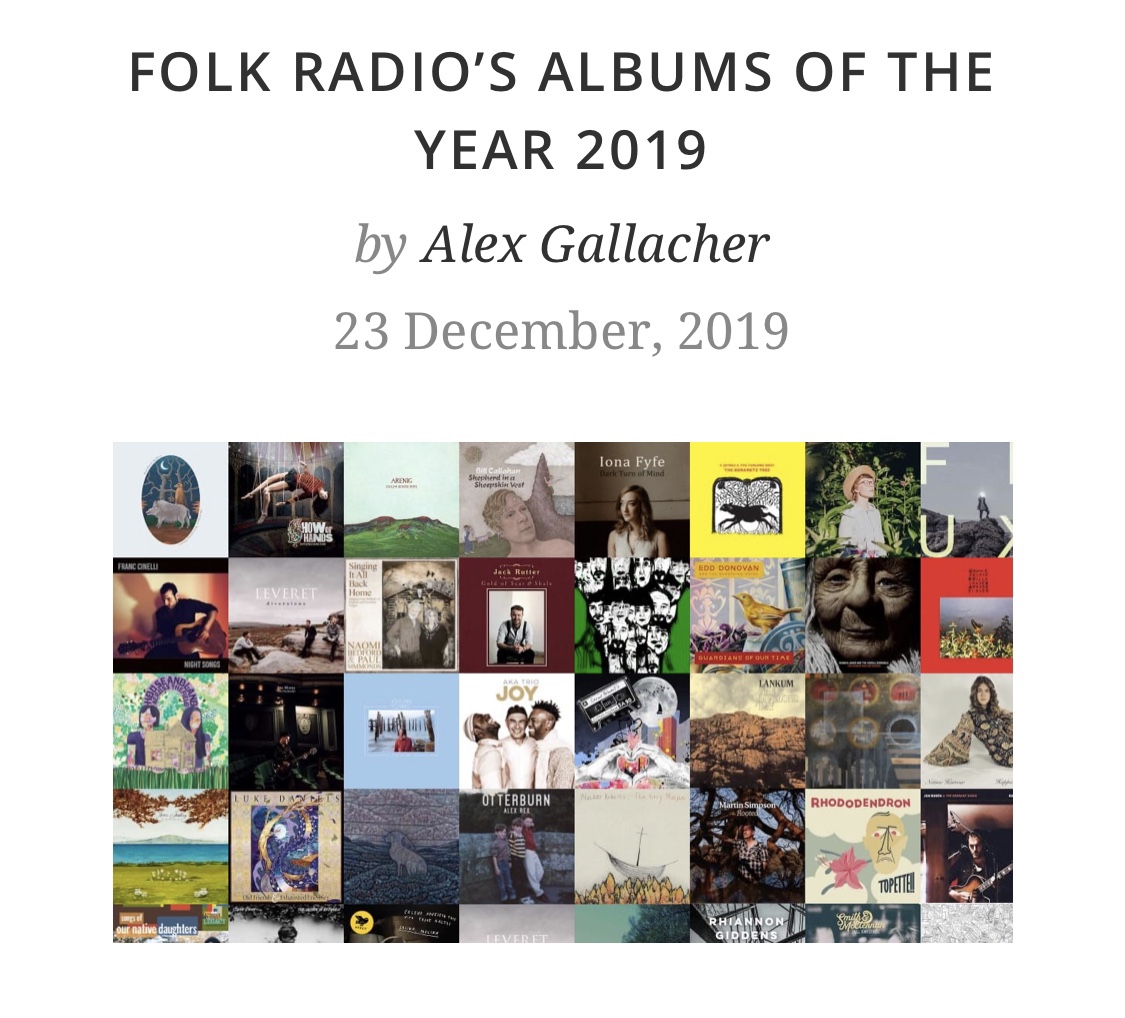
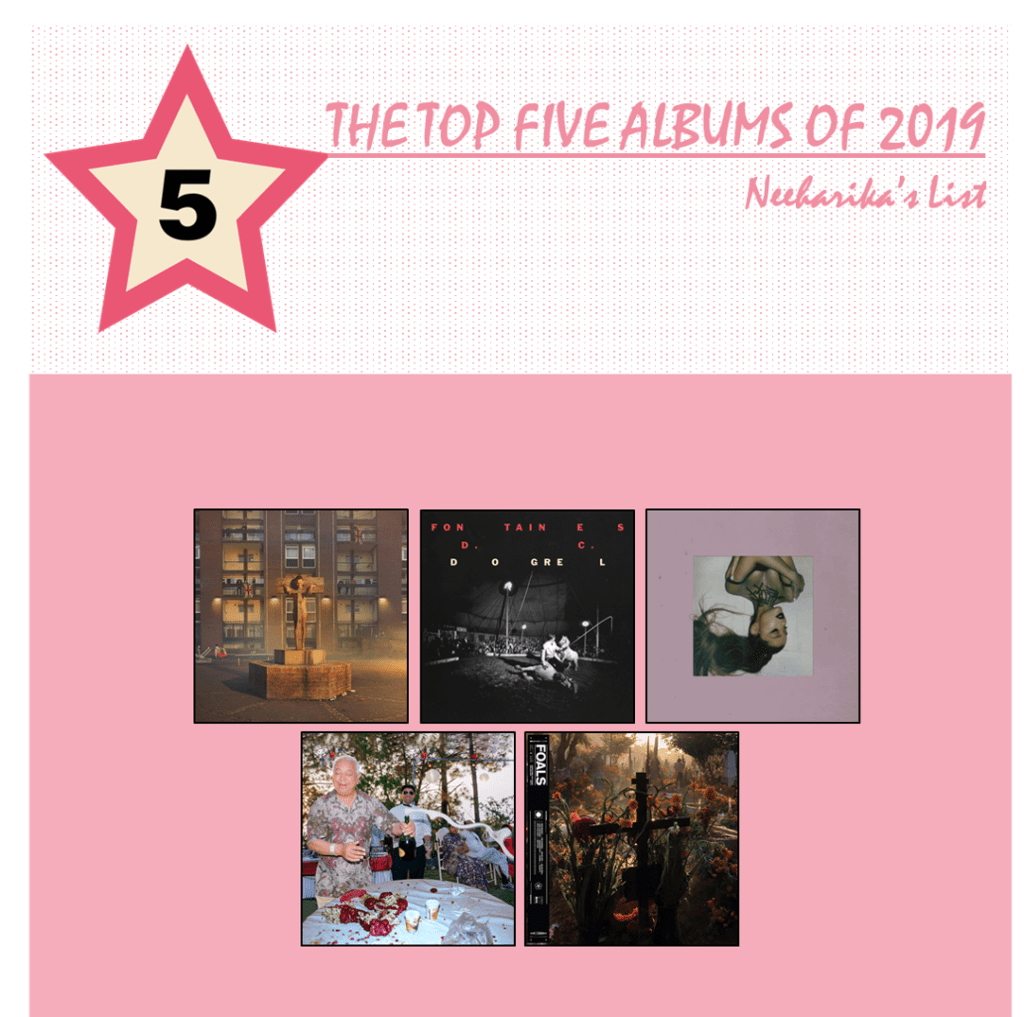
In addition to formal industry awards, major music publications such as Rolling Stone, Pitchfork, Billboard, and Time published their year-end best album rankings at the end of 2019. These lists celebrated commercial blockbusters alongside critically revered releases that the Grammys overlooked. Combining these perspectives yields a complete picture of the records that defined the era.
The 61st Grammy Awards (2019 Ceremony): Album of the Year Nominees
The 61st Grammy Awards ceremony marked a turning point for The Recording Academy, which expanded the general field categories—including Album of the Year—from five to eight nominees to better capture the diversity of modern music production.
Kacey Musgraves – Golden Hour (Winner)
Kacey Musgraves achieved widespread acclaim with Golden Hour, an album that blended traditional country lyricism with disco beats, synthesized vocal effects, and lush pop arrangements. Produced alongside Daniel Tashian and Ian Fitchuk, the record explored themes of warmth, domestic bliss, and emotional clarity. Beyond winning Album of the Year, Golden Hour swept all four of its nominated country categories, demonstrating how cross-genre innovation could unify disparate audiences.
Cardi B – Invasion of Privacy
Cardi B’s debut studio album, Invasion of Privacy, solidified her position as a dominant force in modern hip-hop. Packed with chart-topping singles like "Bodak Yellow" and "I Like It," the album balanced boisterous trap anthems with raw vulnerability regarding fame, betrayal, and ambition. Invasion of Privacy went on to win Best Rap Album at the ceremony, making Cardi B the first solo female artist to win the category.
Brandi Carlile – By the Way, I Forgive You
Americana singer-songwriter Brandi Carlile delivered a vocal tour de force on By the Way, I Forgive You. Produced by Dave Cobb and Shooter Jennings, the album focused on forgiveness, human frailty, motherhood, and social equality. Driven by the soaring lead single "The Joke," Carlile’s performance at the ceremony became one of the evening's most talked-about moments, bringing her grassroots acoustic roots into mainstream pop culture prominence.
Drake – Scorpion
Drake’s sprawling double album Scorpion showcased two sides of his musical identity: a hip-hop-driven A-side and an R&B/pop-focused B-side. Featuring record-breaking hits such as "God's Plan," "Nice for What," and "In My Feelings," the project reflected the dominance of streaming architecture in the late 2010s. Its inclusion in the Album of the Year category highlighted the undeniable commercial power of rap on global music charts.
H.E.R. – H.E.R.
The self-titled compilation album from multi-instrumentalist H.E.R. (Gabriella Wilson) announced the arrival of a major contemporary R&B talent. Gathering material from her early EPs along with new tracks, the project offered understated, moody soundscapes paired with rich vocal harmonies and guitar solos. Tracks like "Best Part" (featuring Daniel Caesar) re-established smooth, classic soul aesthetics within modern streaming playlists.
Post Malone – Beerbongs & Bentleys
Post Malone’s sophomore record, Beerbongs & Bentleys, captured the mood of late-2010s pop-rap, melding trap rhythms with acoustic guitar melodies and angst-ridden lyrics. Featuring megahits like "Rockstar" and "Psycho," the album set multiple streaming records upon release. Its nomination highlighted the blending of grunge, hip-hop, and pop sensibilities in modern mainstream radio.
Janelle Monáe – Dirty Computer
Janelle Monáe returned with Dirty Computer, an ambitious concept album accompanied by an "emotion picture" narrative film. Blending funk, synth-pop, R&B, and hip-hop, the album celebrated queer identity, self-acceptance, and resilience against political oppression. Featuring contributions from Prince (prior to his passing), Stevie Wonder, and Grimes, Dirty Computer earned high marks from music publications as an artistic masterpiece.
Various Artists – Black Panther: The Album, Music From and Inspired By
Curated and executive-produced by Kendrick Lamar alongside Anthony "Top Dawg" Tiffith, this soundtrack served as the musical companion to Marvel Studios' Black Panther. Featuring custom compositions from SZA, Travis Scott, The Weeknd, and Vince Staples, the album blended West Coast hip-hop, trap, and South African gqom beats, proving that cinematic soundtracks could thrive as standalone artistic projects.
The 62nd Grammy Awards: Recognizing Albums Released in 2019
The 62nd Annual Grammy Awards took place in January 2020, evaluating albums released across the core of 2019. This nominee class reflected a significant shift toward home-studio recording, genre-bending pop, and introspective songwriting.
Billie Eilish – When We All Fall Asleep, Where Do We Go? (Winner)
Recorded primarily in a suburban bedroom alongside her brother and producer Finneas O'Connell, Billie Eilish’s debut album became a global phenomenon. When We All Fall Asleep, Where Do We Go? subverted traditional pop tropes through minimalist basslines, whispering vocals, eerie sound design, and macabre lyricism. Eilish made historical sweeps at the 62nd Grammys, winning all four major general field awards (Album, Record, Song of the Year, and Best New Artist).
Lana Del Rey – Norman Fucking Rockwell!
Produced largely with Jack Antonoff, Lana Del Rey’s sixth studio album earned wide critical acclaim. Norman Fucking Rockwell! traded her earlier cinematic trip-hop production for soft-rock piano ballads, folk arrangements, and sharp lyrical commentary on American cultural anxiety. Widely cited by music critics as the definitive album of her career, its nomination recognized Del Rey's influence on a generation of indie and pop songwriters.
Ariana Grande – Thank U, Next
Written and recorded in a rapid burst of creative energy following personal tragedy, Ariana Grande’s Thank U, Next combined sleek R&B vocals with trap production. Anchored by monster hits like "7 Rings" and the title track, the album processed grief, romantic independence, and media scrutiny in real time. It represented a peak in Grande's commercial career and demonstrated how pop stars could adopt hip-hop release cycles.
Lizzo – Cuz I Love You (Deluxe)
Lizzo broke into mainstream pop consciousness with Cuz I Love You, an energetic blend of soul, funk, hip-hop, and gospel built around themes of self-love and body positivity. Powered by her powerhouse vocal range, flute solos, and infectious charisma, tracks like "Juice" and the retrofitted hit "Truth Hurts" established Lizzo as a formidable live performer and pop force.
Bon Iver – i,i
Justin Vernon’s indie-folk project Bon Iver delivered i,i, an experimental album that built upon electronic manipulation, brass chorals, synth textures, and fragmented song structures. Representing the "autumn" season in Vernon's four-album thematic cycle, i,i demonstrated how avant-garde production techniques could earn recognition within mainstream award slates.
Vampire Weekend – Father of the Bride
After a six-year hiatus, Vampire Weekend returned with Father of the Bride, an expansive 18-track double album. Moving past their initial Afro-pop indie rock identity, the band incorporated jam-band guitars, country duets (featuring Danielle Haim), and lush orchestra arrangements. The record captured a sunny yet politically anxious atmosphere and won Best Alternative Music Album.
Lil Nas X – 7
The debut EP from Lil Nas X earned an Album of the Year nomination off the back of "Old Town Road," the viral country-trap single that spent a record-breaking 19 weeks at Number 1 on the Billboard Hot 100. Featuring guest appearances from Billy Ray Cyrus and Cardi B, the short release represented how short-form media platforms were redefining album formats and chart qualification standards.
H.E.R. – I Used to Know Her
H.E.R. secured her second consecutive Album of the Year nomination with I Used to Know Her, another compilation project gathering tracks from her 2018 and 2019 EPs. Featuring acoustic instrumentation, social critique ("Lord Is Coming"), and smooth R&B duets ("Could've Been" with Bryson Tiller), the record cemented her standing as a favorite among Recording Academy voters.
Critical Consensus: Publications and Unnominated Masterpieces of 2019
While the Grammy Awards reflect industry voting, media publications and music critics frequently highlighted distinct albums that reshaped the cultural conversation in 2019. Several records that missed out on Grammy Album of the Year nominations topped year-end lists:
- Tyler, the Creator – Igor: A narrative concept album chronicling the stages of a heartbreak through pitch-shifted vocals, distorted funk synthesizers, and soulful arrangements. Although it won the Grammy for Best Rap Album, many critics argued Igor deserved a top-tier Album of the Year nomination for its genre-defying production.
- FKA Twigs – Magdalene: A harrowing, avant-garde pop masterpiece exploring physical recovery and emotional heartbreak. Featuring intricate electronic textures and operatic vocals, Magdalene dominated lists compiled by Pitchfork and The Guardian.
- Sharon Van Etten – Remind Me Tomorrow: Moving away from acoustic indie folk toward dark synths and driving drums, Van Etten produced one of 2019's most acclaimed rock records, anchored by the anthem "Seventeen."
- Angel Olsen – All Mirrors: Featuring a 28-piece orchestra alongside heavy synthesizers, Olsen transformed her intimate songwriting into dramatic, gothic art-pop.
Ultimate Comparison: 2019 Nominees and Benchmark Albums
The following table summarizes the primary Album of the Year contenders across both the 61st and 62nd Grammy ceremonies, along with top critical consensus picks from calendar year 2019.
| Album Title | Lead Artist | Associated Year / Ceremony | Dominant Genres | Key Track(s) | Primary Distinction / Outcome |
|---|---|---|---|---|---|
| Golden Hour | Kacey Musgraves | 61st Grammys (2019) | Country Pop, Disco-Folk | "Space Cowboy", "High Horse" | Won Album of the Year (61st Grammys) |
| When We All Fall Asleep, Where Do We Go? | Billie Eilish | 62nd Grammys (2020) | Electro-Pop, Bedroom Pop | "Bad Guy", "Bury a Friend" | Won Album of the Year (62nd Grammys) |
| Invasion of Privacy | Cardi B | 61st Grammys (2019) | Hip-Hop, Trap, Latin | "Bodak Yellow", "I Like It" | Won Best Rap Album (61st Grammys) |
| Norman Fucking Rockwell! | Lana Del Rey | 62nd Grammys (2020) | Art Pop, Soft Rock | "Venice Bitch", "Mariner's Apartment Complex" | Top-ranked album on multiple 2019 critic lists |
| By the Way, I Forgive You | Brandi Carlile | 61st Grammys (2019) | Americana, Roots Rock | "The Joke", "Every Time I Hear That Song" | Won Best Americana Album (61st Grammys) |
| Thank U, Next | Ariana Grande | 62nd Grammys (2020) | Pop, Trap-R&B | "Thank U, Next", "7 Rings" | Commercial chart leader of 2019 |
| Dirty Computer | Janelle Monáe | 61st Grammys (2019) | Funk, R&B, Synth-Pop | "Make Me Feel", "Pynk" | Nominated for Album of the Year (61st Grammys) |
| Igor | Tyler, the Creator | Calendar 2019 Releases | Neo-Soul, Funk, Hip-Hop | "Eargoat / Theme", "Think About You" | Won Best Rap Album (62nd Grammys) |
| Cuz I Love You | Lizzo | 62nd Grammys (2020) | Soul-Pop, R&B, Funk | "Juice", "Truth Hurts" | Led 62nd Grammy nominations with 8 total |
| Scorpion | Drake | 61st Grammys (2019) | Pop-Rap, R&B | "God's Plan", "In My Feelings" | Set all-time single-year streaming records |
Musical Trends That Defined 2019’s Album of the Year Contenders
Examining the album slates from 2019 reveals structural shifts in how music was created, distributed, and consumed as the decade came to a close.
- Production Shift: Bedroom Pop / Home Recording (e.g., Billie Eilish - Finneas)
- Format Evolution: Short EPs & Sprawling LP Hybrids (e.g., Lil Nas X '7' vs Drake 'Scorpion')
- Genre Dissolution: Country-Trap / Disco-Folk Fusion (e.g., "Old Town Road", Kacey Musgraves)
1. The Rise of Bedroom Production
Billie Eilish and Finneas O'Connell's total victory at the 62nd Grammy Awards proved that commercial pop records no longer required multi-million dollar traditional recording studios. Using digital audio workstations (DAWs) in residential settings allowed artists to experiment with unconventional mixing, intimate vocal takes, and custom sound design.
2. Radical Genre Fluidity
Traditional genre boundaries largely collapsed across the 2019 nominees. Kacey Musgraves blended country lyricism with French house disco rhythms; Lil Nas X fused trap drum patterns with banjo samples and country tropes; Tyler, the Creator sang over heavily distorted soul chops without rapping on large portions of Igor.
3. Thematic Shift Toward Vulnerability and Mental Health
Rather than focusing solely on bravado, the top records of 2019 embraced emotional honesty. Album narratives centered around anxiety, heartbreak, self-worth, identity, and mental health. Ariana Grande recorded Thank U, Next while grieving public losses, while Brandi Carlile tackled social alienation and systemic struggle.
Frequently Asked Questions
Which album won Album of the Year at the 2019 Grammy Awards ceremony?
Kacey Musgraves won Album of the Year at the 61st Annual Grammy Awards on February 10, 2019, for her fourth studio album, Golden Hour. The album won all four Grammy categories in which it was nominated.
Which album won Album of the Year for music released during calendar year 2019?
Billie Eilish’s When We All Fall Asleep, Where Do We Go? won Album of the Year at the 62nd Annual Grammy Awards in January 2020. Released in March 2019, the album swept all four major general field categories.
Why was Tyler, the Creator’s Igor not nominated for Album of the Year at the Grammys?
Despite topping many critical lists for 2019, Igor was not selected by the voting committees for the top general category. However, it won the Grammy Award for Best Rap Album at the 62nd ceremony, a categorization Tyler publicly critiqued as being overly restrictive for an album dominated by pop and soul arrangements.
How did the expansion to eight nominees impact the 2019 Grammy categories?
Starting with the 61st ceremony in February 2019, The Recording Academy expanded the nominee pool from five to eight in the general field (Album of the Year, Record of the Year, Song of the Year, and Best New Artist). This change allowed wider inclusion of hip-hop, Americana, R&B, and female artists who had historically been underrepresented.
What made 2019 a historic year for female artists in the Album of the Year category?
Five of the eight nominees for Album of the Year at the 61st Grammys were women (Kacey Musgraves, Cardi B, Brandi Carlile, Janelle Monáe, and H.E.R.), resulting in a victory for Musgraves. The following year, female artists dominated the top nominations again, capped by Billie Eilish becoming the youngest solo artist in history to win the award up to that date.
Building a Legacy Playlist: How to Revisit the Class of 2019
To experience the full breadth of music from the 2019 award cycle, assemble a playlist structured around genre shifts and narrative arcs rather than simple release dates.
- Start with the Disruptors: Begin with Billie Eilish's "Bury a Friend" and Lil Nas X's "Old Town Road" to hear how production standards shifted toward minimalist, bass-heavy arrangements.
- Explore Roots & Re-invention: Transition into Kacey Musgraves' "High Horse" and Brandi Carlile's "The Joke" to appreciate how country and Americana songwriters introduced modern pop dynamics without losing lyric-driven storytelling.
- Immerse in R&B and Hip-Hop Masterpieces: Pair Janelle Monáe's "Make Me Feel" with Tyler, the Creator's "Eargoat" and Cardi B's "I Like It" to hear how funk, Latin percussion, and trap beats defined late-2010s urban music.
- End with Introspective Pop: Close the session with Lana Del Rey's title track "Norman Fucking Rockwell" and Ariana Grande's "Ghostin" to understand how major pop figures translated personal reflection into critical acclaim.