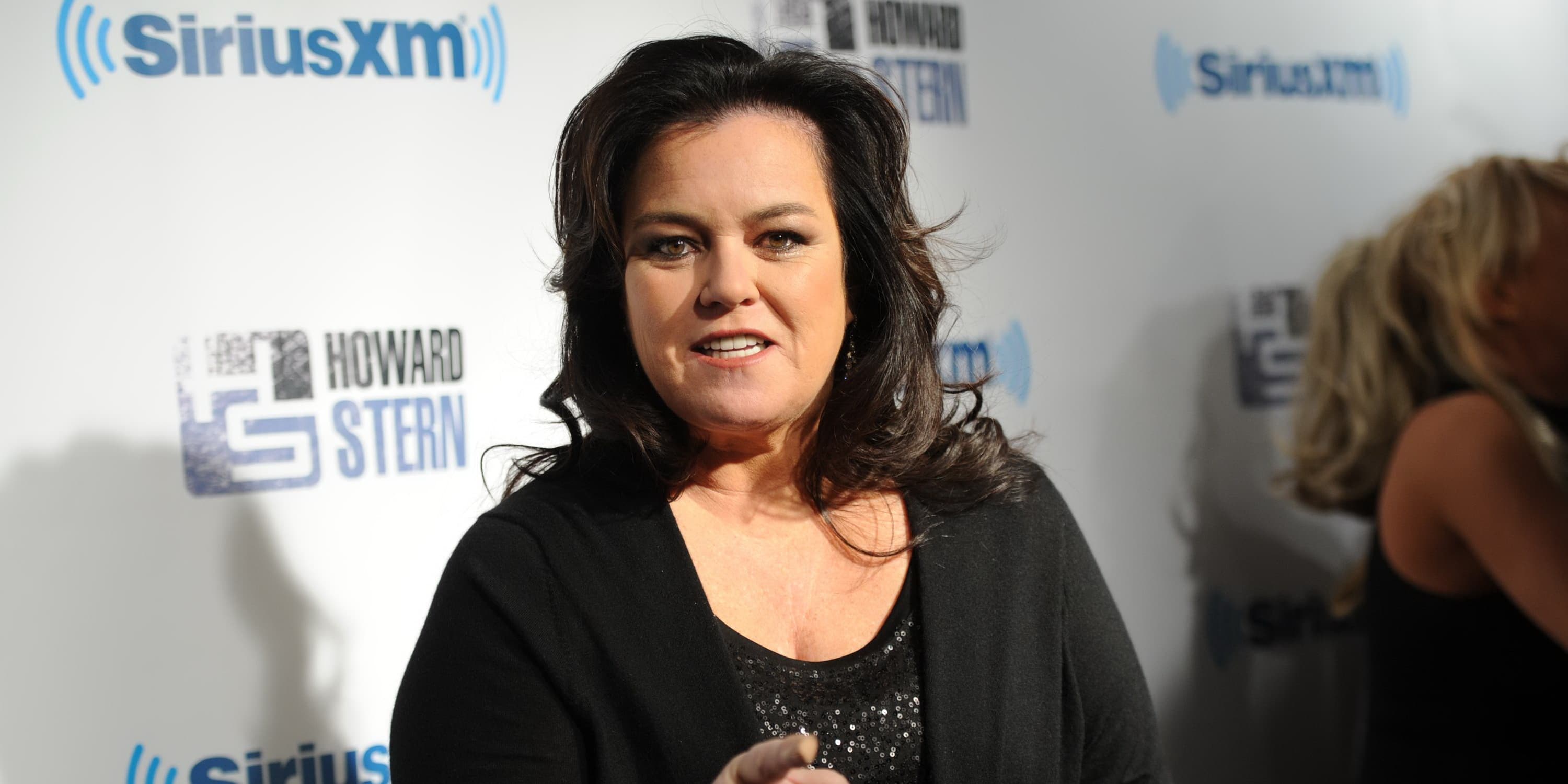
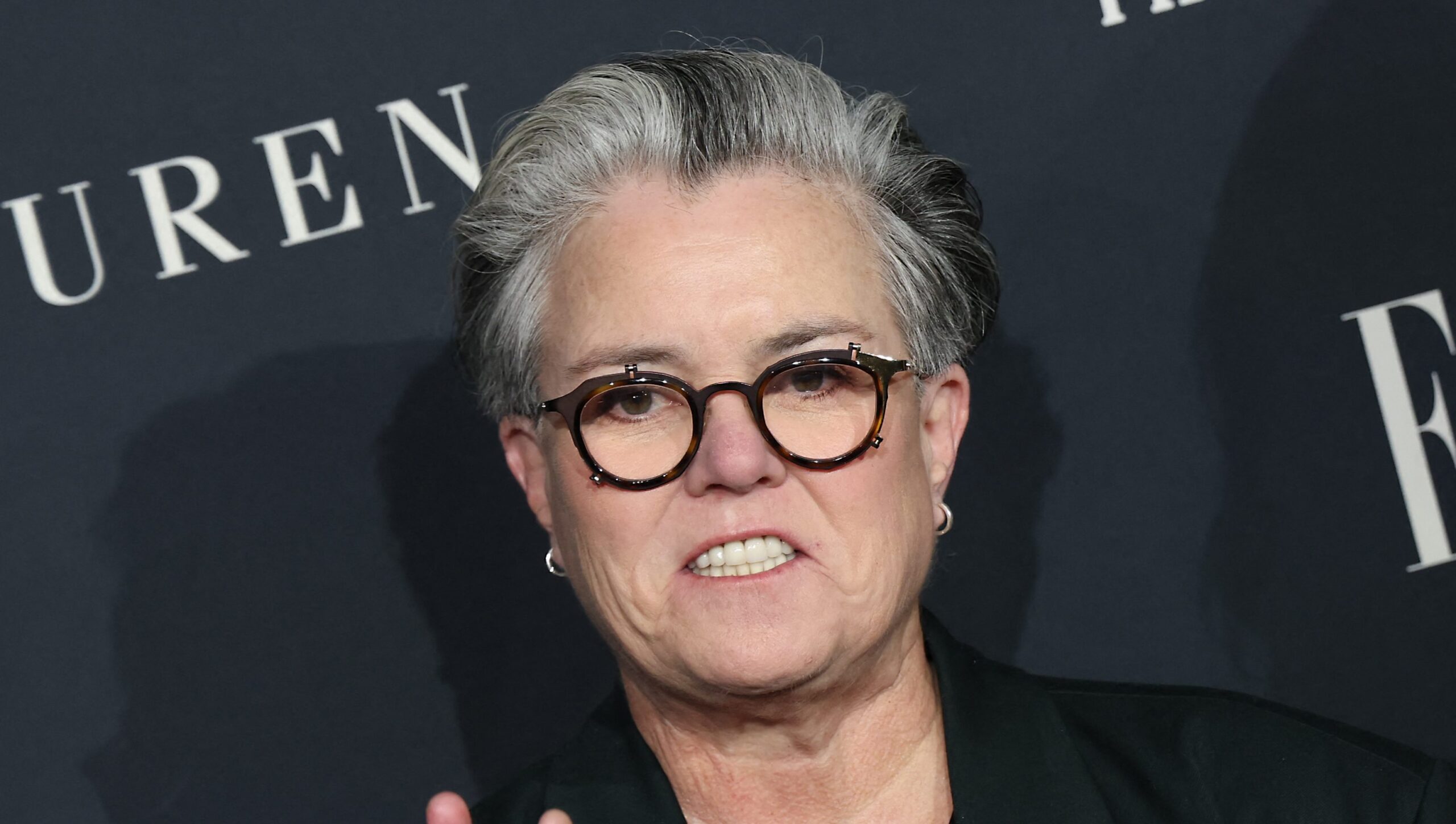
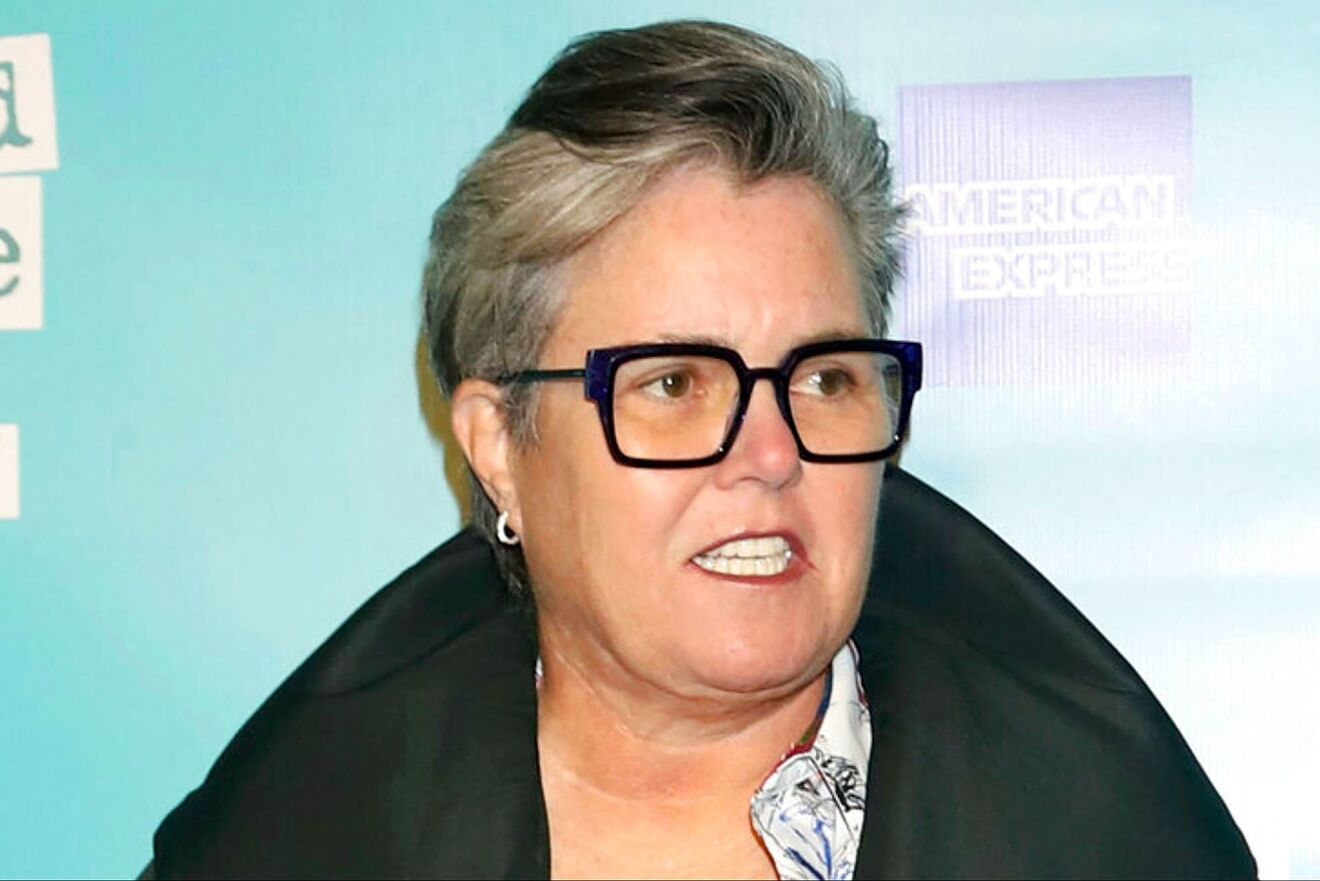
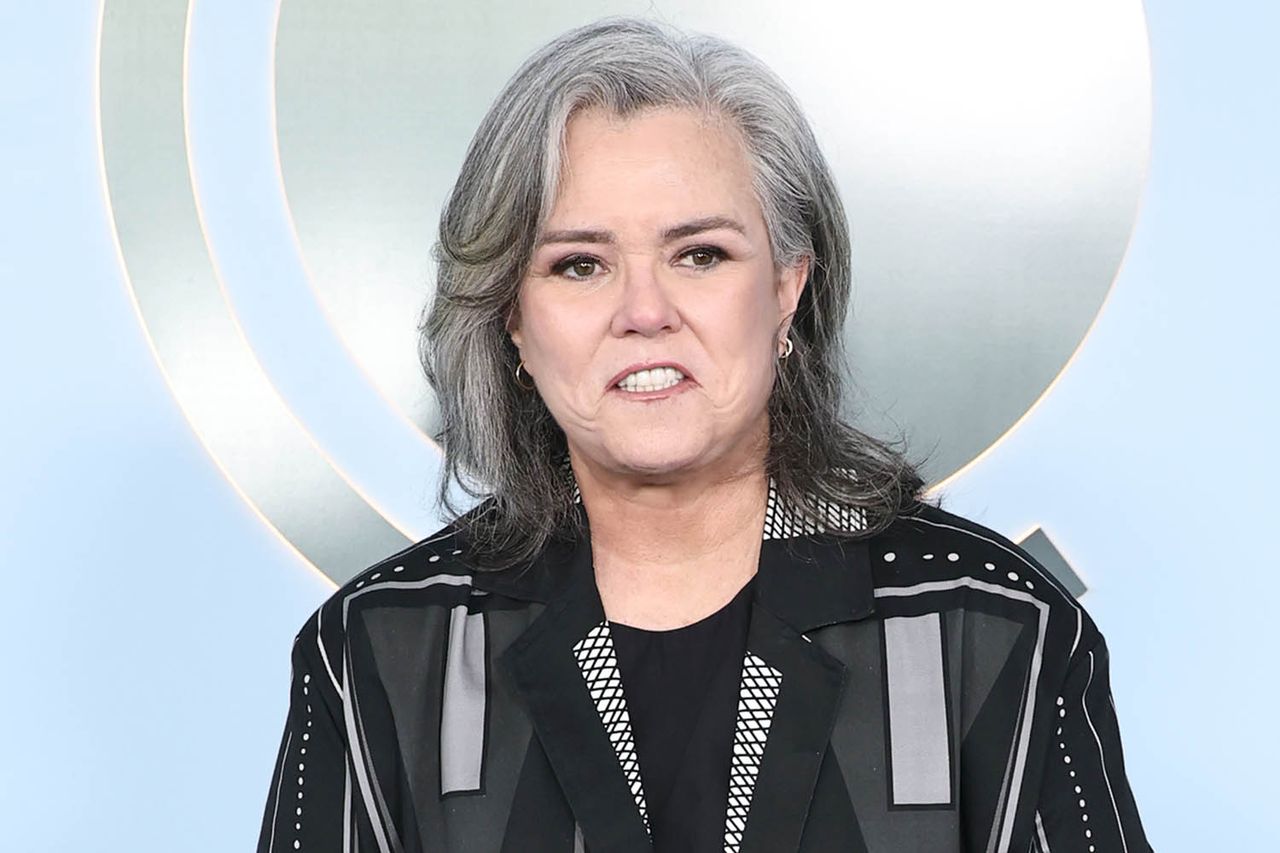
In 2018, Rosie O'Donnell's net worth was reliably estimated at approximately $120 million. This substantial fortune was accumulated across a decades-long career as a hit stand-up comedian, blockbuster film actress, daytime talk show host, broadway producer, and astute real estate investor, supplemented by lucrative syndication contracts from The Rosie O'Donnell Show.
Breaking Down the Numbers: Rosie O'Donnell's Financial Standing in 2018
Financial analyses published in 2018 evaluated Rosie O'Donnell’s net worth at roughly $120 million. While celebrity wealth estimates are subject to tax liabilities, management fees, and private legal settlements, this figure reflected more than thirty years of continuous high-earning media engagements. Unlike performers who rely solely on acting salaries, O'Donnell secured executive producer rights and syndication stakes early in her daytime television career, establishing long-term revenue streams that continued generating capital long after her daily broadcast ended.
By 2018, O'Donnell had transitioned from high-volume television hosting to selective acting projects, voice roles, stand-up appearances, and real estate management. Her wealth profile combined liquid capital from television syndication with an extensive portfolio of prime real estate across New York and Florida. Evaluated against peers in daytime television during the late 1990s and early 2000s, O'Donnell ranked among the highest-paid female entertainers in America, earning annual compensation that rivaled contemporary industry leaders.
The Primary Wealth Drivers of Rosie O'Donnell's Career
ROSIE O'DONNELL'S MAIN REVENUE ENGINES
- Daytime Syndication (The Rosie O'Donnell Show 1996–2002)
- Feature Film & Voice Acting (A League of Their Own, etc.)
- Strategic Real Estate Development & Property Sales
- Television Contracts & Producer Credits (The View, HBO)
Syndication and Daytime Television: The Rosie O'Donnell Show
The cornerstone of O'Donnell’s financial empire was The Rosie O'Donnell Show, which aired from 1996 to 2002. Distributed by Telepictures, a subsidiary of Warner Bros. Television, the show became a massive critical and commercial success, earning multiple Daytime Emmy Awards and dominating daytime ratings. At the height of the program's popularity, O'Donnell commanded an annual salary estimated between $14 million and $15 million.
Beyond her base host salary, O'Donnell served as executive producer through her production company, KidRo Productions. This structural ownership allowed her to participate directly in backend profits and syndication licensing deals. When the show was sold into secondary syndication markets worldwide, the residual cash flows provided an ongoing financial foundation that propelled her overall net worth past the nine-figure mark.
High-Profile Film and Voice Acting Roles
Before establishing her daytime hosting platform, O'Donnell built commercial equity through a series of box-office hits in the early-to-mid 1990s. Her breakout film role in A League of Their Own (1992) established her as a recognizable Hollywood talent, leading to prominent roles in Sleepless in Seattle (1993), Another Stakeout (1993), and The Flintstones (1994). The Flintstones alone grossed over $340 million globally, generating major compensation packages for its primary cast.
O'Donnell also lent her voice to animated features, most notably playing Terk in Disney’s Tarzan (1999). Disney feature animation roles during that era carried lucrative compensation packages, including soundtrack royalties and merchandising Participation. These film credits created a strong capital reserve that gave her financial leverage when negotiating her television contracts in 1995.
Stints on The View, Broadway, and Television Guest Roles
O'Donnell’s tenure on ABC's daytime talk show The View occurred in two separate contract periods: 2006–2007 and 2014–2015. During her initial season, her presence drove ratings up by double-digit percentages, commanding a reported single-season contract worth $5 million to $7 million. Her second turn on the panel in 2014 added another multi-million-dollar broadcast agreement to her balance sheet.
In addition to network television, O'Donnell invested in and performed on Broadway, appearing in revivals of Grease, Seussical, and Fiddler on the Roof. She also produced the 2003 Broadway musical Taboo. While Broadway investments carry high capital risk, her diverse involvement reinforced her industry influence and generated additional income through live event production and stage acting compensation.
Strategic Real Estate Investments and Asset Portfolio
Real estate transactions have played a fundamental role in preserving and growing O'Donnell's overall wealth. Over several decades, she routinely bought, developed, and liquidated high-value residential properties in elite real estate markets.
| Property Location | Acquisition Year | Estimated Purchase Price | Sale Year | Estimated Sale Price | Key Financial Detail |
|---|---|---|---|---|---|
| Star Island (Miami Beach, FL) | 1999 | $6.75 Million | 2013 | $16.5 Million | Realized an approximate $9.75 million gross capital gain before improvements. |
| Nyack Compound (Hudson Valley, NY) | 2001–2008 | ~$8.6 Million (combined) | 2018–2021 | ~$5.1 Million (parceled) | Multi-home riverfront compound sold in separate luxury residential parcels. |
| West Village Triplex (NYC) | 2012 | $12.6 Million | 2015 | $10.5 Million | Premium Manhattan real estate liquidated during portfolio restructuring. |
| Saddle River Estate (New Jersey) | 2013 | $6.37 Million | 2021 | $5.3 Million | Substantial suburban estate held for long-term family residence. |
| West Palm Beach Waterfront (FL) | 2015 | $5.0 Million | Active Portfolio | Valuation Varies | Coastal estate purchased following Florida property market adjustments. |
Her most profitable real estate deal occurred on Miami Beach’s exclusive Star Island. Purchasing the estate in 1999 for $6.75 million, she held the property through major market cycles before selling it in 2013 for $16.5 million. Although some subsequent northern residential sales yielded lower proceeds due to shifting regional demand, her active management of high-end real estate protected her broader portfolio against inflation and market volatility.
Financial Impact of Divorces, Legal Settlements, and Personal Expenses
Evaluating a public figure's net worth requires examining capital outflows alongside gross earnings. O'Donnell has navigated major personal life transitions that involved public financial settlements:
- Marital Settlements: O'Donnell was married to Kelli Carpenter in 2004 (later annulled) and to Michelle Rounds in 2012. The legal dissolution of her marriage to Rounds, finalized in early 2016, involved financial division of marital assets and structured spousal arrangements.
- Legal & Management Fees: Standard industry overhead—including talent agency commissions (typically 10%), legal retainers, financial management fees (2–5%), and publicity counsel—consumes a significant percentage of gross earnings.
- Production Costs & Business Operations: Operating independent production entities like KidRo Productions requires ongoing capital for staffing, legal clearance, overhead, and script development.
Despite these necessary expenditures, O'Donnell’s disciplined management of syndication revenues and real estate equity ensured that her core net worth remained stable at approximately $120 million by 2018.
Philanthropy and Charitable Capital Allocation
A significant portion of O'Donnell's earnings has been directed into charitable causes rather than private capital accumulation. In 1997, she established Rosie's For All Kids Foundation, focused on funding early childhood education, child care programs, and underserved community centers across the United States.
- ROSIE'S FOR ALL KIDS FOUNDATION
- Early Childhood Education: Over $27M granted to non-profits
- Rosie's Theater Kids: Performing arts for NYC youth
Key highlights of her philanthropic allocations include:
- Direct Grants: The foundation has awarded over $27 million in grants to non-profit organizations dedicated to child welfare and early education.
- Rosie's Theater Kids: Founded in 2003, this non-profit organization provides free instruction in music, dance, and drama to New York City public school students. O'Donnell has contributed millions of dollars in direct funding and ongoing operational support to sustain its educational facilities.
- Disaster Relief: O'Donnell has personally donated millions to targeted relief funds, including contributions following Hurricane Katrina and support for veteran families.
Frequently Asked Questions
What was Rosie O'Donnell's estimated net worth in 2018?
Rosie O'Donnell's net worth in 2018 was estimated at approximately $120 million, compiled from her daytime television contracts, backend syndication points, feature film salaries, and real estate assets.
How much did Rosie O'Donnell make per year on The Rosie O'Donnell Show?
At the peak of The Rosie O'Donnell Show between 1999 and 2002, O'Donnell earned an annual salary of approximately $14 million to $15 million, in addition to her executive producer profit shares.
What was Rosie O'Donnell's most profitable real estate deal?
Her most profitable single property transaction was her Star Island estate in Miami Beach, Florida. She bought the property for $6.75 million in 1999 and sold it in 2013 for $16.5 million, realizing a gross profit of nearly $10 million.
How did her time on The View impact her overall net worth?
Her two separate tenures on The View (2006–2007 and 2014–2015) earned her multi-million-dollar annual contracts—estimated at $5 million to $7 million per season—while boosting her media profile for secondary project negotiations.
Key Takeaways for Analyzing Entertainment Wealth Figures
When evaluating high-net-worth media figures like Rosie O'Donnell, financial analysts look beyond upfront salary numbers. Long-term wealth retention in entertainment relies on three primary practices:
- Backend Ownership over Base Pay: Securing executive producer status and syndication equity creates ongoing passive income streams that outlast single-season broadcast runs.
- Asset Diversification: Reinvesting television earnings into prime waterfront and metro real estate provides a hedge against inflation and shifts in entertainment industry demand.
- Structured Wealth Management: Balancing high gross earnings with philanthropic commitments and personal asset protection requires disciplined tax planning and management oversight.
Understanding these financial structures gives a clear picture of how top media personalities build, maintain, and protect multi-generational fortunes.