The year 2018 was defined by Logan Paul’s "Suicide Forest" video, which triggered global outrage and forced YouTube to overhaul its monetization and content moderation policies. This event marked the end of the platform's unregulated era, leading to stricter creator oversight and a significant shift in Paul's career trajectory.
The Aokigahara Incident: A New Year’s Disaster
On January 1, 2018, Logan Paul uploaded a vlog titled "We found a dead body in the Japanese Suicide Forest." The video featured Paul and his entourage exploring Aokigahara, a forest on the slopes of Mount Fuji known as a site where many people die by suicide. In the video, Paul encountered the body of a deceased individual and proceeded to film the scene, including close-ups of the body (with the face blurred), while making jokes and reacting with a mix of shock and levity.
The immediate reaction was unprecedented in the history of social media. Within 24 hours, the video had garnered millions of views before being taken down by Paul himself. However, the damage was already done. The incident didn't just spark a conversation about poor taste; it ignited a global debate regarding the ethics of the attention economy and the responsibilities of platforms that host influential "mega-creators." For Paul, who was then the face of the "Maverick" brand and a hero to millions of children and teenagers, the backlash was a sudden and violent collision with reality.
The cultural impact was compounded by the timing. As the first major viral event of 2018, it set a somber and contentious tone for the year. It highlighted the "Wild West" nature of early YouTube, where the race for views often bypassed basic human decency and editorial oversight. The incident served as a catalyst for a broader movement demanding accountability for digital influencers who wield the same reach as traditional television networks but without the same regulatory constraints.
Immediate Fallout: Public Outcry and Media Backlash
The condemnation of Logan Paul’s actions was swift and universal. Celebrities, fellow creators, and mental health organizations issued statements criticizing the dehumanization of the victim and the trivialization of suicide. Figures like Aaron Paul and Sophie Turner took to X (then Twitter) to voice their disgust, while the YouTube community—ordinarily protective of its own—largely distanced itself from Paul.
The backlash was not limited to social media. Major news outlets worldwide, including the BBC, CNN, and the New York Times, covered the story, bringing the niche world of YouTube drama into the mainstream public consciousness. This transition was significant; it was no longer just a "kid on the internet" making a mistake—it was a multi-million-dollar media entity failing a massive public trust.
In response, Logan Paul issued a written apology followed by a video titled "So Sorry." While the video received hundreds of millions of views, many critics viewed it as a performative attempt at damage control rather than a sincere moment of reflection. The pressure then shifted to YouTube. The platform was accused of being slow to react, as the video had trended on the "Trending" tab for hours despite violating community guidelines regarding graphic content. This inertia forced YouTube’s leadership to make a series of drastic decisions that would reshape the creator economy for years to come.
Platform Reckoning: How YouTube Changed Forever
Before 2018, YouTube’s relationship with its top creators was largely symbiotic and hands-off. The Aokigahara incident forced the platform to adopt a more interventionist stance. YouTube’s first major move was to remove Logan Paul from Google Preferred, an elite ad program that gave top-tier creators access to higher-paying brand deals. Additionally, his YouTube Original projects, including the sequel to his film The Thinning, were put on indefinite hold.
The policy shifts that followed were even more consequential for the broader community. YouTube introduced more stringent requirements for monetization, raising the threshold for the YouTube Partner Program. This move was designed to weed out low-quality or "bad actor" channels, but it also made it harder for smaller creators to earn a living.
Key policy changes included:
- Manual Review for Top Content: YouTube began manually reviewing videos that were part of the Google Preferred program to ensure they met brand-safety standards.
- Stricter Community Guidelines: The definitions of "harmful or dangerous content" were tightened, with a specific focus on how sensitive topics like mental health and death were depicted.
- The "Three Strikes" Refinement: While the strike system existed, YouTube became more aggressive in applying it to large accounts that historically enjoyed a degree of "too big to fail" immunity.
Comparative Impact of the 2018 Controversy
The ripple effects of the incident affected various stakeholders differently. The following table outlines the immediate and long-term consequences across the digital ecosystem.
| Stakeholder | Immediate Action | Long-Term Impact (As of 2026) |
|---|---|---|
| Logan Paul | Demonetization & Google Preferred removal. | Rebranded as a professional wrestler and business mogul (Prime). |
| YouTube | Policy overhaul and "Adpocalypse" expansion. | Integrated AI-driven moderation and manual review for top-tier ads. |
| Advertisers | Pulled budgets from "edgy" content. | Demand for "Brand Safety" became the primary driver of content trends. |
| General Creators | Faced stricter monetization hurdles. | Professionalization of the industry; higher barrier to entry. |
| Viewers | Increased skepticism of influencer authenticity. | Shift toward long-form, "authentic" storytelling and documentary styles. |
The Road to Redemption: Rebranding a Pariah
Looking back from 2026, the 2018 incident is viewed as the "Year Zero" of Logan Paul’s modern career. After a brief hiatus, Paul returned to the platform with a documentary-style video about suicide prevention, though critics remained skeptical of his pivot. However, the true transformation occurred through diversification.
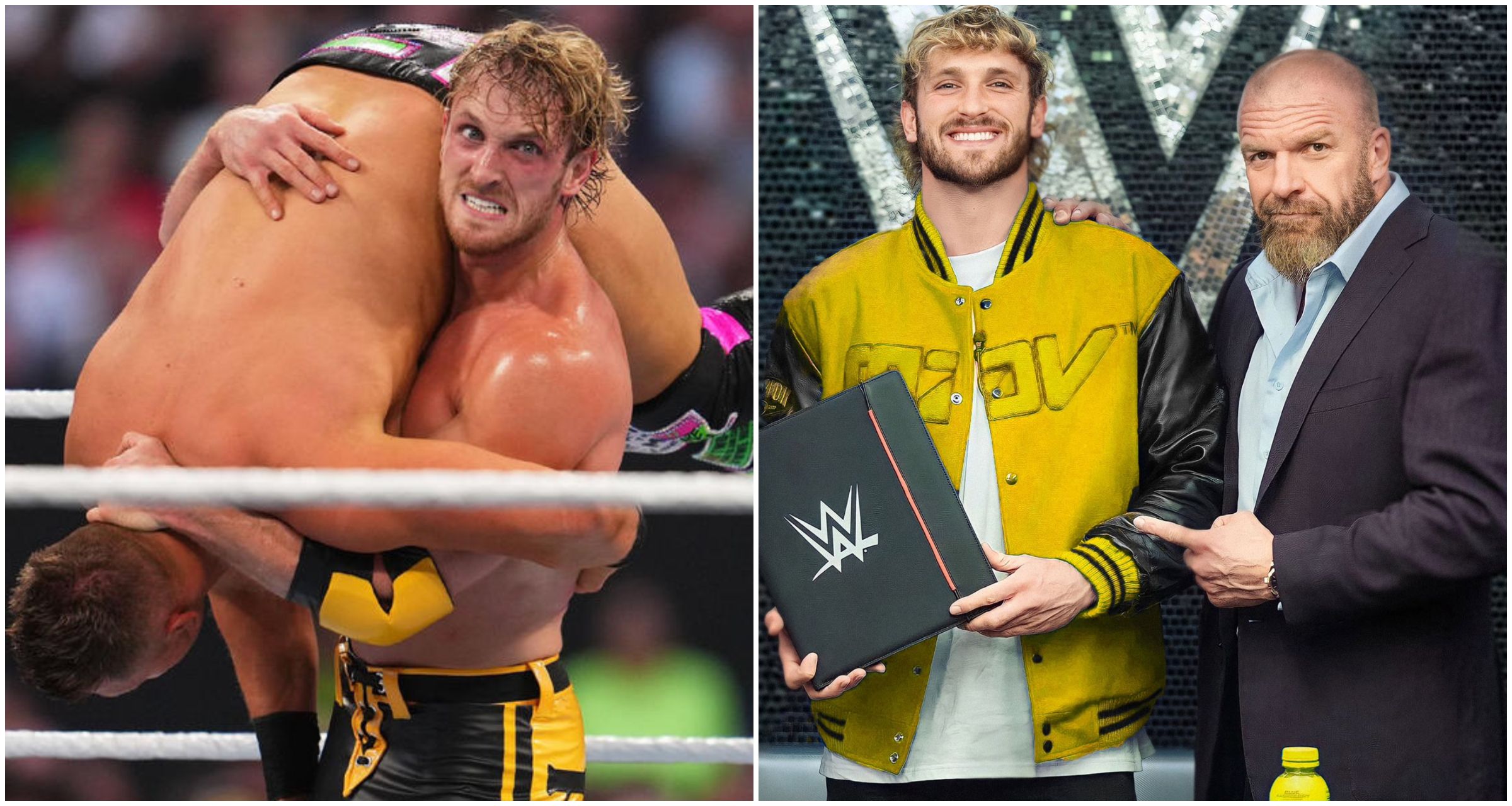
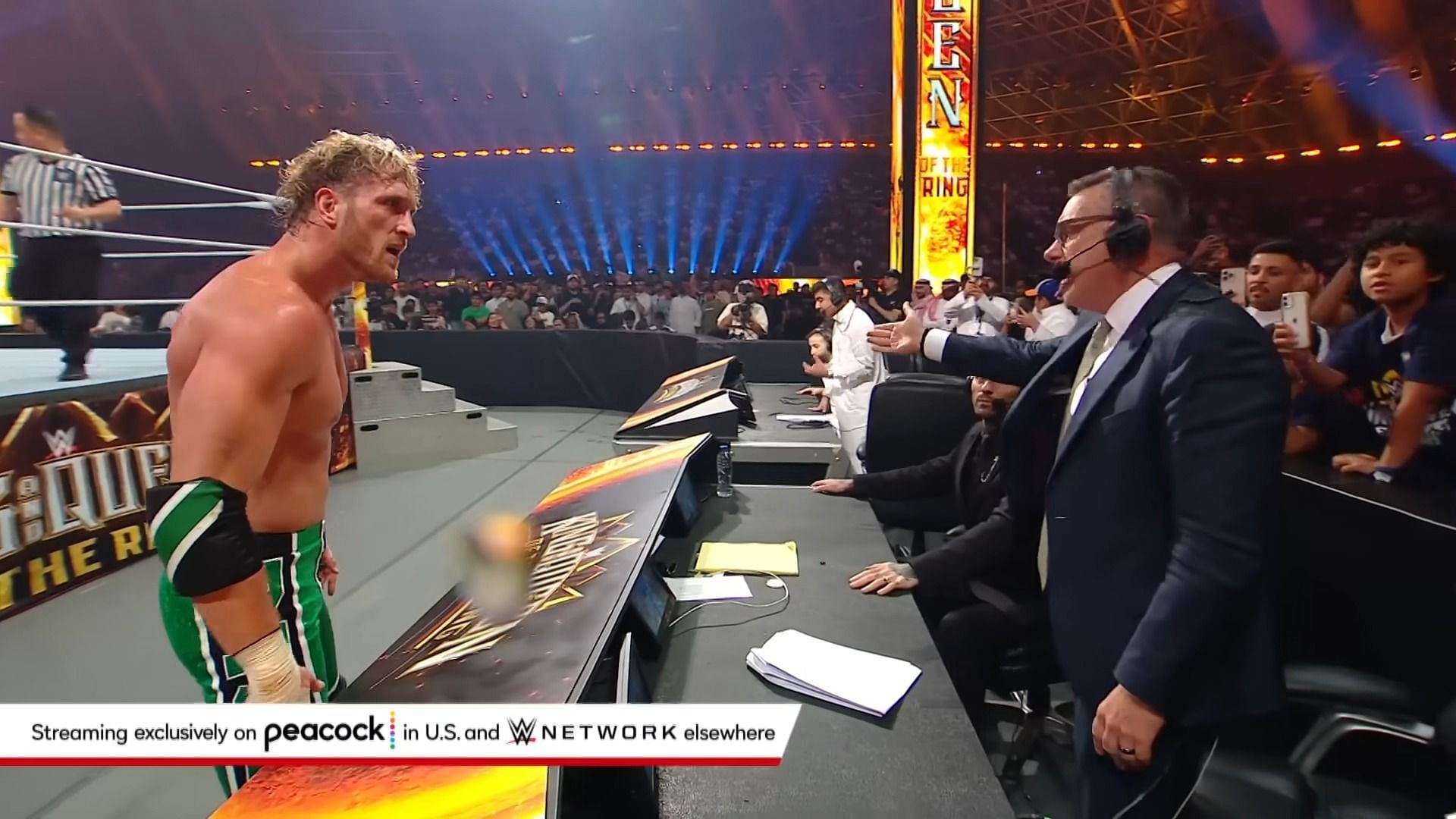
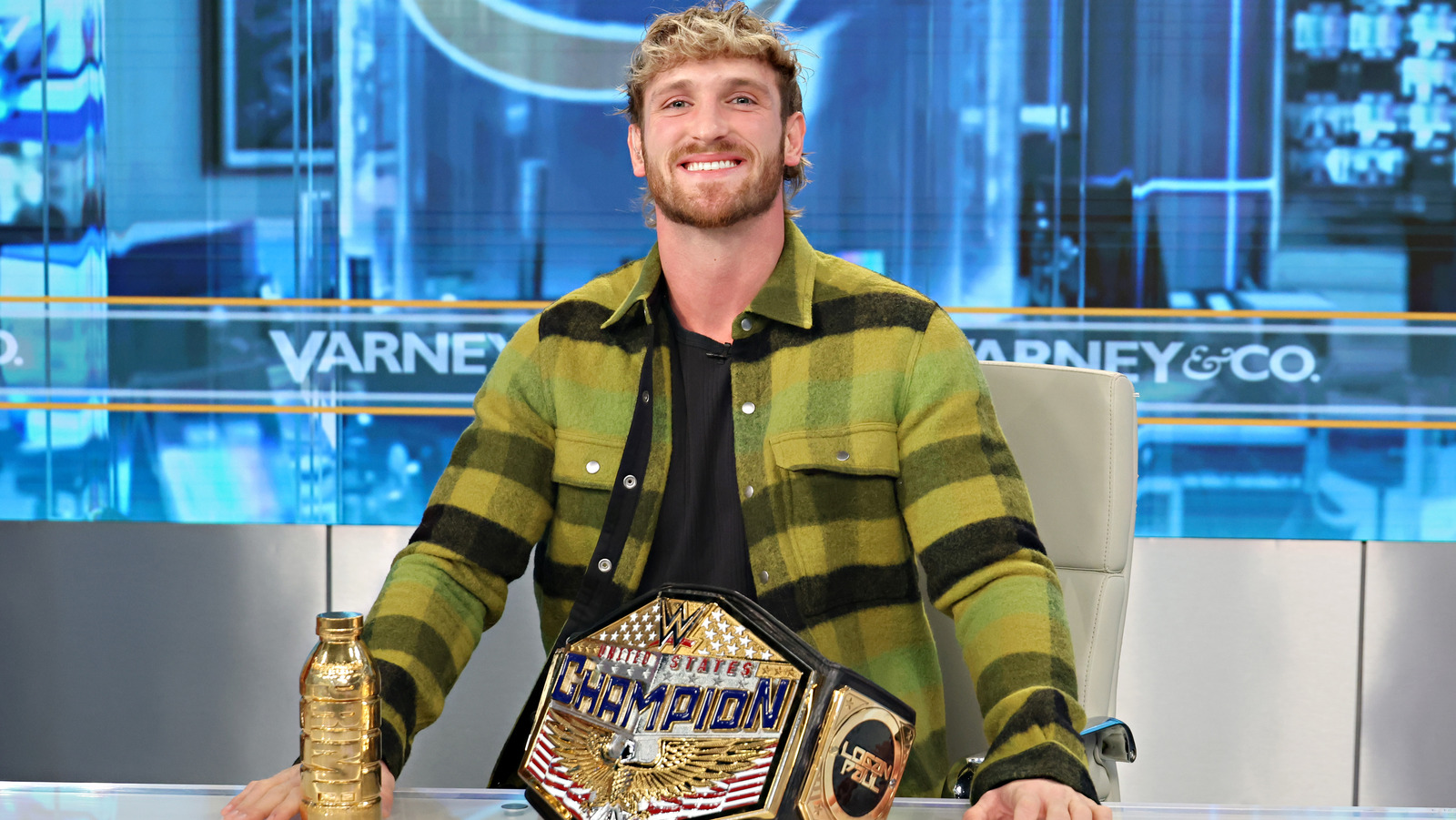
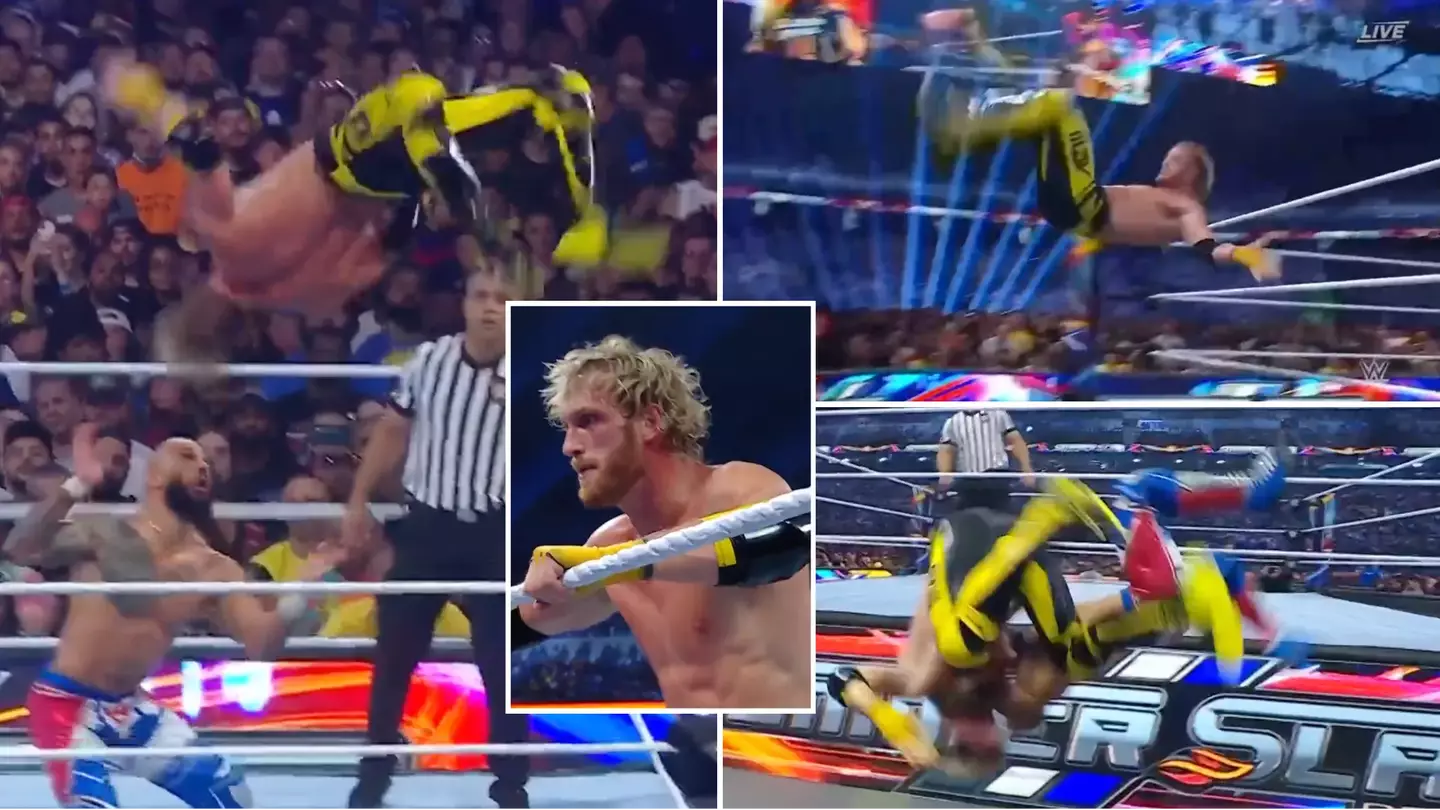
Paul realized that the "vlogger" archetype was no longer sustainable in a post-2018 regulatory environment. He transitioned into professional boxing, most notably fighting Floyd Mayweather in an exhibition match, and eventually secured a high-profile contract with the WWE. By shifting his persona from an unfiltered prankster to a disciplined athlete and entrepreneur, he managed to bypass the "cancellation" that many thought would end his career.
His co-founding of the beverage company Prime further solidified this transition. By 2026, the brand has become a global powerhouse, illustrating how an influencer can move away from platform-dependent revenue (AdSense) to tangible product ownership. This "Logan Paul Blueprint" is now studied by creators worldwide as a masterclass in crisis management and brand evolution, even if the origins of that evolution were rooted in a profound ethical failure.
Broader Cultural Significance: The Era of Creator Accountability
The 2018 Logan Paul controversy was a watershed moment for "cancel culture." It was one of the first times a digital creator faced consequences that mirrored those of traditional Hollywood stars. It established a precedent where the audience—not just the platform—acted as the moral arbiter of content.
This era also birthed the "Commentary Channel" boom. Creators like Coffeezilla and others began focusing on accountability, deep-diving into the ethics and business practices of their peers. This created a self-policing mechanism within the community that had been absent during the 2014–2017 "Prank Era."
Furthermore, the incident forced a global conversation about the mental health of creators. The pressure to upload daily, stay relevant, and constantly escalate the "shock factor" was identified as a primary driver behind Paul's lapse in judgment. While this did not excuse his actions, it provided context for a systemic issue within the platform's algorithm that rewarded extreme behavior.
Frequently Asked Questions
What exactly did Logan Paul do in the 2018 video?
In a video filmed in Japan’s Aokigahara forest, Logan Paul filmed the body of a man who had recently died by suicide. Paul and his companions were seen reacting to the body with a combination of shock and inappropriate humor. The video was uploaded to his YouTube channel, where it remained for several hours, reaching the trending page before Paul deleted it following massive public outcry.
How did YouTube punish Logan Paul for the incident?
YouTube took several disciplinary actions, including removing his channel from the Google Preferred ad tier and putting his YouTube Original film projects on hold. They also temporarily suspended all advertising on his channel after a subsequent incident involving a taser and a dead rat. Most importantly, the event led to platform-wide changes in how all top-tier creators were monitored and monetized.
Did the 2018 incident lead to the "Adpocalypse"?
The 2018 incident was a major contributor to the second wave of the "Adpocalypse." While the first wave in 2017 was triggered by ads appearing next to extremist content, Paul's video proved to advertisers that even "vetted" top-tier creators could pose a brand-safety risk. This led to even more aggressive demonetization algorithms and stricter content guidelines that changed the financial landscape for influencers.
Is Logan Paul still banned from YouTube?
No, Logan Paul was never permanently banned from YouTube. His channel was demonetized for a period, and he faced various restrictions, but he was eventually allowed to resume normal operations. Since 2018, he has shifted his focus away from daily vlogging toward podcasting (Impaulsive), boxing, and business ventures, which has largely shielded him from further platform-specific controversies.
What was the long-term impact on mental health awareness?
The incident inadvertently sparked a massive global conversation about suicide prevention and the ethics of filming sensitive content. Many mental health organizations used the moment to educate the public on how to responsibly discuss suicide. It also led to YouTube implementing new resources, such as prominent links to help hotlines when users search for sensitive terms related to self-harm.
Implementing Digital Ethics and Crisis Management
For creators and brands navigating the landscape in 2026, the lessons of 2018 remain vital. The most significant takeaway is that authenticity does not excuse a lack of empathy. Content creators must implement their own internal "editorial boards," even if that board is just a trusted peer or manager who can provide an outside perspective on sensitive footage before it goes live.
Brands should also look at the 2018 incident as a case study in "Guilt by Association." When partnering with influencers, it is no longer enough to look at reach and engagement; a deep dive into the creator’s historical judgment and brand alignment is mandatory. In the modern era, a single viral mistake can devalue a partnership overnight, making rigorous vetting and "morality clauses" in contracts more important than ever.