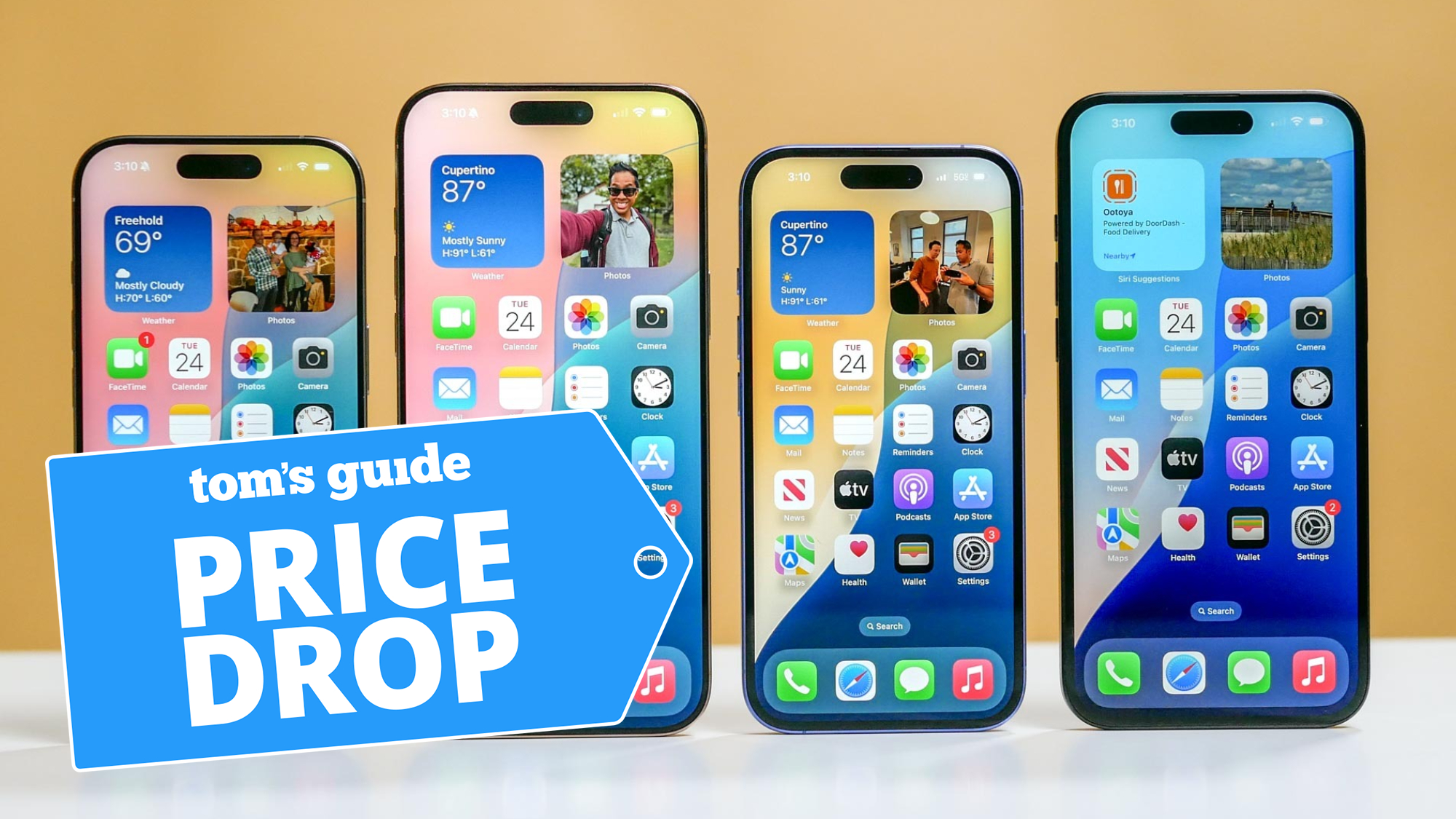
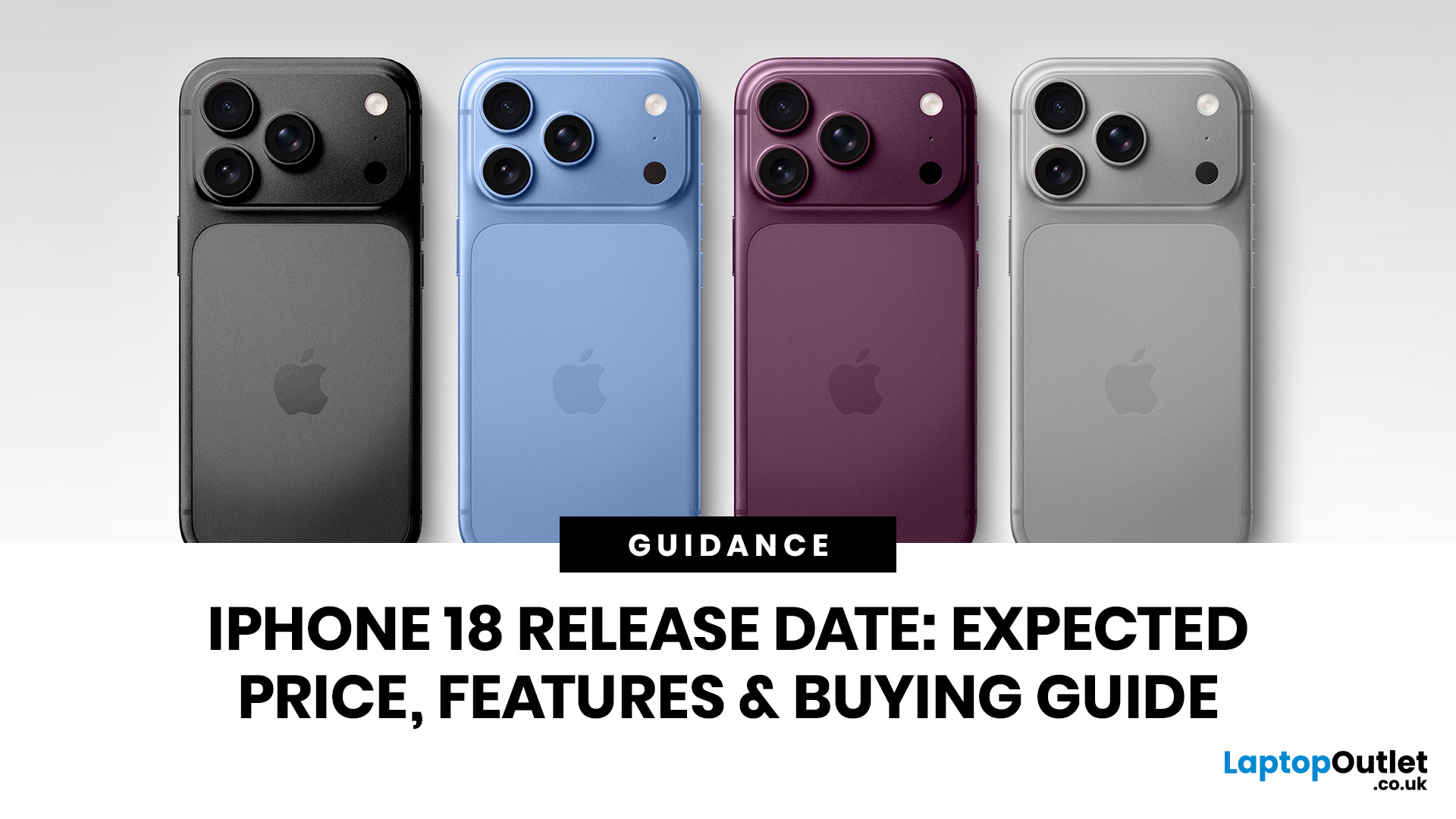
The 2018 iPhone lineup, consisting of the iPhone XS, iPhone XS Max, and iPhone XR, represented a pivotal transition in Apple’s hardware strategy, moving entirely away from the classic home button design. In 2026, these devices serve as entry-level legacy options for budget-conscious users, secondary "burner" phones, or reliable starter devices for children.
The 2018 releases were the first to utilize the A12 Bionic chip, the industry’s first 7-nanometer processor, which significantly improved efficiency and machine learning capabilities compared to the previous A11. While these models are now considered vintage by modern standards, understanding their technical architecture, current software compatibility, and market value is essential for anyone looking to acquire or maintain one in the current year.
The 2018 iPhone Lineup: A Three-Tiered Strategy
In September 2018, Apple introduced three distinct models to cater to different market segments. This was the first time the company launched a "budget" alternative (the XR) alongside a standard and a "Max" flagship simultaneously. This strategy set the template for the Pro and non-Pro tiers that Apple continues to use today.
The iPhone XS served as the direct successor to the iPhone X, maintaining the 5.8-inch form factor that many users preferred for one-handed use. The iPhone XS Max was a response to the growing demand for "phablet" sized devices, offering a massive 6.5-inch display in a footprint similar to the older "Plus" models. Meanwhile, the iPhone XR was positioned as the "colorful" entry point, utilizing a Liquid Retina LCD to keep costs down while offering the same internal processing power as its more expensive siblings.
Choosing between these models in 2026 requires a balance between display quality and battery longevity. The XS series offers superior OLED technology and stainless steel durability, whereas the XR provides better battery life per charge due to its lower-resolution screen and larger physical battery footprint compared to the standard XS.
Technical Specifications: XS vs. XS Max vs. XR
The technical gap between the "Pro-level" XS and the "Standard-level" XR is primarily found in the display technology and camera hardware. All three phones share the A12 Bionic chip, which features a six-core CPU and a four-core GPU. This parity in processing power meant that the cheaper XR performed just as well in benchmarks as the $1,000 XS at the time of launch.
| Feature | iPhone XS | iPhone XS Max | iPhone XR |
|---|---|---|---|
| Display | 5.8" Super Retina OLED | 6.5" Super Retina OLED | 6.1" Liquid Retina LCD |
| Resolution | 2436 x 1125 (458 ppi) | 2688 x 1242 (458 ppi) | 1792 x 828 (326 ppi) |
| Processor | A12 Bionic (7nm) | A12 Bionic (7nm) | A12 Bionic (7nm) |
| RAM | 4GB LPDDR4X | 4GB LPDDR4X | 3GB LPDDR4X |
| Rear Camera | Dual 12MP (Wide/Tele) | Dual 12MP (Wide/Tele) | Single 12MP (Wide) |
| Build Material | Stainless Steel / Glass | Stainless Steel / Glass | Aluminum / Glass |
| Water Resistance | IP68 (2m for 30 min) | IP68 (2m for 30 min) | IP67 (1m for 30 min) |
| Face ID | 2nd Gen Secure Enclave | 2nd Gen Secure Enclave | 2nd Gen Secure Enclave |
| 2026 Price (Est) | $100 - $130 | $140 - $180 | $80 - $110 |
The RAM difference is a significant factor for modern performance. The XS and XS Max carry 4GB of RAM, while the XR has only 3GB. In 2026, this 1GB difference is noticeable when multitasking between resource-heavy applications or browsing complex websites, as the XR is more likely to close background apps to free up memory.
Display Technology and the "Liquid Retina" Compromise
One of the most debated aspects of the 2018 guide is the difference between the Super Retina OLED and the Liquid Retina LCD. The iPhone XS and XS Max utilize OLED panels which offer "true blacks" and a 1,000,000:1 contrast ratio. Because OLED pixels can turn off individually, these devices are ideal for Dark Mode and watching high-dynamic-range (HDR) content.
The iPhone XR features what Apple called the most advanced LCD in a smartphone at the time. However, it lacks the pixel density of the XS models. With a resolution of 326 pixels per inch (ppi), it technically does not reach "1080p" standards, though Apple argued that the human eye cannot distinguish individual pixels at a normal viewing distance. The XR also lacks 3D Touch—a pressure-sensitive feature found on the XS—replacing it with Haptic Touch (a long-press with vibration feedback), which eventually became the standard for all future iPhones.
In 2026, users should be aware that LCD panels like the one in the XR are prone to backlight bleeding over time, whereas older OLED panels on the XS might suffer from "burn-in" or a slight yellowing of the whites if the device was used at high brightness for several years.
Camera Performance and Video Capabilities
The 2018 iPhones introduced Smart HDR, a computational photography feature that uses the A12's Neural Engine to blend multiple exposures into a single photo with better highlight and shadow detail. This was a massive step up from the iPhone X.
The XS and XS Max feature a dual-lens system: a 12MP wide-angle lens and a 12MP telephoto lens with 2x optical zoom. This allows for superior Portrait Mode photos with natural "bokeh" and better performance when zooming in on distant subjects. The iPhone XR, conversely, has a single 12MP wide lens. While it can still perform Portrait Mode via software, it is limited to human subjects; it cannot natively create a blurred background for pets or objects without third-party apps.
For video, all three models support 4K recording at up to 60fps with extended dynamic range and stereo audio recording. In 2026, these cameras remain functional for basic social media posting and video calls, though they lack the Night Mode features and Cinematic Mode found in the iPhone 11 and newer generations.
Battery Life and Longevity in 2026
Battery health is the most critical consideration when purchasing a 2018 iPhone in 2026. Most of these units have gone through hundreds, if not thousands, of charge cycles. Lithium-ion batteries typically begin to degrade after 500 full cycles, usually reaching 80% capacity after two to three years of standard use.
The iPhone XR was legendary for its battery life at launch, often outlasting the XS Max because its lower-resolution LCD required less power to drive. However, in 2026, a refurbished XR with a degraded battery may only provide 4-5 hours of active use.
If you are buying one of these devices today, check the "Battery Health" section in Settings. Any device below 85% maximum capacity will likely experience "peak performance capability" throttling, where the CPU slows down to prevent unexpected shutdowns. Replacing a battery in an XS or XR is a cost-effective way to extend the life of the device for another two years.
Software Support and Security Status
As of 2026, the 2018 iPhone lineup has largely reached the end of its major iOS update lifecycle. While Apple historically supports devices for 6-7 years, the A12 Bionic chip is now nearing the "vintage" designation.
Most 2018 models likely stopped receiving major OS updates (like iOS 19 or 20) and are now relegated to security patches only. For the average user, this means that while most apps will still work, you may eventually lose access to the newest features of the Apple ecosystem, such as advanced AI integrations or the latest UI overhauls.
It is important to verify that the banking and security apps you require still support the version of iOS installed on the device. Typically, app developers maintain compatibility for two versions behind the current iOS release, giving the 2018 models a functional "app life" until roughly 2027.
Finding the Best Deals: Secondary Market Guidelines
Because Apple no longer sells the XS or XR, the only way to acquire one in 2026 is through the secondary market. This includes refurbished retailers, trade-in sites, and private marketplaces.
Where to Buy
- Certified Refurbished Retailers: Websites like Back Market, Gazelle, or Amazon Renewed often provide a 90-day to 1-year warranty. These are the safest options for ensuring the device has been tested and the battery has been inspected.
- Private Marketplaces (eBay/Swappa): These platforms offer the lowest prices but require more due diligence. Always check the seller's rating and ask for the "IMEI" to ensure the device isn't iCloud locked or reported stolen.
- Carrier "Free" Deals: Some budget carriers (MVNOs) still offer the iPhone XR or XS for "free" with a 24-month contract. While the phone is old, this can be a zero-cost entry point for a child's first phone plan.
Pricing Tiers in 2026
Expect to pay between $80 and $180 depending on the model and storage capacity (64GB, 128GB, 256GB, or 512GB). The 64GB models are often too small for modern app sizes and photo libraries, so the 128GB or 256GB variants are highly recommended for a better user experience.
Common Issues and Troubleshooting
When dealing with eight-year-old hardware, specific mechanical and electrical issues become more common. Knowing what to look for can save you from a "dud" purchase.
- Face ID Failure: The TrueDepth camera system is fragile. If a 2018 iPhone has had a poor-quality screen replacement or significant water exposure, Face ID may stop working. This cannot be easily fixed by the user and significantly devalues the phone.
- Charging Port Wear: Over years of use, the Lightning port can become loose or filled with lint. If the phone isn't charging, try cleaning the port with a non-metallic toothpick before assuming the hardware is broken.
- Speaker Muffling: The ear speaker (used for calls) on the XS and XR is known to collect oils and dust, leading to very low volume during calls. A careful cleaning with isopropyl alcohol and a soft brush usually resolves this.
Frequently Asked Questions
Does the 2018 iPhone support 5G?
No, the iPhone XS, XS Max, and XR only support 4G LTE. 5G was not introduced to the iPhone lineup until the iPhone 12 in 2020. While 4G is still widely available and sufficient for browsing, you will not experience the ultra-fast speeds of modern 5G networks.
Can the iPhone XR use two SIM cards?
Yes, all 2018 models introduced Dual SIM support through the use of one physical nano-SIM and one digital eSIM. This allows you to have two phone numbers (such as a work and personal line) on the same device, which is a rare feature for phones in this price bracket in 2026.
Is the iPhone XS still waterproof in 2026?
Technically, the XS was rated IP68. However, water resistance seals (adhesives) degrade over time. After eight years, it is highly likely that the seals have dried out or weakened. It is strongly advised not to submerge a 2018 iPhone in water, as the risk of internal damage is much higher than when the device was new.
Which is better: iPhone XR or iPhone 11?
If the price difference is less than $30, the iPhone 11 is almost always a better choice. The 11 features the A13 chip, an ultra-wide camera, and Night Mode, which are significant upgrades over the XR. However, if you prefer the premium build of stainless steel and an OLED screen, the iPhone XS remains a more "luxurious" feeling device than the base iPhone 11.
Final Recommendation for 2026 Buyers
The 2018 iPhone series remains a functional piece of technology, but it is no longer suitable for "power users" or those who rely on their phones for intensive gaming or professional content creation. If you are looking for a reliable, low-cost device for basic communication, social media, and GPS, the iPhone XS Max is the standout choice for its large screen and superior build quality.
For those on the strictest budget, the iPhone XR is the most practical option due to its durability and commonality of replacement parts. Regardless of the model you choose, prioritize units with at least 128GB of storage and a battery health percentage above 85% to ensure the device remains usable for the next 12 to 24 months.