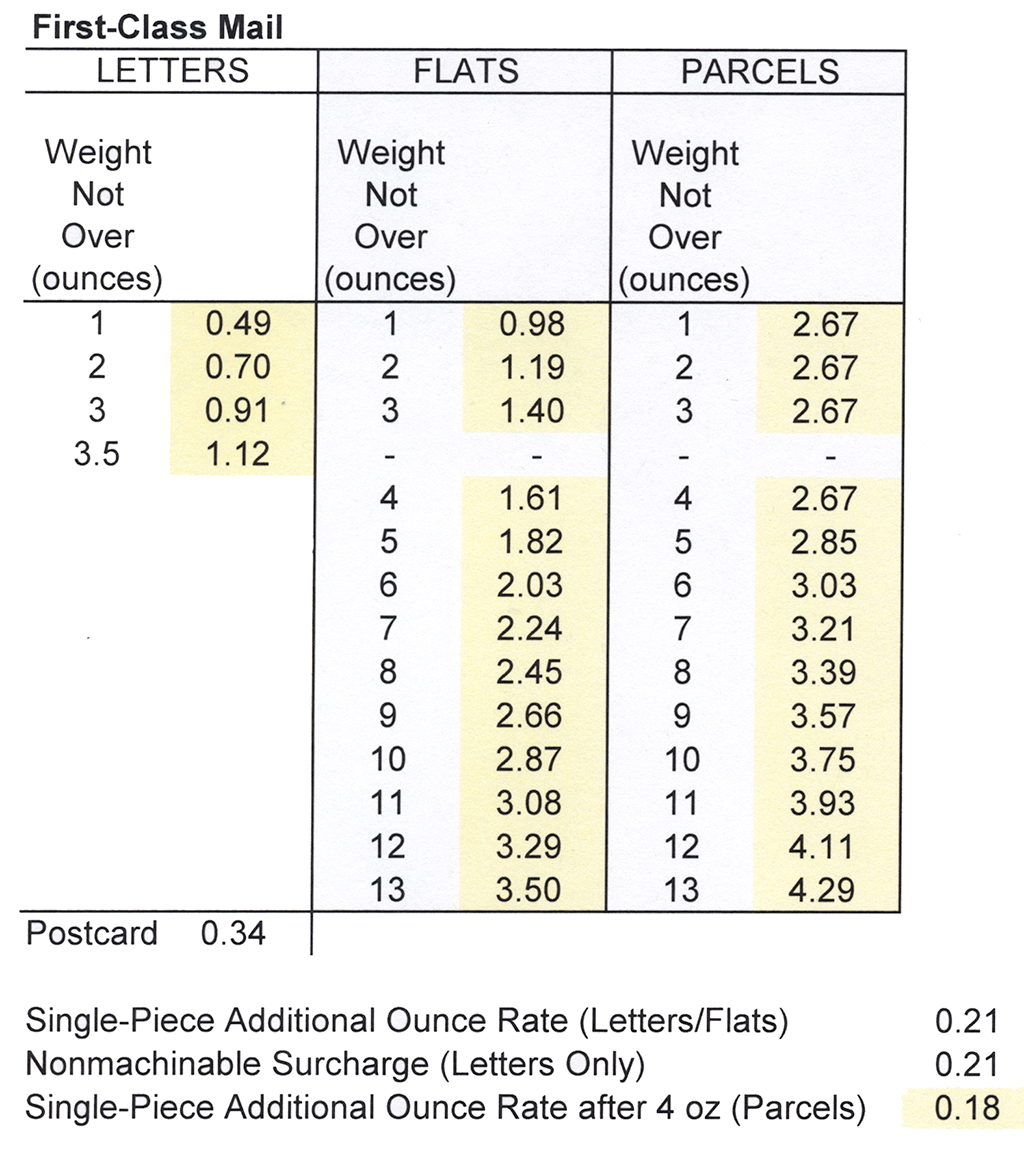
In 2017, the cost of a First-Class Mail Forever stamp was 49 cents. As of 2026, current postage rates have risen significantly due to a series of semi-annual adjustments intended to stabilize the postal service's long-term finances. While stamps purchased at 2017 rates remain valid for mailing standard letters today, the "Forever" designation is the only reason they do not require additional postage.
The 2017 Postage Landscape: A Return to 49 Cents
To understand the 2017 stamp costs, one must look at the unusual regulatory environment of the preceding year. In April 2016, the United States Postal Service (USPS) was forced to implement a rare price decrease. This happened because a temporary "exigent surcharge"—a price hike allowed by the Postal Regulatory Commission (PRC) to help the USPS recover from the 2008 recession—expired. Consequently, the price of a First-Class stamp dropped from 49 cents to 47 cents in 2016.
By January 22, 2017, the USPS moved to correct its revenue trajectory. The 2017 price adjustment raised the cost of a First-Class Mail Forever stamp back to 49 cents. This 2-cent increase was a pivotal moment, signaling the end of the brief price-drop era and the beginning of a more aggressive pursuit of revenue through rate adjustments.
During 2017, the rates for other mail classes were also specifically defined. For instance, the cost of mailing a standard postcard remained at 34 cents, while international outbound letters (1 oz.) were priced at $1.15. These rates reflected a period where price increases were typically tied strictly to the Consumer Price Index (CPI), limiting how much the USPS could raise prices annually.
Current 2026 Stamp Prices and the "Delivering for America" Impact
Fast forward to 2026, and the postal pricing model has fundamentally shifted. Following the 2021 implementation of the "Delivering for America" ten-year plan, the USPS gained broader authority to raise rates above the standard inflation markers. This has resulted in a pattern of semi-annual price hikes occurring every January and July.
In 2026, the cost of a standard First-Class Mail Forever stamp reflects years of these cumulative increases. The strategy shifted from "inflation-matching" to "revenue-optimizing," designed to offset the declining volume of First-Class mail and the rising costs of an expanded delivery network. By 2026, the gap between the 2017 49-cent rate and the current market rate has become a primary point of interest for collectors, small businesses, and casual mailers alike.
Current 2026 rates also emphasize the distinction between retail prices (purchased at a Post Office counter) and metered mail prices (used by businesses with postage machines). To encourage the use of automated systems, the USPS has maintained a "Metered Mail" discount, though even these discounted rates are significantly higher than the 46-cent metered rate seen back in 2017.
Comparative Analysis of Postage Rates (2017 vs. 2026)
The following table provides a direct comparison between the verified historical rates of 2017 and the current pricing environment of 2026. These figures represent the standard retail rates for the most common mail classes.
| Mail Class / Service | 2017 Rate (USD) | 2026 Current Rate (USD) | Percentage Increase |
|---|---|---|---|
| First-Class Mail Letter (1 oz.) | $0.49 | $0.80 - $0.90* | ~63% - 84% |
| First-Class Metered Letter | $0.46 | $0.75 - $0.85* | ~63% - 85% |
| Domestic Postcard | $0.34 | $0.55 - $0.65* | ~61% - 91% |
| First-Class International (1 oz.) | $1.15 | $1.65 - $1.85* | ~43% - 61% |
| Additional Ounce (Letters) | $0.21 | $0.24 - $0.30* | ~14% - 43% |
*Note: 2026 rates reflect the cumulative effect of semi-annual increases authorized under the USPS Delivering for America plan. Users should verify the exact cent-amount at the time of mailing as rates are now adjusted twice per year.
The Utility of the Forever Stamp: 2017 vs. 2026
One of the most significant concepts in American postage is the Forever Stamp. Introduced in 2007, the Forever Stamp is always valid for the current one-ounce First-Class Mail letter rate, regardless of when it was purchased or what the current price is.
If you possess a sheet of stamps purchased in 2017 for 49 cents each, those stamps are functionally worth the 2026 rate (e.g., 80+ cents) when used on a letter today. From a financial perspective, stamps purchased in 2017 have effectively served as a hedge against postal inflation. The 2017 "Total Eclipse of the Sun" or "Disney Villains" stamps, which were popular 2017 releases, are just as valid for a 2026 utility bill or birthday card as a stamp purchased this morning.
However, the "Forever" value only applies to the First-Class Mail 1-ounce rate. If you are using 2017-era "Additional Ounce" stamps (which were not "Forever" stamps but had a fixed 21-cent value), you must add more postage to meet the current 2026 requirements for heavier letters. Understanding this distinction is critical for avoiding "Return to Sender" notifications due to insufficient postage.
Why Postage Rates Increased Between 2017 and 2026
The trajectory of postage costs is not arbitrary; it is governed by the Postal Regulatory Commission (PRC) and federal law. In 2017, the USPS was under a "price cap" system that limited increases to the rate of inflation. This system was criticized by postal leadership as insufficient for covering the massive "unfunded liabilities" related to retiree health benefits and the general operational costs of maintaining delivery to every address in the United States six days a week.
Post-2020 regulatory changes allowed the USPS to move beyond the simple CPI-cap. The current 2026 rates are the result of three specific factors:
- Density Authority: As mail volume per delivery point decreases, the USPS is allowed to increase prices to compensate for the higher "per-piece" cost of delivery.
- Retirement Requirement Authority: Special rate-making authority was granted to help the USPS fund its specific legal obligations regarding employee benefits.
- Inflationary Pressure: Like all sectors, the USPS has faced rising fuel and labor costs between 2017 and 2026, which are passed on to the consumer through the biannual price adjustments.
Managing Mailing Costs in the 2026 Regulatory Environment
For individuals and businesses looking back at the 49-cent rates of 2017 with nostalgia, navigating the 2026 landscape requires more strategic planning. Because rates now change twice a year, holding large inventories of "Forever" stamps remains the most effective way for households to "lock in" prices before the next scheduled increase.
For small businesses, the spread between retail and metered mail has become a vital area for cost savings. In 2017, the gap was 3 cents ($0.49 vs $0.46). In 2026, the USPS continues to incentivize metered mail, often offering a significant discount for those using digital postage meters or online shipping platforms. Businesses that still use physical stamps for high-volume mailing in 2026 are essentially paying a premium that could be mitigated through automation.
Furthermore, 2026 users should be aware of "Ground Advantage" services, which replaced several older package categories. This service offers a more competitive price point for heavier items that do not require the speed of Priority Mail, a distinction that was less pronounced in the 2017 mailing structure.
FAQs about 2017 and Current 2026 Stamp Costs
Can I still use stamps bought in 2017 today?
Yes, any Forever stamp purchased in 2017 can still be used to mail a one-ounce letter in 2026 without adding extra postage. If the stamp has the word "Forever" on it, it covers the current First-Class Mail letter rate, regardless of the price you originally paid (which was 49 cents in 2017).
What was the price of a postcard stamp in 2017?
In 2017, a domestic postcard stamp cost 34 cents. By 2026, this price has risen to over 50 cents, following the broader trend of postal rate increases. Unlike letter stamps, most postcard stamps are not "Forever" stamps unless specifically marked, so check the stamp's face for the "Forever" designation before mailing.
Why do stamp prices change twice a year now?
The USPS moved to a semi-annual (twice-yearly) rate adjustment schedule following the "Delivering for America" plan. This allows the postal service to react more quickly to inflation and operational costs, ensuring they can meet their goal of financial self-sufficiency by 2031.
How much did international stamps cost in 2017?
In 2017, the Global Forever stamp, used for one-ounce international letters, was priced at $1.15. In 2026, the price for international postage is significantly higher, often exceeding $1.60, reflecting the increased costs of international transport and terminal dues paid to foreign postal operators.
Did the USPS ever lower stamp prices after 2017?
No. While there was a price decrease in 2016 (from 49 to 47 cents), the 2017 increase back to 49 cents marked the beginning of a consistent upward trend. There have been no postage rate decreases since the 2017 adjustment.
Final Steps for Current Stamp Verification
To ensure your mail reaches its destination in 2026, always verify the current weight of your envelope. A single "Forever" stamp covers exactly one ounce. If your letter is heavier or contains rigid items, it will require "Additional Ounce" postage, which has also increased since 2017. For those finding 2017 stamps in a drawer, rest assured they remain a valid and valuable asset in 2026, effectively representing a significant discount over today's retail counter prices. For high-volume users, transitioning to metered mail or digital postage remains the most effective way to combat the rising costs seen over the last decade.