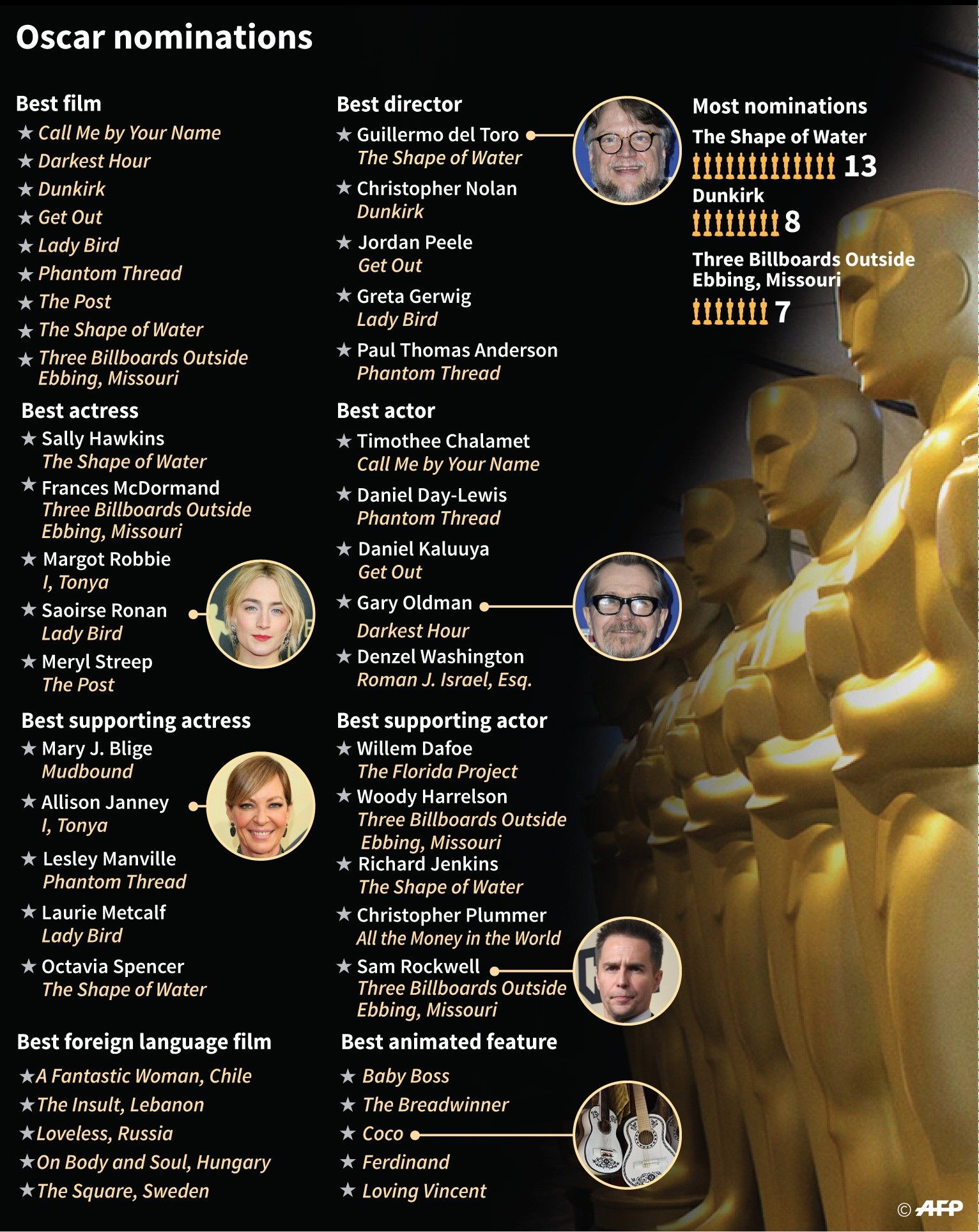
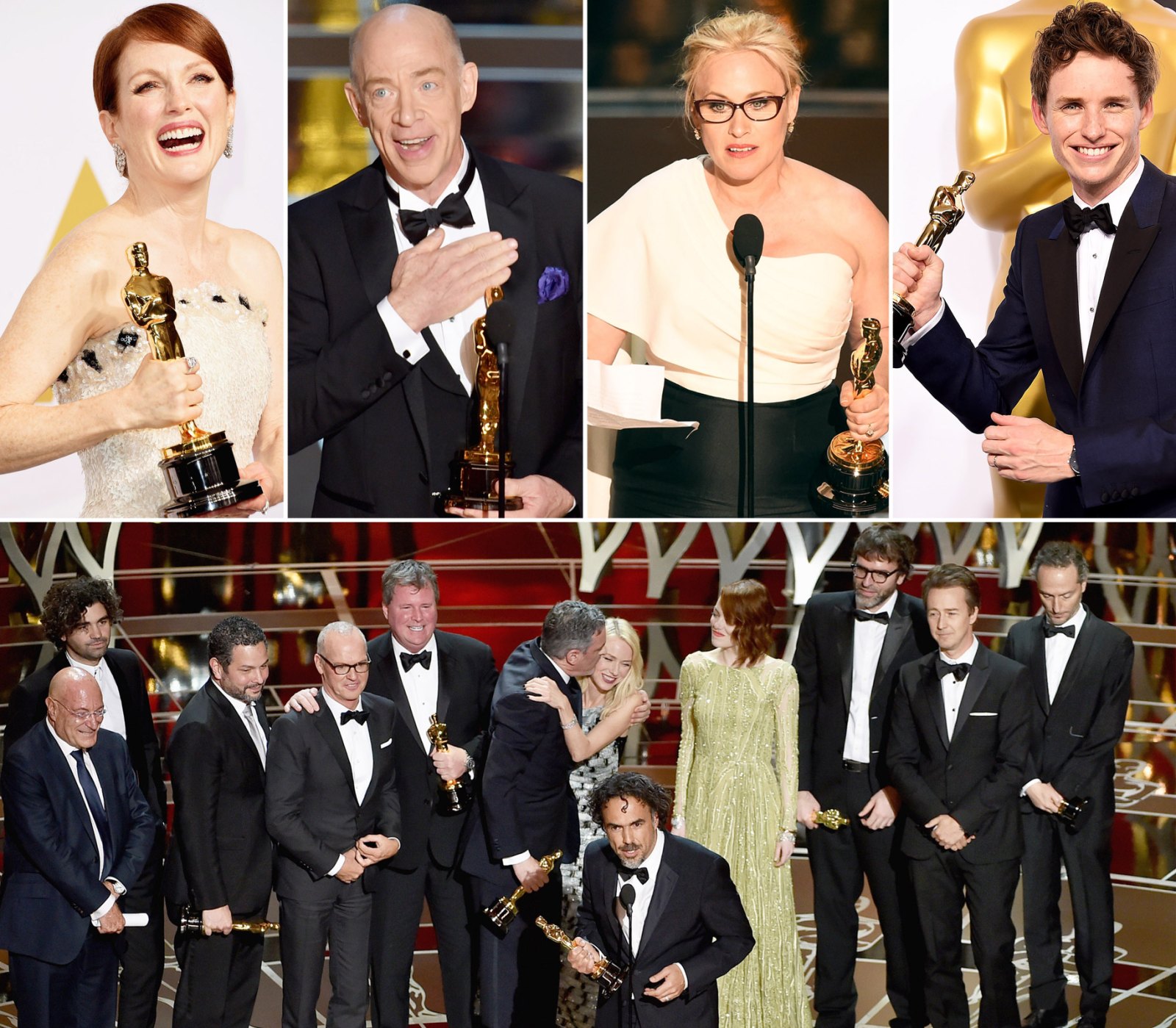
The 2015 Best Picture Oscar winner was Birdman or (The Unexpected Virtue of Ignorance), directed by Alejandro G. Iñárritu. Since then, the Academy of Motion Picture Arts and Sciences has honored a diverse range of films including Spotlight, Moonlight, Parasite, and Oppenheimer, reflecting shifting cinematic trends and industry standards through 2026.
The 2015 Milestone: Birdman and the 87th Academy Awards
The 87th Academy Awards, held on February 22, 2015, marked a significant moment in modern film history. Birdman or (The Unexpected Virtue of Ignorance) took home the top prize, beating out formidable contenders like Boyhood, The Grand Budapest Hotel, and The Imitation Game.
Birdman was celebrated for its technical audacity and its meta-commentary on the entertainment industry. The film stars Michael Keaton as Riggan Thomson, a faded Hollywood actor best known for playing a superhero, who attempts to reclaim his artistic integrity by staging a Broadway play. What set the film apart was the cinematography by Emmanuel Lubezki, designed to appear as one continuous, unbroken shot. This technical feat, combined with a frantic jazz-drum score and biting dialogue, resonated with Academy voters who often favor stories about the "magic" and "misery" of show business.
The win for Birdman also signaled the arrival of Alejandro G. Iñárritu as a premier directorial force, as he won Best Director the same night—a feat he would repeat the following year for The Revenant.
Complete List of Best Picture Winners (2015–2025)
Since the victory of Birdman, the Best Picture category has seen a dramatic evolution in the types of stories told and the platforms that produce them. Below is the definitive list of winners leading up to the most recent ceremonies in 2026.
| Year (Ceremony) | Best Picture Winner | Director | Primary Genre |
|---|---|---|---|
| 2015 (87th) | Birdman | Alejandro G. Iñárritu | Dark Comedy/Drama |
| 2016 (88th) | Spotlight | Tom McCarthy | Biographical Drama |
| 2017 (89th) | Moonlight | Barry Jenkins | Coming-of-age Drama |
| 2018 (90th) | The Shape of Water | Guillermo del Toro | Fantasy/Romance |
| 2019 (91st) | Green Book | Peter Farrelly | Biographical Comedy-Drama |
| 2020 (92nd) | Parasite | Bong Joon-ho | Black Comedy/Thriller |
| 2021 (93rd) | Nomadland | Chloé Zhao | Drama |
| 2022 (94th) | CODA | Sian Heder | Coming-of-age Drama |
| 2023 (95th) | Everything Everywhere All at Once | Daniel Kwan & Daniel Scheinert | Sci-Fi/Adventure |
| 2024 (96th) | Oppenheimer | Christopher Nolan | Biographical Thriller |
| 2025 (97th) | Anora | Sean Baker | Dramedy |
Deep Dive into the Winners: 2016 to 2020
The five-year period following 2015 saw the Academy grapple with social issues, the rise of international cinema, and a desire for prestige storytelling.
2016: Spotlight
Spotlight returned the Academy to the tradition of the "procedural drama." Following the true story of the Boston Globe's "Spotlight" team and their investigation into systemic child sex abuse within the Catholic Church, the film was a masterclass in ensemble acting and restrained storytelling. Its win was seen as a victory for journalism and films that prioritize narrative clarity over visual gimmickry.
2017: Moonlight
The 89th Academy Awards became legendary not just for the winner, but for the announcement error where La La Land was mistakenly named first. However, Moonlight was the rightful victor. A poetic, three-act look at the life of a young Black man in Miami, Moonlight broke barriers as the first film with an all-Black cast and the first LGBTQ-themed film to win Best Picture. It proved that intimate, low-budget independent films could still capture the industry's highest honor.
2018: The Shape of Water
Guillermo del Toro brought the "monster movie" to the Oscars with The Shape of Water. A stylized, Cold War-era fantasy about a mute janitor who falls in love with an aquatic creature, the film combined lush production design with a poignant message about "the other." It was a rare win for the fantasy genre, which historically has been overlooked for the top prize.
2019: Green Book
Green Book remains one of the more controversial winners of the decade. While popular with general audiences for its "odd couple" dynamic and feel-good message regarding racial reconciliation in the 1960s, it faced criticism for its "white savior" narrative. Despite the discourse, its win demonstrated the Academy’s occasional preference for traditional, accessible storytelling.
2020: Parasite
The 2020 ceremony was historic. Bong Joon-ho’s Parasite became the first non-English language film to win Best Picture. This South Korean masterpiece used a genre-bending plot—blending thriller, comedy, and social commentary—to explore class disparity. Its victory signaled a major shift toward a more global perspective within the Academy membership.
The Modern Era: 2021 to 2026
Recent years have been defined by the impact of streaming services and a return to large-scale cinematic experiences.
2021: Nomadland
The 93rd Oscars were held under the shadow of the COVID-19 pandemic. Nomadland, directed by Chloé Zhao, captured the zeitgeist of isolation and economic uncertainty. Starring Frances McDormand, the film used real-life nomads to tell a story about resilience and the American West. Zhao became the second woman ever to win Best Director.
2022: CODA
CODA (Child of Deaf Adults) marked the first time a film produced by a streaming service (Apple TV+) won Best Picture. It was a classic "underdog" victory. Originally premiering at Sundance, the film gained momentum for its heart, inclusivity, and the standout performance of Troy Kotsur. This win fundamentally changed the industry's view of streaming platforms as legitimate contenders for top-tier awards.
2023: Everything Everywhere All at Once
In 2023, the "Multiverse" hit the mainstream. Everything Everywhere All at Once was a chaotic, inventive, and deeply emotional film that dominated the awards season. Its win was a testament to the power of original IP and the resurgence of A24 as a powerhouse studio. It also saw major wins for Michelle Yeoh and Ke Huy Quan, highlighting a long-overdue recognition of Asian talent in Hollywood.
2024: Oppenheimer
Christopher Nolan’s Oppenheimer brought the "prestige blockbuster" back to the winner’s circle. A sprawling, non-linear biopic about J. Robert Oppenheimer and the creation of the atomic bomb, the film was a massive commercial success. Its Best Picture win was widely seen as a coronation for Nolan, who had long been one of the most influential directors without a Best Picture trophy.
2025: Anora
Winning in March 2025, Sean Baker’s Anora continued the trend of independent, director-driven cinema finding success at the highest levels. As a high-energy dramedy involving a sex worker and the son of a Russian oligarch, it showcased the Academy's continued willingness to embrace bold, unconventional narratives that start their journey at festivals like Cannes.
Trends and Analysis of Best Picture Winners
Analyzing the winners from 2015 to 2026 reveals several key shifts in the Academy’s voting behavior and the film industry at large.
- Genre Diversification: For decades, Best Picture was the domain of the "historical epic" or "sweeping romance." The last decade has seen wins for sci-fi (Everything Everywhere All at Once), fantasy (The Shape of Water), and black comedy-thrillers (Parasite).
- The Rise of Streamers: Beginning with Netflix’s near-misses and culminating in Apple TV+’s win for CODA, the "theatrical only" requirement for prestige has softened, though the 2024 win for Oppenheimer suggests that the theatrical experience still holds immense weight.
- The Preferential Ballot: The Academy uses a preferential voting system for Best Picture. Voters rank films in order of preference. This system often favors "consensus" films—movies that are widely liked, even if they aren't everyone's absolute number one choice. This explains why sometimes the "boldest" film doesn't always win, while "agreeable" films like Green Book or CODA find success.
- Inclusivity and Globalism: The "Oscars So White" movement in the mid-2010s led to a significant expansion of the Academy’s voting body, adding thousands of new members from diverse backgrounds and international film communities. This directly paved the way for wins like Moonlight and Parasite.
Frequently Asked Questions
What was the last movie to win Best Picture before Birdman in 2015?
The Best Picture winner for 2014 (86th Academy Awards) was 12 Years a Slave, directed by Steve McQueen. It was a harrowing and historically significant look at American slavery, becoming the first film by a Black director to win the top prize.
Has a horror movie ever won Best Picture since 2015?
While no traditional horror movie has won Best Picture, Parasite (2020) and The Shape of Water (2018) both utilized elements of horror and suspense. Get Out (2017) was a major nominee in the category but did not take home the top prize.
How are Best Picture winners chosen?
Best Picture is the only category that uses a preferential ballot. If no film receives more than 50% of the first-place votes, the film with the fewest first-place votes is eliminated. The votes for that eliminated film are then redistributed to the second-choice film on those ballots. This process repeats until one movie has a majority.
Why did Green Book win despite the controversy?
Green Book won largely due to the preferential ballot system. While it faced critical pushback from some circles, it was a "crowd-pleaser" that appeared high on many voters' ballots. Its message of friendship across racial divides resonated with older segments of the Academy membership.
Who is the only director to win back-to-back Oscars in this period?
Alejandro G. Iñárritu won Best Director in 2015 for Birdman and again in 2016 for The Revenant. While The Revenant did not win Best Picture (Spotlight did), Iñárritu’s consecutive wins placed him in an elite group of directors like John Ford and Joseph L. Mankiewicz.
Verifying Winners and Seeking Further Context
For those looking to explore the full history of the Academy Awards, the official Academy of Motion Picture Arts and Sciences (AMPAS) database is the primary resource for verified winners and nominees. For in-depth analysis of the technical specifications of these films—such as the "one-shot" look of Birdman or the 70mm filming of Oppenheimer—publications like American Cinematographer provide expert-level breakdowns.
To stay updated on the current 2026 awards cycle and beyond, trade publications such as Variety and The Hollywood Reporter offer real-time reporting on guild awards (PGA, DGA, SAG), which often serve as the most accurate predictors for the eventual Best Picture winner.