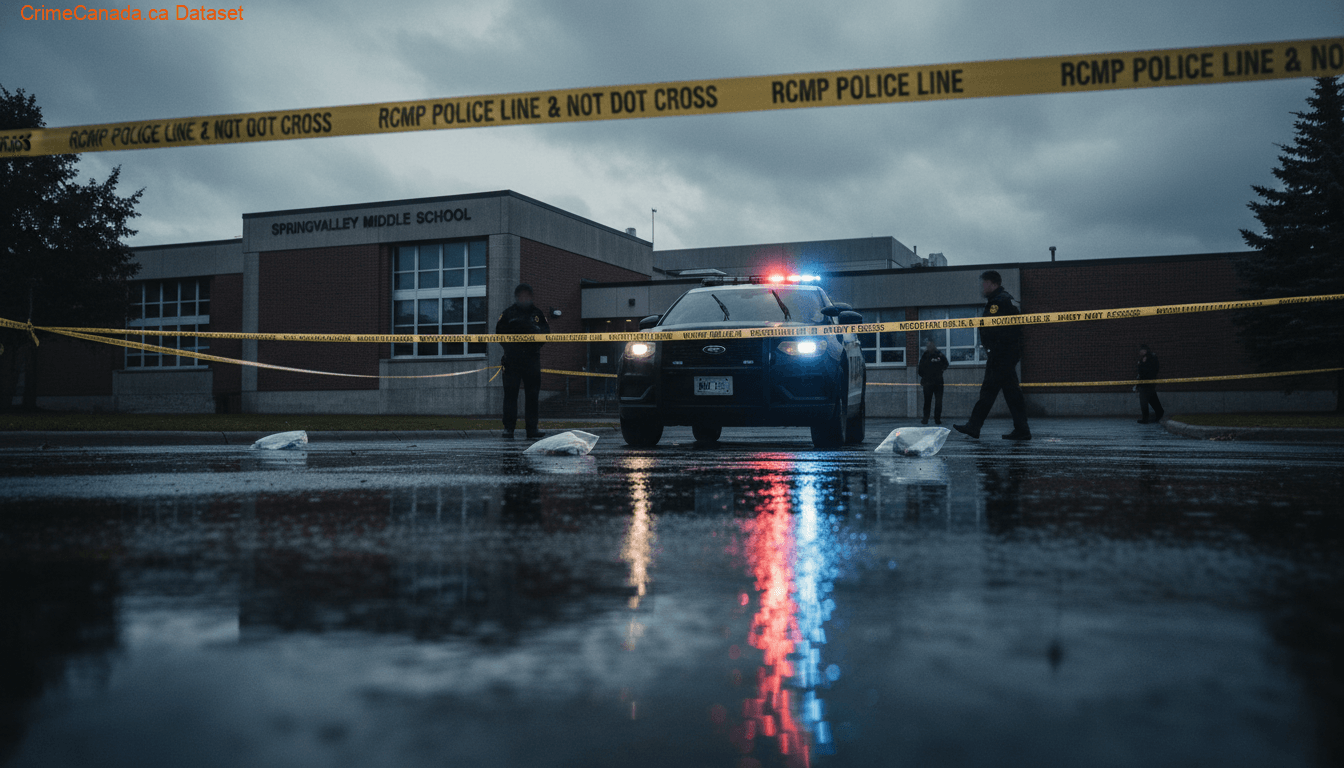
The year 2013 represented a pivotal turning point in school safety, characterized by a series of high-profile incidents such as the shootings at Sparks Middle School and Arapahoe High School. These events, occurring in the shadow of the late-2012 Sandy Hook tragedy, prompted nationwide reforms in security protocols, mental health screening, and emergency response strategies that continue to shape educational environments in 2026.
The Historical Context of School Safety in 2013
To understand any specific 2013 school incident, one must first recognize the atmosphere of the American education system during that period. The year began under a cloud of intense grief and scrutiny following the December 2012 shooting at Sandy Hook Elementary. Consequently, 2013 became the "year of action," where school boards, state legislatures, and federal agencies scrambled to implement "hardening" measures.
The term "2013 school incident" often refers to one of several significant events that tested these new security measures. While many smaller-scale incidents occurred, the year was defined by a transition from passive safety (locked doors) to active defense (School Resource Officers and comprehensive drills). The national conversation shifted from if an incident would happen to when, leading to a surge in the adoption of the ALICE (Alert, Lockdown, Inform, Counter, Evacuate) training method, which moved away from the traditional "stay quiet and hide" approach.
The Sparks Middle School Shooting (October 2013)
One of the most notable incidents of the year occurred on October 21, 2013, at Sparks Middle School in Nevada. A 12-year-old student brought a 9mm semi-automatic handgun to campus, which he had taken from his home. This incident is frequently cited in school safety case studies due to the heroic but tragic intervention of a staff member.
The Role of the First Responder
Michael Landsberry, a 45-year-old math teacher and Afghan War veteran, was killed while attempting to talk the shooter into dropping the weapon. Landsberry’s actions were credited with providing students enough time to flee to safety. This specific 2013 school incident highlighted the extreme pressure placed on educators to act as first responders, a role many were not formally trained for at the time.
Investigation and Findings
The subsequent investigation revealed that the shooter had been the victim of bullying and had expressed feelings of isolation. This catalyzed a national discussion on the efficacy of "Zero Tolerance" policies versus "Restorative Justice." In the aftermath of the Sparks incident, many districts began investing more heavily in social-emotional learning (SEL) to address the root causes of student grievance before they escalated into violence.
The Arapahoe High School Incident (December 2013)
Just as the year was closing, on December 13, 2013, another major incident occurred at Arapahoe High School in Centennial, Colorado. An 18-year-old student entered the school with a shotgun, machete, and Molotov cocktails, specifically targeting a faculty member who headed the school's debate team.
Rapid Response and SRO Intervention
Unlike previous incidents where the response time was delayed, the Arapahoe incident saw a School Resource Officer (SRO) engage the shooter within eighty seconds. The shooter took his own life as the officer closed in. This event was a major data point for proponents of armed security in schools, demonstrating that a rapid, armed presence could potentially limit the duration of an attack and reduce the casualty count.
The "Failure to Report" Controversy
Investigations following the Arapahoe incident revealed that the shooter had exhibited multiple "red flags," including threats against the teacher months prior. This 2013 school incident exposed critical flaws in threat assessment protocols. It was discovered that information was siloed between different departments, preventing a holistic view of the student’s deteriorating mental state—a lesson that led to the creation of multi-disciplinary Threat Assessment Teams (TATs) that are standard in 2026.
Legislative and Policy Shifts in 2013
The collective impact of these 2013 incidents led to unprecedented legislative activity. While federal gun control measures, such as the Manchin-Toomey background check bill, failed to pass the Senate in April 2013, state-level changes were prolific.
- State-Level Reform: Over 1,500 pieces of school safety legislation were introduced across the United States in 2013. States like Connecticut and New York passed some of the strictest firearm regulations in the country (e.g., the NY SAFE Act).
- Funding for Hardening: 2013 saw a massive influx of grants for physical security. This included the installation of shatter-resistant film on windows, vestibule-based entry systems (man-traps), and the integration of CCTV systems directly with local police departments.
- Privacy vs. Safety: The year sparked a debate over student privacy. In an effort to prevent the next 2013 school incident, some districts began monitoring student social media accounts for "keywords" associated with violence, a practice that remains controversial due to its implications for the Fourth Amendment.
Statistical Overview of Major 2013 School Incidents
The following table summarizes the key characteristics of the primary school incidents that occurred during the 2013 calendar year, providing a comparison of motives, responses, and policy outcomes.
| Date | Location | Incident Type | Primary Outcome/Policy Shift |
|---|---|---|---|
| Jan 10, 2013 | Taft Union High School, CA | Shooting (1 injured) | Focus on bullying prevention and "red flag" reporting. |
| Aug 20, 2013 | Ronald E. McNair Academy, GA | Armed Standoff (0 injuries) | Emphasis on de-escalation training for front-office staff. |
| Oct 21, 2013 | Sparks Middle School, NV | Shooting (2 fatalities) | Recognition of teacher heroism and "Active Shooter" drill mandates. |
| Dec 13, 2013 | Arapahoe High School, CO | Shooting (2 fatalities) | Standardization of School Resource Officer (SRO) rapid-response protocols. |
The Evolution of Emergency Protocols: Beyond 2013
Looking back from the perspective of 2026, the 2013 school incident era served as the laboratory for modern emergency management. Prior to 2013, many schools relied on a simple "Lockdown" code announced over the PA system. Today, these protocols have evolved into multi-modal communication systems.
Standard Response Protocol (SRP) Developed largely in response to the inconsistencies found in 2013, the SRP created a universal language for students and staff:
- Hold: Stay in your room or area.
- Secure: Get inside, lock outside doors.
- Lockdown: Locks, lights, out of sight.
- Evacuate: To a specified location.
- Shelter: For hazard using a safety strategy.
This standardization has significantly reduced confusion during high-stress events. Furthermore, the 2013 emphasis on physical security has been augmented by a "culture of belonging" in 2026, where mental health professionals are as integral to school safety as security cameras.
Common Myths Regarding 2013 School Incidents
It is essential to distinguish between documented facts and common misconceptions that arose during the media coverage of 2013.
- The "Arming Teachers" Myth: While 2013 saw the introduction of bills to arm teachers in several states, the majority of school districts opted for professional SROs or increased mental health funding instead. Most educators remained opposed to carrying firearms in the classroom.
- The "Unpredictability" Fallacy: Post-incident reports for nearly every 2013 school incident showed that the attackers almost always shared their intentions beforehand (leakage). The issue was not that the incidents were unpredictable, but that the systems to report and act on those predictions were broken.
- Safety vs. Fortification: There is a common belief that 2013 made schools "prisons." While physical security increased, research from the last decade suggests that "soft" security—strong relationships between students and staff—is actually more effective at preventing violence than metal detectors.
FAQ
What was the most significant 2013 school incident?
The Sparks Middle School shooting in October 2013 is often considered the most significant due to the loss of a staff member and the young age of the perpetrator. However, the Arapahoe High School incident in December 2013 was equally impactful because it demonstrated both the success of rapid SRO intervention and the failure of existing threat assessment protocols.
Did gun laws change significantly because of the 2013 incidents?
Yes and no. At the federal level, major gun control legislation failed to pass in 2013. However, at the state level, 2013 saw a record number of new laws. Some states expanded gun rights (allowing guns in cars on campus), while others significantly restricted them (banning high-capacity magazines and expanding background checks).
How did 2013 change school drills for students?
Before 2013, many schools only conducted fire drills. After 2013, "Active Shooter" or "Code Red" drills became mandatory in almost every state. These drills evolved from simple lockdowns to more dynamic "Option-Based" responses, teaching students how to evacuate if a safe path is available rather than just hiding.
What is "Leakage" in the context of 2013 school violence?
"Leakage" refers to when a student communicates intent to do harm through social media, journals, or conversations with peers. Analysis of 2013 incidents showed that leakage occurred in nearly every case, leading to the 2026 standard of "See Something, Say Something" anonymous reporting apps now used nationwide.
Were there any 2013 incidents that were prevented?
Yes. Law enforcement agencies reported dozens of "foiled" plots in 2013 where students or parents reported suspicious behavior. These successes rarely received the same media attention as the tragedies but proved that proactive threat assessment could work when properly implemented.
Evaluating School Safety Plans in 2026
For parents, educators, and administrators looking to ensure their institutions are prepared, the lessons of 2013 offer a clear roadmap. Effective safety is a balanced "triad" of physical security, psychological safety, and emergency preparedness.
Actionable Steps for 2026:
- Audit the Threat Assessment Team: Ensure your school has a team comprising an administrator, a mental health professional, and law enforcement. They should meet regularly, not just after a crisis.
- Review Communication Tech: Modern systems should allow for silent alarms and direct-to-911 communication from any classroom.
- Prioritize Mental Health: The 2013 school incident data shows that early intervention in bullying and social isolation is the most effective form of prevention. Ensure the student-to-counselor ratio meets the recommended national standards.
- Community Transparency: Schools should hold annual "Safety Town Halls" to explain protocols to parents, reducing anxiety and ensuring everyone knows where to go during a reunification process.
By studying the failures and successes of 2013, educational institutions in 2026 can move beyond reactive measures toward a proactive, holistic approach that protects both the physical and emotional well-being of the student body.