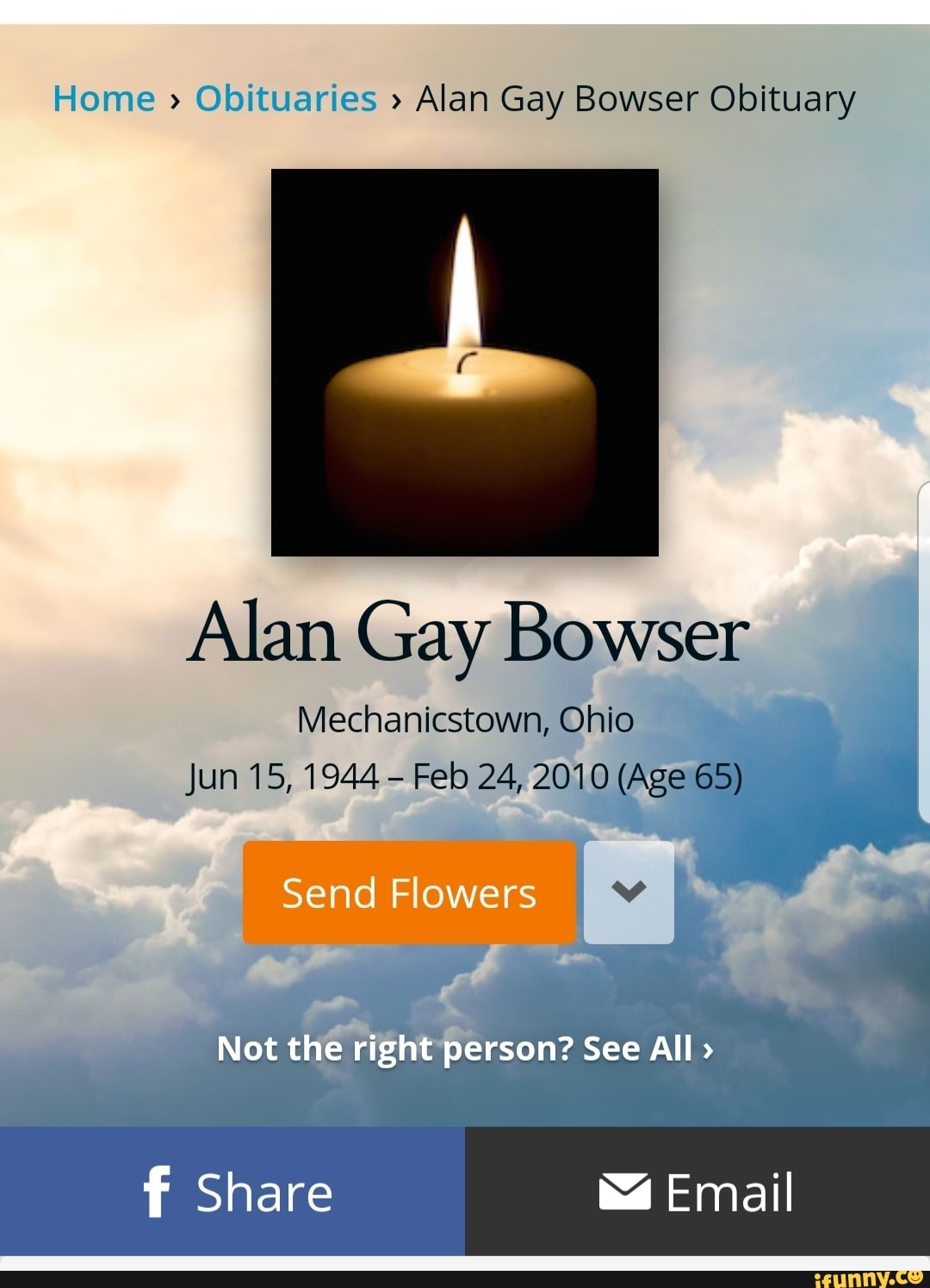
To find 2010 obituaries, researchers should utilize digital archives like Legacy.com, historical newspaper databases such as Newspapers.com, and free genealogical resources like FamilySearch. Because these records are now sixteen years old as of 2026, they have transitioned from "recent news" to historical archives, often requiring specific search parameters or library-based microfiche access for verification.
The Evolution of 2010 Death Records and Digital Archiving
The year 2010 represents a significant "hinge point" in the history of obituary archiving. During this period, the newspaper industry was undergoing a massive digital transformation. While many major metropolitan dailies had already established robust online presence, hundreds of smaller local publications were still primarily print-focused or had just begun partnering with third-party aggregators.
As we look back from 2026, retrieving a 2010 obituary involves navigating both the "digital first" era and the remnants of the print-only era. Unlike records from the late 20th century, which often require physical trips to a library, 2010 records are largely digitized. However, they are frequently behind paywalls or stored in "deep web" databases that standard search engines might not index effectively. Understanding where these records live—whether in a funeral home’s private database, a legacy newspaper site, or a government registry—is the first step in successful retrieval.
Furthermore, 2010 was a year of notable global transitions, and the obituaries from this era reflect the social and cultural landscape of the time. For genealogists, these documents are vital because they often list two or three generations of survivors, providing a roadmap for family tree expansion that more clinical records, like death certificates, often omit.
Primary Online Repositories for 2010 Obituaries
When beginning a search for a 2010 record, three main types of digital repositories offer the highest success rates. Each serves a different purpose, ranging from casual family research to formal legal verification.
National Obituary Aggregators
Platforms like Legacy.com and Tributes.com became the standard for newspaper partnerships in 2010. Most daily newspapers in the United States, Canada, and the UK began funneling their print obituaries into these central databases during this timeframe. Searching these sites allows you to filter by the specific year (2010) and location. Note that while the text is often free to read, many "guest books" associated with 2010 entries may have been archived or closed unless a family member paid for permanent hosting.
Historical Newspaper Databases
For obituaries that appeared in smaller publications or those that have since gone out of business, historical databases are indispensable. Services such as Newspapers.com, GenealogyBank, and the British Newspaper Archive have spent the last decade digitizing backlogs. These sites allow you to see the obituary exactly as it appeared in the print edition, which is crucial for verifying details like photographs, specific service locations, or lodge affiliations that digital-only text might strip away.
Free Genealogical Services
FamilySearch (operated by the LDS Church) and Find A Grave are essential for those without paid subscriptions. Find A Grave, in particular, often features "virtual" obituaries where users have transcribed print records or uploaded photos of the original 2010 clipping. By 2026, the crowdsourced data on these platforms for the year 2010 has become remarkably comprehensive.
Strategic Search Techniques for 16-Year-Old Records
Locating a specific individual in a sea of 2010 data requires more than a simple name search. Standard search engines may prioritize recent deaths, so you must use advanced parameters to isolate the correct year.
- Use Boolean Operators: When searching via Google or Bing, use the syntax
"Name" AND "Obituary" AND "2010". If you know the city, add it:"John Doe" AND "Phoenix" AND "2010". - Search by Maiden Name: For women, obituaries from 2010 frequently include maiden names or "née" references. If a search for a married name fails, try the maiden name combined with the year of death.
- Utilize the Social Security Death Index (SSDI): While the SSDI underwent significant privacy changes in 2014, records for people who passed away in 2010 are generally well-documented in the version of the index available to researchers. This can confirm the exact date of death, which makes finding the corresponding newspaper obituary much easier.
- Funeral Home Archives: Many funeral homes began maintaining their own digital "chapel" pages around 2010. If you know which funeral home handled the arrangements, their website's internal archive is often the most accurate source, as it remains independent of newspaper paywalls.
Comparison of 2010 Obituary Search Tools
| Platform | Type | Best For | Cost |
|---|---|---|---|
| Legacy.com | Aggregator | Quick searches for major newspaper records. | Free (Text) |
| Newspapers.com | Historical Archive | Finding small-town papers and print clippings. | Subscription |
| Find A Grave | Crowdsourced | Locating burial sites and user-contributed bios. | Free |
| Ancestry.com | Genealogy | Linking obituaries to census and military records. | Subscription |
| FamilySearch | Non-profit | Accessing the SSDI and digitized microfiche. | Free |
| Chronicling America | Government | Searching public domain newspapers (Pre-1963 focus). | Free |
Notable Figures and the Cultural Impact of 2010 Passings
The year 2010 saw the passing of several individuals who defined their respective fields. Reviewing these obituaries provides insight into the style and depth of reporting during that period.
- J.D. Salinger (January): The reclusive author of The Catcher in the Rye passed away at 91. His obituaries were notable for their length and the difficulty journalists had in sourcing personal details due to his decades of isolation.
- Alexander McQueen (February): The fashion icon's death sent shockwaves through the industry. Obituaries from 2010 highlight the transition of the fashion world into a more globalized, high-pressure digital era.
- Ronnie James Dio (May): A titan of heavy metal, his obituaries are often preserved on music-specific archives, demonstrating the importance of niche publications in 2010 research.
- Gary Coleman (May): The former child star's death led to extensive coverage regarding the legal and financial struggles of child actors, a recurring theme in mid-2010s biographical reporting.
- Tony Curtis (September): Representing the "Old Hollywood" era, Curtis’s 2010 obituaries served as extensive historical retrospectives of the 1950s film industry.
Accessing Records Through Libraries and Government Offices
If digital searches prove unsuccessful, the solution often lies in "offline" archives. In 2026, many local libraries have finished digitizing their 2010 holdings, but some may still require the use of microfiche or local physical files.
The Role of the Librarian
Reference librarians are often the most underutilized resource in obituary research. Most county libraries maintain a "Local History" desk. If you provide them with a name and an approximate death date in 2010, they can often scan the microfilm of the local newspaper and email you a PDF for a nominal fee or for free.
State and County Registries
While an obituary is a journalistic record, it is not a legal record. If you need a 2010 death record for legal purposes—such as settling an estate, claiming life insurance, or verifying lineage for a passport—you must contact the Vital Records office in the state or province where the death occurred. These offices maintain the official death certificate, which provides the cause of death, time of passing, and the attending physician—details usually omitted from a published obituary.
Troubleshooting Common Research Hurdles
It is common to encounter "dead links" when searching for 2010 content. Many newspapers have changed their URL structures or merged with larger conglomerates (like Gannett or McClatchy) in the years between 2010 and 2026.
- Broken Links: If you find a search result that leads to a 404 error, copy the URL and paste it into the Wayback Machine (Internet Archive). There is a high probability that the page was crawled in 2010 and is preserved in its original state.
- Common Names: If searching for a "John Smith" who died in 2010, you must include secondary identifiers. Adding the name of a surviving spouse or a specific employer mentioned in the text can help filter out irrelevant results.
- Privacy Redactions: Occasionally, families may request the removal of an online obituary years after the fact. If a record seems to have vanished from an aggregator, check the physical archives of the newspaper, as print records cannot be "deleted" in the same way digital entries can.
Frequently Asked Questions
How do I find a 2010 obituary if the newspaper no longer exists?
If the newspaper has folded, your best options are historical databases like Newspapers.com or the local library in the city where the paper was published. Libraries often retain the rights to the "morgue files" (historical archives) of defunct local publications.
Is there a free way to see 2010 obituaries from the New York Times or London Times?
While these papers have strict paywalls, many public and university libraries provide free access to their digital archives (ProQuest or EBSCO) to cardholders. You can also search their indexes for free to confirm the date of publication before seeking the full text.
Can I find a 2010 obituary using only a social security number?
A social security number cannot directly pull up an obituary, but it can be used to find a record in the Social Security Death Index. Once you have the exact date and location of death from the SSDI, you can then search local newspaper archives for the corresponding 2010 obituary.
Why does a 2010 obituary list different survivors than a 2026 search suggests?
An obituary is a "snapshot in time." It lists the family members as they existed on the date of death in 2010. Any births, deaths, or divorces that occurred between 2010 and 2026 will not be reflected in that original document, which is why they are so valuable for establishing a chronological family history.
Are funeral home "tributes" considered official obituaries?
While not published in a newspaper, funeral home tributes are often more detailed than newspaper obituaries because they aren't limited by word counts or "per line" costs. In 2010, many families began opting for these digital-only tributes as newspaper costs rose.
Next Steps for Researchers
If you are conducting this research for genealogical purposes, the best next action is to cross-reference your 2010 obituary findings with the 2010 U.S. Census data (which became fully available to researchers in 2022) or the relevant international census records. Comparing the household members listed in the 2010 census with the survivors listed in a 2010 obituary can confirm the accuracy of your family tree and help identify any relatives who may have moved or changed names just prior to the death.