The year 2005 served as a definitive turning point in cinematic history, bridging the gap between traditional blockbuster storytelling and the modern era of gritty reboots and expansive franchises. It was characterized by the conclusion of the Star Wars prequel trilogy, the rise of the "grounded" superhero, and a significant shift toward diverse, socially conscious narratives in mainstream awards circles.
Significant Milestones and Trends of 2005 Cinema
As we look back from 2026, the year 2005 stands out as a period of profound transition for the film industry. This was the year that Hollywood began to pivot away from the bright, often campy aesthetics of the late 90s and early 2000s toward a more somber, realistic tone. The most notable example of this shift was Christopher Nolan’s Batman Begins. After the critical failure of the more colorful Batman films of the 90s, Nolan introduced a psychological depth and "hyper-realism" that would eventually define the superhero genre for the next two decades.
Technologically, 2005 was a year of refinement. While digital intermediate processes were becoming the standard for color grading, the industry was still heavily reliant on 35mm film for capture. However, the influence of digital visual effects reached new heights with Peter Jackson’s King Kong, which pushed the boundaries of performance capture. Andy Serkis’s portrayal of the titular ape solidified the idea that digital characters could carry the emotional weight of a multimillion-dollar epic, a precursor to the massive "mo-cap" successes of the 2010s and 2020s.
Furthermore, 2005 marked a high point for the "New Hollywood" of the 21st century, where directors like Ang Lee, Steven Spielberg, and George Lucas all released major works that summarized their careers to that point. It was a year where the box office was dominated by established intellectual properties (IPs), yet the critical darlings were often independent or mid-budget films that challenged social norms, particularly regarding LGBTQ+ representation and systemic racial tensions.
Top Box Office Performers: Commercial Powerhouses of 2005
The commercial landscape of 2005 was dominated by massive franchises and the resurgence of the "event" movie. The primary driver of ticket sales was Star Wars: Episode III – Revenge of the Sith. As the final installment of George Lucas’s prequel trilogy, it carried immense cultural weight, satisfying long-term fans by finally depicting the transformation of Anakin Skywalker into Darth Vader. It became the highest-grossing film of the year domestically and second globally.
Hot on its heels was Harry Potter and the Goblet of Fire. This fourth installment in the wizarding franchise was a critical juncture; it was the first film in the series to receive a PG-13 rating in the United States, signaling the maturing of its audience and the darkening of its themes. This shift toward more "adult" fantasy mirrored the broader industry trends of 2005.
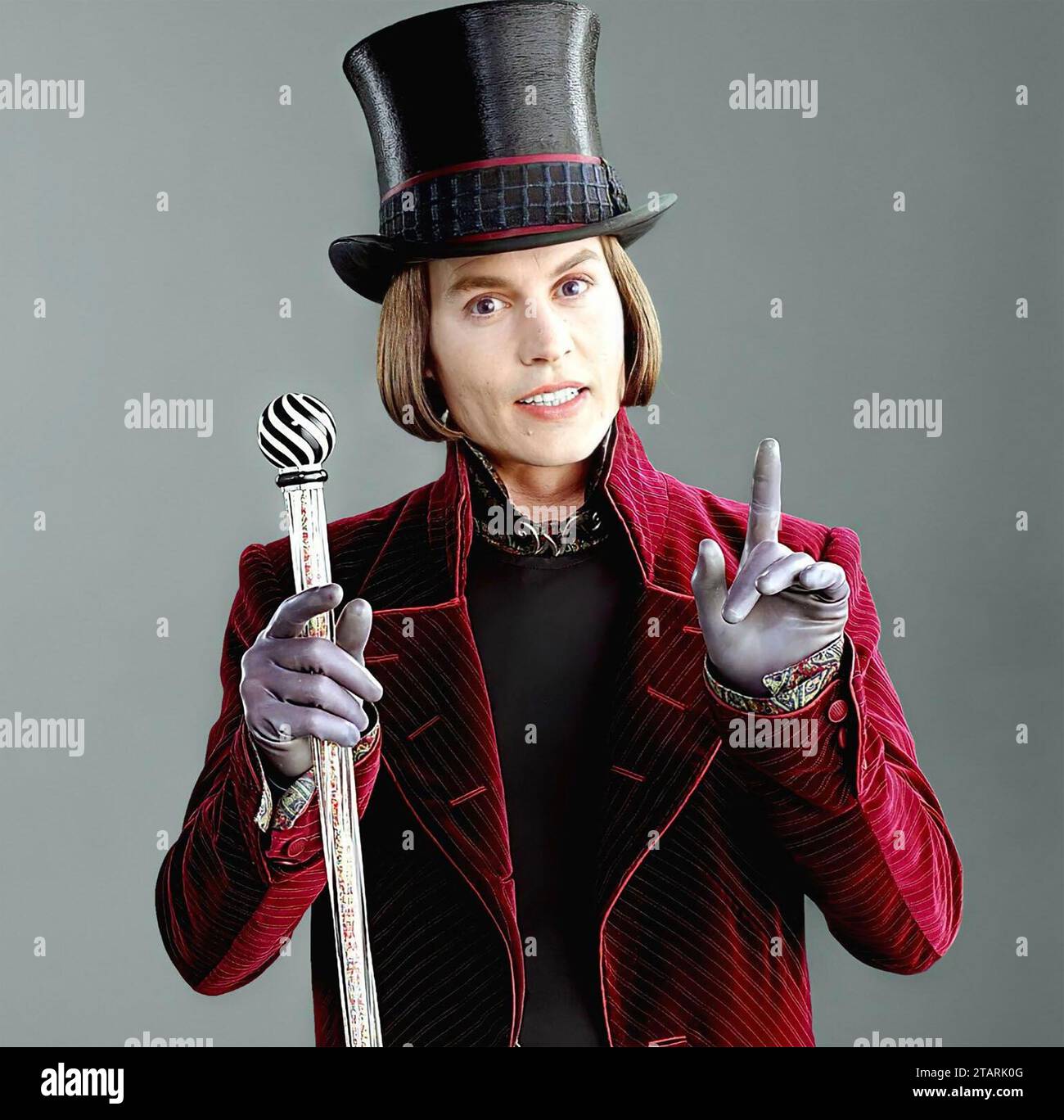
Animation also saw a major win with DreamWorks' Madagascar, which proved that non-Pixar CG animation could sustain a massive global franchise. Disney, meanwhile, was in a period of soul-searching, releasing Chicken Little, their first fully computer-animated feature produced in-house, which met with moderate financial success but signaled the end of their traditional hand-drawn era for the foreseeable future.
Global Box Office Leaders of 2005
| Film Title | Studio | Global Gross (Approx.) | Notable Achievement |
|---|---|---|---|
| Harry Potter and the Goblet of Fire | Warner Bros. | $896 Million | Highest-grossing film of 2005 globally. |
| Star Wars: Episode III – Revenge of the Sith | 20th Century Fox | $868 Million | Highest domestic gross in North America. |
| The Chronicles of Narnia: The Lion, the Witch and the Wardrobe | Disney/Walden | $745 Million | Successful launch of a new fantasy franchise. |
| War of the Worlds | Paramount/DreamWorks | $603 Million | Spielberg’s highest-grossing film of the decade. |
| King Kong | Universal | $562 Million | Groundbreaking use of performance capture. |
| Madagascar | DreamWorks | $532 Million | Established a multi-film animation brand. |
Critical Acclaim and Award Season Highlights
The 78th Academy Awards, which honored the films of 2005, remains one of the most discussed ceremonies in Oscar history. The central narrative was the competition between Ang Lee’s Brokeback Mountain and Paul Haggis’s Crash. While Brokeback Mountain was the critical favorite and a pioneer for queer cinema in the mainstream, Crash ultimately took home the Best Picture trophy in what is still considered one of the biggest upsets in the Academy's history.
Beyond the Best Picture controversy, 2005 was a stellar year for individual performances. Philip Seymour Hoffman won Best Actor for his transformative role in Capote, a film that rejuvenated interest in the "prestige biopic." Reese Witherspoon secured Best Actress for her portrayal of June Carter Cash in Walk the Line, another biopic that capitalized on the trend of dramatizing the lives of American musical icons.
International cinema also had a strong showing in 2005. While often overlooked by the general public, films like Caché (Hidden) from Michael Haneke and Tsotsi (which won the Oscar for Best Foreign Language Film) demonstrated the vitality of global storytelling. These films often dealt with themes of guilt, trauma, and redemption, providing a stark contrast to the escapism found in the top-ten box office charts.
Genre Shifts: From Fantasy Epics to Gritty Reboots
The mid-2000s were defined by a struggle to find "the next Lord of the Rings." Following the massive success of Peter Jackson's trilogy, studios in 2005 heavily invested in high-fantasy adaptations. The Chronicles of Narnia: The Lion, the Witch and the Wardrobe was the most successful of these attempts, proving that there was still a significant appetite for family-friendly, epic-scale literature adaptations.
Simultaneously, the "gritty reboot" became the new industry buzzword. Batman Begins didn't just restart a franchise; it changed the visual language of blockbuster filmmaking. It replaced the neon-soaked aesthetics of Joel Schumacher’s films with a palette of browns, grays, and deep shadows. This movement toward "realism" influenced even the most fantastical of films, such as Steven Spielberg’s War of the Worlds, which reimagined an alien invasion through the lens of post-9/11 anxiety, emphasizing survival and terror over grand heroic victories.
The comedy genre also experienced a shift toward the "Apatow-era" style of humor with the release of The 40-Year-Old Virgin. This film popularized a blend of raunchy, improvisational comedy and genuine emotional heart, a formula that would dominate the comedy landscape for the next ten years. It turned Steve Carell into a household name and established Seth Rogen and Paul Rudd as central figures in the comedy firmament.
Comparative Analysis of 2005 Film Achievements
To understand the breadth of 2005’s output, it is helpful to compare how different films performed across various metrics of success. The following table highlights the disparity and overlap between commercial success and critical reception.
| Film | Primary Genre | Critical Score (Rotten Tomatoes) | Budget (Est.) | Major Award Wins |
|---|---|---|---|---|
| Brokeback Mountain | Romance/Drama | 87% | $14M | 3 Oscars (Directing, Adapted Screenplay, Score) |
| Batman Begins | Superhero/Action | 85% | $150M | ASC Award (Cinematography nomination) |
| Crash | Drama | 74% | $6.5M | 3 Oscars (Best Picture, Original Screenplay, Editing) |
| Good Night, and Good Luck. | Historical Drama | 93% | $7M | 6 Oscar Nominations |
| Star Wars: Episode III | Sci-Fi/Fantasy | 79% | $113M | Saturn Award (Best Sci-Fi Film) |
| Sin City | Crime/Neo-Noir | 77% | $40M | Cannes Technical Grand Prize |
Cultural Impact and Long-term Legacy
Looking back from 2026, the legacy of 2005 cinema is multifaceted. On one hand, it solidified the "franchise model" that would eventually lead to the dominance of interconnected universes. On the other, it was a year that forced mainstream audiences to confront complex social issues. Brokeback Mountain, despite losing Best Picture, remains a culturally more significant milestone than its competitor, serving as a touchstone for LGBTQ+ representation in high-budget filmmaking.
The year also marked the end of an era for physical media supremacy. In 2005, DVD sales were at their absolute peak, providing studios with massive "secondary" revenue streams that allowed them to take risks on mid-budget dramas. As streaming technology began its slow ascent in the years following, the type of mid-budget films that flourished in 2005—such as Munich, Syriana, and The Constant Gardener—became increasingly rare in theatrical releases, eventually migrating to digital platforms.
Furthermore, 2005 was the year we saw the "Spielberg/Cruise" partnership reach its apex with War of the Worlds, representing the last gasp of the traditional "movie star" era before the "IP-as-star" era took over completely. When people went to see War of the Worlds, they were going to see Tom Cruise; when people went to see Star Wars, they were going to see the brand. This tension was palpable throughout 2005 and set the stage for the next twenty years of Hollywood economics.
FAQs Regarding 2005 Films
What movie won the Best Picture Oscar for 2005?
The film Crash, directed by Paul Haggis, won the Academy Award for Best Picture at the 78th ceremony in early 2006. It beat out Brokeback Mountain, Capote, Good Night, and Good Luck., and Munich. The win was highly controversial and remains a frequent point of debate among film critics who argue that Brokeback Mountain had a more profound impact on the medium.
Was 2005 the year Star Wars ended?
In 2005, Star Wars: Episode III – Revenge of the Sith was marketed as the final Star Wars film ever to be made. George Lucas stated at the time that the saga of Anakin Skywalker was complete. While we now know that Disney would eventually purchase Lucasfilm and release a sequel trilogy and various spin-offs, for the audience in 2005, it was the definitive end of a 28-year cinematic journey.
Which 2005 film had the most influence on modern superhero movies?
Batman Begins is widely cited as the most influential film of 2005 for the superhero genre. By rejecting the campy tone of previous iterations and focusing on a grounded, "realistic" origin story, director Christopher Nolan provided the blueprint for the "reboot" culture. Its success paved the way for the Dark Knight trilogy and the later development of more serious, character-driven comic book adaptations.
What was the highest-grossing animated film of 2005?
Madagascar, produced by DreamWorks Animation, was the highest-grossing animated film of the year, earning over $532 million worldwide. While Chicken Little and Wallace & Gromit: The Curse of the Were-Rabbit were also released that year, the "zoo animals on the loose" concept of Madagascar resonated more broadly with international audiences and launched a massive franchise including sequels and TV shows.
Did any major directors make their debut in 2005?
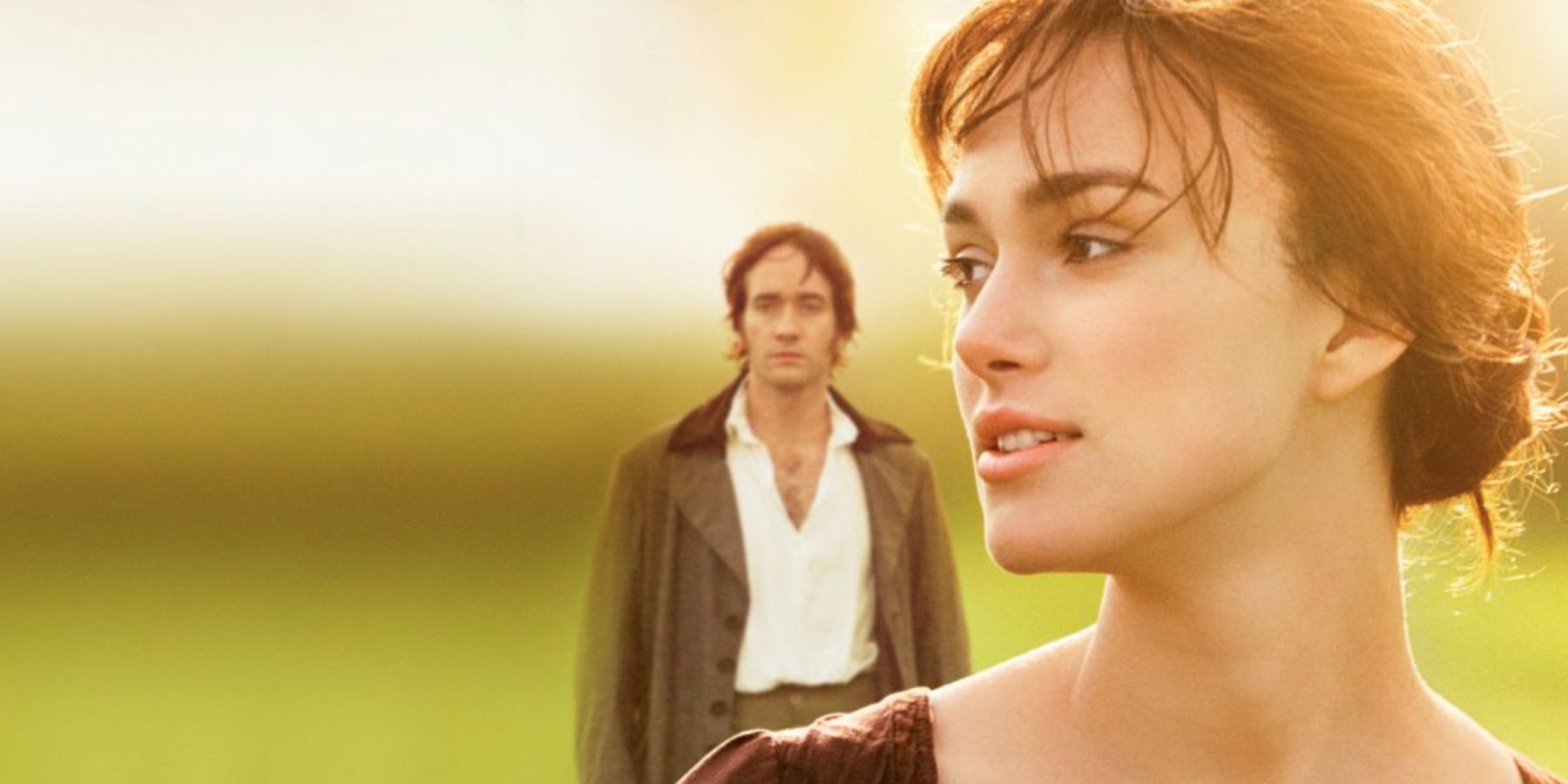
While many directors released significant works, 2005 saw the directorial debut of several notable figures. Joe Wright made his debut with the critically acclaimed Pride & Prejudice, establishing his reputation for stylistic period pieces. Additionally, Shane Black made his directorial debut with the cult classic Kiss Kiss Bang Bang, which was also instrumental in the career "renaissance" of Robert Downey Jr. prior to his casting as Iron Man.
Building a 2005 Watchlist for Modern Audiences
If you are looking to revisit this pivotal year or experience its highlights for the first time, your viewing strategy should be balanced between the massive spectacles and the intimate character studies that defined the era. To truly understand 2005, you must see the films that changed the "rules" of their respective genres.
Essential 2005 Viewing:
- For Genre Innovation: Watch Batman Begins followed by Sin City. These films show how directors were experimenting with visual styles—one toward realism, the other toward a stylized "moving comic book" aesthetic.
- For Cultural Context: View Brokeback Mountain and Crash. Regardless of which you prefer, the dialogue between these two films defines the social and political climate of the mid-2000s film industry.
- For Epic Scale: Star Wars: Episode III and King Kong represent the pinnacle of 2005's visual effects capabilities and provide insight into how franchises were being "closed" or "revived" at the time.
- For Independent Spirit: Seek out The Squid and the Whale or Me and You and Everyone We Know. These films represent the vibrant indie scene that flourished alongside the big-budget blockbusters, offering more personal, idiosyncratic perspectives.
By engaging with these films, you gain more than just entertainment; you witness a historical "hinge point" where the traditions of 20th-century cinema met the burgeoning technological and narrative demands of the 21st century.