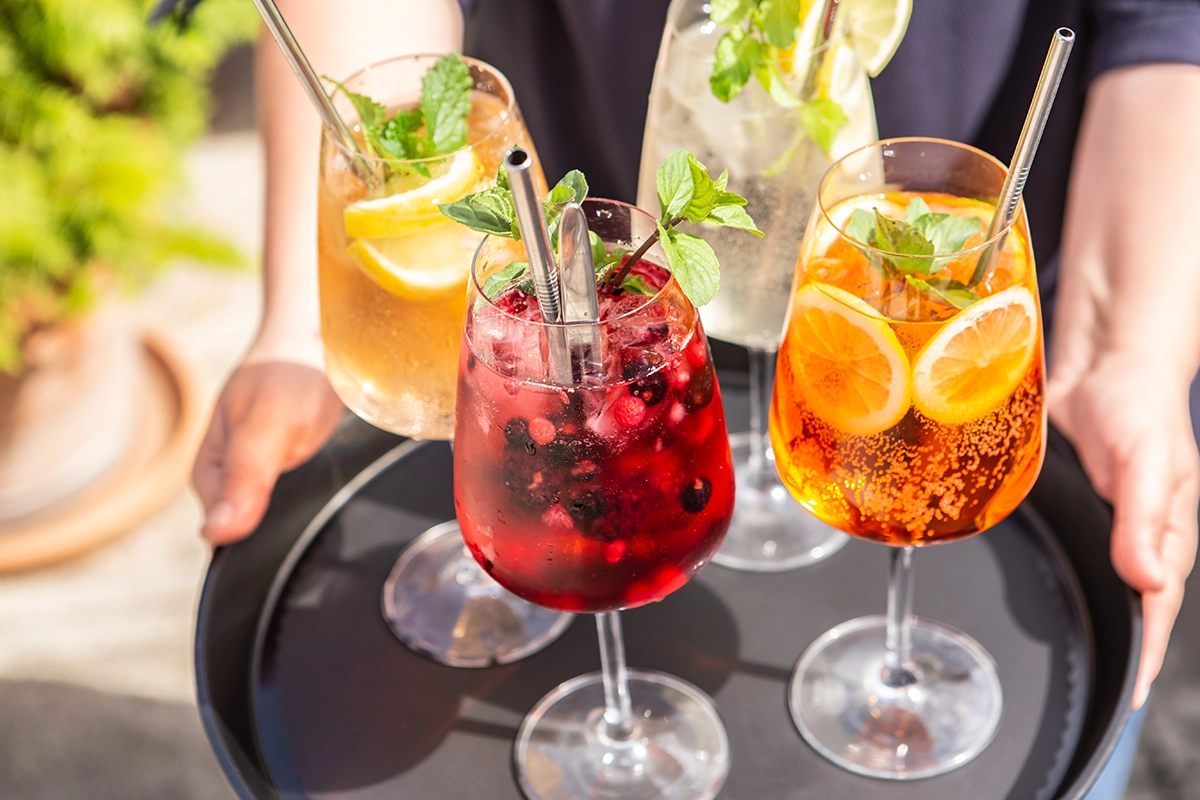
To elevate your home bartending in 2026, you should try these 20 interesting cocktail recipes, which range from technical masterpieces like the Clarified Milk Punch to modern classics like the Paper Plane. These selections focus on balancing complex botanical flavors, precise dilution techniques, and unique ingredient pairings to provide a professional-grade experience.
The Evolution of the Modern Home Bar in 2026
As of 2026, home mixology has moved beyond simple three-ingredient drinks toward a deeper understanding of chemistry and flavor theory. The modern enthusiast no longer just mixes spirits; they manage "acid profiles," experiment with "fat washing," and prioritize the structural integrity of their ice. An "interesting" cocktail in this era is defined by its ability to surprise the palate—perhaps through a savory infusion or a historical recipe revived with modern precision.
Before diving into the recipes, it is essential to understand the prerequisites for success. Quality ingredients are non-negotiable. This includes using fresh-squeezed citrus juice (never bottled), high-quality artisanal ice that resists quick melting, and premium spirits. Furthermore, the tools you use—such as a weighted Boston shaker, a precise Japanese-style jigger, and a fine-mesh conical strainer—will dictate the texture and temperature of your final serve.
Essential Tools and Techniques for 2026 Mixology
To execute these recipes correctly, you must master three primary methods: shaking, stirring, and "the dry shake."
- Shaking: Used for cocktails containing citrus, dairy, or egg whites. The goal is to emulsify ingredients while providing maximum aeration and chilling.
- Stirring: Reserved for spirit-forward drinks (like a Negroni or Old Fashioned). This method provides a silky texture and controlled dilution without introducing air bubbles.
- The Dry Shake: Essential for cocktails with egg whites or aquafaba. You shake the ingredients without ice first to build a stable foam, then add ice and shake again to chill.
20 Interesting Cocktail Recipes to Master
1. The Clarified Milk Punch
This recipe uses the science of curdling to create a crystal-clear, shelf-stable drink with a velvety mouthfeel.
- Ingredients: 6 oz Aged Rum, 4 oz Cognac, 4 oz Pineapple Juice, 2 oz Lemon Juice, 4 oz Simple Syrup, 6 oz Whole Milk.
- Method: Mix all ingredients except milk. Pour the mixture into the milk (never the other way around). Let it sit for 30 minutes until it curdles. Strain through a coffee filter until clear.
- Why it's interesting: It transforms a cloudy, acidic mixture into a transparent, smooth elixir using 18th-century preservation techniques.
2. The Paper Plane
A modern classic created by Sam Ross, defined by its perfect "equal parts" balance.
- Ingredients: 0.75 oz Bourbon, 0.75 oz Aperol, 0.75 oz Amaro Nonino, 0.75 oz Lemon Juice.
- Method: Shake with ice and strain into a chilled coupe.
- Why it's interesting: It showcases how four seemingly disparate ingredients—bitter, sweet, herbal, and tart—can harmonize perfectly.
3. The Naked and Famous
The smoky, tropical cousin of the Paper Plane.
- Ingredients: 0.75 oz Mezcal, 0.75 oz Yellow Chartreuse, 0.75 oz Aperol, 0.75 oz Lime Juice.
- Method: Shake and strain into a coupe.
- Why it's interesting: The combination of mezcal’s earthiness with the honeyed herbs of Yellow Chartreuse is a hallmark of modern mixology.
4. The Espresso Martini (2026 Riff)
In 2026, we replace standard vodka with an aged tequila or rum for more depth.
- Ingredients: 1.5 oz Reposado Tequila, 1 oz Fresh Espresso, 0.5 oz Coffee Liqueur, 0.25 oz Agave Nectar, pinch of sea salt.
- Method: Shake vigorously to create a thick crema and strain into a chilled martini glass.
- Technical Tip: The sea salt acts as a flavor enhancer, cutting the bitterness of the coffee.
5. The Jungle Bird
A Tiki classic that bridges the gap between tropical and bitter.
- Ingredients: 1.5 oz Dark Rum, 0.75 oz Campari, 1.5 oz Pineapple Juice, 0.5 oz Lime Juice, 0.5 oz Demerara Syrup.
- Method: Shake with ice and strain over fresh pebble ice.
- Why it's interesting: Campari is rarely used in Tiki drinks, but here it provides a crucial counterbalance to the sweet pineapple.
6. The Last Word
A pre-Prohibition cocktail that remains one of the most sophisticated drinks in existence.
- Ingredients: 0.75 oz Gin, 0.75 oz Green Chartreuse, 0.75 oz Maraschino Liqueur, 0.75 oz Lime Juice.
- Method: Shake and strain into a nick and nora glass.
- Why it's interesting: It is intensely herbal and pungent, yet perfectly balanced by the lime’s acidity.
7. The Penicillin
The ultimate "medicinal" cocktail, featuring the heat of ginger and the smoke of Islay scotch.
- Ingredients: 2 oz Blended Scotch, 0.75 oz Lemon Juice, 0.75 oz Honey-Ginger Syrup, 0.25 oz Islay Single Malt (floated on top).
- Method: Shake everything except the Islay scotch. Strain into a rocks glass. Gently pour the Islay scotch over the back of a spoon so it floats.
- Technical Tip: Floating the smoky scotch ensures the aroma hits the nose before the taste hits the tongue.
8. The Corpse Reviver No. 2
Designed as a "hair of the dog" breakfast drink in the 1930s.
- Ingredients: 0.75 oz Gin, 0.75 oz Lillet Blanc, 0.75 oz Orange Liqueur, 0.75 oz Lemon Juice, 1 drop Absinthe.
- Method: Rinse the glass with absinthe. Shake other ingredients and strain.
- Why it's interesting: The absinthe rinse provides a haunting botanical aroma without overpowering the delicate citrus.
9. The Vieux Carré
A complex New Orleans masterpiece for those who love a Manhattan or Negroni.
- Ingredients: 1 oz Rye Whiskey, 1 oz Cognac, 1 oz Sweet Vermouth, 0.25 oz Bénédictine, 2 dashes Peychaud’s Bitters, 2 dashes Angostura Bitters.
- Method: Stir with ice and strain into a rocks glass with a large clear ice cube.
- Why it's interesting: It uses a split-base (whiskey and cognac) to create layers of wood, fruit, and spice.
10. The Clover Club
A silky, raspberry-infused gin classic.
- Ingredients: 2 oz Gin, 0.5 oz Lemon Juice, 0.5 oz Raspberry Syrup, 1 Egg White.
- Method: Perform a dry shake, then add ice and shake again. Strain into a coupe.
- Technical Tip: The egg white creates a meringue-like foam that softens the gin’s botanicals.
11. The Mezcal Negroni
Replacing gin with mezcal transforms this bitter classic into something primal and earthy.
- Ingredients: 1 oz Mezcal, 1 oz Campari, 1 oz Sweet Vermouth.
- Method: Stir with ice and strain into a rocks glass. Garnish with a grapefruit twist.
- Why it's interesting: The smoke of the mezcal interacts with the bitter orange of the Campari in a way gin cannot.
12. The Paloma (Elevated)
Mexico’s most popular cocktail, often misunderstood as a simple "tequila and soda."
- Ingredients: 2 oz Blanco Tequila, 0.5 oz Lime Juice, 0.25 oz Agave Syrup, 3 oz Grapefruit Soda (high quality), pinch of salt.
- Method: Build in a highball glass over ice. Stir gently to incorporate the soda without losing carbonation.
- Why it's interesting: It is more refreshing than a Margarita and emphasizes the salinity of the agave spirit.
13. The Southside
Essentially a Gin Mojito, frequently associated with Al Capone’s gang.
- Ingredients: 2 oz Gin, 1 oz Lime Juice, 0.75 oz Simple Syrup, 6-8 Mint Leaves.
- Method: Shake vigorously with ice and double strain into a chilled coupe.
- Technical Tip: "Double straining" with a fine-mesh strainer is vital to remove tiny mint fragments that can get stuck in teeth.
14. The French 75
The ultimate celebratory cocktail, combining gin and champagne.
- Ingredients: 1 oz Gin, 0.5 oz Lemon Juice, 0.5 oz Simple Syrup, 3 oz Champagne.
- Method: Shake gin, lemon, and syrup. Strain into a flute and top with champagne.
- Why it's interesting: Named after a 75mm field gun, it has a "kick" that belies its elegant appearance.
15. The Bee’s Knees
A Prohibition-era drink that uses honey to mask the harshness of bathtub gin (though we use premium gin now).
- Ingredients: 2 oz Gin, 0.75 oz Lemon Juice, 0.75 oz Honey Syrup (3:1 honey to water ratio).
- Method: Shake and strain into a coupe.
- Why it's interesting: The viscosity of honey syrup provides a richer mouthfeel than standard sugar syrup.
16. The Basil Smash
A modern German invention that has taken the world by storm.
- Ingredients: 2 oz Gin, 0.75 oz Lemon Juice, 0.5 oz Simple Syrup, 10-12 Large Basil Leaves.
- Method: Muddle the basil thoroughly with the lemon and syrup first. Add gin and ice, shake hard, and double strain.
- Why it's interesting: The drink turns a vibrant neon green and tastes like a liquid herb garden.
17. The Boulevardier
The bourbon-drinker’s Negroni.
- Ingredients: 1.5 oz Bourbon, 1 oz Campari, 1 oz Sweet Vermouth.
- Method: Stir and strain into a rocks glass.
- Why it's interesting: The sweetness and vanilla notes of bourbon stand up to the Campari better than gin in colder months.
18. The Tommy’s Margarita
A 1990s evolution that removed the orange liqueur to focus on the agave.
- Ingredients: 2 oz Blanco Tequila, 1 oz Lime Juice, 0.5 oz Agave Nectar.
- Method: Shake and strain over fresh ice.
- Why it's interesting: It is the purist’s version of the Margarita, highlighting the quality of the tequila.
19. The Pisco Sour
The national drink of Peru and Chile, known for its frothy head and floral notes.
- Ingredients: 2 oz Pisco, 1 oz Lime Juice, 0.75 oz Simple Syrup, 1 Egg White, 3 dashes Amargo Chuncho (or Angostura) Bitters.
- Method: Dry shake, then shake with ice. Garnish the foam with drops of bitters.
- Why it's interesting: Pisco is a grape brandy that offers a unique floral profile compared to grain spirits.
20. The Bramble
A fruit-forward masterpiece created by Dick Bradsell in 1984.
- Ingredients: 2 oz Gin, 1 oz Lemon Juice, 0.5 oz Simple Syrup, 0.5 oz Crème de Mûre (Blackberry Liqueur).
- Method: Shake gin, lemon, and syrup. Strain over crushed ice. Bleed the blackberry liqueur over the top so it marbelizes.
- Why it's interesting: The visual "bleeding" effect of the liqueur makes it one of the most beautiful cocktails to serve.
Comparative Overview of Featured Cocktails
The following table categorizes these recipes by their primary spirit, difficulty level, and core flavor profile to help you decide where to start.
| Cocktail Name | Primary Spirit | Difficulty (1-5) | Flavor Profile |
|---|---|---|---|
| Clarified Milk Punch | Rum/Cognac | 5 | Silky, Spiced, Clear |
| Paper Plane | Bourbon | 2 | Bittersweet, Citrus |
| Last Word | Gin | 2 | Herbal, Pungent |
| Penicillin | Blended Scotch | 3 | Smoky, Spicy, Honey |
| Clover Club | Gin | 4 | Fruity, Creamy, Tart |
| Vieux Carré | Rye/Cognac | 4 | Boozy, Complex, Herbal |
| Basil Smash | Gin | 3 | Fresh, Herbal, Green |
| Espresso Martini | Tequila/Vodka | 2 | Rich, Bitter, Sweet |
| Jungle Bird | Rum | 3 | Tropical, Bitter |
| Pisco Sour | Pisco | 4 | Floral, Tart, Airy |
Troubleshooting Common Cocktail Mistakes
Even with the best recipes, minor technical errors can ruin a drink. In 2026, bartending standards emphasize precision.
- Over-Dilution: This occurs when you stir or shake for too long, or use "wet" ice that has already begun to melt. Always use ice straight from the freezer.
- Improper Balancing: If a drink is too sour, do not just add sugar; check if your citrus was too fresh (which can be overly acidic) or if your simple syrup was a 1:1 or 2:1 ratio. Consistent recipes require consistent syrup densities.
- The "Muddle" Trap: When muddling herbs like mint or basil, do not shred them. Bruising the leaves releases the aromatic oils; shredding them releases bitter chlorophyll.
- Glass Temperature: A warm glass will kill a cocktail in minutes. Always chill your glassware in the freezer or with an ice-water bath before pouring.
Why is ice quality so important in high-end cocktails?
Ice is not just a cooling agent; it is a functional ingredient. Approximately 15-25% of your final cocktail is water from melted ice. Large, clear ice cubes have less surface area than small chips, meaning they chill the drink more slowly and prevent it from becoming watery. In 2026, many home bartenders use directional freezing to create "clear ice," which is free of the trapped air and impurities that cause standard ice to crack and melt quickly.
What is the difference between a "dry shake" and a "reverse dry shake"?
A dry shake involves shaking ingredients (including egg white) without ice first, then adding ice for a second shake. A reverse dry shake involves shaking with ice first, straining the ice out, and then shaking the liquid again without ice. Many professionals prefer the reverse dry shake because it creates a more stable, voluminous foam that lasts longer on top of the drink.
Can I substitute bottled lime juice for fresh lime?
No. Bottled lime juice contains preservatives and has undergone pasteurization, which destroys the bright, volatile oils found in fresh citrus. In cocktails like the Daiquiri or the Gimlet, where lime is a primary component, bottled juice will result in a flat, one-dimensional flavor. For the best results, squeeze your citrus no more than 2-4 hours before serving.
What are "bitters," and do they really matter?
Bitters are high-proof spirits infused with botanicals like roots, barks, and herbs. They act as the "salt and pepper" of the cocktail world. They do not make a drink taste bitter in the way coffee does; rather, they provide aromatic depth and help bind the sweet and sour elements together. Without a few dashes of Angostura or Peychaud’s, many classic recipes like the Old Fashioned or Vieux Carré lack structural integrity.
Recommendation for Expanding Your Home Bar
To get the most out of these 20 recipes, start by mastering the Paper Plane and the Last Word. These two recipes teach you the importance of "equal parts" balance and introduce you to the world of herbal liqueurs. Once comfortable, move on to the Clover Club to practice your dry shaking technique. Finally, attempt the Clarified Milk Punch over a weekend; it is a labor-intensive process that will provide you with a deeper understanding of the chemical interactions between acids and proteins in mixology. For further technical guidance, consulting resources like Difford's Guide or Punch can provide historical context and advanced variations.