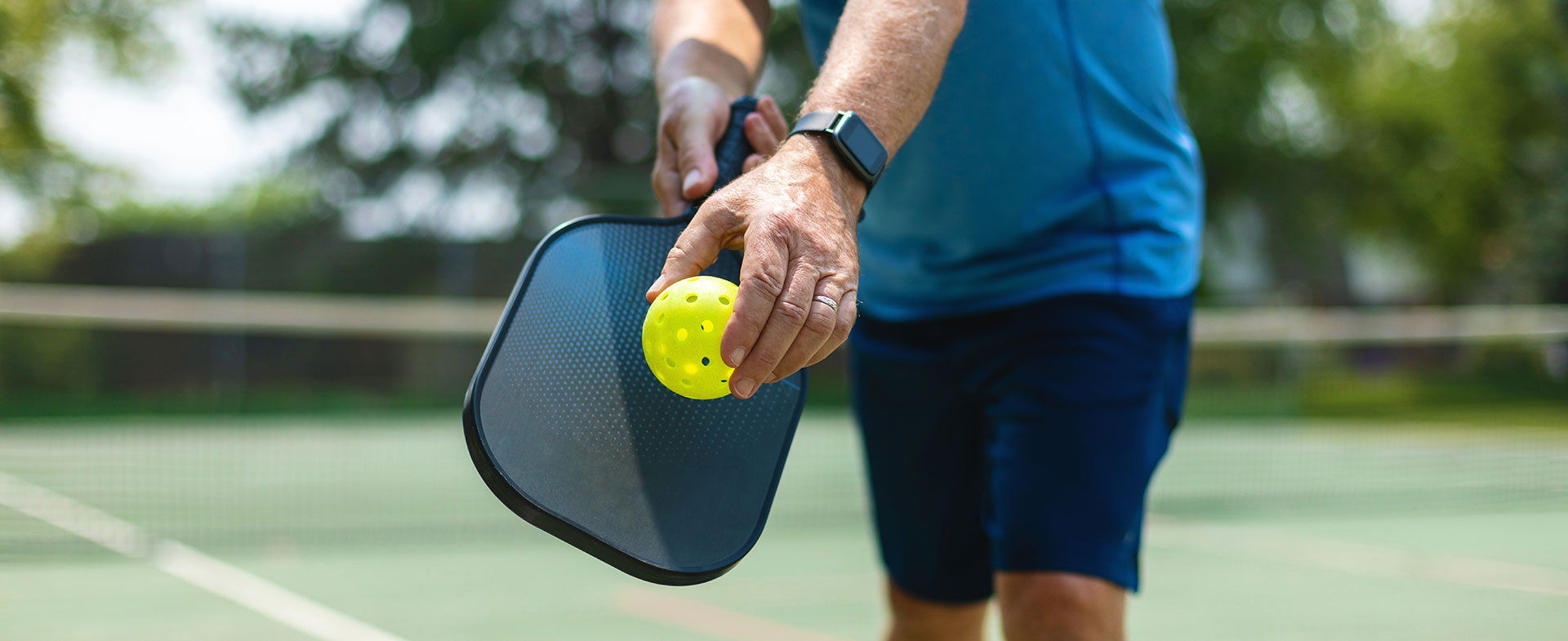
Pickleball is a dynamic racket sport that blends elements of tennis, badminton, and table tennis. Originating in 1965 on Bainbridge Island, Washington, it has transitioned from a backyard pastime into a global phenomenon. As of 2026, it remains the fastest-growing sport in North America, characterized by its unique "Kitchen" rules, perforated balls, and highly social atmosphere.
The Surprising Origins and Evolution of the Game
1. It Was Born Out of Summer Boredom
In the summer of 1965, three fathers—Joel Pritchard, Bill Bell, and Barney McCallum—returned to Pritchard’s home on Bainbridge Island, Washington, to find their families with nothing to do. The property had an old badminton court, but they couldn't find a full set of rackets. Using improvised equipment—ping-pong paddles and a perforated plastic ball—they lowered the net and created a game that could entertain all ages. This improvisation is the direct ancestor of the multi-billion dollar industry we see in 2026.
2. The Great Name Debate: Dogs vs. Boats
There is a long-standing myth that the sport was named after the Pritchards’ family dog, Pickles. However, the timeline doesn't support this; the dog was actually born several years after the game was invented. Joan Pritchard, Joel’s wife, actually named the sport after the "pickle boat" in rowing. In crew, the pickle boat is the last boat to finish, often composed of leftover oarsmen from other boats. Since the sport was a "mishmash" of other games, the name fit perfectly.
3. The First Permanent Court Was Built in a Backyard
While the game started on a badminton court, the first dedicated pickleball court was constructed in 1967 in the backyard of Bob O’Brian, a neighbor of the Pritchards. This formalized the dimensions that are still used today: 20 feet by 44 feet. These dimensions are significantly smaller than a tennis court, which is a major factor in the sport’s accessibility and social nature.
Unique Rules and Technical Dynamics
4. The Famous "Kitchen" Rule
Perhaps the most unique aspect of pickleball is the Non-Volley Zone (NVZ), colloquially known as "the Kitchen." This 7-foot area on both sides of the net prevents players from smashing the ball from a standing position right at the net. You cannot step into the Kitchen to hit a volley (a ball hit out of the air). This rule forces a more strategic "dinking" game, where players must wait for the ball to bounce before attacking if they are positioned close to the net.
5. The Two-Bounce Rule
To ensure that the serving team does not have an immediate advantage, pickleball employs the "Two-Bounce Rule." The serve must bounce once on the receiving side, and the return of serve must also bounce once on the server's side before either team can play a volley. This rule levels the playing field and extends rallies, making the sport more about placement and strategy than raw power.
6. Scoring is Historically "Side-Out"
Unlike tennis, which uses a "love-15-30" system, traditional pickleball uses side-out scoring, where only the serving team can score points. Matches are typically played to 11 points, win by 2. However, with the rise of professional leagues like Major League Pickleball (MLP), "Rally Scoring" (where a point is scored on every serve) has become more common in televised and professional formats to keep games within a predictable timeframe.
The Science of Pickleball Gear
7. Paddles Aren't Just Pieces of Wood Anymore
In 1965, paddles were heavy, solid wood. In 2026, technology has shifted toward aerospace-grade materials. Most high-end paddles now feature a polymer honeycomb core sandwiched between carbon fiber or graphite faces. These materials allow for "dwell time," where the ball stays on the paddle face slightly longer, giving players immense control over spin and power.
8. Indoor vs. Outdoor Balls
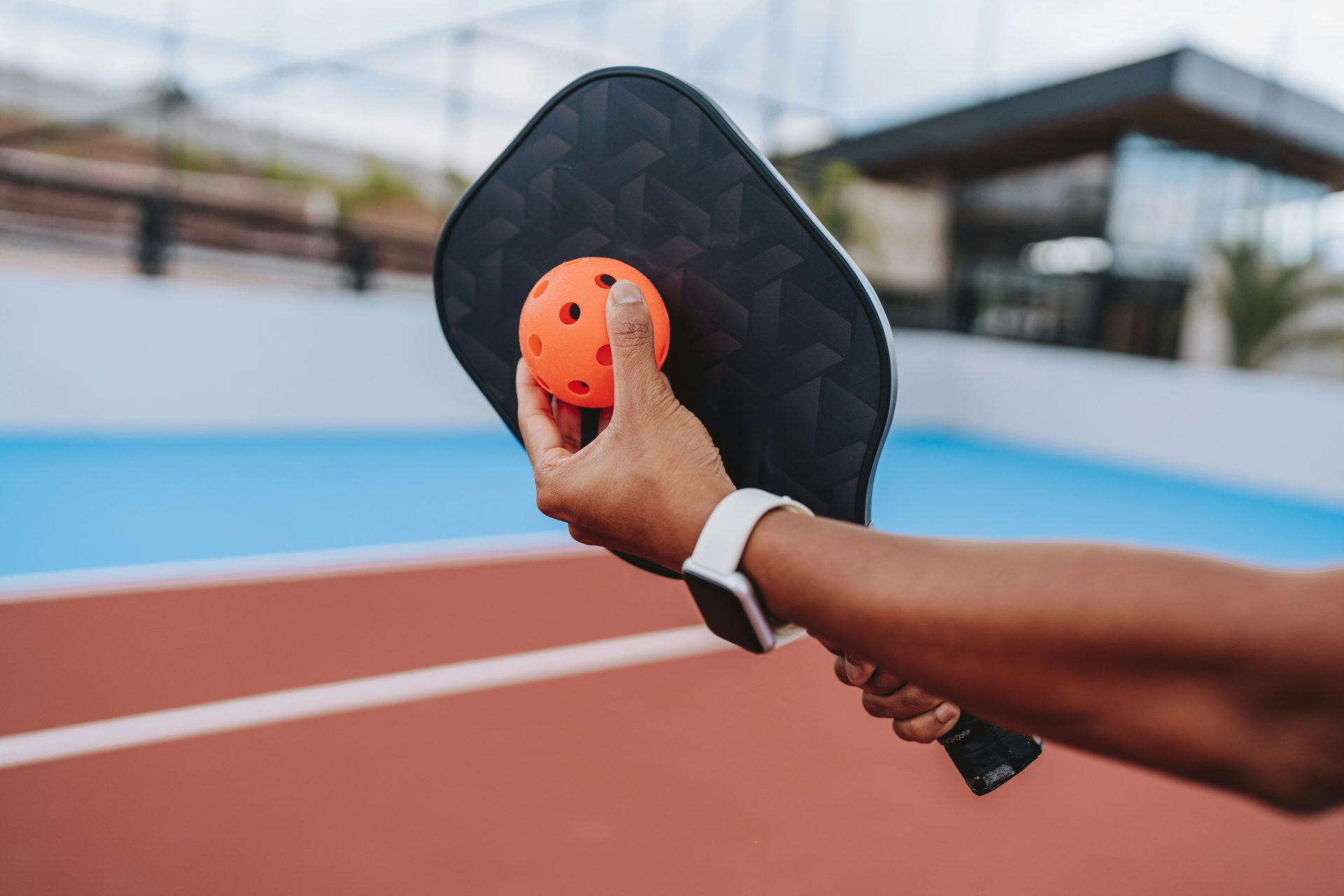
The ball used in pickleball is similar to a wiffle ball but engineered for specific environments. Outdoor balls are usually heavier, made of harder plastic, and have 40 small, drilled holes to minimize wind interference. Indoor balls are softer, lighter, and typically have 26 larger holes. This technical distinction is crucial because using an indoor ball outdoors can lead to unpredictable flight patterns and rapid wear.
9. Noise Mitigation Technology
As the sport grew, the "pop" of the paddle hitting the ball became a point of contention in residential areas. This led to the development of "Quiet Category" equipment. Manufacturers now use specific core densities and vibration-dampening materials to reduce the decibel level of play, allowing courts to exist in dense urban environments without disturbing neighbors.
Growth, Demographics, and Professionalism
10. The Fastest-Growing Sport for Five Consecutive Years
Pickleball has maintained its title as the fastest-growing sport in the United States since the early 2020s. By 2026, participation has surged past 50 million players globally. The growth is attributed to the low barrier to entry; unlike golf or tennis, which can take years to master, a beginner can become proficient enough to enjoy a game of pickleball in just a few hours.
11. The "Silver Tsunami" to Youth Explosion
While the sport was initially popularized by retirees for its low-impact nature, the demographics have shifted radically. As of 2026, the fastest-growing age segment is players under 25. High schools and colleges across the country have integrated pickleball into their intramural and varsity programs, moving it away from its "retirement home" reputation.
12. Celebrity Investment and Ownership
The professionalization of the sport was accelerated by massive celebrity investments. Owners of Major League Pickleball teams include icons like LeBron James, Tom Brady, Kevin Durant, and Patrick Mahomes. Their involvement has brought significant media rights deals and sponsorship's from global brands, elevating the sport's prestige.
| Feature | Pickleball | Tennis | Badminton |
|---|---|---|---|
| Court Size | 20' x 44' | 27' x 78' (Singles) | 20' x 44' |
| Primary Material | Polymer/Carbon Fiber | String/Graphite | String/Graphite |
| Projectile | Perforated Plastic Ball | Pressurized Felt Ball | Shuttlecock (Birdie) |
| Net Height | 34" (Center) | 36" (Center) | 60" (Center) |
| Scoring System | Side-out or Rally | Game-Set-Match | Rally |
Health and Social Benefits
13. The "Pickleball Addiction" is Real
The social nature of the sport is a primary driver of its popularity. Players often play in "open play" formats, where they rotate partners and opponents every 15 minutes. This fosters a sense of community that is often missing in more individualistic sports. Studies have shown that this social interaction significantly reduces feelings of isolation and improves mental well-being in all age groups.
14. High Calorie Burn, Low Joint Impact
Because the court is smaller than a tennis court, there is less sprinting, which makes it easier on the knees and hips. However, the fast-paced nature of the rallies keeps the heart rate elevated. An hour of competitive pickleball can burn between 400 and 700 calories, making it an efficient workout for cardiovascular health.
15. Inclusivity and Adaptive Play
Pickleball is remarkably inclusive. Wheelchair pickleball is a growing segment, and the rules are almost identical to the standing version, with the only major exception being that the wheelchair user is allowed two bounces of the ball instead of one. This accessibility has made it a favorite for veterans' organizations and physical therapy centers.
Global Impact and the Future
16. The Road to the Olympics
As of 2026, the International Pickleball Federation (IPF) has expanded to include over 80 member nations. The sport is currently being evaluated for potential inclusion in future Olympic Games. To qualify, a sport must be widely practiced by men in at least 75 countries and on four continents, and by women in at least 40 countries and on three continents—a milestone pickleball is rapidly approaching.
17. Economic Impact of Pickleball Tourism
"Pickleball Tourism" has become a legitimate industry. Resorts worldwide are replacing underutilized tennis courts with dozens of pickleball courts. Professional tournaments, such as those hosted by the PPA Tour (Professional Pickleball Association), now draw thousands of spectators to host cities, generating millions in local economic impact through hotel stays and dining.
18. First Official Tournament (1976)
The first known pickleball tournament was held in 1976 at South Center Athletic Club in Tukwila, Washington. David Lester won the men’s singles, and interestingly, many of the participants at the time were tennis players who were curious about this new "shrunken tennis" game. Most participants played with oversized wooden paddles that would be considered illegal by today's standards.
19. The Evolution of the "Dink"
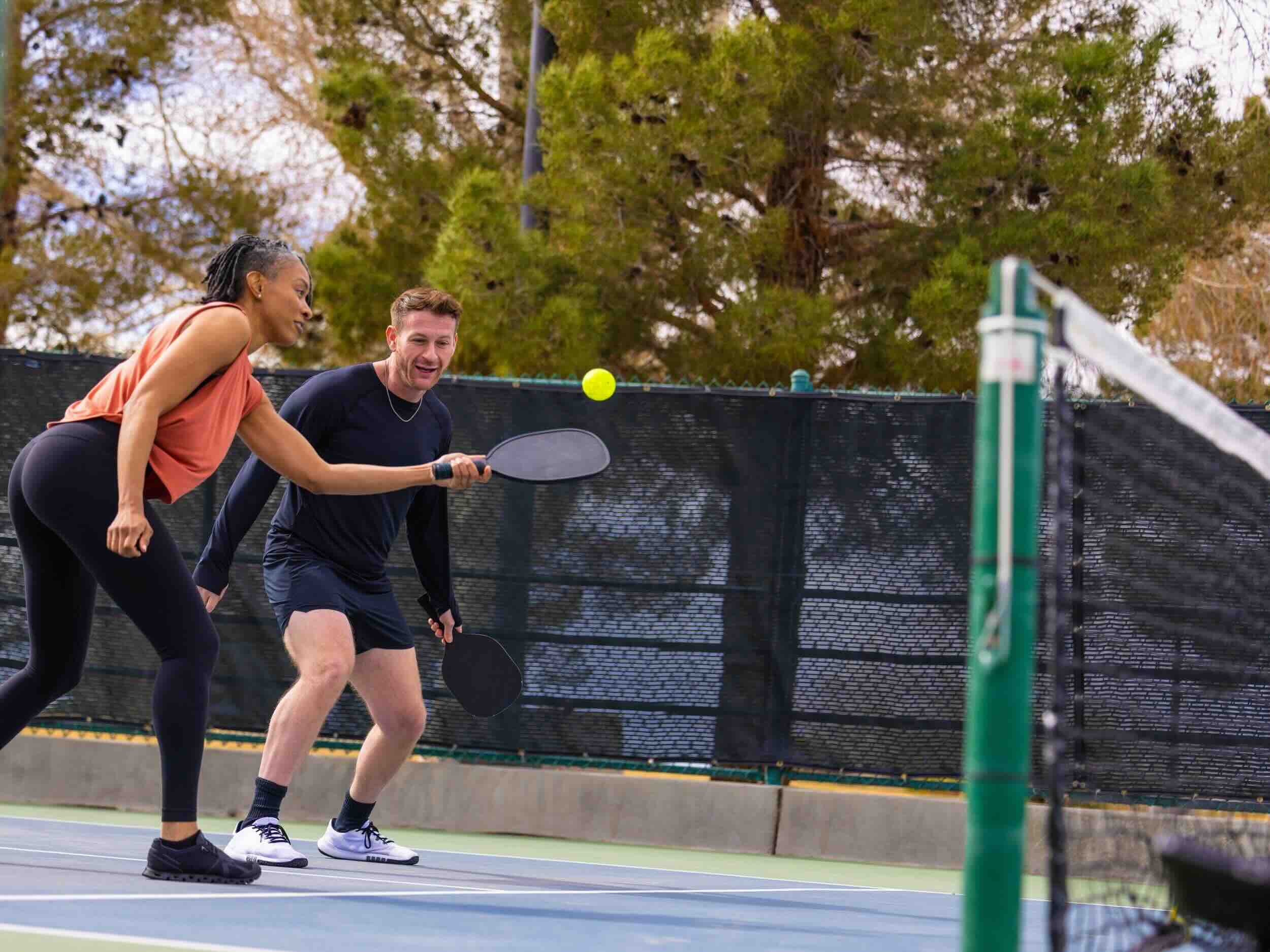
The "dink" is a soft shot hit from the Kitchen line that just clears the net and lands in the opponent's Kitchen. While it may look passive, it is the most tactical shot in the game. In 2026, pro-level dinking involves complex top-spin and under-spin variations, designed to force the opponent into a "pop-up" that can be smashed.
20. USA Pickleball: The Governing Body
USA Pickleball (formerly the USAPA) is the official governing body for the sport in the United States. They maintain the official rulebook, certify equipment, and sanction tournaments. Their rigorous testing for paddle "grit" and "deflection" ensures that the game remains a contest of skill rather than just a contest of who has the fastest equipment.
FAQ
Is pickleball harder than tennis?
Pickleball is generally considered easier to learn for beginners because the paddle is shorter and the ball travels slower than a tennis ball. However, at a high level, pickleball requires faster reflexes and more precise "short game" strategy. The smaller court size means players have less time to react to shots, making the "fast" hands game very demanding.
Can I play pickleball on a tennis court?
Yes, you can play pickleball on a tennis court, but you will need to mark new lines. A single tennis court is large enough to accommodate two or even four pickleball courts if laid out correctly. Portable nets are often used by community centers to convert tennis courts into pickleball courts temporarily.
Why is the "Kitchen" called the Kitchen?
The origin of the term "Kitchen" is somewhat obscure, but most historians believe it was borrowed from shuffleboard. In shuffleboard, the "10-off" area is sometimes called the kitchen, a place where you don't want your puck to land. In pickleball, the term was adopted to describe the Non-Volley Zone where players are restricted from certain types of play.
What equipment do I need to start playing?
To get started, you only need three things: a paddle, a pickleball, and comfortable athletic shoes with good lateral support (court shoes are preferred over running shoes to prevent ankle rolls). Many local parks and clubs offer "rental" paddles for beginners, allowing you to try the sport before investing in your own gear.
How loud is pickleball compared to other sports?
Pickleball is louder than tennis, primarily because of the hard plastic ball hitting the solid paddle surface. The sound typically registers around 70 decibels at 50 feet from the court. For context, a normal conversation is about 60 decibels. Recent advancements in "Quiet Category" paddles have successfully reduced this noise by up to 50%.
Getting Started with Pickleball in 2026
If you are looking to join the millions of players worldwide, the best first step is to visit a local community center or use a "court finder" app to locate public courts near you. Most facilities offer "Intro to Pickleball" clinics that cover the basics of the Kitchen, the two-bounce rule, and scoring. Because the community is famously welcoming, you can often show up at "Open Play" sessions as a solo player and be integrated into a game within minutes. Focus on developing a consistent "dink" before worrying about power, as the soft game is what separates intermediate players from beginners.