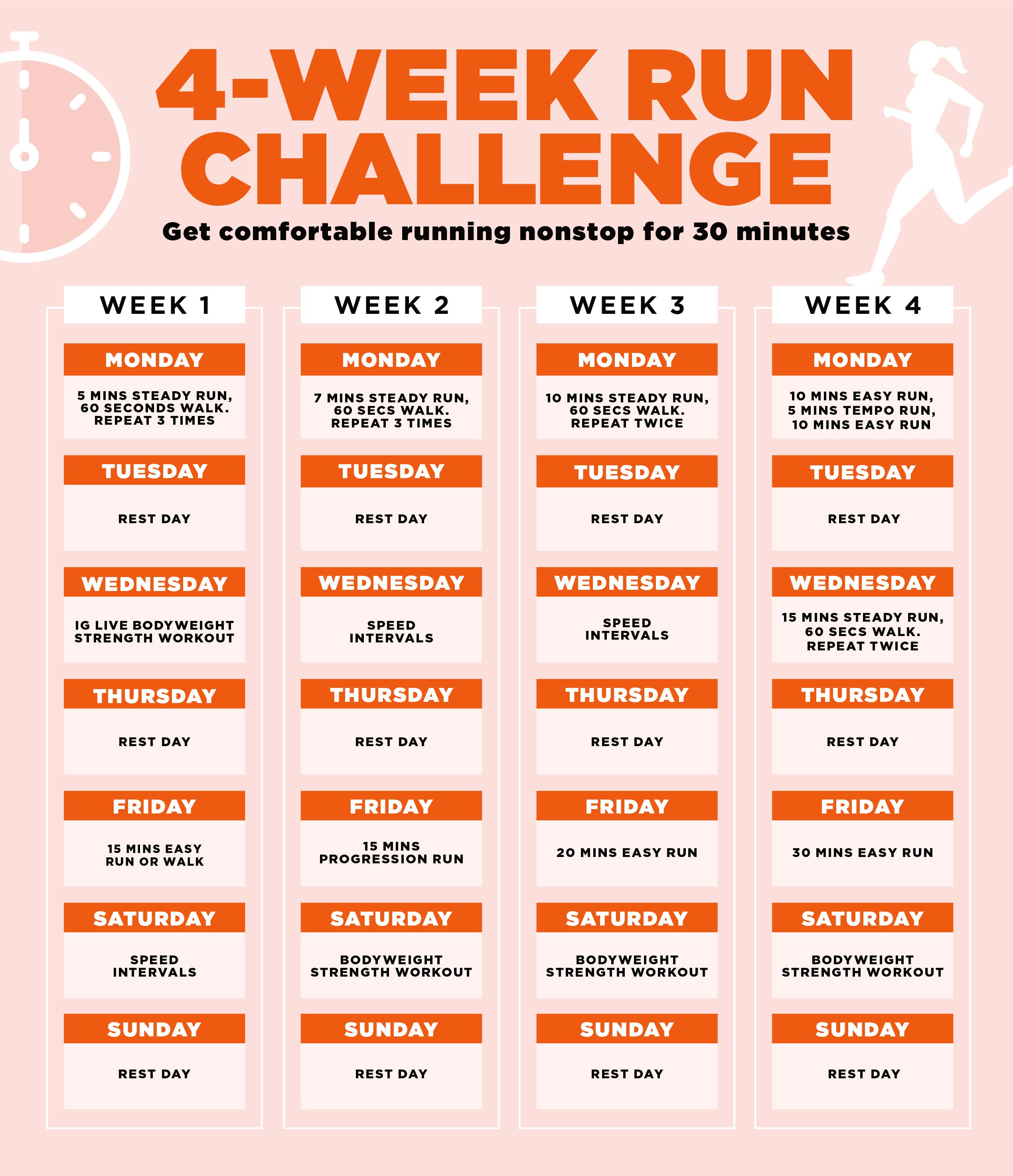
To lose weight fast at home in 2026, you must prioritize a caloric deficit through a high-protein diet, consistent hydration, and metabolic-boosting activities like HIIT or resistance training. Combining these nutritional shifts with optimized sleep and stress management ensures rapid, visible results while maintaining muscle mass and overall metabolic health.
The Fundamentals of Rapid Weight Loss in 2026
Achieving significant weight loss within the home environment requires an understanding of energy balance and hormonal regulation. While the core principle remains "calories in versus calories out," the efficiency with which your body processes those calories depends on several metabolic factors. In 2026, health guidelines emphasize that "fast" results should still be grounded in physiological safety, typically targeting a loss of 1 to 2 pounds per week, though initial water weight reduction may appear more dramatic.
The strategies listed below focus on increasing your basal metabolic rate (BMR) and enhancing the thermic effect of food (TEF). By manipulating these variables at home, you can create a sustainable environment for fat oxidation without the need for specialized gym equipment or expensive coaching.
20 Proven Strategies for Home-Based Weight Loss
1. Increase Dietary Protein Intake
Protein is the most metabolically expensive macronutrient to digest. When you consume protein, your body uses significantly more energy to break it down compared to fats or carbohydrates—a process known as the thermic effect of food. Furthermore, protein triggers the release of satiety hormones like cholecystokinin (CCK) and glucagon-like peptide-1 (GLP-1), which signal to your brain that you are full. Aim for 0.8 to 1 gram of protein per pound of target body weight to preserve lean muscle tissue during a caloric deficit.
2. Prioritize High-Intensity Interval Training (HIIT)
HIIT is a time-efficient method to burn calories both during and after your workout. By performing short bursts of intense activity—such as mountain climbers or burpees—followed by brief recovery periods, you induce Excess Post-exercise Oxygen Consumption (EPOC). This "afterburn" effect keeps your metabolic rate elevated for hours after the session. Research from Harvard Health confirms that HIIT can reduce body fat and improve cardiovascular health as effectively as longer, moderate-intensity workouts.
3. Implement Intermittent Fasting (16/8)
Intermittent fasting is a pattern of eating that cycles between periods of fasting and eating. The 16/8 method, where you fast for 16 hours and eat within an 8-hour window, is highly effective for reducing overall caloric intake without feeling deprived. During the fasting window, insulin levels drop significantly, facilitating fat burning. It also simplifies the daily routine, making it easier to stick to a nutritional plan when working from home.
4. Increase Daily Water Consumption
Water is essential for lipolysis, the process by which the body burns fat for energy. Drinking water—especially cold water—can temporarily boost your metabolism through water-induced thermogenesis. Moreover, drinking 16 ounces of water 30 minutes before a meal can lead to "pre-loading" satiety, causing you to naturally consume fewer calories during the meal.
5. Focus on Soluble Fiber
Soluble fiber absorbs water and forms a gel that slows down food as it passes through your digestive system. This delay in gastric emptying helps you feel fuller for longer and reduces blood sugar spikes. Incorporating foods like oats, legumes, and flaxseeds into your home cooking can significantly reduce cravings. According to the Mayo Clinic, a high-fiber diet is crucial for long-term weight management and digestive health.
6. Reduce Refined Carbohydrates
Refined carbs, such as white bread, pasta, and sugary snacks, are stripped of their fiber and nutrients. They are digested quickly, leading to rapid spikes in blood sugar and insulin. High insulin levels promote fat storage and can trigger intense hunger shortly after eating. Replacing these with complex carbohydrates like quinoa or sweet potatoes provides sustained energy and prevents the "crash" that leads to overeating.
7. Utilize Bodyweight Resistance Training
You do not need dumbbells to build muscle. Bodyweight exercises such as squats, lunges, planks, and push-ups create metabolic demand. Muscle tissue is more metabolically active than fat tissue, meaning the more muscle you maintain, the more calories you burn at rest. Consistently challenging your muscles at home prevents the metabolic slowdown often associated with weight loss.
8. Optimize Sleep Quality and Duration
Sleep is a primary regulator of the hunger hormones ghrelin and leptin. Sleep deprivation increases ghrelin (the hunger hormone) and decreases leptin (the fullness hormone), making it nearly impossible to resist cravings. Aim for 7–9 hours of quality sleep. In 2026, the link between circadian rhythm disruption and metabolic syndrome is well-documented, highlighting sleep as a non-negotiable pillar of weight loss.
9. Practice Mindful Eating
Mindful eating involves paying full attention to the experience of eating and drinking, both inside and outside the body. Avoid eating while watching television or scrolling through your phone. By focusing on the taste, texture, and smell of your food, you become more attuned to your body's satiety signals, preventing the "accidental" consumption of hundreds of extra calories.
10. Eliminate Liquid Calories
Sugary sodas, energy drinks, and even "healthy" fruit juices contribute significant calories without providing satiety. The brain does not register liquid calories the same way it registers solid food, leading to an increase in total caloric intake. Switching to black coffee, herbal teas, or sparkling water is one of the easiest ways to create a caloric deficit immediately.
11. Increase Non-Exercise Activity Thermogenesis (NEAT)
NEAT includes all the calories burned through movement that isn't formal exercise, such as pacing while on a phone call, cleaning the house, or standing while working. If you work from home, using a standing desk or taking five-minute "movement snacks" every hour can burn an additional 200–500 calories per day, which is often more than a structured workout.
12. Use Smaller Plates and Bowls
This psychological "hack" exploits the Delboeuf illusion. When you use a smaller plate, the same portion of food looks larger, tricking your brain into feeling more satisfied. This simple change in the home environment helps with portion control without the need for meticulous calorie counting of every single ingredient.
13. Cook Meals at Home
Restaurant meals and ultra-processed takeout are often loaded with "hidden" calories from oils, sugars, and large portion sizes. By preparing your meals at home, you have total control over the ingredients. Using techniques like steaming, air-frying, or roasting instead of deep-frying can significantly lower the caloric density of your favorite dishes.
14. Drink Black Coffee or Green Tea
Caffeine can boost metabolic rate by 3–11% and increase fat burning by up to 10–29%. Green tea, in particular, contains antioxidants called catechins (specifically EGCG), which work synergistically with caffeine to enhance fat oxidation. Ensure you consume these without added sugars or heavy creams to maximize their weight loss benefits.
15. Manage Cortisol Through Stress Reduction
Chronic stress leads to elevated levels of cortisol, a hormone that encourages fat storage, particularly in the abdominal area. High cortisol also increases cravings for "comfort foods" high in fat and sugar. Practicing daily meditation, deep breathing exercises, or yoga at home can lower cortisol and make it easier for your body to release stored fat.
16. Incorporate Probiotic-Rich Foods
The health of your gut microbiome plays a significant role in weight regulation. Certain bacteria can influence how much energy you extract from food and impact your appetite. Including fermented foods like Greek yogurt, kefir, sauerkraut, or kimchi in your diet can improve gut diversity and support a healthy weight.
17. Eat Slowly and Chew Thoroughly
It takes approximately 20 minutes for your brain to receive the signal that your stomach is full. By slowing down and chewing each bite thoroughly, you allow this communication to happen before you overeat. Studies suggest that "fast eaters" are significantly more likely to be overweight than "slow eaters."
18. Avoid Ultra-Processed Foods (UPFs)
UPFs are engineered to be "hyper-palatable," making them difficult to stop eating. They often contain emulsifiers and artificial sweeteners that can disrupt metabolic health. Stick to whole, single-ingredient foods as much as possible. If a food comes in a package with a long list of chemical ingredients, it is likely hindering your weight loss progress.
19. Supplement with Apple Cider Vinegar
While not a "magic bullet," consuming 1–2 tablespoons of apple cider vinegar (ACV) diluted in water before meals may help lower blood sugar levels and increase feelings of fullness. Acetic acid, the main component of ACV, has been shown in some studies to reduce fat storage in the liver and abdomen.
20. Track Your Progress and Consistency
Consistency is the most critical factor for results. Whether you use a journal, an app, or photos, tracking your habits and progress keeps you accountable. In 2026, digital tracking tools make it easier than ever to monitor not just weight, but also body measurements and nutritional intake, providing the data needed to make adjustments.
Weight Loss Strategy Comparison
| Strategy | Metabolic Mechanism | Ease of Implementation | Impact Level |
|---|---|---|---|
| High Protein | Increases Thermic Effect (TEF) | Moderate | High |
| HIIT Workouts | Increases Afterburn (EPOC) | Difficult | High |
| Hydration | Supports Lipolysis | Easy | Moderate |
| Sleep (7-9h) | Regulates Leptin/Ghrelin | Moderate | High |
| Intermittent Fasting | Lowers Insulin Levels | Moderate | High |
| NEAT/Movement | Consistent Caloric Burn | Easy | Moderate |
Common Pitfalls to Avoid at Home
When attempting to lose weight quickly at home, many individuals fall into the trap of extreme caloric restriction. Consuming fewer than 1,200 calories (for women) or 1,500 calories (for men) can trigger a "starvation response," where the body slows its metabolism and breaks down muscle tissue for energy. This often leads to a weight loss plateau and rapid weight regain once normal eating resumes.
Another common mistake is relying solely on cardio. While running or cycling burns calories, neglecting resistance training can lead to a "skinny fat" physique, where body weight decreases but body fat percentage remains high. Balanced routines that incorporate both metabolic conditioning and muscle preservation are superior for body composition.
Finally, beware of hidden sugars in "diet" foods. Many low-fat or diet-branded products at the grocery store replace fat with sugar or artificial sweeteners that can still trigger insulin spikes. Always read the nutritional labels to ensure your home-cooked meals are truly supporting your goals.
Frequently Asked Questions
Can I lose 10 pounds in a week at home?
While it is possible to see a 10-pound drop on the scale in a single week, most of this is likely water weight and glycogen rather than actual body fat. Significant fat loss takes time and a consistent caloric deficit. Rapid drops are often seen when starting a low-carb diet or intermittent fasting, as the body sheds excess water stored with carbohydrates.
Is it possible to lose weight without exercise?
Yes, weight loss is primarily driven by nutrition and a caloric deficit. You can lose weight by simply consuming fewer calories than you burn through daily living. However, exercise—specifically resistance training and HIIT—helps preserve muscle mass, improves cardiovascular health, and makes it much easier to maintain weight loss in the long term.
What is the best time of day to exercise at home for weight loss?
The "best" time is the time you can most consistently stick to. However, some evidence suggests that performing "fasted cardio" in the morning may slightly increase fat oxidation. Conversely, afternoon workouts often benefit from higher body temperatures and better physical performance. Consistency and total daily movement are more important than the specific hour of exercise.
Do I need to count every calorie to see results?
Not necessarily, but it can be a helpful tool for beginners to understand portion sizes. Many people successfully lose weight by focusing on food quality—increasing protein and fiber while reducing refined carbs—and using portion control techniques like smaller plates. If your progress stalls, tracking calories for a few days can help identify where hidden intake is occurring.
How does stress affect my weight loss progress?
Stress triggers the release of cortisol, which can lead to increased abdominal fat storage and cravings for high-calorie foods. If you are doing everything right with diet and exercise but still not losing weight, high stress levels may be the culprit. Integrating relaxation techniques is just as important as the physical aspects of weight loss.
Implementing Your Home Weight Loss Strategy
To achieve the best results in 2026, do not attempt to implement all 20 strategies simultaneously. Start by selecting three high-impact changes, such as increasing protein, improving sleep, and adding three HIIT sessions per week. Once these become habitual, layer in additional strategies like intermittent fasting or mindful eating.
Focus on creating an environment that makes healthy choices easy. This includes keeping fresh produce visible, hiding or removing ultra-processed snacks, and scheduling your "movement snacks" into your digital calendar. Weight loss is a marathon of consistency rather than a sprint of intensity; by making these small, manageable changes at home, you set the foundation for permanent health transformation.
Disclaimer: Consult with a healthcare professional before starting any new diet or intensive exercise program, especially if you have underlying health conditions.