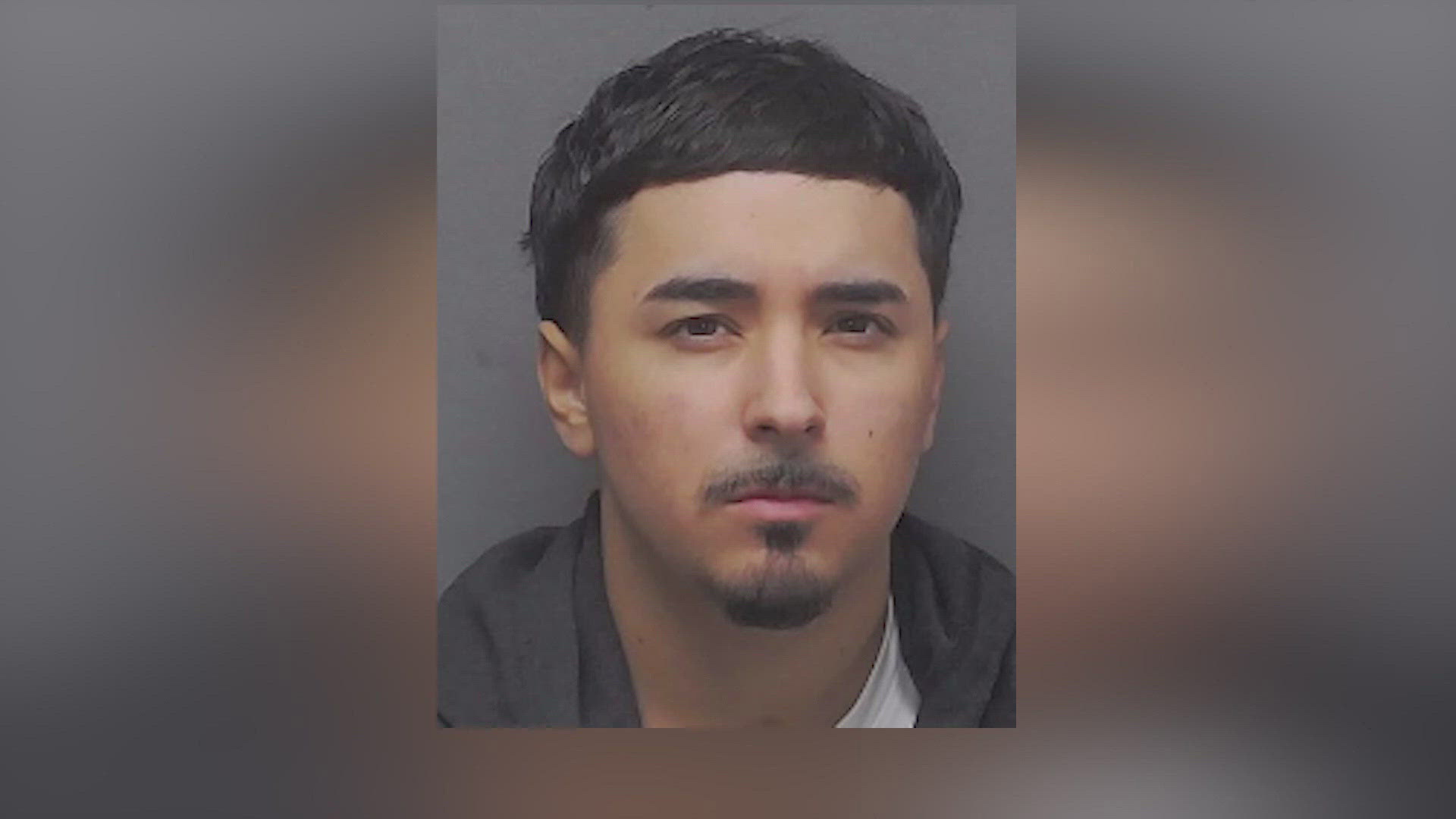
Law enforcement authorities have apprehended two suspects following a targeted shooting incident, securing the primary crime scene while ongoing investigations examine ballistic evidence, motive, and potential co-conspirators.
Understanding the Scope of the Investigation
When law enforcement agencies announce that two individuals have been taken into custody following a shooting, the public announcement usually marks the transition from an active emergency response to a systematic criminal investigation. This phase involves gathering forensic evidence, interviewing eyewitnesses, and examining digital footprints or surveillance footage to piece together the sequence of events.
The initial hours after an arrest are critical for investigators. Detectives must work within strict legal frameworks, such as statutory holding limits, to transition temporary detentions into formal criminal charges filed through the local prosecutor's office. Understanding this administrative and operational timeline helps contextualize why certain details are withheld while others are rapidly publicized.
Chronology and Sequence of Law Enforcement Responses
The sequence of events in a major shooting investigation follows a structured protocol designed to ensure public safety first, preserve evidence second, and build a sustainable legal case third.
- Initial Emergency Dispatch: First responders receive reports of gunfire, dispatching patrol units and emergency medical services to secure the perimeter and render aid to any injured parties.
- Scene Containment and Triage: Officers establish a crime scene perimeter, restrict public access, and collect immediate transient evidence such as shell casings, abandoned vehicles, or dropped personal items.
- Apprehension and Detainment: Through witness descriptions, automatic gunshot detection systems, or vehicle tracking, suspects are located and taken into custody, frequently during high-risk traffic stops or targeted residential entries.
- Warrant Execution and Forensic Processing: Crime scene technicians process the physical evidence, execute search warrants for residences or vehicles, and submit firearms to ballistics laboratories for cross-referencing against database records.
- Arraignment and Formal Charging: Prosecutors review the preliminary police reports and evidence packages to file formal charges, leading to the suspects' initial court appearances.
Key Incident Details and Verified Metrics
| Incident Dimension | Verified Status | Operational Focus |
|---|---|---|
| Suspect Status | Two individuals in custody | Booking, interrogation, and formal charge filing |
| Victim Status | Assessed by emergency medical services | Medical treatment and privacy protection protocols |
| Evidence Recovery | Ballistic materials and digital assets | Forensic analysis and database comparison |
| Public Safety Risk | Contained by local authorities | Ongoing neighborhood patrols and community reassurance |
Legal Procedures and the Charging Process
Following an arrest, the judicial system mandates specific procedural steps to protect the constitutional rights of the accused while pursuing justice for victims and the community. The transition from a police holding facility to a court docket requires a formal review by district attorneys or state prosecutors.
During this review, prosecutors evaluate the sufficiency of the evidence gathered by the police. They must determine whether the facts support specific felony charges, such as attempted homicide, assault with a deadly weapon, or unlawful possession of a firearm. If the evidence meets the legal threshold, charges are filed, and the suspects are scheduled for arraignment, where bail conditions or pretrial detention parameters are established by a judge.
Community Impact and Public Safety Measures
Incidents involving firearms prompt immediate concern within local neighborhoods, necessitating transparent communication from public safety officials. Law enforcement agencies typically deploy additional patrols to affected areas to reassure residents and deter retaliatory actions or secondary crimes.
Community leaders and local municipalities often coordinate with law enforcement to provide victim support services, counseling resources, and channels for anonymous tips. Public cooperation remains a cornerstone of these investigations, as community members frequently possess video footage or contextual information that can corroborate or challenge witness statements.
Frequently Asked Questions
What specific charges do the two arrested suspects face?
Charges are determined by the district attorney's office based on the comprehensive police report and collected evidence. Initial booking charges often serve as placeholders while prosecutors finalize the precise statutory violations, which may include aggravated assault, weapons offenses, or related felonies.
Are law enforcement officials searching for additional suspects?
Investigators continually evaluate whether co-conspirators, accessories, or drivers aided the primary suspects before or after the incident. If surveillance footage or digital evidence indicates outside involvement, the search perimeter and warrant scopes are expanded accordingly.
How can witnesses or community members share tips safely?
Local law enforcement agencies maintain dedicated tip lines and online submission portals that allow individuals to provide information anonymously. For urgent situations or active threats, authorities consistently advise calling emergency services directly.
What is the typical timeline for an arraignment after an arrest?
Jurisdictional laws generally require that detained suspects be brought before a judge for an arraignment within 24 to 72 hours of arrest, excluding weekends and holidays. This hearing ensures the accused are informed of their rights and the charges against them.
Where can the public find official updates regarding the case?
Official updates are disseminated through verified media channels, municipal press releases, and the official social media accounts or websites of the investigating police department or prosecutor's office.
Next Steps and Ongoing Monitoring
As the judicial process moves forward, interested parties and community members should monitor official releases from the prosecuting attorney's office and the local court clerk for scheduling updates regarding preliminary hearings, motion filings, and trial dates. Media outlets and public information officers provide ongoing coverage as new evidence is formally entered into the public record during court proceedings. Anyone with direct information regarding the incident should contact the investigating agency immediately to assist with the ongoing pursuit of judicial accountability.