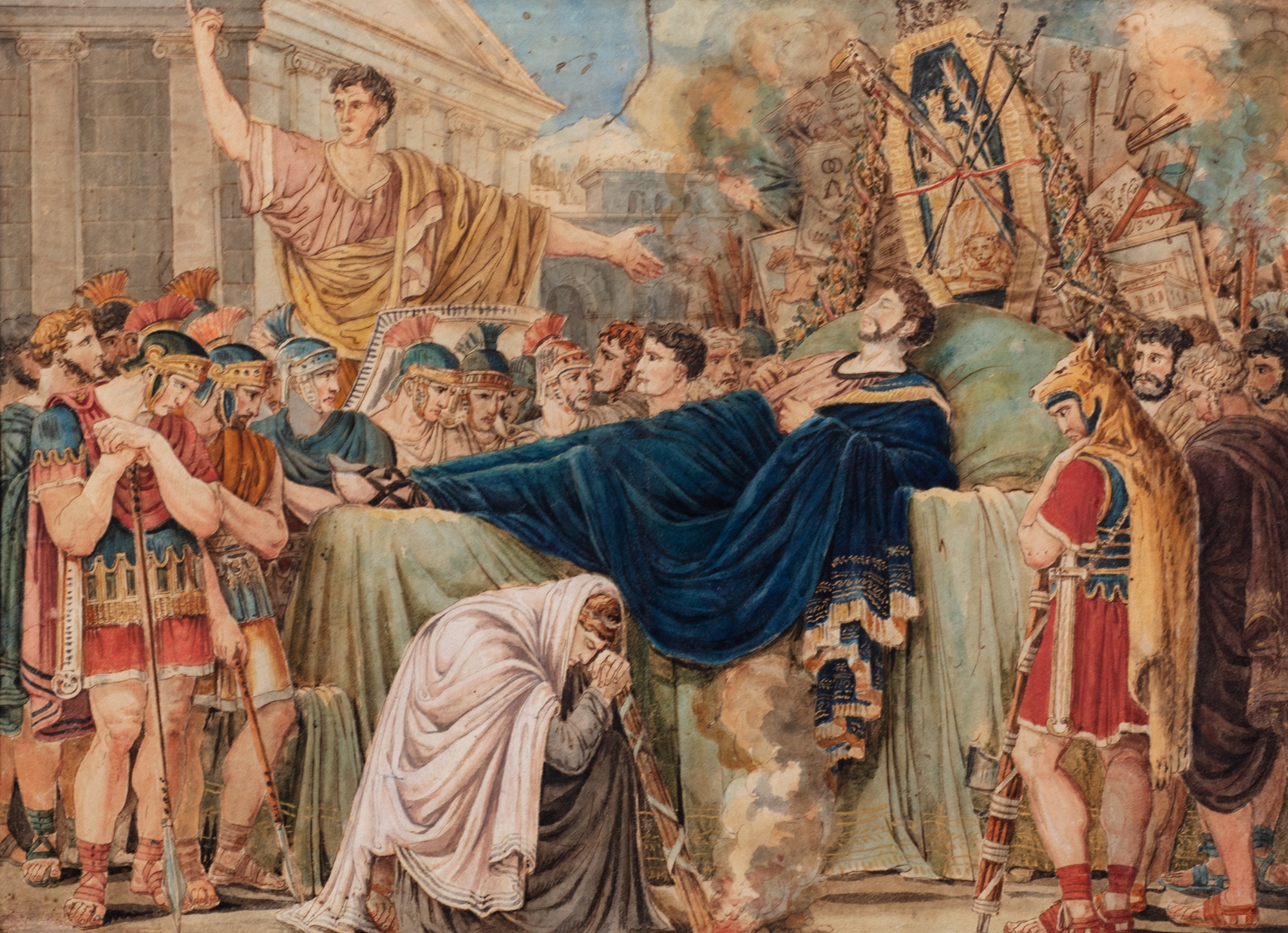
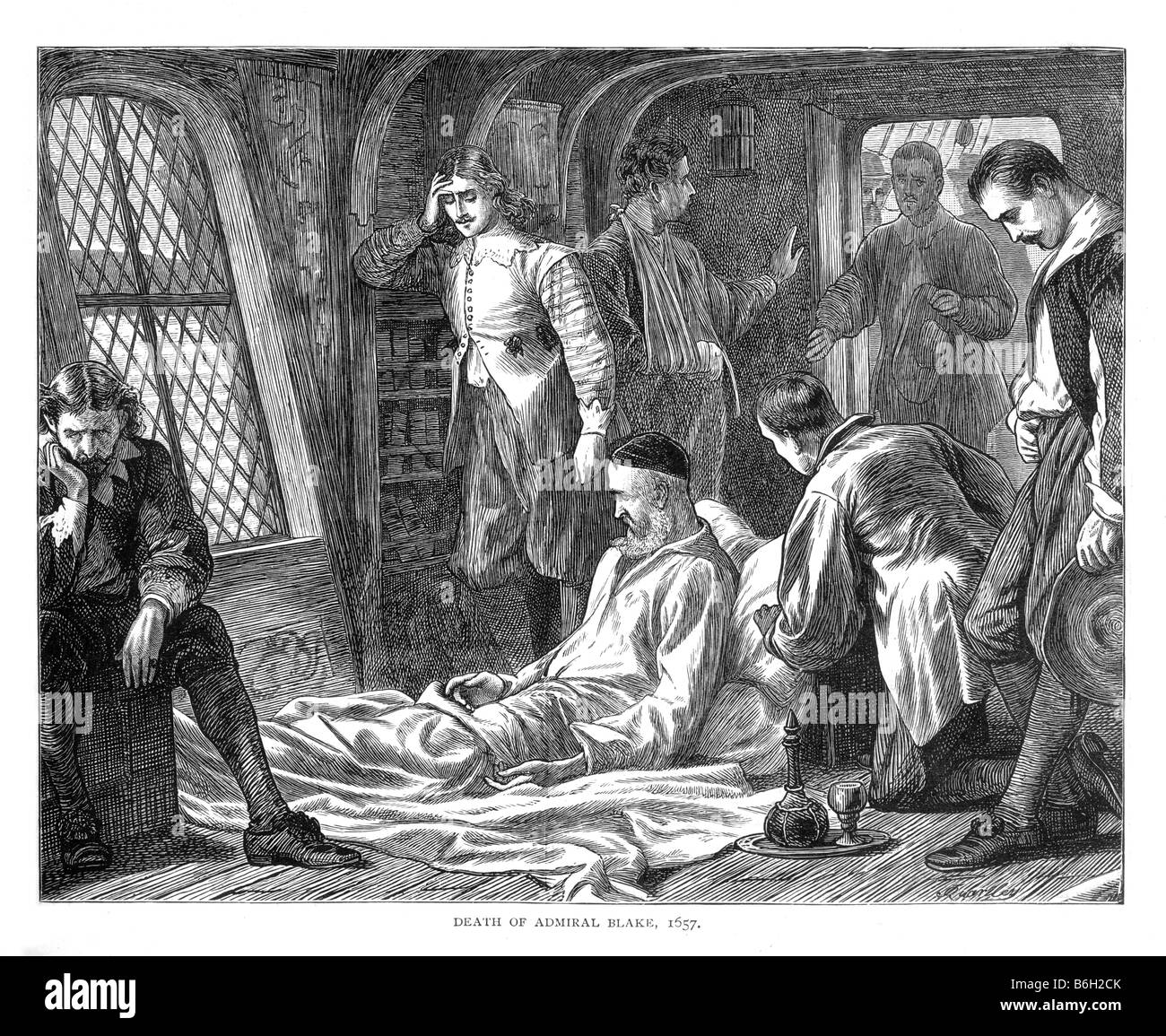
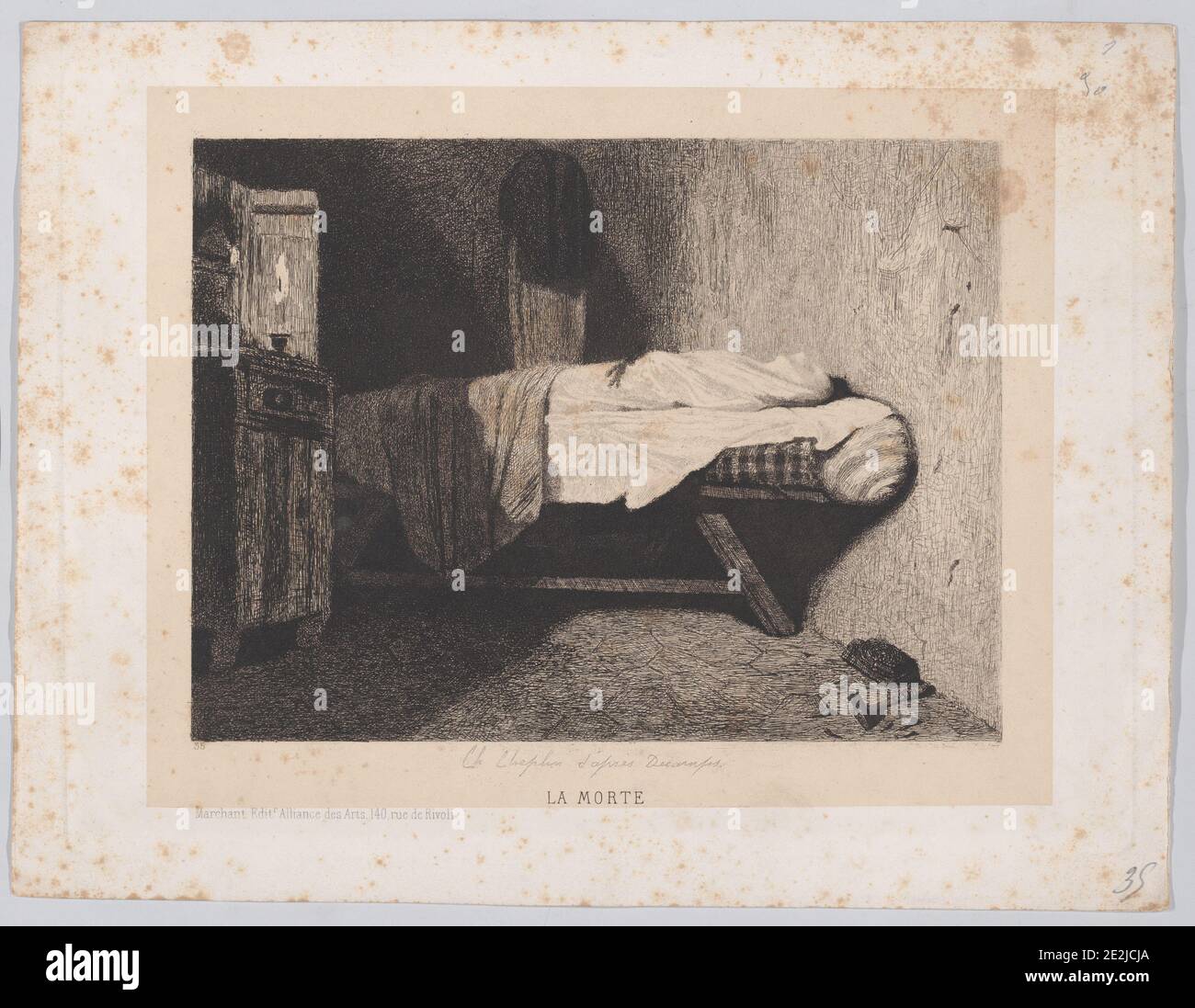
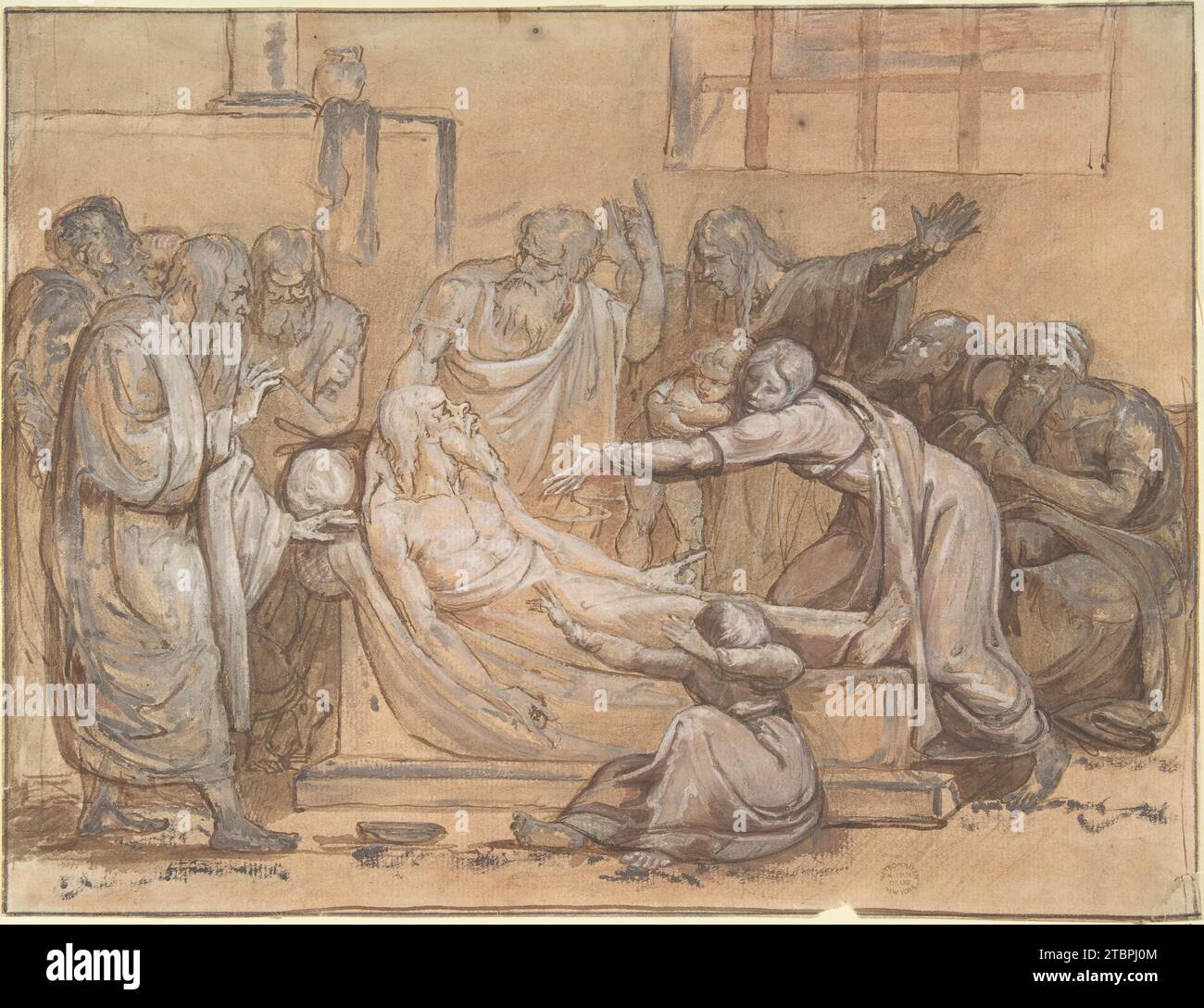
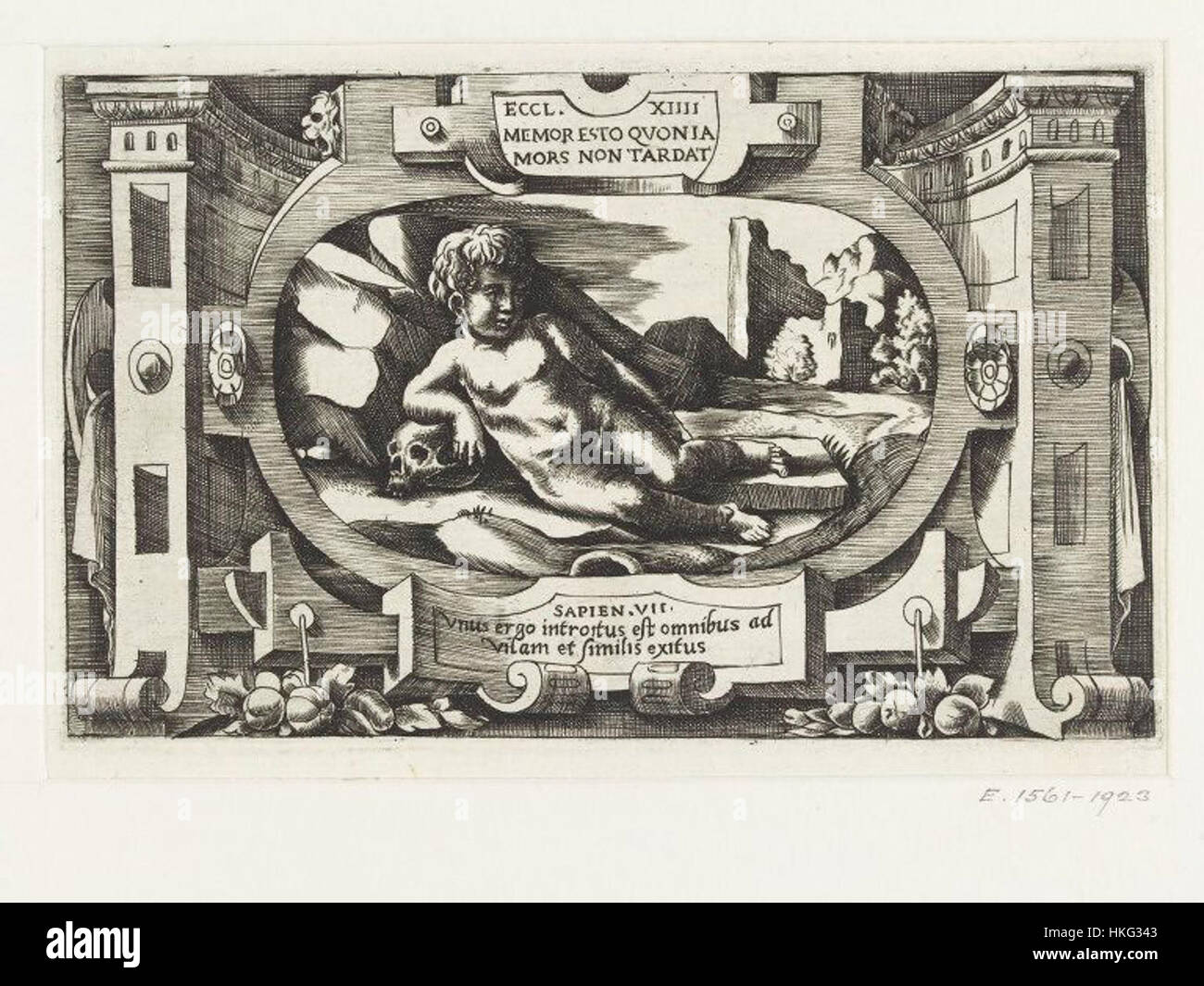
Death in the 19th century was a frequent, highly visible, and deeply ritualized part of daily life, shaped by high mortality rates, infectious diseases, and distinct Victorian mourning customs that transformed grief into a prominent cultural institution.
The Landscape of Mortality: Causes and Rates in the 1800s
The 19th century was characterized by high mortality rates, particularly among infants and children, and a life expectancy at birth that rarely exceeded 45 years in industrialized nations. Rapid urbanization, crowded and unsanitary tenement housing, and contaminated water supplies created ideal conditions for widespread infectious diseases. Epidemics of cholera, yellow fever, typhoid, tuberculosis (then known as consumption), scarlet fever, and smallpox swept through major cities and rural towns alike with terrifying regularity.
Medical science during the early and mid-19th century had not yet fully embraced germ theory. Physicians often relied on outdated humoral theories, bleeding, purging, and unsterilized instruments, which occasionally exacerbated patient distress rather than curing it. Hospitals were frequently viewed as places of last resort where the destitute went to die rather than facilities for successful recovery. Consequently, death occurred predominantly at home, surrounded by family members, rather than in sterile institutional settings. This domestic proximity ensured that people of all ages—including young children—witnessed the dying process firsthand, normalizing mortality as an inescapable facet of human existence.
The Victorian Culture of Mourning and Bereavement
As the 19th century progressed, particularly during the Victorian era, the handling of death evolved into an elaborate social code governed by strict etiquette, conspicuous consumption, and complex visual markers of grief. Queen Victoria’s decades-long period of mourning following the death of Prince Albert in 1861 heavily influenced societal norms, making prolonged and visible sorrow a standard of respectability.
Mourning was not merely an emotional state but a rigid social obligation with distinct chronological phases. Widows, in particular, bore the heaviest burden of these customs. The mourning period was typically divided into deep or full mourning, half-mourning, and concluding phases. During full mourning, which lasted for a year and a day, a widow was expected to wear dull, non-reflective black fabrics such as crape, completely abstain from societal events, and limit her interactions to close family. Half-mourning introduced softer fabrics, subtle patterns, and colors like mauve, grey, or white as the restrictions gradually eased. Men faced far lighter expectations, often signaling their loss simply by wearing a black band around their top hat or sleeve for a few months.
| Mourning Phase | Typical Duration | Approved Fabrics & Colors | Permitted Social Activities |
|---|---|---|---|
| Full Mourning | 1 year and 1 day (for widows) | Dull black crape, bombazine, heavy wool; zero ornamentation | Complete social seclusion, restricted to essential domestic duties |
| Half-Mourning | 6 to 9 months | Grey, lavender, mauve, white; silk and cotton with minimal pattern | Limited family visits, attendance at religious services |
| Concluding Phase | Variable (3 to 6 months) | Normal wardrobe integration, introduction of standard colors | Gradual return to wider public life and polite society |
Funerary Practices and the Commercialization of Grief
The physical management of the deceased shifted significantly over the course of the 1800s. In the early part of the century, body preparation was handled primarily by female family members, neighbors, or local laying-out women who washed the body, dressed it in burial garments, and placed it in a simple wooden coffin. By the mid-to-late 19th century, this domestic task transitioned into a commercial enterprise dominated by professional undertakers. Undertakers expanded their roles from simple coffin makers to comprehensive funeral directors who managed transportation, venue arrangements, floral displays, and cravat rentals.
The American Civil War (1861–1865) marked a major technological turning point for funerary practices through the popularization of arterial embalming. Driven by the desire to transport fallen soldiers back to their home states for burial, embalming techniques advanced rapidly. While chemical preservation became increasingly common among the affluent civilian population toward the end of the century, traditional burial without embalming remained standard for the working classes due to cost. Casket manufacturing also evolved from rudimentary rectangular boxes to sophisticated, contoured metallic and wooden burial cases designed to delay decomposition and project dignity.
Cemeteries, Memorialization, and the Rural Cemetery Movement
As urban churchyards filled to capacity, posing severe public health hazards through foul odors and contaminated groundwater, cities began establishing expansive, landscaped rural cemeteries on their outskirts. Inspired by Père Lachaise Cemetery in Paris, American and British landscape designers created places like Mount Auburn Cemetery in Massachusetts (founded in 1831) and Abney Park Cemetery in London. These rural cemeteries were designed not just as burial grounds, but as peaceful public parks where citizens could stroll, picnic, and reflect on mortality amidst elaborate marble obelisks, weeping angels, and carefully curated botanical specimens.
Memorialization became an art form in its own right. Gravestones and mausoleums featured heavy symbolism: broken columns signified a life cut short, inverted torches represented the extinction of life, and weeping willows denoted eternal sorrow. For those who could not afford grand stone monuments, photography provided an accessible alternative. Post-mortem photography—the practice of photographing deceased loved ones as if they were merely sleeping—was widespread during the Victorian era. These photographs served as treasured, tangible mementos for grieving families living in an era before casual snapshot photography was available.
Material Culture of Remembrance: Mourning Jewelry
The material culture of 19th-century death extended deeply into personal adornment through the widespread use of mourning jewelry. Rings, brooches, lockets, and watch chains were crafted to keep the memory of the deceased physically close to the wearer. A defining feature of this jewelry was the incorporation of actual human hair. Artisans meticulously wove, braided, or pressed deceased relatives' hair into intricate floral patterns or geometric designs, which were then placed behind glass panels in gold or jet settings.
Jet, a dense, fossilized lignite coal mined primarily in Whitby, England, became the quintessential material for mourning ornaments. Because it could be carved and polished to a deep, solemn black sheen without reflecting light, genuine Whitby jet was highly prized by the Victorian upper classes, spawning a vast market of imitation materials like vulcanite and black glass for working-class consumers. Alongside jewelry, households displayed framed hair art, memorial samplers, and black-bordered stationery used exclusively for writing letters of condolence.
Frequently Asked Questions
Why was post-mortem photography common in the 19th century?
Post-mortem photography was common because photographic portraits were expensive and rare during the mid-to-late 1800s. For many families, the post-mortem photograph was the only visual likeness ever captured of a deceased child or relative, serving as a comforting keepsake during a time of high mortality.
How did Queen Victoria influence 19th-century mourning customs?
Queen Victoria entered a state of profound, lifelong mourning following the death of Prince Albert in 1861. Her withdrawal from public life and strict adherence to decades of wearing black garments established a cultural benchmark that the British public and international societies imitated as the ultimate standard of respectability.
What was the Rural Cemetery Movement?
The Rural Cemetery Movement was a 19th-century urban planning initiative that moved burials away from cramped, unsanitary churchyards in city centers to large, park-like landscapes on the urban periphery, combining sanitary reform with public recreation and artistic memorialization.
How did the American Civil War impact funerary practices?
The American Civil War normalized arterial embalming on a large scale. The vast number of casualties occurring far from home necessitated chemical preservation techniques so bodies could be shipped across state lines for proper burial by families.
What materials were used to create Victorian mourning jewelry?
Victorian mourning jewelry frequently incorporated genuine human hair, carved Whitby jet, onyx, obsidian, black glass, and vulcanite. These materials were set in gold or silver to create sombre brooches, rings, and lockets commemorating lost loved ones.
Navigating Historical Mortality Research
Researchers exploring 19th-century death records, genealogical archives, or Victorian social history should begin by consulting primary local civil registration documents, church burial registers, and historical census data. When examining artifacts or textual accounts from this period, analyze them within the broader socio-economic context of industrialization and public health limitations. To ensure accurate historical interpretation, cross-reference personal letters or diaries with municipal health reports and contemporary etiquette manuals rather than relying on modern assumptions about grief and mortality.