The year 1999 marked a pivotal transition for The Walt Disney Company, bridging the traditional hand-drawn animation golden age with the digital frontier of computer-generated imagery while navigating major shifts in television, theme parks, and corporate leadership.
Examining the events, releases, and strategic decisions of 1999 reveals how Disney balanced its rich heritage in traditional storytelling with aggressive modern expansion. During this period, the studio celebrated the culmination of the Renaissance era with major theatrical releases, restructured its consumer products division, expanded its theme park footprint internationally and domestically, and laid the groundwork for digital entertainment models that would shape the twenty-first-century media landscape.
Theatrical Releases and the Climax of Traditional Animation
The cinematic landscape for Disney in 1999 was defined by a mix of high-profile animated features and live-action experiments. The most significant release of the year was Tarzan, directed by Kevin Lima and Chris Buck. Released in June 1999, Tarzan represented the final major triumph of the Disney Renaissance period, showcasing technical innovations such as "Deep Canvas," a proprietary software that allowed artists to blend traditional hand-drawn character animation with three-dimensional backgrounds. The film was a critical and commercial success, grossing over $448 million worldwide and earning an Academy Award for Best Original Song for Phil Collins's "You'll Be in My Heart."
In addition to Tarzan, Disney’s animation division released Fantasia 2000, which premiered in late December 1999 at Carnegie Hall before a wide theatrical rollout in IMAX theaters in 2000. This project continued Walt Disney's original vision of pairing classical music with cutting-edge animation, featuring segments like Paul Dukas's The Sorcerer's Apprentice alongside new interpretations such as Igor Stravinsky's Firebird Suite.
Live-action and acquired content also played a crucial role in Disney's 1999 box office strategy through Touchstone Pictures and other banners. Films such as The Sixth Sense, distributed by Hollywood Pictures (a Disney subsidiary), became a monumental sleeper hit, grossing over $670 million globally and proving that Disney could capture the mature, suspense-driven demographic just as effectively as family audiences.
Technological and Distribution Shifts in Home Entertainment
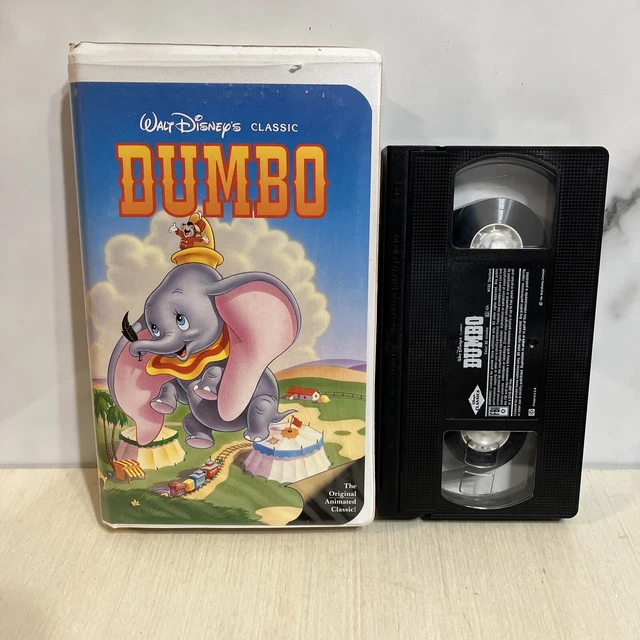
The home entertainment market in 1999 was undergoing a structural evolution that directly impacted Disney’s distribution models. While VHS cassettes remained the dominant format for family home video consumption, the DVD (Digital Versatile Disc) format was rapidly gaining consumer adoption after its introduction to the US market in 1997.
Disney adopted a cautious approach to the DVD format during its early years, gradually testing the waters with selective titles that showcased enhanced audio and visual fidelity. The company’s home video strategy relied heavily on the "Vault" system, where classic animated features were periodically placed on moratorium to artificially drive demand upon re-release. In 1999, titles released on home video—ranging from direct-to-video sequels like Winnie the Pooh: Seasons of Giving to live-action comedies—benefited from an established retail distribution network that relied on mass-merchants, specialized video stores, and mail-order subscription clubs like the Disney Video Club.
Concurrently, the internet was beginning to disrupt traditional media marketing and fan engagement. Disney's online presence, anchored by Disney.com and specialized family portals, began moving away from simple promotional brochures toward interactive entertainment, early e-commerce for merchandise, and digital community building. This period represented the foundational phase of Disney’s digital infrastructure, setting the stage for broadband streaming and app-based ecosystems years later.
Theme Parks and Resort Expansions
The late 1990s were a period of massive capital expenditure for Walt Disney Parks and Resorts, and 1999 served as a critical year of construction and preparation for the turn of the millennium. At the Walt Disney World Resort in Florida, preparations were underway for the massive "Millennium Celebration," which officially kicked off in October 1999 at Epcot with the debut of the "IllumiNations 2000: Reflections of Earth" nighttime spectacular and the iconic Spaceship Earth "Leave a Legacy" installation.
Internationally, Disney was expanding its global footprint. Construction and strategic planning advanced significantly for the Tokyo Disney Resort expansion, which included the development of Tokyo DisneySea, scheduled to open in 2001, and the ongoing design phases for the Hong Kong Disneyland project. Meanwhile, the Disneyland Resort in Anaheim, California, was in the midst of its largest transformation since opening in 1955, transforming from a single-park destination into a multi-day resort with the construction of Disney's California Adventure, the Downtown Disney district, and Disney's Grand Californian Hotel, all slated for completion in 2001.
| Project / Initiative | Location | Primary Focus | Operational Status in 1999 |
|---|---|---|---|
| Tarzan (Theatrical Film) | Global | Feature Animation / Music | Released June 1999; major box office success |
| Epcot Millennium Celebration | Walt Disney World, Florida | Theme Park Event / Tourism | Debuted October 1999 |
| Tokyo DisneySea | Chiba, Japan | International Theme Park | Under heavy construction; opened 2001 |
| Disneyland Resort Expansion | Anaheim, California | Resort Transformation | Active construction phase for 2001 launch |
| Fantasia 2000 | New York / Global | Animated Feature Film | World premiere December 1999 |
Corporate Leadership and Financial Performance
Throughout 1999, The Walt Disney Company was led by Chairman and Chief Executive Officer Michael Eisner, alongside President Michael Ovitz’s departure having occurred previously, leaving a seasoned executive team managing the company's diverse segments: Studio Entertainment, Media Networks (including ABC and ESPN), Consumer Products, and Parks and Resorts.
The financial performance of Disney in fiscal 1999 reflected the cyclical nature of the entertainment industry. While box office hits like Tarzan and the continued dominance of cable assets like ESPN provided strong revenue streams, the company faced margin pressures in its consumer products division and rising production costs in feature animation. ABC, acquired via the Capital Cities/ABC merger in 1996, experienced ratings fluctuations as prime-time television competition intensified with the rise of reality television formats and serialized dramas across rival networks. Despite these challenges, Disney maintained a massive global brand valuation, leveraging cross-promotional synergies between its film releases, theme park attractions, and consumer merchandise lines.
The Legacy of 1999 in Disney's Historical Timeline
When evaluating the trajectory of The Walt Disney Company, 1999 stands as a bridge between two distinct corporate eras. It closed out the twentieth century by honoring the traditions of hand-drawn animation and classic theme park design while quietly funding the digital, CGI-driven, and globally diversified strategies that would define the company's expansion in the 2000s and beyond. Understanding this specific year requires acknowledging both the creative heights of its animation studios and the commercial pressures of running a multi-billion-dollar entertainment conglomerate on the cusp of the digital age.
Frequently Asked Questions
What was the highest-grossing Disney film released in 1999?
Tarzan was Disney's highest-grossing animated film of 1999, earning approximately $448 million at the worldwide box office. Additionally, Touchstone Pictures and Hollywood Pictures distributed live-action titles like The Sixth Sense, which achieved massive global financial success outside the traditional animated family genre.
How did Disney celebrate the year 2000 in its theme parks?
Disney launched the "Millennium Celebration" in October 1999, primarily centered at Epcot within the Walt Disney World Resort. The celebration featured the debut of "IllumiNations 2000: Reflections of Earth," special millennium-themed parades, and commemorative installations designed to draw international tourism.
Who was the CEO of The Walt Disney Company in 1999?
Michael Eisner served as the Chairman and Chief Executive Officer of The Walt Disney Company throughout 1999, guiding the organization through its studio, broadcasting, consumer products, and theme park operations during a period of significant capital expansion.
What animation technology debuted with the film Tarzan?
Tarzan utilized a proprietary computer graphics software system developed by Disney called "Deep Canvas." This technology allowed artists to paint digital three-dimensional backgrounds that could move with multi-plane camera angles while maintaining a hand-drawn, painterly aesthetic that matched the characters.
How did the home video market operate for Disney in 1999?
The home video market in 1999 was dominated by VHS cassette sales and rentals, complemented by the emerging DVD format. Disney maintained strict control over its inventory through the "Vault" release strategy, periodically withdrawing classic animated titles from circulation to maintain high consumer demand upon future re-releases.
Strategic Review and Archival Verification
Researchers, historians, and media analysts examining 1999 Disney data should prioritize primary corporate filings, original theatrical box office archives, and contemporaneous trade publications to verify financial metrics and release schedules. When citing specific creative milestones, verify whether production data originates from Walt Disney Feature Animation records or subsidiary labels such as Touchstone and Hollywood Pictures to maintain historical accuracy across distinct corporate divisions.