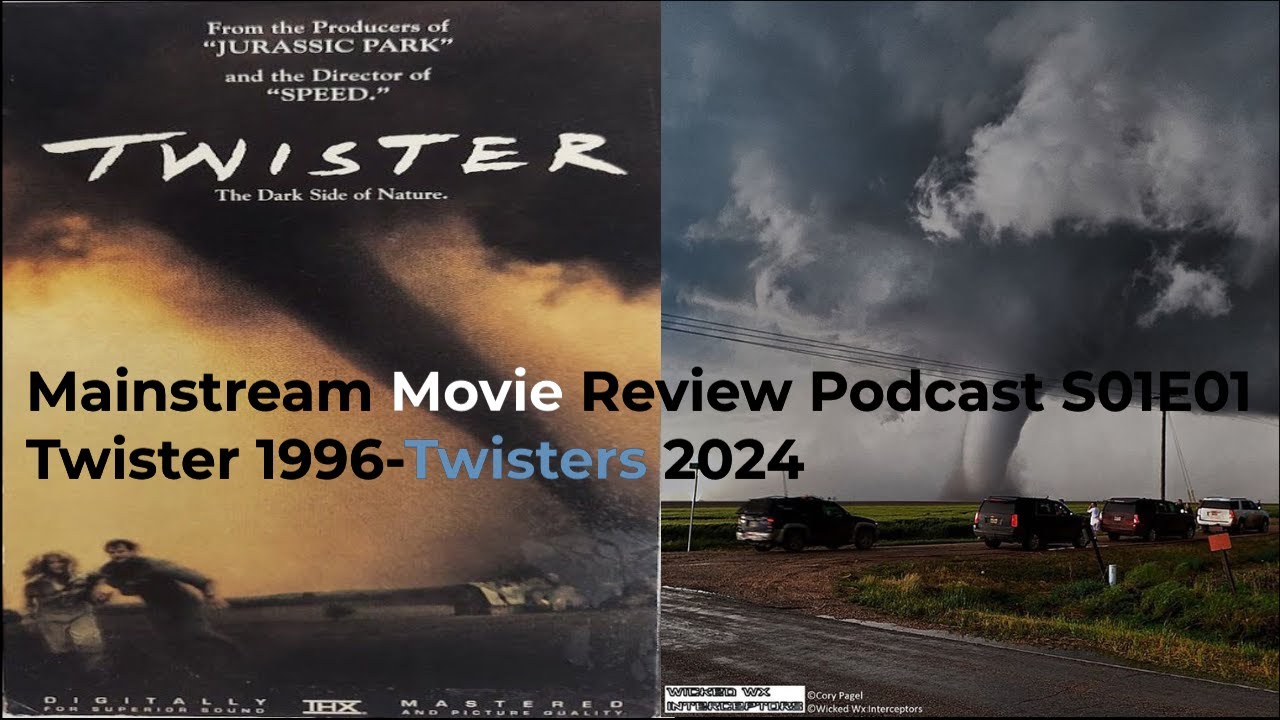
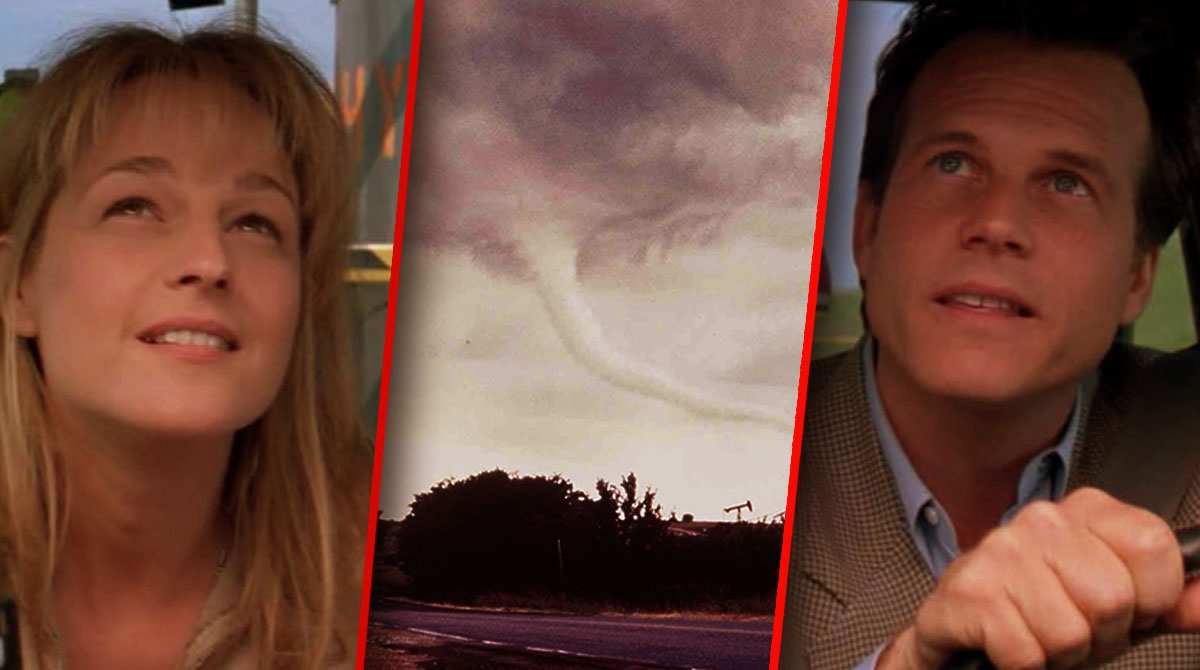
The 1996 action blockbuster Twister, directed by Jan de Bont, stands as a watershed moment for weather-themed cinema, prompting enduring comparisons across practical special effects, meteorological accuracy, and modern technological advancements. Evaluating the original film against historical milestones and subsequent cinematic interpretations reveals how visual effects pipelines, tornado science, and storm-chasing methodologies evolved over three decades.
Understanding the Scope of the 1996 Twister Phenomenon
Released during the summer of 1996, Twister grossed over $494 million worldwide, captivating audiences with its high-octane narrative centering on storm chasers deploying an experimental sensor device named Dorothy. To understand why this film remains a focal point for comparison, one must examine the state of visual effects and severe weather science during the mid-1990s. Prior to Twister, depictions of tornadoes on film relied on miniature models, fiberglass funnels, and rudimentary optical compositing. Industrial Light & Magic (ILM) utilized breakthrough computer-generated imagery (CGI) alongside traditional physical effects—such as jet engines and air cannons—to render believable, destructive vortexes on screen.
When performing a 1996 twister comparison against older cinematic representations, the shift from static miniatures to dynamic, wind-blown digital simulations becomes immediately apparent. The film captured a transitional technological era where digital tools were becoming sophisticated enough to interact with live-action plates, yet practical effects still anchored the grit of the production. Debris, flying farm machinery, and shredded infrastructure required a meticulous hybrid approach that combined scale models with early digital wire removal and particle systems.
Meteorological Accuracy and Scientific Realism
A critical dimension of any historical comparison involving Twister is its relationship with actual meteorological science. While the film took considerable creative liberties for dramatic tension, it was largely inspired by the real-world efforts of severe storm researchers, including those who pioneered early Doppler radar deployment. The conceptual device "Dorothy"—designed to be lifted into a tornado's vortex to transmit internal pressure data—was directly modeled after real instruments like Totable Tornado Observatory (TOTO), developed by researchers at the National Severe Storms Laboratory (NSSL) in the late 1970s and 1980s.
| Feature / Element | 1996 Feature Film (Twister) | Real-World Science (1990s Context) | Modern Era Comparison (Post-2020) |
|---|---|---|---|
| Primary Instrument | Dorothy (barrel with sensors) | TOTO (heavy steel barrel with instruments) | Mobile mesonets, drones, and advanced radar pods |
| Deployment Method | Thrown manually into the path via pickup truck | Rolled out of the back of a van or truck | Remotely piloted aircraft and automated ground pods |
| Data Collection Focus | Internal vortex pressure and wind speed | Low-level thermodynamic and wind profiling | High-resolution spatial mapping and boundary layer analysis |
| Visual Representation | Stylized, highly aggressive black funnels | Natural condensation funnels and precipitation curtains | High-definition Doppler on Wheels (DOW) data overlays |
TOTO ultimately proved too heavy and dangerous to operate effectively in the field, often tipping over in high-velocity surface winds. The film romanticized this scientific failure into a sleek, gadget-driven quest. When compared to the modern era of storm chasing—where mobile Doppler radars (Doppler on Wheels), unmanned aerial vehicles (Uranium and VORTEX field campaigns), and high-altitude balloon drops dominate research—the 1996 depiction sits neatly between the crude pioneering days of field meteorology and today's automated data-gathering networks.
Visual Effects Evolution: Practical Mastery Versus Digital Generation
The special effects framework of Twister represents a fascinating case study in hybrid filmmaking. Director Jan de Bont and ILM visual effects supervisor Stefen Fangmeier balanced physical grit with digital innovation. Understanding this balance requires looking at how scenes were captured on location in rural Oklahoma.
Physical effects coordinators used massive jet engines mounted on flatbed trucks to blast debris, dust, and rain toward the actors. Heavy industrial fans and wind machines created immediate, visceral reactions from the cast, grounding their performances in genuine physical discomfort. Meanwhile, ILM artists painted digital funnels onto plates using early vector-based simulation software and proprietary particle generation tools.
When comparing these techniques to subsequent disaster films produced in the 2000s and 2010s, Twister maintains a distinct tactile quality. Many modern blockbusters rely entirely on green-screen environments and fully digital volumetric simulations. Because the 1996 production captured real dirt, real sunlight, and physical debris interaction on film stock, the digital tornadoes—despite showing their age in resolution—blend into the live-action photography with a weight and texture that purely digital pipelines occasionally struggle to replicate.
Cultural Impact and Subsequent Cinematic Interpretations
Beyond technical specifications, the cultural footprint of Twister redefined how Hollywood approached natural disaster narratives. It sparked a minor boom of weather-centric thrillers and inspired an entire generation of real-world meteorologists and storm chasers who cited the film as their primary catalyst for entering the field.
Decades later, the discourse surrounding the 1996 film naturally extends to legacy sequels and spiritual successors, such as the 2024 release Twisters. Comparing the original film to its modern counterpart illustrates how filmmaking technology, weather patterns, and public awareness of climate phenomena have shifted. While the original focused on a tight-knit band of academic researchers and independent hobbyists battling corporate sellouts and rival teams, modern cinematic treatments often reflect the integration of corporate-funded commercial storm chasing, social media culture, and heightened meteorological precision.
Practical Considerations for Examining Vintage VFX and Meteorology
For researchers, film students, and weather enthusiasts analyzing the production history and scientific framing of the 1996 film, keeping specific evaluation criteria in mind ensures an accurate assessment:
- Examine the Medium: Evaluate the film through the lens of 1995–1996 optical and digital compositing limitations, keeping in mind that feature films were predominantly finished on physical film stock prior to widespread digital intermediates.
- Consult Historical NSSL Archives: Cross-reference plot points—such as the Fujita scale classification used in the film—with actual historical tornado data and NSSL field logs from the era.
- Analyze Field Equipment Realism: Distinguish cinematic storytelling devices (like Dorothy's flying sensors) from documented scientific instruments deployed during field projects like VORTEX (Verification of the Origins of Rotation in Tornadoes Experiment).
Common Misconceptions Regarding the 1996 Production
Several persistent myths surround the creation and scientific backing of Twister. Addressing these misconceptions clarifies the boundary between Hollywood fiction and empirical reality:
- Myth: The movie accurately portrays how tornadoes sound. Fact: The iconic roaring sound used in the film—often described as a mix of animal noises and jet engines—was heavily stylized for dramatic effect. Real tornadoes produce deep, continuous rumblings often likened to a freight train, but audio design in cinema requires frequency amplification to create visceral impact on theater sound systems.
- Myth: Dorothy was a real invention featured in field research. Fact: While inspired by TOTO, Dorothy was a fictionalized, miniaturized cinematic device designed to fit into a pickup truck bed and fly dramatically into a vortex, whereas TOTO weighed over 400 pounds and required careful mechanical placement.
- Myth: Storm chasers in 1996 routinely drove directly into violent tornadoes. Fact: Professional researchers prioritize safety and data acquisition from a calculated distance. The aggressive, high-risk intercept driving depicted in the film dramatized the profession for entertainment value.
Frequently Asked Questions
How accurate is the science in the 1996 film Twister?
While the film accurately captures the intense passion, mobility challenges, and competitive nature of field meteorologists, it exaggerates the physical proximity to tornadoes and simplifies the deployment mechanics of data-gathering instruments like Dorothy for cinematic pacing.
What visual effects techniques were used in 1996 Twister?
The production utilized a hybrid approach combining physical practical effects—such as jet engines, leaf blowers, and debris cannons—with computer-generated imagery created by Industrial Light & Magic to render the digital tornado funnels and flying debris.
Who directed the 1996 film Twister?
The film was directed by Jan de Bont, who transitioned to directing after working as a prominent cinematographer on action classics like Die Hard and Speed.
How does the 1996 film compare to modern weather disaster movies?
The 1996 film relies heavily on physical location shooting, practical weather elements, and early hybrid CGI, whereas modern disaster films frequently employ fully digital environments, volumetric cloud simulations, and green-screen stages.
Did the device called Dorothy exist in real life?
No, Dorothy was a fictionalized device created for the film, though it drew conceptual inspiration from an actual NSSL instrument called TOTO (Totable Tornado Observatory) developed in the late 1970s.
Evaluating Historical Weather Cinema
When conducting a comprehensive review of severe weather media, analyzing the production constraints, technological milestones, and scientific inspirations of the 1996 classic provides essential context for modern digital media production. Researchers and enthusiasts should consult official archives from the National Severe Storms Laboratory and retrospective breakdowns by visual effects historians to gain a complete, balanced perspective on how Hollywood translates atmospheric science into enduring entertainment.