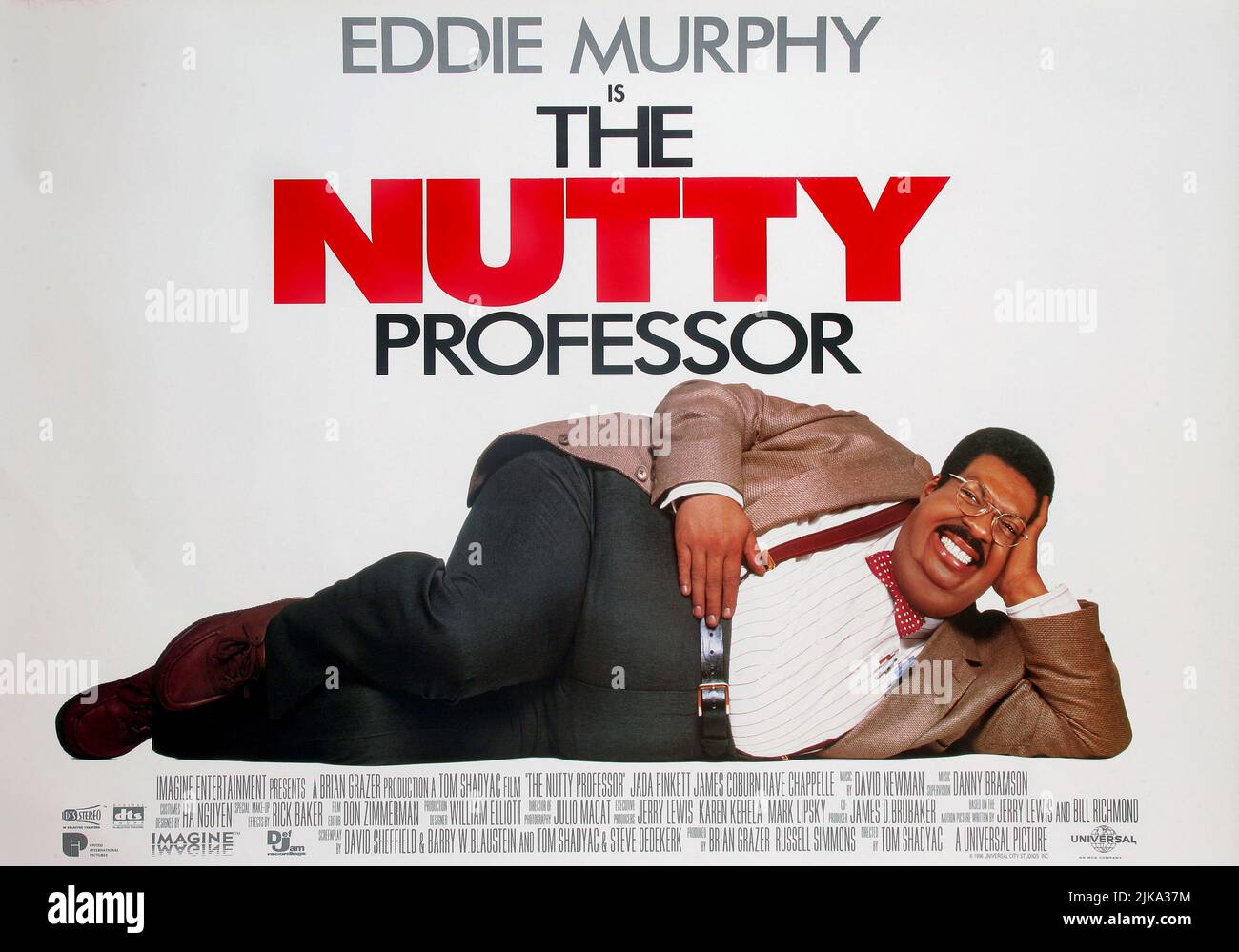
The 1996 comedy film era represents a distinct transitional phase in Hollywood history, bridging the gap between high-concept practical FX comedies of the late 1980s and early 1990s and the modern wave of satirical, gross-out, and high-tech romantic comedies that defined the turn of the millennium. This period captured a unique blend of slapstick, emerging ensemble casts, and studio-driven family entertainment.
Defining the Cinematic Landscape of Mid-1990s Comedy
The mid-1990s marked a fascinating crossroads for comedic filmmaking. Studios were navigating shifts in audience demographics, rising production budgets, and evolving star power. A typical 1996 comedy film relied heavily on recognizable television stars making the jump to feature films, high-concept premises driven by magical realism or professional sports, and family-oriented slapstick.
Unlike the gritty independent cinema boom happening simultaneously, major studio comedies of this year prioritized broad appeal. Directors utilized traditional practical effects alongside early computer-generated imagery (CGI) integration, creating a distinct visual texture. The humor often balanced wholesome family values with sarcastic, mid-decade irony, reflecting the cultural zeitgeist of the era just before the widespread adoption of the internet.
Major Subgenres and Box Office Trends in 1996
Comedies released in 1996 generally fell into distinct structural categories that shaped audience expectations and marketing strategies. Understanding these subgenres reveals how studios segmented the market to maximize theatrical returns.
Family and Animal-Centric Comedies
The mid-1990s experienced a massive surge in animal comedies and live-action adaptations. Films featuring talking animals, slapstick animal antics, and wholesome juvenile protagonists drew massive family crowds. These productions required meticulous choreography and early digital manipulation to achieve mouth movements or impossible animal stunts, setting a standard for family entertainment that dominated box office charts.
High-Concept Satire and Workplace Humor
Workplace comedies and satires of corporate culture or suburban life found strong resonance. These films often utilized established comedic actors to mock bureaucracy, modern marriage, and professional ambition. The tone shifted between cynical observations about middle-class life and uplifting resolutions, striking a chord with adult audiences navigating economic shifts in the mid-1990s.
Slapstick and Physical Comedy
Physical comedy remained a cornerstone of the box office. Drawing inspiration from classic silent film techniques and cartoon animation, these movies featured elaborate stunt work, property destruction, and exaggerated character reactions. The reliance on physical performance gave actors ample room for improvisation, establishing iconic personas that defined the decade's comedy landscape.
Landmark Releases and Critical Reception
Several notable releases from this year defined the cultural conversation and remain touchstones of the genre. While critical reception varied widely upon release—ranging from dismissal by high-brow reviewers to massive commercial success—these titles illustrate the sheer diversity of the era's comedic output.
| Film Title | Primary Subgenre | Key Cast Members | Box Office Impact / Reception |
|---|---|---|---|
| The Nutty Professor | Sci-Fi / Body-Switch Comedy | Eddie Murphy, Jada Pinkett | Massive commercial hit; redefined makeup FX and Murphy's versatility. |
| Fargo | Dark Comedy / Crime | Frances McDormand, William H. Macy | Critical darling; blended dark humor with Midwestern deadpan realism. |
| Jerry Maguire | Romantic Comedy / Workplace | Tom Cruise, Renée Zellweger, Cuba Gooding Jr. | Major cultural phenomenon; generated widely quoted catchphrases. |
| Kingpin | Sports / Gross-Out Comedy | Woody Harrelson, Randy Quaid, Bill Murray | Cult classic status; pushed boundaries of vulgar, low-brow humor. |
| Birdcage, The | Farce / Ensemble Comedy | Robin Williams, Nathan Lane, Gene Hackman | Critical and commercial success; modernized the classic theatrical farce. |
Production Realities and Technological Shifts
Creating a 1996 comedy film involved navigating rapid technological changes in post-production and visual effects. While action films pushed the boundaries of CGI with blockbusters, comedies used these tools subtly. Digital compositing allowed actors to interact with themselves—such as Eddie Murphy playing an entire family—with a seamlessness that was impossible a decade prior.
At the same time, practical considerations dictated shooting schedules. On-location filming in urban and suburban landscapes required extensive logistical coordination. Soundstages and specialized physical sets were still preferred for complex slapstick sequences to ensure stunt safety and precise camera framing. The interplay between traditional gag writing and emerging digital enhancement fundamentally altered how comedic timing was constructed in the editing room.
Enduring Legacy and Cultural Impact
Decades after their initial theatrical runs, films from this period continue to influence contemporary comedy writing, meme culture, and streaming algorithms. The distinct aesthetic—characterized by warm color palettes, practical wardrobe choices, and character-driven dialogue—offers a nostalgic window into pre-digital popular culture.
Furthermore, many of these projects launched or solidified the careers of writers and directors who would go on to shape modern television and streaming comedies. The willingness of studios to finance mid-budget, character-driven humorous scripts in 1996 created a rich catalog of films that are frequently revisited by audiences seeking a specific brand of 90s comfort entertainment.
Frequently Asked Questions
What defined the visual style of a typical mid-1990s comedy?
The visual style featured natural film grain shot on 35mm stock, practical lighting setups, and restrained use of early digital effects. Directors focused on medium and wide shots to capture physical comedy and ensemble interactions without excessive modern camera shaking or rapid-fire editing.
Were mid-1990s comedies successful at the global box office?
While many relied heavily on culturally specific American humor, high-concept premises, slapstick, and star power allowed major releases to perform strongly in international territories, particularly in European and Asian markets where visual gags transcended language barriers.
How did visual effects change comedic filmmaking during this period?
Visual effects shifted from purely practical stunts and optical printer tricks to early digital compositing and computer-generated enhancements. This allowed actors to play multiple roles in the same frame smoothly and enabled more complex animal and physical gags.
Why do many films from this era maintain cult followings today?
Nostalgia, memorable cable television syndication, and highly quotable dialogue have kept these titles relevant. Additionally, the specific comedic timing and distinct character actor performances provide a viewing experience distinct from contemporary comedy styles.
What role did television stars play in feature-length comedies of this era?
Television actors frequently transitioned to the big screen as studios sought to leverage their built-in audiences. This cross-pollination helped guarantee opening weekend box office numbers while injecting fresh comedic sensibilities into traditional Hollywood formulas.
Selecting and Enjoying Classic Comedies Today
When exploring the catalog of mid-1990s cinema, viewers should look beyond broad box office metrics and examine titles based on specific subgenre preferences, such as character-driven farces or darker satirical works. Checking streaming platform availability and physical media releases ensures access to uncut theatrical cuts and valuable behind-the-scenes documentary features that illuminate the creative process of the era.