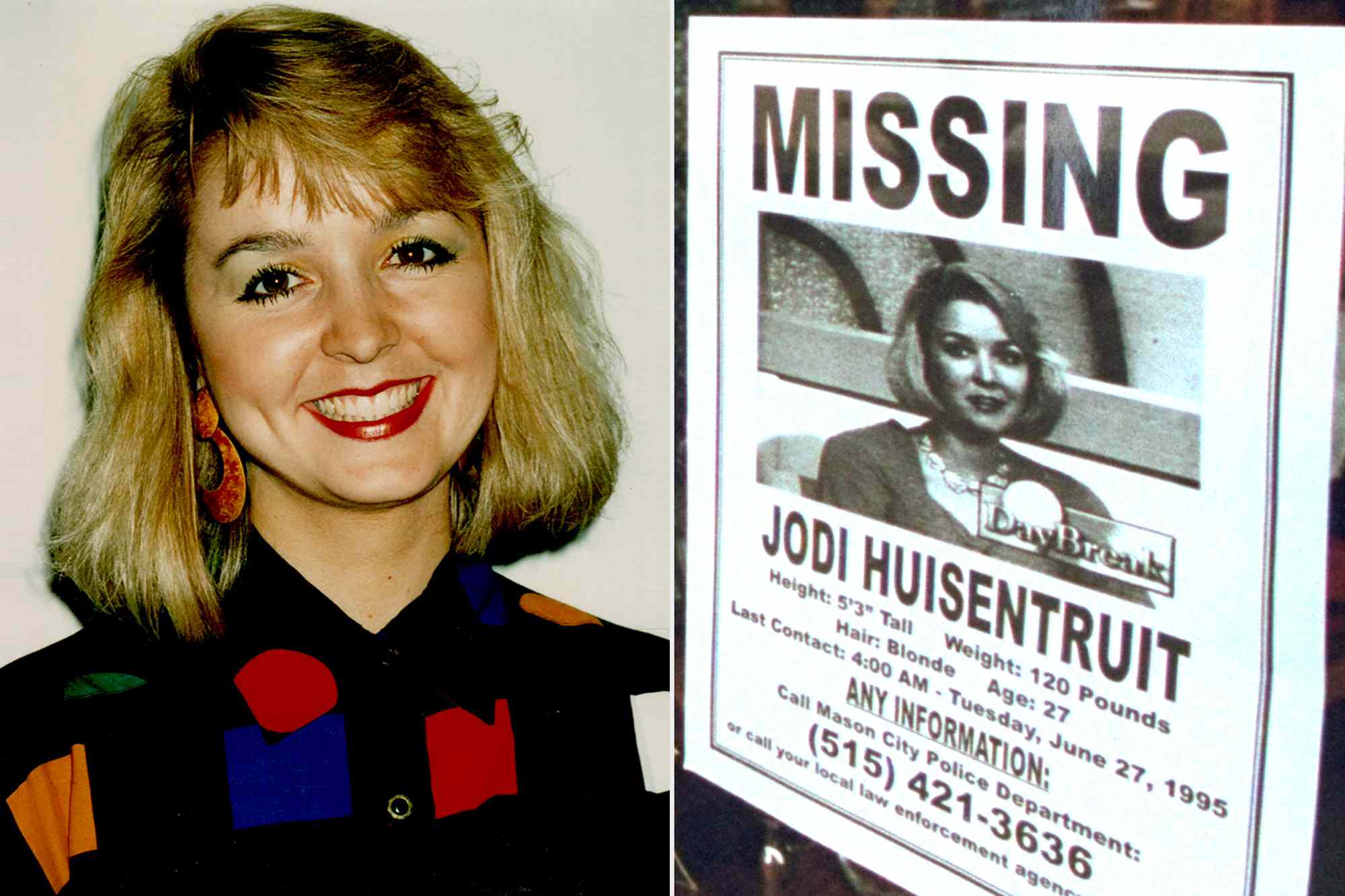
The 1995 disappearance refers to a collection of high-profile missing persons cases and unsolved mysteries from that year that reshaped modern investigative journalism, law enforcement protocols, and public awareness. These incidents left an enduring imprint on cold-case registries and community safety frameworks.
Understanding the Landscape of Missing Persons in 1995
The mid-1990s represented a transitional era for criminal investigations and public safety infrastructure. Before the widespread adoption of consumer internet services, cellular networks, and digital surveillance, missing persons investigations relied heavily on physical bulletins, traditional media broadcasts, and localized law enforcement efforts. In 1995, several prominent disappearances captured international attention, highlighting the systemic vulnerabilities in inter-agency communication and missing persons databases.
During this period, organizations such as the National Center for Missing & Exploited Children (NCMEC) and federal law enforcement agencies were refining their approach to handling critical missing persons cases. The absence of real-time digital footprints meant that investigators had to reconstruct timelines using paper receipts, analog toll records, and eyewitness testimony—methods that often introduced significant delays in early intervention. Consequently, cases from 1995 frequently exhibit distinct investigative challenges, where critical hours or days elapsed before a comprehensive search could be organized across multiple jurisdictions.
Investigative Protocols and Law Enforcement Challenges of the Era
Investigating a disappearance in 1995 required adherence to strict jurisdictional boundaries that often hindered rapid cross-state or cross-country cooperation. Local police departments retained primary authority over initial reports, and mandatory waiting periods before launching a full-scale missing adult investigation were common practice rather than the exception. These procedural bottlenecks created distinct operational hurdles:
- Jurisdictional Silos: Local law enforcement agencies rarely shared real-time intelligence with neighboring counties or federal bodies unless foul play was immediately apparent, leading to fragmented search efforts.
- Technological Limitations: DNA profiling was in its relative infancy for routine casework, and forensic genetic genealogy did not exist. Biological evidence collected at scenes was often stored indefinitely without immediate processing capabilities.
- Information Silos: Public appeals depended on print media, localized television broadcasts, and physical flyers distributed in public spaces, severely limiting the geographic reach of urgent awareness campaigns.
- Standardized Database Gaps: While databases like the National Crime Information Center (NCIC) existed, data entry was manual, and regional discrepancies often resulted in delayed indexing of unidentified remains.
| Investigation Parameter | 1995 Standard | Modern Standard (2026) |
|---|---|---|
| Primary Communication | Analog landlines, fax machines, physical mail | Encrypted digital networks, instant multi-agency portals |
| Forensic Analysis | Basic serology, early DNA profiling | Advanced familial DNA, genetic genealogy, phenotypic profiling |
| Public Notification | Print media, scheduled TV broadcasts | Amber Alerts, targeted geofenced push notifications, social media |
| Data Sharing | Manual entry into regional and national databases | Automated, real-time cross-referencing across federal networks |
Impact on Policy, Legislation, and Public Awareness
The high-profile nature of several 1995 disappearances served as a catalyst for legislative and operational reforms. Law enforcement agencies recognized that public engagement was vital, leading to the evolution of structured community response networks. Furthermore, advocacy groups founded or expanded during this decade successfully lobbied for legislative changes that streamlined how missing persons reports were classified and prioritized.
The establishment of more cohesive federal clearinghouses helped bridge the gap between local police work and national resources. These policy shifts ensured that future investigations would benefit from standardized reporting forms, reduced bureaucratic waiting periods for vulnerable populations, and improved funding for forensic laboratories. The lessons learned from the investigative shortcomings of 1995 directly informed the creation of modern amber-alert systems and standardized missing persons protocols that remain active today.
Examining Cold Cases and Long-Term Advocacy
Decades after the initial events, many cases from 1995 remain officially unresolved, transitioning into the category of long-term cold cases. The persistence of these investigations relies heavily on cold-case units utilizing modern scientific advancements to review legacy evidence. Advances in forensic technology, such as Touch DNA extraction and investigative genetic genealogy, have breathed new life into files that had stagnated for decades.
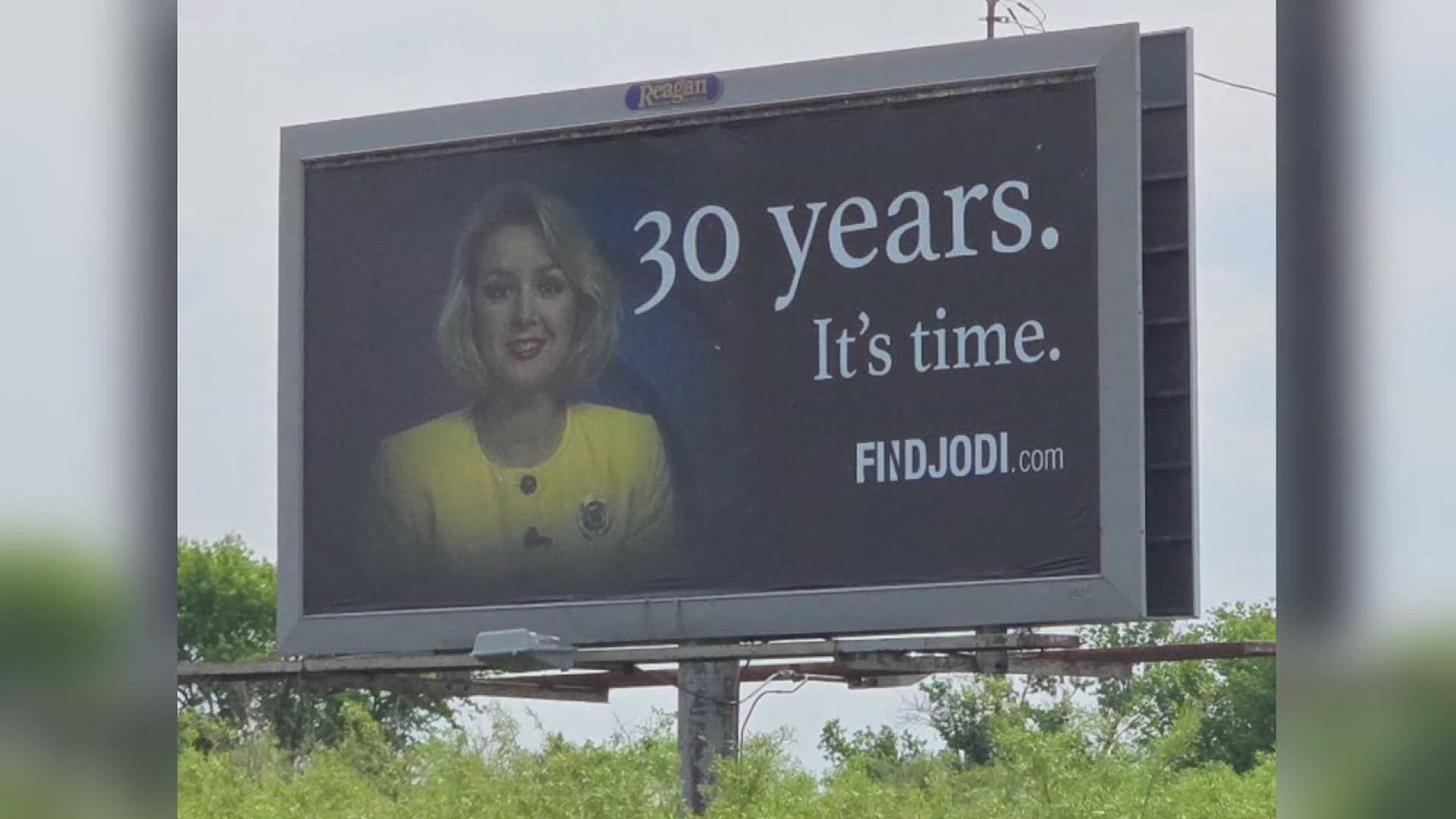
Family members and independent advocates continue to utilize digital platforms, podcasts, and dedicated archives to maintain public awareness. This sustained pressure ensures that law enforcement agencies periodically re-examine physical evidence lockers for items that can be retested using contemporary methods. The ongoing search for answers underscores the resilience of victim advocacy groups and the evolving nature of forensic science in resolving historical mysteries.
How Investigators Re-examine 1995 Cases Today
Modern cold-case detectives approach 1995 disappearances with an entirely different toolkit than their predecessors. When reviewing decades-old files, investigators begin by conducting a comprehensive audit of all physical and digital evidence preserved from the original inquiry. This process involves cataloging physical artifacts, re-interviewing surviving witnesses whose memories or allegiances may have shifted over time, and submitting biological samples to accredited laboratories for advanced testing.
Another critical component of modern re-investigation is geospatial analysis and historical data mapping. Analysts apply contemporary geographic profiling software to original witness statements and known timelines, identifying potential search areas that were overlooked or deemed inaccessible with 1995 technology. By combining renewed community outreach with cutting-edge forensic science, cold-case squads continue to systematically review these historical files in pursuit of closure.
Frequently Asked Questions
What made missing persons investigations in 1995 different from modern cases?
Investigations in 1995 relied on analog communication, physical evidence collection, and manual database entry without the benefit of digital footprints, instant mobile connectivity, or advanced DNA profiling techniques. These limitations frequently resulted in delayed inter-agency cooperation and slower public dissemination of critical information.
Are cases from 1995 still actively investigated by law enforcement?
Yes, unsolved cases from 1995 remain open within specialized cold-case units. Law enforcement agencies routinely review these files as new forensic technologies, such as investigative genetic genealogy, become available and applicable to preserved biological evidence.
What technological advancements are most helpful in solving 1995 cold cases?
Advanced DNA testing methods, including familial DNA matching, Touch DNA analysis, and genealogical database searching, are the primary drivers in reopening and resolving historical missing persons cases and unidentified remains investigations from this era.
Did legislation change as a result of missing persons cases in 1995?
The public visibility of several 1995 cases contributed to broader advocacy efforts, resulting in streamlined reporting requirements, improved federal database coordination, and the eventual development of rapid-notification systems for missing persons across multiple jurisdictions.
How can families or the public assist in ongoing 1995 cold cases?
Individuals can assist by submitting anonymous tips to relevant law enforcement agencies, supporting missing persons advocacy organizations, sharing verified case details on digital platforms, and encouraging the preservation and retesting of legacy forensic evidence.
Next Steps for Cold Case Inquiries and Information Submission
For individuals seeking to report information regarding a 1995 disappearance or looking to review public cold-case registries, the most effective approach is to contact the investigating law enforcement agency of jurisdiction directly or submit tips through authorized federal channels such as the National Missing and Unidentified Persons System (NamUs). Families and researchers should ensure that any shared documentation is verified against official police records to maintain investigative integrity and support ongoing official reviews.