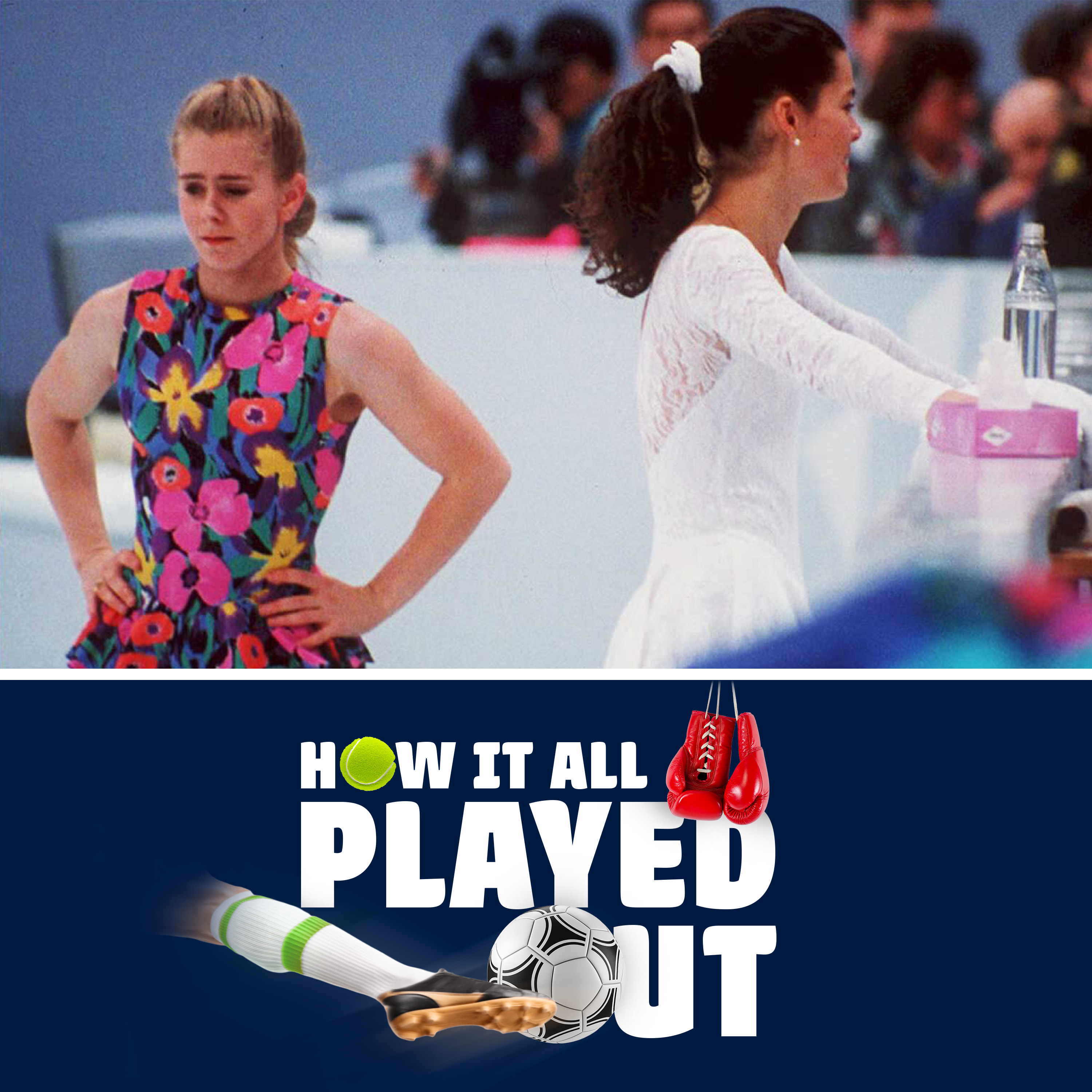
The 1994 figure skating attack refers to the premeditated assault on U.S. figure skater Nancy Kerrigan by associates of her rival, Tonya Harding, during the U.S. Figure Skating Championships in Detroit. The incident triggered an unprecedented media frenzy, intense legal fallout, and permanent structural reforms within competitive winter sports governance.
The events surrounding January 6, 1994, permanently altered the landscape of figure skating, shifting public perception from an aesthetic, elite discipline to a high-stakes arena susceptible to intense commercial pressure and violent rivalry. Occurring just weeks before the 1994 Winter Olympics in Lillehammer, Norway, the conspiracy exposed vulnerabilities in athlete security, media sensationalism, and the governance of amateur sports bodies. Understanding the incident requires examining the preparations, the execution of the assault, the immediate legal and athletic consequences, and the enduring legacy left on the sport.
Historical Context and Rivalry
Throughout the early 1990s, U.S. women’s figure skating experienced a golden era characterized by distinct athletic styles and fierce domestic competition. Nancy Kerrigan, known for her classical elegance, strong technical execution, and lucrative commercial endorsements, represented the traditional aesthetic favored by judges and sponsors. Tonya Harding, renowned for her explosive power and athletic prowess—notoriously becoming the first American woman to successfully land a triple axel in international competition—represented a contrasting, gritty profile that challenged conventional expectations of the sport.
The rivalry intensified as both skaters vied for dominance on the international stage. Kerrigan had secured a bronze medal at the 1992 Winter Olympics in Albertville, France, while Harding struggled with consistency despite her unmatched technical difficulty. By the 1994 U.S. Figure Skating Championships in Detroit, Michigan, the national championship served not only as a prestigious domestic title but also as the definitive qualifying event for the upcoming Olympic team. The tension between the two camps created an unstable psychological environment amplified by intense media scrutiny, corporate sponsorships, and national expectations.
The January 6, 1994 Attack
On the afternoon of January 6, 1994, Nancy Kerrigan walked off the ice following a practice session at Cobo Arena in Detroit. While walking through a poorly secured maintenance corridor toward the media area, she was struck above the right knee with a 21-inch telescopic baton by assailant Shane Stant. The blow caused severe bruising and swelling, forcing Kerrigan to withdraw from the national championships and immediately rendering her unable to skate.
The immediate aftermath was captured by a television crew from New York City's WCBS-TV, specifically audio recordist Terry Sanders, whose footage of Kerrigan crying out—famously wailing, "Why? Why? Why?"—was broadcast globally. This visual evidence transformed a local criminal offense into an instant international news event. While Kerrigan collapsed in pain, Stant fled the arena alongside getaway driver Derrick Smith. The conspiracy, however, quickly unraveled due to the clumsy execution of the plotters, who had used traceable airline tickets, hotel reservations, and identifiable names.
The Conspirators and the Plot
The investigation by the Federal Bureau of Investigation (FBI) and local law enforcement rapidly exposed a web of incompetent conspirators tied directly to Tonya Harding’s inner circle. The plot had been hatched and orchestrated primarily by Jeff Gillooly, Harding’s ex-husband, and Shawn Eckardt, who served as Harding’s bodyguard and self-proclaimed counterterrorism expert.
| Conspirator | Role in the Conspiracy | Legal Outcome |
|---|---|---|
| Jeff Gillooly | Mastermind, recruited hitman, coordinated logistics | Pleaded guilty to racketeering; sentenced to 2 years in prison |
| Shane Stant | Physical assailant who struck Nancy Kerrigan | Pleaded guilty to conspiracy to commit second-degree assault; sentenced to 18 months |
| Derrick Smith | Getaway driver for the physical assailant | Pleaded guilty to conspiracy; sentenced to 18 months in prison |
| Shawn Eckardt | Conspirator, intermediary, and bodyguard | Pleaded guilty to racketeering; sentenced to 18 months in prison |
| Tonya Harding | Knowledge of and involvement in the cover-up | Pleaded guilty to conspiracy to hinder prosecution; avoided prison via probation, community service, and a lifetime ban |
Eckardt had hired Shane Stant and Derrick Smith, both from Phoenix, Arizona, with the explicit intention of breaking Kerrigan’s leg to eliminate her from the Olympic team. Although the physical blow missed bone, the resulting trauma incapacitated Kerrigan. As law enforcement closed in, Gillooly and Eckardt confessed, implicating Harding, who initially denied any prior knowledge of the attack but later admitted to helping cover up the crime after learning details upon returning to Oregon.
Athletic and Legal Fallout
The 1994 U.S. Championships concluded with Tonya Harding winning the gold medal and securing her place on the Olympic team. However, as evidence mounted pointing to her involvement in the conspiracy, intense public pressure forced the United States Olympic Committee (USOC) and the United States Figure Skating Association (USFSA) to initiate expulsion proceedings. A threatened lawsuit by Harding's legal team temporarily halted her removal, allowing her to compete at the 1994 Winter Olympics in Lillehammer alongside Nancy Kerrigan, who had recovered sufficiently from her injuries to petition for and receive a spot on the team without participating in the trials.
The media circus in Lillehammer overshadowed the athletic competition. Kerrigan skated brilliantly, capturing the silver medal behind Ukraine's Oksana Baiul, while Harding suffered a broken lace, experienced a mental breakdown on Olympic ice, and finished in eighth place.
Following the Olympics, the legal and sporting repercussions finalized. In June 1994, Harding pleaded guilty to conspiring to hinder the prosecution. Her sentence included three years of probation, 500 hours of community service, a $160,000 fine, and her resignation from the USFSA. Crucially, the USFSA disciplinary panel stripped Harding of her 1994 national title and permanently banned her from participating in USFSA-sanctioned events as a skater or coach.
Institutional Reforms and Cultural Impact
The 1994 figure skating attack forced sports governing bodies to reevaluate athlete safety, security protocols, and ethical standards. Prior to the incident, major sporting venues routinely allowed open access between practice rinks, locker rooms, and public areas. In response, national governing bodies instituted strict credentialing, enhanced private security details, and restricted access corridors at all sanctioned competitions to protect athletes from external interference.
Furthermore, the scandal fundamentally changed sports media coverage. It marked a watershed moment where tabloid journalism and mainstream sports reporting merged, establishing a twenty-four-hour news cycle dedicated to celebrity scandal, legal depositions, and sensationalist human interest angles. The incident entered popular culture permanently, inspiring documentaries, feature films, and academic analyses examining the intersection of class, gender, ambition, and media ethics in modern athletics.
Long-Term Legacy on Competitive Skating
Decades after the incident, the 1994 attack remains the defining benchmark for sports corruption and internal rivalry. For Nancy Kerrigan, the event solidified her status as a resilient figure who overcame adversity, though she largely stepped away from competitive spotlight afterward to focus on professional ice shows and family. For Tonya Harding, the lifetime ban permanently closed the door on formal involvement in the sport, leaving her as a cautionary tale of talent derailed by poor associations and ethical collapse.
The sport of figure skating itself underwent profound structural changes. Judging systems were subsequently overhauled—most notably moving away from the traditional 6.0 system toward the International Judging System (IJS) following the 2002 Winter Olympics judging scandal—to minimize subjective bias and corruption. While physical attacks remain exceptionally rare in elite athletics, the 1994 incident serves as a perpetual reminder of the extreme pressures placed on amateur athletes competing for scarce commercial and national honors.