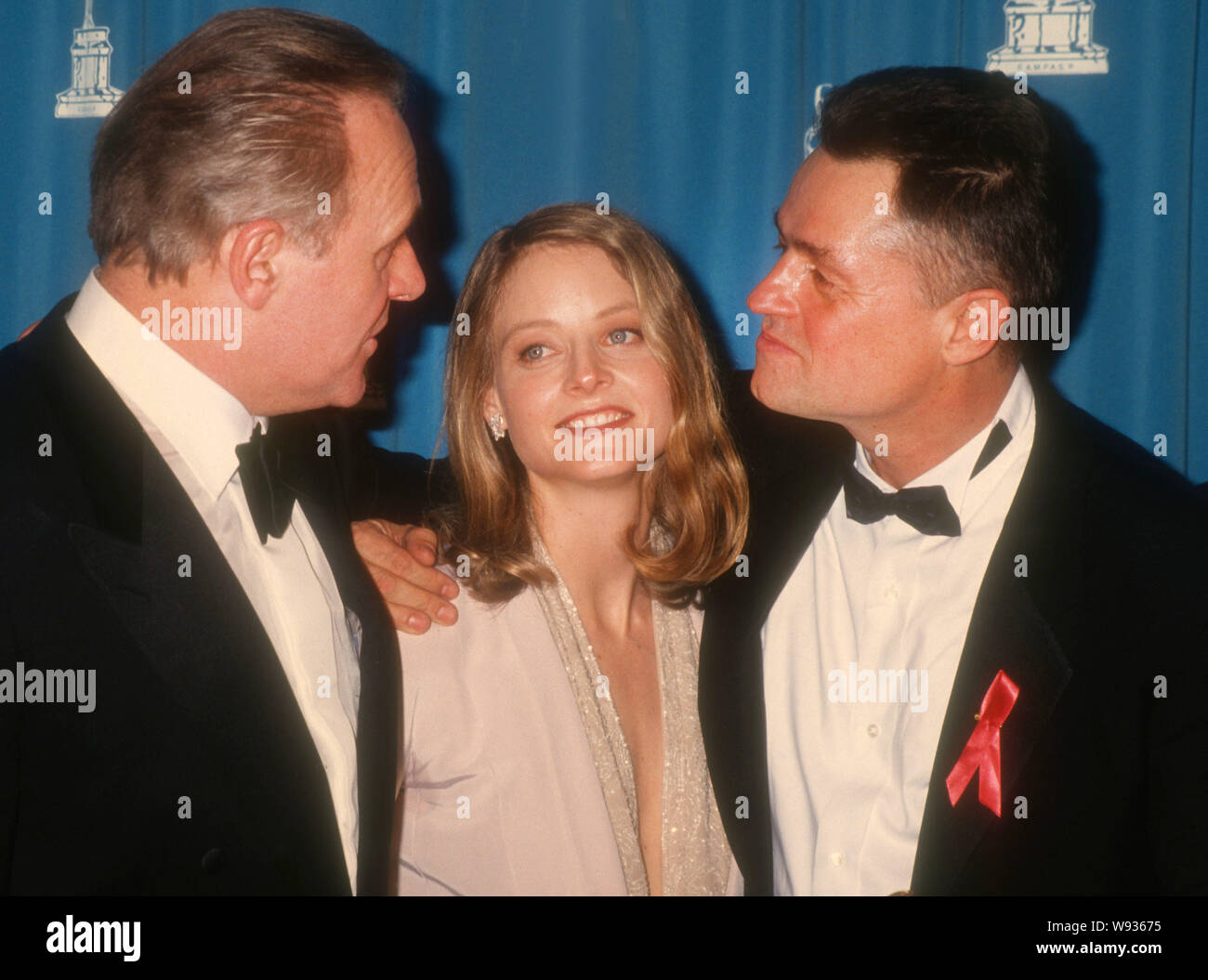
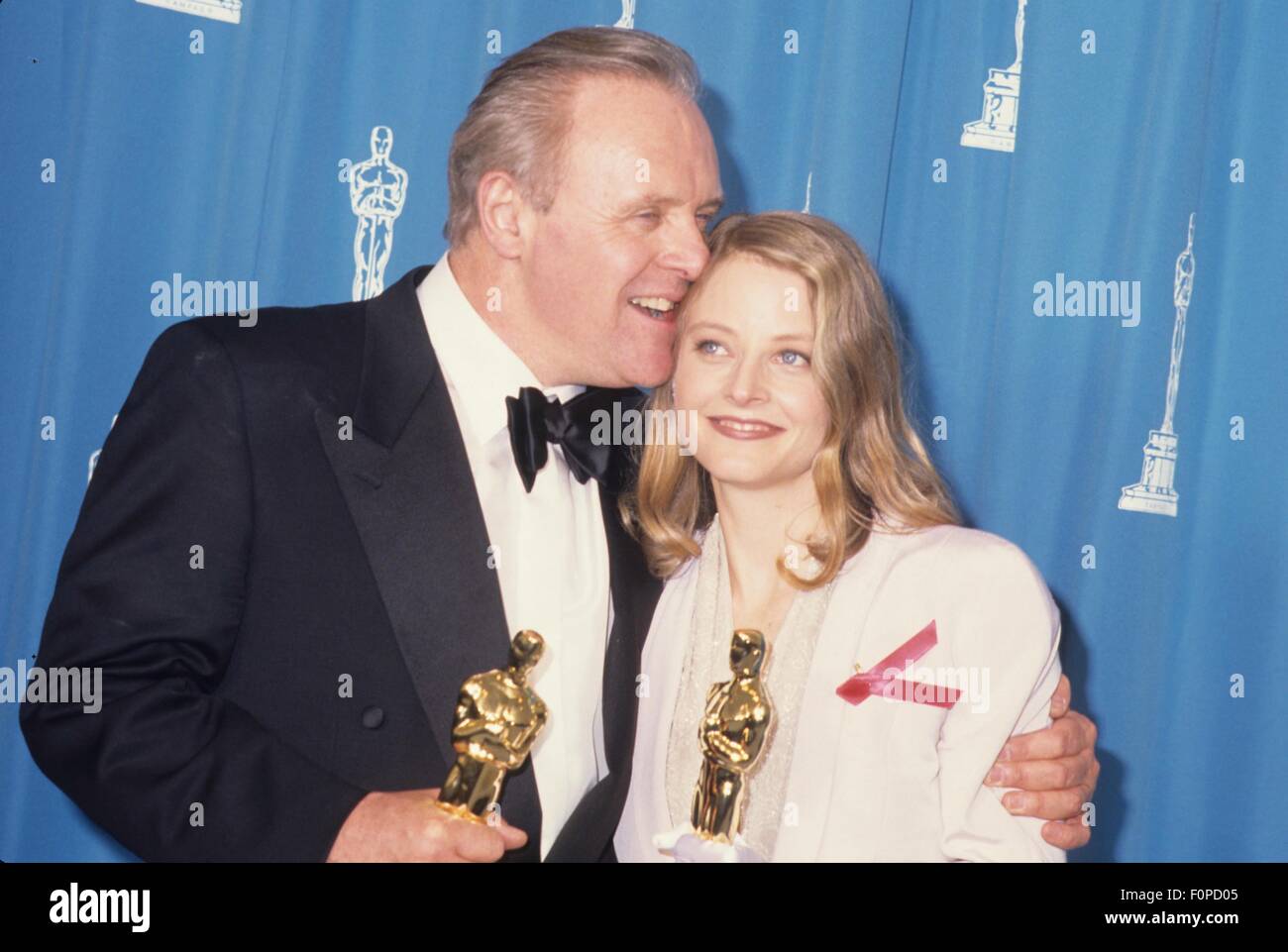
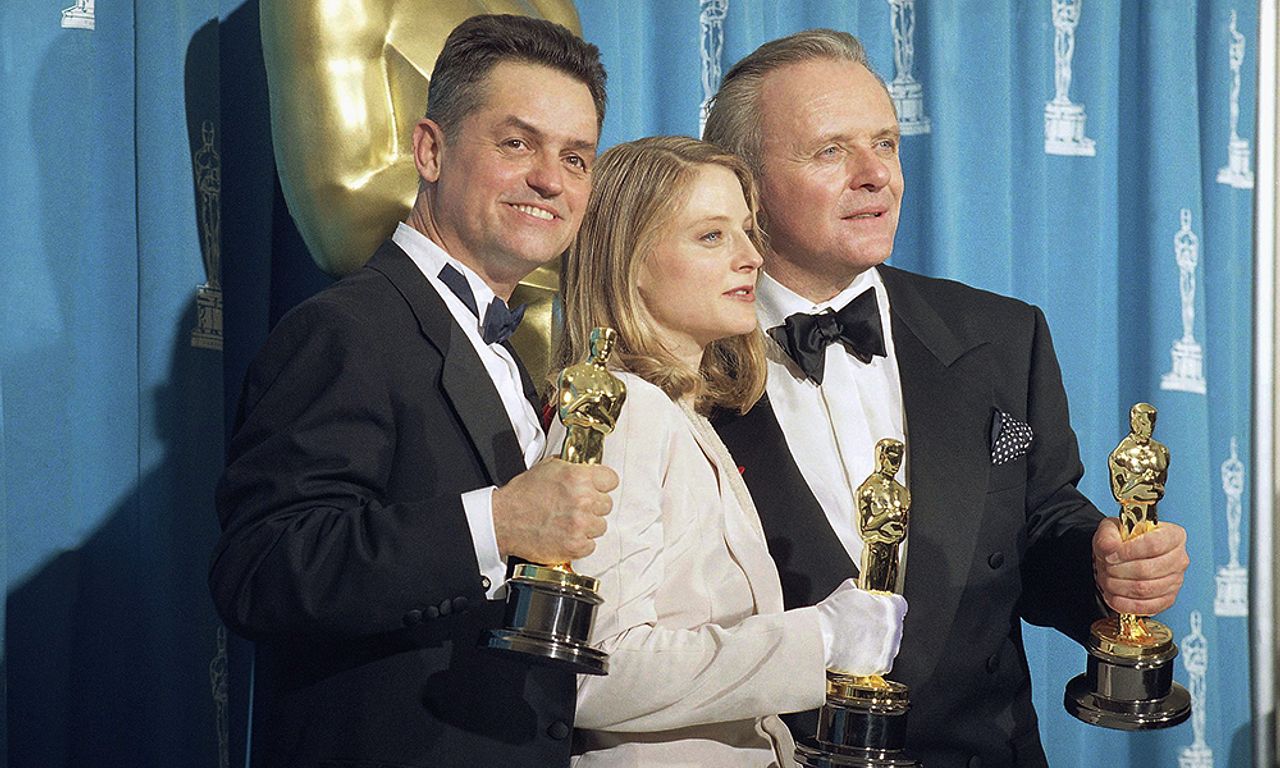
The 64th Academy Awards, held on March 30, 1992, at the Dorothy Chandler Pavilion in Los Angeles, marked a watershed moment in cinema history by breaking traditional genre barriers and cementing psychological thrillers and independent filmmaking into the upper echelons of Oscar prestige. Hosted by Billy Crystal, the ceremony recognized the best films of 1991 and became only the third time in Academy history that a single film swept the prestigious "Big Five" categories.
Historical Context and the Cinematic Landscape of 1991
The cinematic output of 1991 presented a fascinating dichotomy between big-budget studio spectacles and gritty, independent psychological storytelling. While blockbusters like Terminator 2: Judgment Day and Beauty and the Beast pushed technical boundaries in visual effects and animation, the Academy's voting body faced a cultural shift. The early 1990s era of filmmaking was characterized by a growing appetite for complex, darker narratives that reflected contemporary anxieties.
Against this backdrop, Jonathan Demme’s The Silence of the Lambs emerged not merely as a commercial success, but as a critical tour de force. Released in February 1991, the film had to overcome skepticism regarding its horrific subject matter to secure a wide distribution and sustained box-office momentum. By the time Oscar nominations were announced, the film had amassed seven nominations, signaling that the Academy was willing to look past conventional genre boundaries to reward exceptional craftsmanship, direction, and performances.
The Historic "Big Five" Sweep of The Silence of the Lambs
Achieving the "Big Five" sweep—winning Best Picture, Best Actor, Best Actress, Best Director, and Best Screenplay—is one of the rarest feats in Academy Awards history. Prior to the 1992 ceremony, only two films had accomplished this monumental task: It Happened One Night (1934) and One Flew Over the Cuckoo's Nest (1975). The Silence of the Lambs joined this exclusive tier by dominating every major competitive category.
Jonathan Demme captured Best Director, outperforming heavyweight nominees such as John Singleton for Boyz n the Hood and Oliver Stone for JFK. Ted Tally secured the award for Best Adapted Screenplay, translating Thomas Harris’s dense, atmospheric novel into a tightly paced cinematic script. The true anchor of the film's triumph, however, lay in its lead performances, which resonated deeply with voters and critics alike.
| Category | Winner | Film |
|---|---|---|
| Best Picture | Edward Saxon, Kenneth Utt, and Ron Bozman (Producers) | The Silence of the Lambs |
| Best Director | Jonathan Demme | The Silence of the Lambs |
| Best Actor | Anthony Hopkins | The Silence of the Lambs |
| Best Actress | Jodie Foster | The Silence of the Lambs |
| Best Adapted Screenplay | Ted Tally | The Silence of the Lambs |
Anthony Hopkins delivered a chilling, masterclass performance as the incarcerated psychiatrist and serial killer Dr. Hannibal Lecter. Despite having less than 17 minutes of total screen time, Hopkins commanded every scene he inhabited, securing the Academy Award for Best Actor. Concurrently, Jodie Foster earned her second career Academy Award for Best Actress portraying FBI trainee Clarice Starling, grounding the film's macabre elements with vulnerability, intelligence, and unwavering determination.
Major Contenders and Notable Nominees
While The Silence of the Lambs claimed the night's highest honors, the 1992 Oscars featured an exceptionally competitive field across multiple categories. Barry Levinson’s Bugsy led the overall nomination count with ten bids, ultimately taking home trophies for Best Art Direction and Best Costume Design. Oliver Stone’s political epic JFK mirrored that momentum with eight nominations, winning for Best Cinematography by Robert Richardson and Best Film Editing by Joe Hutshing and Pietro Scalia.
In the acting categories, competition was fierce. Robert De Niro received a Best Actor nomination for his haunting turn in Martin Scorsese's Cape Fear, while Warren Beatty vied for Bugsy. In the Best Actress race, Jodie Foster triumphed over formidable nominees including Geena Davis and Susan Sarandon for their iconic roles in Thelma & Louise, as well as Laura Dern for Rambling Rose and Dame Janet Suzman for The Burning Season.
Breakthroughs and Cultural Milestones
Beyond the major awards, the 64th Academy Awards established several important cultural and technical milestones for the film industry. John Singleton made history by becoming the youngest person ever nominated for Best Director, as well as the first African American director to achieve the nomination, for his seminal coming-of-age drama Boyz n the Hood. Although Singleton did not win the category, his inclusion marked a significant step forward for representation within the Academy.
In the animation sector, Disney’s Beauty and the Beast achieved an unprecedented breakthrough by becoming the first animated feature film ever nominated for Best Picture. While it ultimately lost the top prize to The Silence of the Lambs, it won two Oscars for Best Original Score and Best Original Song (for the title track by Alan Menken and Howard Ashman), cementing animated storytelling as a legitimate dramatic and musical art form worthy of top-tier Academy recognition.
Technical Excellence and Craft Categories
The behind-the-scenes artistry recognized at the 1992 Oscars showcased the rapid evolution of cinematic technology and design during the early 1990s. Terminator 2: Judgment Day, directed by James Cameron, dominated the technical awards, winning for Best Visual Effects, Best Sound, Best Sound Effects Editing, and Best Makeup. The film's pioneering use of computer-generated imagery (CGI) to render the liquid metal T-1000 revolutionized visual effects standards across Hollywood.
Costume design and art direction similarly emphasized historical precision and world-building. Bugsy captured the glittering, dangerous underworld of 1940s Las Vegas through Albert Wolsky’s costume design and Dennis Gassner’s art direction. Meanwhile, JFK utilized innovative editing techniques that blended traditional dramatic footage with archival newsreels and photographic evidence, establishing a frantic, investigative visual language that redefined political thrillers for the decade.
Legacy and Impact on Future Academy Ceremonies
The legacy of the 1992 Oscars endures as a turning point in how genre films are evaluated by the Academy of Motion Picture Arts and Sciences. Historically, thrillers, horror films, and science fiction projects faced an uphill battle for top-tier recognition, often being relegated exclusively to technical categories. The clean sweep achieved by The Silence of the Lambs proved that audience-pleasing, suspense-driven cinema could satisfy the most rigorous artistic criteria upheld by Academy voters.
Furthermore, the ceremony highlighted the shifting economics of Hollywood in the post-golden age era, where independent production companies like Orion Pictures could deliver cultural phenomena that outperformed major studio monoliths. The events of March 30, 1992, continue to serve as a benchmark for critical consensus, narrative efficiency, and the rare alignment of commercial success with artistic perfection.
Frequently Asked Questions
What film dominated the 1992 Oscars?
The Silence of the Lambs dominated the 64th Academy Awards by winning five major awards, known as the "Big Five," including Best Picture, Best Director, Best Actor, Best Actress, and Best Adapted Screenplay.
Who hosted the 64th Academy Awards in 1992?
Actor and comedian Billy Crystal hosted the 1992 ceremony. This marked one of his many acclaimed turns as master of ceremonies, memorable for his dramatic entrance lowered from the ceiling in a replica of the Hannibal Lecter restraining cart.
Did any animated film receive a Best Picture nomination in 1992?
Yes, Disney’s Beauty and the Beast received a nomination for Best Picture at the 1992 Oscars. It was the first time an animated feature film had ever been nominated in the premier category.
Who won Best Actor at the 1992 Oscars?
Anthony Hopkins won Best Actor for his performance as Dr. Hannibal Lecter in The Silence of the Lambs. His victory is notable for securing an Academy Award win for a performance with relatively brief total screen time.
What historical milestone did John Singleton achieve at the 1992 ceremony?
John Singleton became the youngest person ever nominated for Best Director and the first African American director to receive a Best Director nomination for his debut feature, Boyz n the Hood.