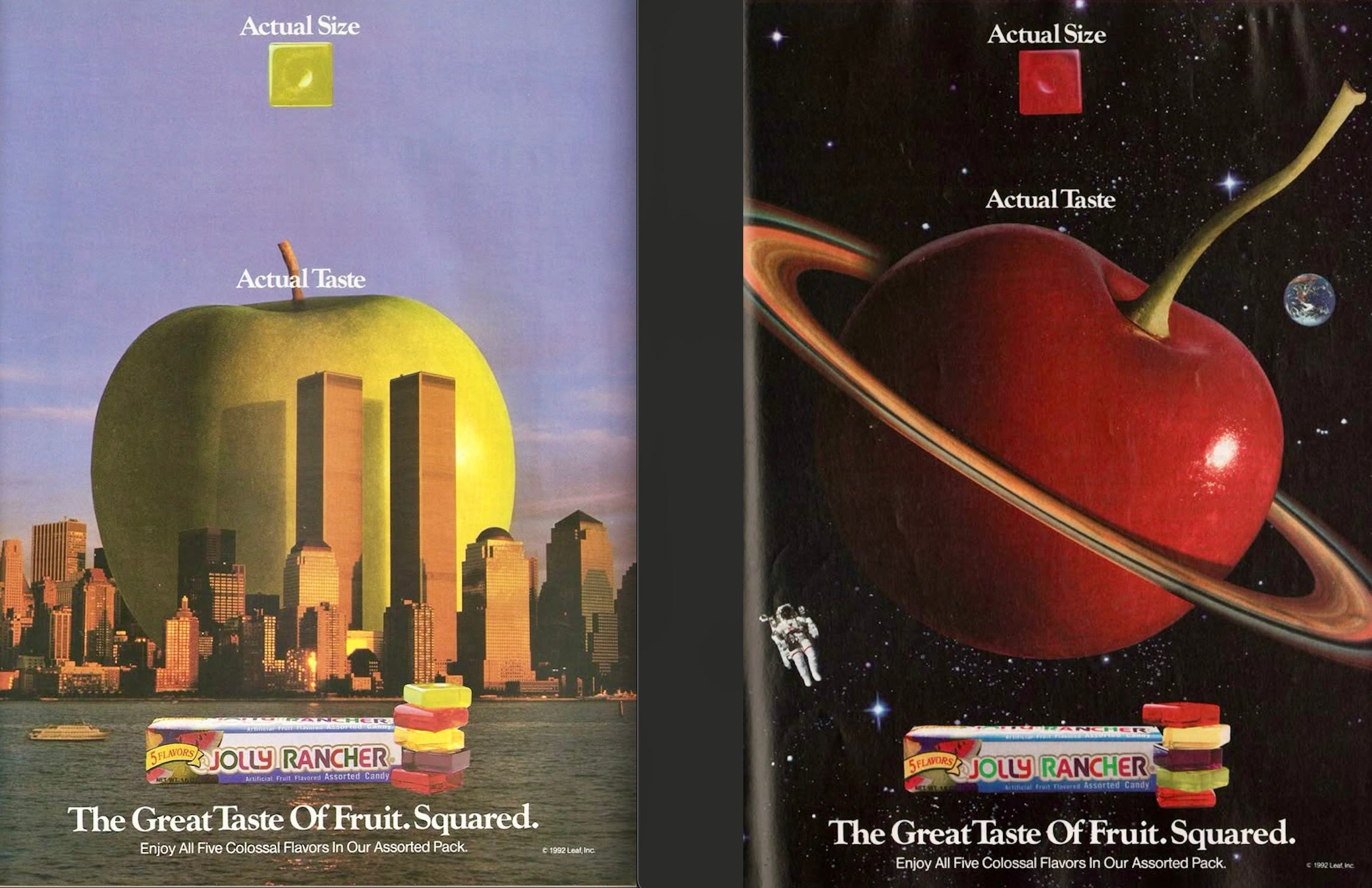
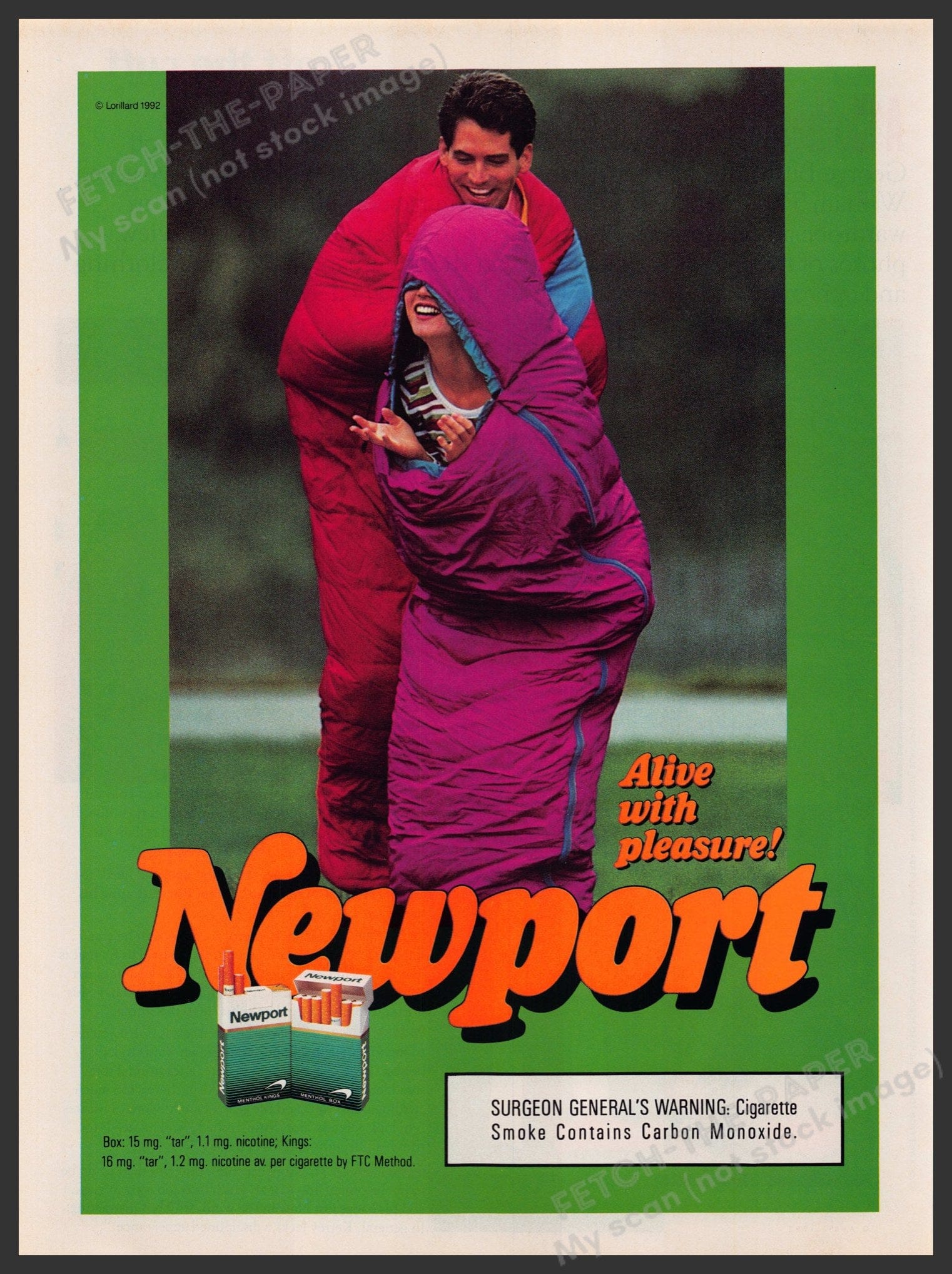
1990s advertising represents a transitional era defined by the collision of traditional mass-media dominance and the burgeoning digital age, shifting from earnest product demonstrations to ironic, high-concept, and visually driven brand storytelling. This decade witnessed the maturation of cable television, the rise of global agency conglomerates, and the cultural ascension of lifestyle marketing that permanently altered how brands communicated with consumers.
The Cultural Landscape of 1990s Marketing
The cultural backdrop of the 1990s was shaped by economic recovery, the proliferation of multi-channel television networks like MTV, and the early adoption of the internet. Advertisers could no longer rely solely on captive audiences watching three major television networks. Instead, they had to contend with fragmented attention spans and a generation of consumers who grew increasingly skeptical of traditional hard-sell tactics.
This skepticism gave birth to irony and self-awareness in commercial scripts. Brands began to wink at the audience, acknowledging the artifice of advertising itself. The aesthetic shifted from polished, aspirational perfectionism to gritty realism, grunge-inspired visuals, and eccentric humor. Marketers recognized that to reach Gen X and younger Millennials, they needed to ditch corporate preachiness in favor of authenticity, attitude, and emotional resonance.
Television Commercials as Pop Culture Events
Television remained the undisputed king of media budgets throughout the decade, with the Super Bowl cementing its status as the premier showcase for high-stakes creative advertising. Campaigns were no longer just interruptions between programming; they became cultural touchstones that dominated watercooler conversations the next morning.
The decade was characterized by blockbuster production values. Directors from the feature film world, such as David Fincher and Michael Bay, cut their teeth directing high-profile commercials. Brands invested millions into cinematic narratives, memorable jingles, and iconic character franchises. The goal was to build enduring brand equity through repetition, high entertainment value, and emotional connection rather than immediate transactional response.
Iconic Television Campaigns of the Decade
Several campaigns from the 1990s defined the era's creative ambition:
- "Got Milk?" (1993): Created by Goodby, Silverstein & Partners for the California Milk Processor Board, this campaign inverted traditional advertising by focusing on the acute agony of running out of milk rather than the nutritional benefits of drinking it.
- "Bud Bowl" (1989–late 1990s): Anheuser-Busch transformed Super Bowl Sunday advertising into a multi-part narrative event featuring stop-motion animated beer bottles playing American football.
- Apple’s "Think Different" (1997): Crafted by TBWA\Chiat\Day, this campaign stepped away from technical specifications to celebrate historical visionaries and rebels, repositioning Apple as a lifestyle choice for creative thinkers.
- Nike’s "Just Do It" Evolution: Nike solidified its cultural dominance by pairing minimalist branding with emotional, gritty sports narratives that addressed social issues and celebrated raw athletic determination.
The Rise of Lifestyle Marketing and Identity Branding
During the 1990s, products increasingly ceased to be sold on their functional attributes alone. With manufacturing processes becoming globally standardized, competing brands often offered virtually identical technical specifications. Consequently, advertising pivoted toward lifestyle marketing—selling an identity, a subculture, or an emotional state rather than a tangible item.
Soft drinks, athletic wear, and automotive brands mastered the art of associating their logos with specific social tribes. To buy a product was to signal affiliation with a distinct demographic identity. Calvin Klein revolutionized fashion advertising with minimalist, provocative imagery shot by photographers like Juergen Teller and Steven Meisel, pushing boundaries and sparking national debates about morality, youth culture, and body image in media.
| Brand / Campaign | Creative Agency | Primary Strategic Objective | Defining Cultural Impact |
|---|---|---|---|
| Apple - Think Different | TBWA\Chiat\Day | Reposition brand identity toward creative innovators | Shifted tech marketing from specs to emotional values |
| Got Milk? - Aaron Burr | Goodby, Silverstein & Partners | Reverse declining category consumption via humor | Created a universally recognized cultural catchphrase |
| Calvin Klein - Provocative Minimalist | In-House / Various | Establish edgy, rebellious fashion positioning | Redefined modern luxury advertising through gritty realism |
| Nike - Just Do It | Wieden+Kennedy | Cement global athletic and cultural dominance | Elevated sports advertising into high-art social commentary |
Print Media and the Glossy Magazine Boom
While television captured broad emotional narratives, print advertising in magazines experienced a golden age driven by the proliferation of niche interest publications. Special-interest magazines catering to skateboarding, alternative music, gaming, and extreme sports created hyper-targeted environments for advertisers.
Print ads relied on striking photography, bold typography, and clever copywriting. Advertisers used gatefolds, translucent overlays, and scented pages to break through the clutter of increasingly thick magazine issues. The interplay between editorial content and advertising became blurred, as magazines designed their layouts to complement the high-end aesthetic of luxury and apparel brands.
The Dawn of Digital and Interactive Advertising
The late 1990s introduced a technological disruption that would eventually upend the entire advertising ecosystem: the commercial internet. The first clickable banner ad appeared on HotWired.com in October 1994, promoting AT&T and boasting a historic click-through rate that modern marketers could only dream of.
Early digital advertising was experimental and primitive, limited by dial-up speeds and basic HTML capabilities. Banner ads, pop-ups, and early corporate websites served as digital brochures rather than sophisticated engagement platforms. However, forward-thinking agencies recognized that the internet offered a two-way dialogue between brands and consumers, laying the foundational infrastructure for modern data-driven and programmatic advertising.
Regulatory Pressures and Ethical Controversies
As advertising became more pervasive and culturally influential, it drew intense scrutiny from regulators, parents' groups, and public health advocates. The 1990s saw significant battles over marketing ethics, particularly regarding products targeted at children and teenagers.
Tobacco advertising faced unprecedented restrictions. The Food and Drug Administration and state attorneys general scrutinized campaigns that utilized cartoon mascots, such as R.J. Reynolds’ "Joe Camel," arguing that they deliberately targeted minors. This pressure culminated in the 1998 Tobacco Master Settlement Agreement, which fundamentally restricted how tobacco products could be marketed, effectively ending an era of billboard and print sponsorship for cigarettes. Similarly, alcohol brands faced strict guidelines regarding responsible drinking messages and youth-appeal thresholds in their broadcast placements.
How to Analyze and Archive 1990s Commercial Media
For researchers, historians, and modern brand strategists looking to study or archive 1990s advertising campaigns, understanding the available physical and digital repositories is essential.
- Locate Physical Archives: Major institutions such as the Smithsonian’s National Museum of American History and the Duke University Hartman Center for Sales, Advertising & Marketing History house extensive collections of print materials, storyboards, and agency records.
- Utilize Digital Video Repositories: Platforms like YouTube host extensive crowdsourced archives of vintage commercial reels, offering searchable access to thousands of regional and national television spots from the decade.
- Examine Industry Trade Publications: Review historical issues of trade journals such as Adweek and Advertising Age (now Ad Age) to understand the strategic rationale, box-office budgets, and industry reception behind landmark campaigns.
- Evaluate Copyright and Licensing Status: Ensure compliance with copyright and fair use guidelines when utilizing historical commercial footage or print scans for educational, editorial, or commercial retrospective projects.
Frequently Asked Questions About 1990s Advertising
What made 1990s advertising distinct from previous decades?
The 1990s introduced a heavy dose of irony, self-awareness, and anti-advertising sentiment into commercial messaging. Rather than relying on straightforward product demonstrations typical of the 1950s through 1980s, 1990s campaigns often mocked traditional advertising tropes, embraced alternative counter-culture aesthetics, and focused heavily on lifestyle alignment and emotional branding.
How did the rise of the internet change advertising in the 1990s?
The late 1990s marked the birth of digital marketing through the introduction of banner ads, corporate websites, and early search engine optimization. While traditional media still commanded the vast majority of ad spend, the internet introduced interactivity, tracking metrics, and the ability for consumers to seek out brand information independently.
Why were Super Bowl commercials so influential during this era?
During the 1990s, television viewership reached its peak consolidation before digital fragmentation occurred. The Super Bowl became a unique cultural focal point where brands debuted cinematic, high-budget commercials specifically designed to generate massive free public relations, morning-after news coverage, and enduring pop-culture relevance.
What regulatory changes impacted advertising in the 1990s?
The decade experienced increased scrutiny on marketing to children, misleading health claims, and especially tobacco advertising. The controversy surrounding cartoon mascots like Joe Camel led to landmark legal challenges and settlement agreements that severely restricted how tobacco and alcohol brands could target young demographics.
How did lifestyle marketing take shape in the 1990s?
Lifestyle marketing evolved because manufactured products across categories like soft drinks, sneakers, and casual apparel became functionally indistinguishable. Brands realized they could command higher profit margins by selling a specific identity, attitude, or subcultural affiliation rather than physical features.
Strategic Legacy for Modern Marketers
Studying the advertising landscape of the 1990s offers valuable lessons for modern brand management. The era proved that when functional differentiation disappears, emotional resonance and cultural alignment become the primary drivers of brand loyalty. Modern marketers navigating fragmented digital ecosystems can look back at the 1990s to understand how bold creative storytelling, authentic tone-of-arms, and cultural integration can transform standard commercial messages into enduring cultural phenomena.