The year 1989 marked a monumental turning point in cinema, characterized by a bold blend of high-concept blockbusters, gritty independent breakthroughs, and technological advancements that laid the groundwork for modern digital filmmaking. As the decade drew to a close, filmmakers balanced practical special effects with emerging computer-generated imagery, while addressing shifting cultural paradigms, geopolitical anxieties, and changing audience expectations worldwide.
Defining the Cinematic Landscape of 1989
The cinematic ecosystem of 1989 was uniquely positioned between the excess of the early 1980s blockbuster era and the cynical, independent-minded landscape of the 1990s. Studios were increasingly willing to invest massive capital in established intellectual properties, resulting in franchise milestones, while simultaneously taking risks on daring directorial visions. This duality created a diverse theatrical marketplace where multi-million-dollar action spectacles shared marquee space with low-budget psychological thrillers and avant-garde foreign imports.
Technically, 1989 served as a laboratory for visual effects. While optical compositing and practical miniatures remained the industry standard, computer graphics were beginning to transition from experimental novelties to viable narrative tools. This era also witnessed significant shifts in distribution and home video markets, as VHS penetration reached saturation levels, fundamentally altering how studios calculated long-term film profitability beyond the theatrical box office.
Landmark Blockbusters and Franchise Milestones
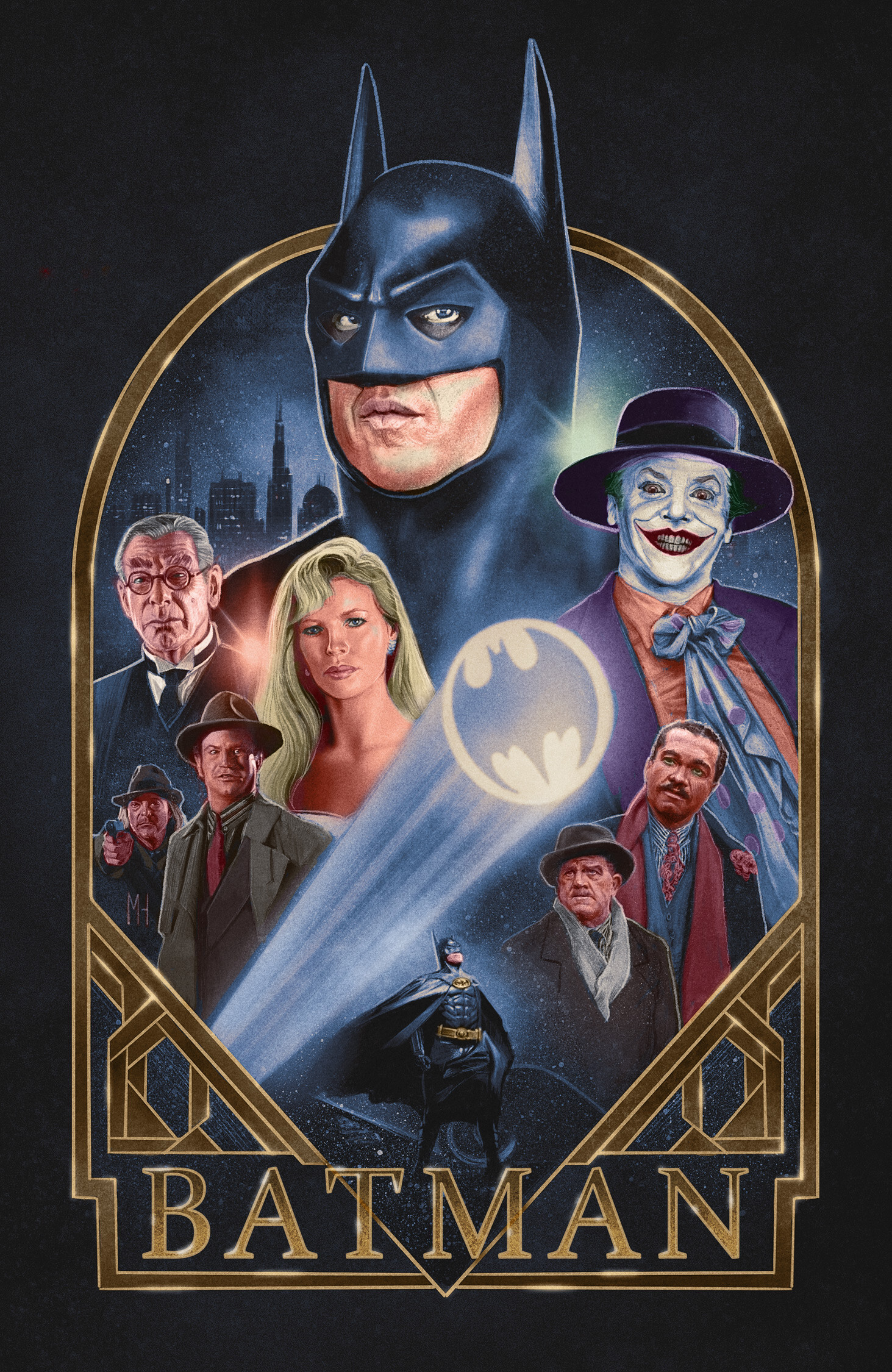
Mainstream cinema in 1989 was dominated by sequels and comic book adaptations that redefined box office expectations. Warner Bros. released Tim Burton’s Batman, a dark, stylized adaptation that shattered opening weekend records and revolutionized superhero marketing by proving that comic book properties could appeal to adult demographics through atmospheric design and serious tonal weight. The film's commercial success spawned a massive merchandising blitz and established the modern cinematic tentpole strategy.
At the same time, action cinema continued its evolution through high-octane sequels and star-driven vehicles. James Cameron’s The Abyss pushed the boundaries of underwater cinematography and liquid-effect computer-generated imagery, setting a new technical benchmark despite its grueling production challenges. Meanwhile, Indiana Jones returned in Steven Spielberg’s Indiana Jones and the Last Crusade, blending serialized adventure with poignant familial dynamics to dominate the global box office.
| Film Title | Director | Primary Genre | Box Office Significance |
|---|---|---|---|
| Batman | Tim Burton | Superhero / Action | Redefined comic book adaptations and summer marketing blitzes. |
| The Abyss | James Cameron | Sci-Fi / Adventure | Pioneered early digital character animation and aquatic visual effects. |
| Born on the Fourth of July | Oliver Stone | Biographical Drama | Anchored political discourse and dominated awards season attention. |
| Do the Right Thing | Spike Lee | Drama | Sparked urgent cultural conversations regarding race and urban tension. |
The Rise of Independent Voices and Provocative Drama
While blockbusters drove ticket sales, independent and mid-budget cinema provided the year's most culturally resonant storytelling. Spike Lee’s Do the Right Thing emerged as a critical touchstone, chronicling racial tensions in a Brooklyn neighborhood during a stifling heatwave. Its unapologetic social commentary and vibrant visual style challenged Hollywood's conventional racial narratives and cemented Lee as a vital American auteur.
Simultaneously, Steven Soderbergh’s debut feature, sex, lies, and videotape, captured the Palme d'Or at the Cannes Film Festival and catalyzed the independent film boom of the 1990s. By demonstrating that a low-budget, dialogue-driven drama about modern relationships could achieve massive commercial distribution and crossover appeal, the film proved that alternative financing and distribution models were commercially viable outside major studio systems.
Global Cinema and International Recognition
International cinema in 1989 offered profound explorations of history, memory, and political transition. Giuseppe Tornatore’s Cinema Paradiso captured global audiences with its nostalgic tribute to film history and Italian village life, ultimately securing the Academy Award for Best Foreign Language Film. The film's enduring popularity underscored a universal cinematic language that transcended geographic boundaries.
In East Asia and Europe, directors navigated changing political landscapes by examining personal identity against sweeping historical backdrops. These international contributions enriched the global cinematic dialogue, ensuring that 1989 was remembered not solely for Hollywood commercial output, but as a banner year for cross-cultural artistic expression.
Critical Reception and Awards Season Dynamics
The awards season following the 1989 release calendar reflected a growing tension between traditional prestige pictures and socially urgent filmmaking. Oliver Stone’s Born on the Fourth of July earned widespread acclaim and multiple Academy Awards, showcasing the enduring potency of Vietnam War narratives in American culture. Concurrently, Bruce Beresford’s Driving Miss Daisy claimed the Academy Award for Best Picture, highlighting the Academy’s traditional preference for character-driven dramatic explorations of social reconciliation.
Critics of the era played a powerful role in championing boundary-pushing work, bridging the gap between mass entertainment and high art. Reviewers frequently engaged in spirited debates regarding the artistic merits of commercial blockbusters versus independent grit, helping to shape a canon of 1989 cinema that remains studied by film historians and enthusiasts today.
Frequently Asked Questions
What were the highest-grossing films released in 1989?
The top-grossing films of 1989 globally were led by Indiana Jones and the Last Crusade, followed closely by Tim Burton’s Batman. Both films dominated international box office charts, with Batman setting new benchmarks for domestic opening weekends and theatrical longevity through aggressive, multi-channel marketing campaigns.
How did 1989 influence modern superhero movies?
Tim Burton's Batman proved that comic book adaptations could succeed by embracing a dark, unified aesthetic rather than campy television conventions. Its massive commercial success and cultural saturation established the template for modern franchise filmmaking, character-driven merchandising, and event-driven summer releases.
Which independent films broke through in 1989?
Steven Soderbergh’s sex, lies, and videotape and Spike Lee’s Do the Right Thing were the definitive independent breakthroughs of 1989. sex, lies, and videotape energized the American indie movement by proving arthouse films could achieve mainstream commercial success, while Do the Right Thing sparked national dialogue on racial politics.
What technological advancements occurred in 1989 cinema?
The year saw significant strides in computer-generated imagery and practical special effects. James Cameron’s The Abyss utilized early digital liquid animation techniques that directly paved the way for the digital revolution in visual effects during the subsequent decade, particularly in films like Terminator 2: Judgment Day and Jurassic Park.
How did international cinema perform in 1989?
International cinema achieved notable critical and commercial success, highlighted by Giuseppe Tornatore’s Cinema Paradiso. This nostalgic Italian drama resonated worldwide, winning the Academy Award for Best Foreign Language Film and demonstrating the global appetite for humanistic storytelling.
Maximizing Your Appreciation of 1989 Cinema
To fully appreciate the cinematic achievements of 1989, viewers should look beyond individual box office hits and examine the year as a dynamic transition point between analog craftsmanship and digital innovation. When exploring films from this era, consider watching contrasting pairs—such as pairing a studio blockbuster like Batman with an independent milestone like Do the Right Thing—to understand the full spectrum of cultural and artistic ambitions operating simultaneously during the twilight of the 1980s.