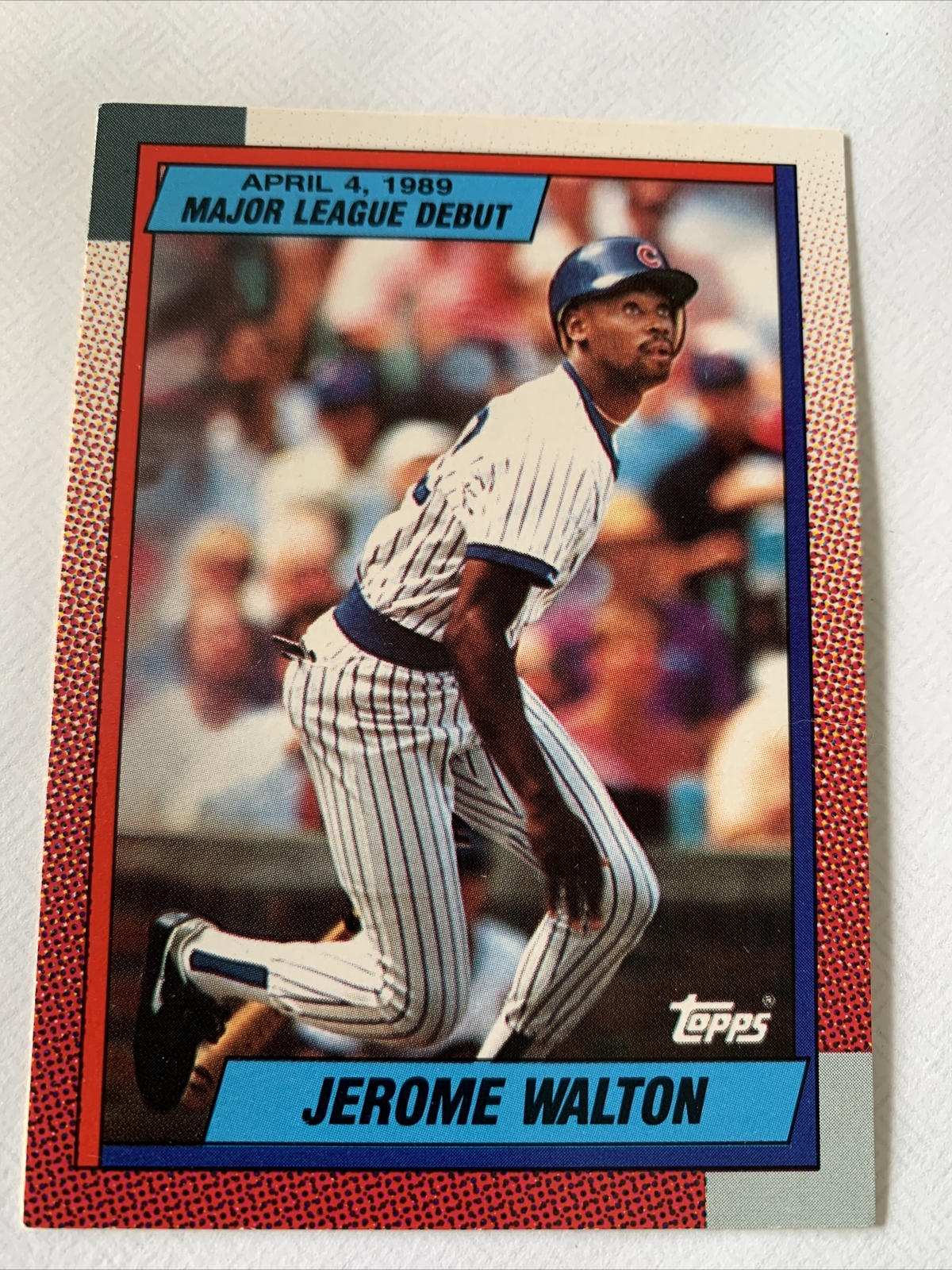
The 1989-90 Topps sports card releases occupy a fascinating transitional era in the hobby, bridging the gap between traditional cardboard aesthetics and the massive overproduction boom of the early 1990s. While these sets were printed in immense quantities that generally limit their modern financial value, they remain culturally significant for housing key rookie cards, iconic photography, and serving as a nostalgic cornerstone for collectors who grew up during the era.
Historical Context and the Shift in the Sports Card Industry
The late 1980s marked a profound turning point for the North American sports card market. For decades, Topps had enjoyed a near-monopoly or dominant market share, but the landscape was shifting rapidly. Fleer had successfully re-entered the market in 1981, and Donruss followed in 1981. By the time the 1989-90 production cycles began, the company faced fierce competition alongside a rapidly expanding consumer base driven by speculators and collectors alike.
During this period, manufacturers realized that consumer demand was insatiable. Factories increased printing runs exponentially to meet orders from newly opened card shops and retail chains. Consequently, the 1989-90 Topps releases—spanning both basketball and hockey—were produced in numbers so vast that most unopened boxes and common cards remain readily available and inexpensive decades later. Understanding this background is vital for anyone examining these sets today, as scarcity rather than baseline popularity dictates modern secondary market values.
Anatomy of the 1989-90 Topps Basketball Set
Released during the explosive growth of the National Basketball Association's global popularity, the 1989-90 Topps basketball set captured the sport right on the precipice of its 1990s golden age. The base set consists of 330 cards, utilizing a clean, albeit busy, border design characterized by colored diagonal stripes and team-name banners across the bottom.
Despite the heavy print runs, this release holds a sacred place in modern collecting primarily due to one card: the rookie card of Hall of Fame guard David Robinson. Card number 138 features the Admiral in his collegiate or early United States national team uniform context, acting as the undisputed chase piece of the entire release. Other notable inclusions feature veteran stars like Michael Jordan, Magic Johnson, Larry Bird, and Kareem Abdul-Jabbar, whose career was winding down. The set also introduced subset cards focusing on All-Stars and league leaders, providing a comprehensive historical snapshot of the 1988-89 NBA season.
Anatomy of the 1989-90 Topps Hockey Set
Parallel to their basketball product, the 1989-90 Topps hockey release served as a staple for National Hockey League fans, particularly in the United States where Topps held a strong retail footprint compared to O-Pee-Chee in Canada. This set featured a standard 198-card checklist, adhering to a traditional horizontal or vertical layout bordered by a distinct wood-grain pattern reminiscent of hockey sticks or arena dashboards.
The crown jewel of the 1989-90 Topps hockey release is the rookie card of superstar forward Joe Sakic (Card number 113). Alongside Sakic, the set features early cards of other legendary players such as Mario Lemieux, Steve Yzerman, Patrick Roy, and Brett Hull. Because these cards were printed on standard, often low-quality cardstock prone to chipping along the dark borders, finding copies in pristine, professionally graded condition remains a genuine challenge for advanced set builders.
Comparison of 1989-90 Topps Basketball and Hockey Releases
Evaluating the structural differences and key chases between the basketball and hockey offerings highlights how distinct sports performed within the same manufacturing framework.
| Sport Series | Base Checklist Size | Primary Rookie Chase | Notable Veteran Stars | Condition Sensitivity |
|---|---|---|---|---|
| Basketball | 330 Cards | David Robinson (#138) | Michael Jordan, Larry Bird, Magic Johnson | Moderate (white borders hide minor chipping) |
| Hockey | 198 Cards | Joe Sakic (#113) | Mario Lemieux, Patrick Roy, Steve Yzerman | High (wood-grain borders show edge wear easily) |
Collecting, Grading, and Condition Sensitivity
For modern hobbyists evaluating raw cards from the 1989-90 Topps production window, condition is everything. Because millions of these cards were immediately placed into storage boxes or protective sheets by collectors anticipating future wealth, many surviving copies exist in near-mint or better raw condition. However, centering issues plagued 1980s printing presses. It is common to find cards with severely skewed borders, printer fish-eyes, or surface scratches straight out of the wax pack.
When deciding whether to submit cards from these sets to grading services like PSA, BGS, or SGC, collectors must weigh the cost of grading against the established market value. For most common cards and minor stars, the grading fees far exceed the ultimate market value of the slabbed card. Only high-grade examples of premier rookie cards—specifically David Robinson and Joe Sakic—typically command prices that justify professional authentication and encapsulation.
Common Pitfalls and Misconceptions for Modern Buyers
Many novice collectors encounter 1989-90 Topps wax boxes at garage sales, estate sales, or online marketplaces and assume they have discovered a lucrative investment. It is essential to maintain realistic expectations regarding market economics.
- Overproduction Realities: Millions of wax packs and complete sets were saved. Supply vastly outstrips modern collector demand for common cards.
- Wax Box Weighing and Tampering: Unopened wax and rack boxes from this era can occasionally be searched or resealed by unscrupulous sellers. Purchasing from reputable dealers with established return policies is vital.
- Centering and Trimmed Edges: Counterfeiters and dishonest sellers occasionally alter card dimensions to improve centering. Buyers should examine corners and edges closely under magnification when purchasing high-end graded or raw specimens.
Assessing Value and Maximizing Investment Protection
Determining the actual worth of a 1989-90 Topps collection requires looking past emotional attachment and relying on verified sales data from major auction houses and marketplace transaction archives. Collectors should consult resources like the Sports Card Guaranty (SCG) or Professional Sports Authenticator (PSA) population reports to see how many examples of a specific card exist in top grades.
If you are looking to acquire or sell components of these sets, focus your resources strictly on marquee rookie cards in flawless condition, or purchase complete sets purely for nostalgic display value rather than aggressive portfolio growth. Inspect every potential purchase for surface gloss preservation, corner sharpness, and centering symmetry before committing capital.