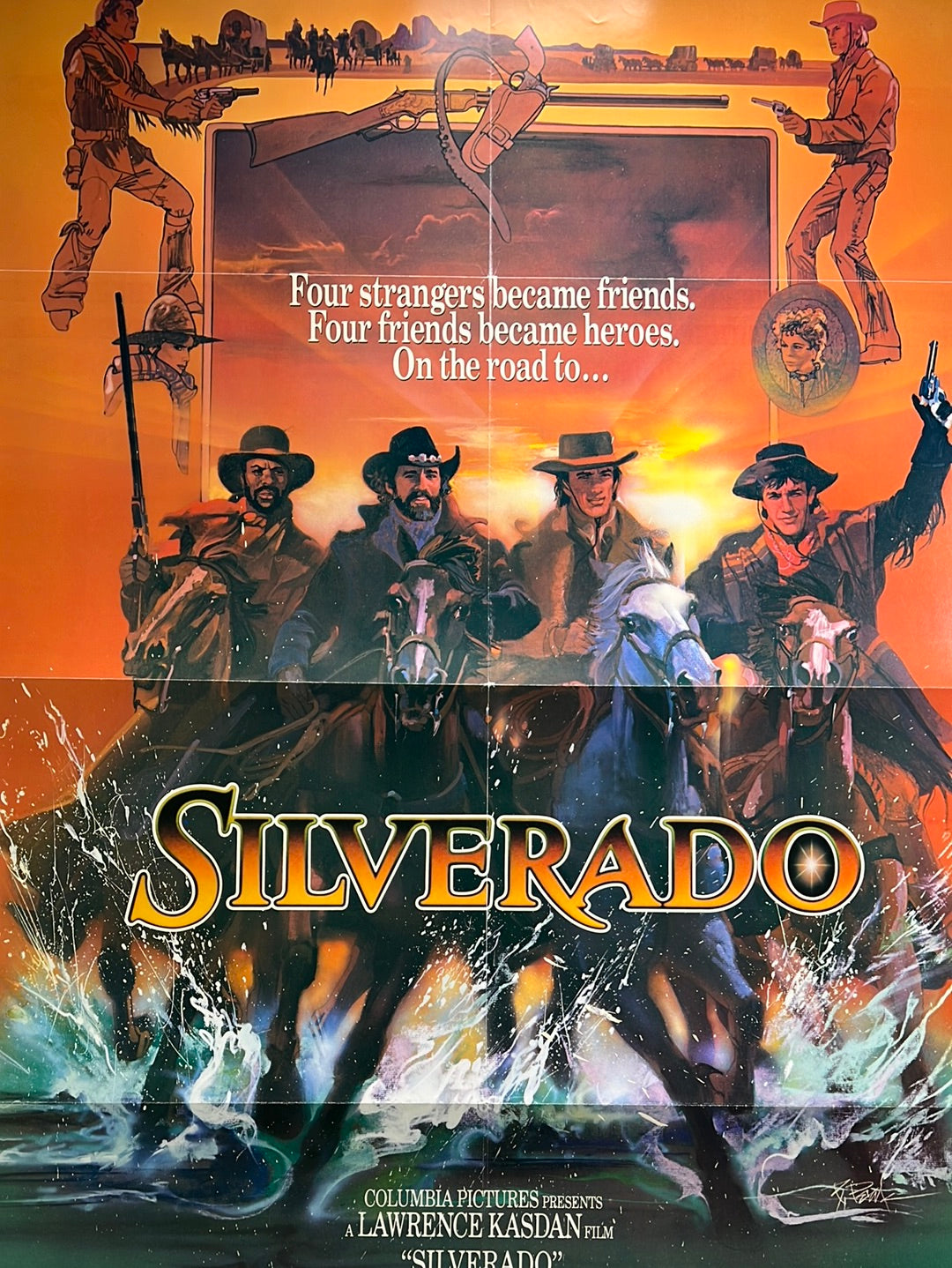
The year 1985 stands as a watershed moment in cinematic history, producing a diverse array of motion pictures that reshaped genres, launched enduring franchises, and defined the cultural landscape of the 1980s. Examining a classic 1985 film requires looking beyond simple nostalgia to evaluate its technical execution, narrative framework, industry reception, and lasting influence on modern media.
Analyzing a significant 1985 film involves understanding its production context, narrative architecture, and cultural legacy within motion picture history. This era marked a transition point in Hollywood, balancing traditional studio filmmaking with high-concept blockbusters, innovative independent cinema, and groundbreaking technical achievements in sound and visual effects. Whether exploring science fiction, coming-of-age drama, action, or dark comedy, movies released in this pivotal year established benchmarks that continue to influence contemporary storytelling and filmmaking techniques.
Historical and Industry Context of Cinema
The mid-1980s represented a unique economic and creative period for the global film industry. Studios were increasingly learning how to market high-concept properties globally while simultaneously nurturing riskier, character-driven projects. Understanding the milieu of 1985 requires examining how financing structures, distribution models, and audience demographics shifted during this decade.
During this period, home video technology, specifically VHS, began fundamentally altering how movies generated revenue and how audiences consumed media. A film released in 1985 no longer relied solely on its theatrical box office run; its long-term financial viability was increasingly tied to secondary markets like home video rentals and television licensing. This shift influenced executive decisions, leading to a landscape where family-friendly adventures, high-energy action spectacles, and provocative independent features could coexist and thrive through alternative distribution channels. Furthermore, the aesthetic of 1985 cinema was characterized by distinctive stylistic choices, including synthesized musical scores, vibrant color grading, and practical special effects that preceded the widespread adoption of digital computer-generated imagery.
Narrative Architecture and Character Development
The storytelling conventions of a notable 1985 film often reflect a blend of classical narrative structures with the distinct cultural anxieties of the Reagan era. Screenwriters and directors frequently utilized high-stakes premises, exploring themes of technological advancement, youthful rebellion, suburban alienation, and existential irony.
Character arcs in these productions typically relied on clear, motivating objectives paired with internal conflicts that resonated with contemporary audiences. In science fiction and fantasy, ordinary protagonists were thrust into extraordinary circumstances, demanding adaptability and moral resilience. In dramas and comedies, characters navigated complex social dynamics, economic shifts, and interpersonal relationships with a mixture of earnestness and cynicism. This narrative balance allowed films from this era to transcend their period origins, maintaining emotional resonance for viewers decades later.
Technical Innovations and Production Design
The technical execution of a 1985 film relied heavily on practical effects, inventive cinematography, and meticulous production design. Before digital manipulation became standard practice in post-production, filmmakers achieved extraordinary visual feats through optical illusions, miniature models, animatronics, and in-camera effects.
| Technical Element | 1985 Standard | Modern Equivalent | Impact on Production |
|---|---|---|---|
| Visual Effects | Practical models, optical composites, matte paintings | Computer-generated imagery (CGI), virtual production | Required meticulous pre-planning and physical execution on set. |
| Sound Design | Analog multitrack recording, Dolby stereo mixing | Immersive object-based audio (Dolby Atmos) | Shaped spatial awareness and emotional intensity in theaters. |
| Cinematography | High-speed film stocks, anamorphic lenses | Digital cinema sensors, large-format lenses | Defined the distinct grain, contrast, and depth of field of the era. |
| Editing | Physical film splicing, flatbed editors | Non-linear editing software (NLE) | Demanded precise timing and irrevocable physical cuts. |
These technical constraints fostered a high degree of craftsmanship among cinematographers, set designers, and sound engineers. The physical weight of sets, the tangible texture of costumes, and the natural lighting choices gave 1985 productions a visceral quality that digital restoration efforts continue to preserve and highlight for modern audiences.
Critical Reception and Cultural Legacy
The initial reception of a 1985 film often paved the way for its enduring status as a classic. While some releases achieved immediate blockbusting success, others gained appreciation over time through critical re-evaluation, midnight screenings, and word-of-mouth recommendations via home video.
The legacy of these films is frequently measured by their integration into popular culture, including memorable catchphrases, iconic wardrobe choices, and recognizable musical themes. Moreover, many 1985 titles have inspired modern remakes, spiritual successors, and analytical homages across television and film. This ongoing cultural dialogue demonstrates that the thematic concerns of mid-1980s cinema—identity, technology, rebellion, and community—remain vital and relevant to contemporary viewers.
Frequently Asked Questions About 1985 Cinema
What defined the visual style of a typical 1985 film?
The visual style of 1985 cinema was heavily influenced by practical special effects, anamorphic lens cinematography, and stylized lighting. Directors utilized bold primary colors, practical smoke and fog, and detailed physical sets to create immersive environments without the aid of digital compositing.
How did the home video market impact 1985 film releases?
The rapid adoption of VHS technology in the mid-1980s provided studios with a lucrative secondary revenue stream. This shift encouraged studios to greenlight diverse genres, knowing that films with modest theatrical runs could achieve profitability through video rentals and direct-to-home sales.
Are practical effects from 1985 still considered effective today?
Yes, practical effects from this era are widely praised for their tactile realism. Because physical models, animatronics, and makeup effects interact naturally with actual lighting and actors on set, they often age more gracefully than early-generation digital effects.
Where can modern audiences watch classic 1985 films?
Most notable 1985 films are widely available across various streaming platforms, digital storefronts for rental or purchase, and physical media formats such as Blu-ray and 4K Ultra HD, often featuring remastered audio and video transfers.
Ensuring Preservation and Appreciation
To fully appreciate a significant 1985 film, viewers and scholars should seek out high-definition restorations that honor the original theatrical aspect ratios and color grading. Engaging with behind-the-scenes documentaries, director commentaries, and archival interviews provides essential context regarding the logistical hurdles and creative breakthroughs achieved during production. By viewing these works through both a historical lens and an analytical framework, audiences can better understand how mid-1980s cinema laid the groundwork for modern visual storytelling.