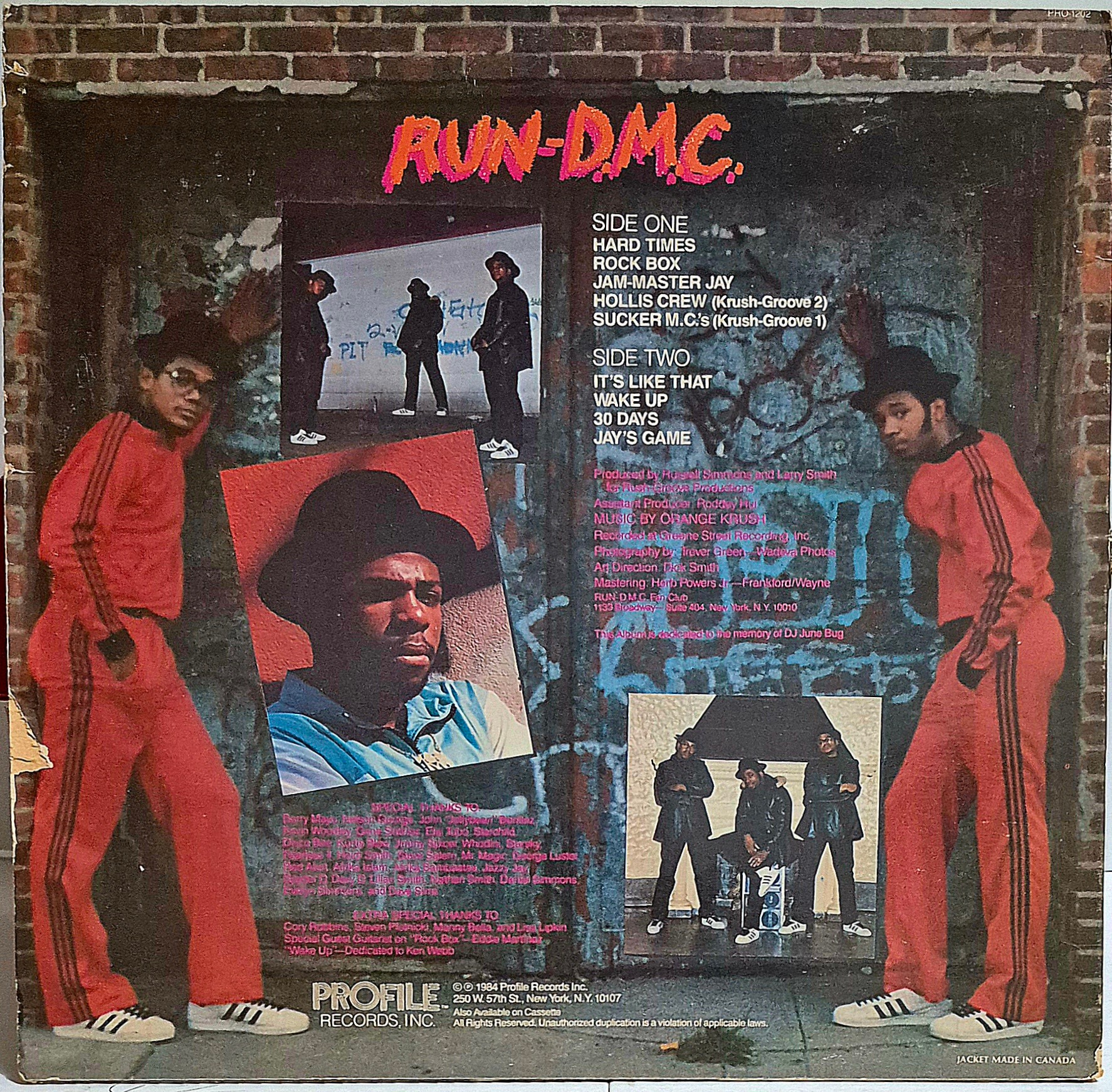
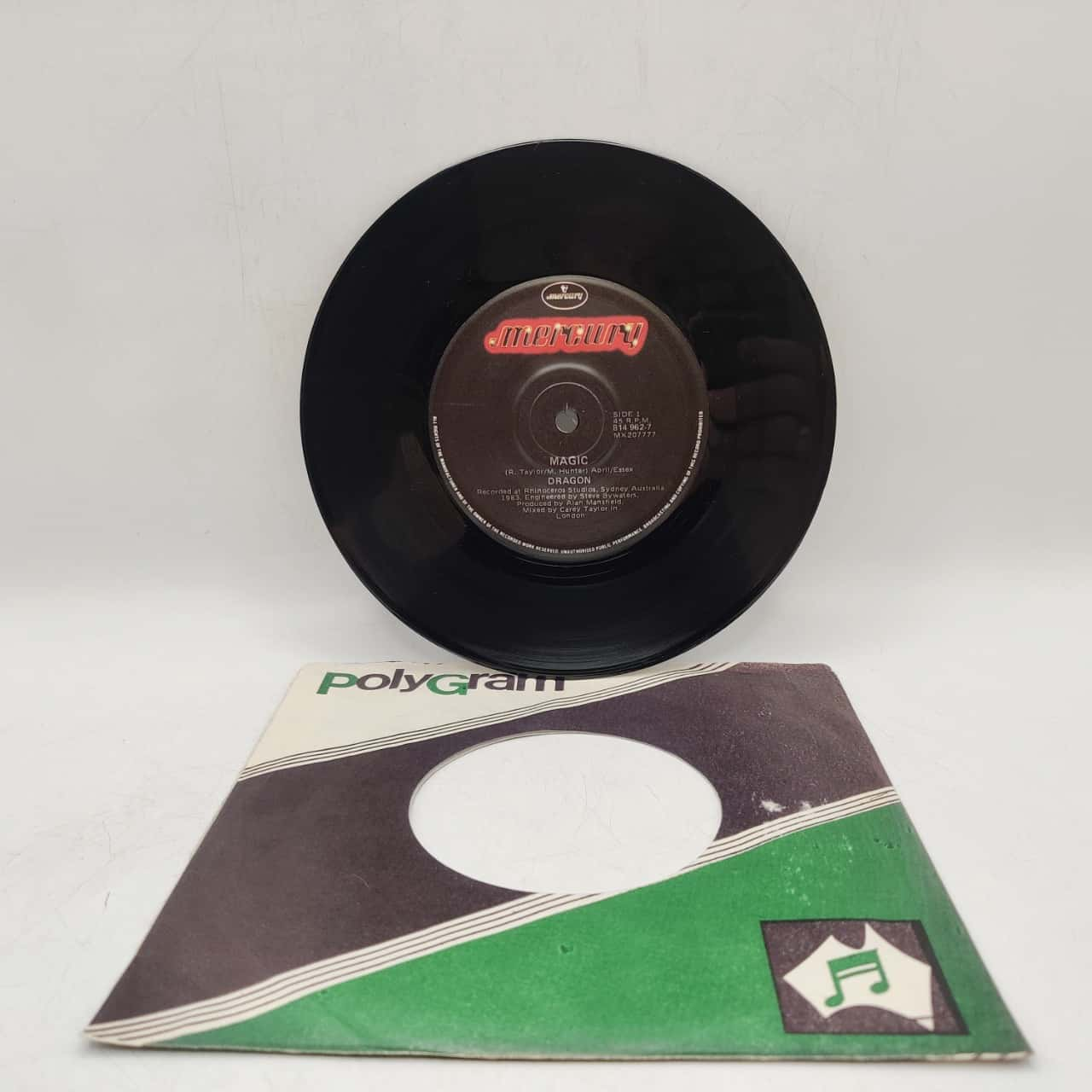
In the history of popular music, 1984 stands as a monumental year characterized by the peak of the MTV era, the dominance of global superstars, and a shift toward synthesizer-driven production. Major 1984 single releases included Prince’s "When Doves Cry," Madonna’s "Like a Virgin," and Wham!’s "Careless Whisper," alongside Van Halen’s synth-heavy rock anthem "Jump."
The Cultural Significance of 1984 in Music History
The year 1984 is frequently cited by musicologists and critics as the "best year for pop music." It represented a unique convergence of technological advancement, visual media, and a generation of legendary artists reaching their creative zeniths simultaneously. The "1984 single release" phenomenon was driven largely by the Music Television (MTV) effect, which transformed how singles were marketed and consumed. No longer was a song's success determined solely by radio airplay; the music video became an essential component of a single's release strategy.
During this period, the landscape of the recording industry was undergoing a massive shift. The transition from the post-disco era into the high-gloss production of the mid-80s allowed for a diverse range of genres—from synth-pop and New Wave to heavy metal and R&B—to coexist at the top of the charts. This year also saw the emergence of the "mega-album," where a single LP would produce four, five, or even six hit singles, keeping artists in the public eye for eighteen months or longer.
Furthermore, 1984 was the year of the "British Second Invasion," with acts like Duran Duran, Culture Club, and Eurythmics dominating American airwaves. This cultural exchange ensured that a single release in 1984 had a truly global impact, often hitting number one in London, New York, and Tokyo in the same month.
Key Single Releases by Month: A 1984 Chronology
To understand the sheer density of talent during this period, one must look at the calendar of releases. The pacing of 1984 was relentless, with nearly every month introducing a track that would go on to become a multi-platinum staple.
The First Quarter: Rock Meets the Synthesizer
The year began with a bold statement from Van Halen. On January 5, 1984, the band released "Jump," the lead single from their aptly titled album 1984. While Eddie Van Halen was renowned as a guitar virtuoso, "Jump" was built around a massive Oberheim OB-Xa synthesizer hook. This release signaled a pivot for hard rock bands, proving that electronic elements could be integrated into heavy music without losing their edge.
In February, Lionel Richie released "Hello," a ballad that demonstrated the power of the adult contemporary market. Accompanied by a memorable (and often parodied) music video, the single spent weeks at number one, highlighting the era's appetite for sentimental storytelling alongside high-energy dance tracks.
The Spring and Summer: The Summer of Prince
May 1984 saw the release of what many consider the definitive song of the decade: Prince's "When Doves Cry." As the lead single from the Purple Rain soundtrack, the song was revolutionary for its lack of a bassline—a daring production choice that prioritized stark percussion and Prince’s intricate vocal layering. The single reigned over the summer months, solidifying Prince as a rival to Michael Jackson for the title of the world’s biggest pop star.
In June, Ray Parker Jr. released "Ghostbusters," the theme to the blockbuster film. This release exemplified the growing synergy between Hollywood and the recording industry, a trend that would define the 1984 single release cycle with tracks like "Footloose" by Kenny Loggins and "Against All Odds (Take a Look at Me Now)" by Phil Collins.
The Autumn and Winter: Madonna and Band Aid
As the year wound down, Madonna released "Like a Virgin" in October. Her performance of the song at the inaugural MTV Video Music Awards became a cultural flashpoint, and the single itself became her first number one on the Billboard Hot 100.
The year concluded with a philanthropic milestone. In December, Band Aid released "Do They Know It's Christmas?" The single, featuring a "who’s who" of British pop royalty, became the fastest-selling single in UK history to that point and paved the way for the Live Aid concerts of 1985.
Technical Production and Format Trends of 1984
The technicality of a 1984 single release differed significantly from the decades preceding it. This was the era of the 12-inch extended mix. While 7-inch vinyl remained the standard for radio play, the 12-inch single allowed producers to experiment with "Dub" versions and extended dance breaks, which were essential for nightclub DJs.
The Rise of Digital Synthesis
Production in 1984 was heavily influenced by the Yamaha DX7, the first commercially successful digital synthesizer. Its bright, bell-like tones and "glassy" electric piano sounds can be heard on nearly every major single released that year. Producers like Trevor Horn (who produced Frankie Goes to Hollywood’s "Relax" and "Two Tribes") utilized the Fairlight CMI sampler to create industrial, textured sounds that pushed the boundaries of what pop music could sound like.
Recording Standards
Most 1984 singles were recorded on 24-track analog tape, though digital recording (specifically the Sony PCM-3324) was beginning to take hold in high-budget studios. The "80s sound"—characterized by gated reverb on drums and heavy compression on vocals—reached its technical perfection this year. This sonic profile is why 1984 singles still sound remarkably "big" on modern audio systems in 2026.
Van Halen’s ‘1984’ and the Soundtrack of the Film ‘1984’
There is occasional ambiguity regarding the "1984 single release" because of two specific properties: the Van Halen album and the film adaptation of George Orwell's novel.
- Van Halen's 1984: The album was released in early January 1984. It produced four major singles: "Jump," "I'll Wait," "Panama," and "Hot for Teacher." The "1984" title track itself is a short instrumental synthesizer piece that serves as an intro to "Jump," but it was the singles themselves that defined the band's transition into the mainstream pop-metal stratosphere.
- *Eurythmics' 1984 (For the Love of Big Brother):* In late 1984, the Eurythmics (Annie Lennox and Dave Stewart) released the soundtrack for the film 1984. The lead single, "Sexcrime (Nineteen Eighty-Four)," reached the top ten in the UK. This release was controversial at the time due to its title, but it remains a masterclass in mid-80s electronic sequencing.
Comparison of Top Global Singles Released in 1984
The following table compares the chart performance and technical attributes of five defining singles released during 1984.
| Artist | Single Title | Release Month | US/UK Peak | Primary Gear/Sound |
|---|---|---|---|---|
| Prince | "When Doves Cry" | May | #1 / #4 | Linn LM-1 Drum Machine |
| Van Halen | "Jump" | January | #1 / #7 | Oberheim OB-Xa Synth |
| Tina Turner | "What's Love Got to Do with It" | May | #1 / #3 | Roland Juno-60 |
| Madonna | "Like a Virgin" | October | #1 / #3 | Nile Rodgers Production |
| Wham! | "Careless Whisper" | July | #1 / #1 | Iconic Saxophone Hook |
Collecting 1984 Singles: Vinyl and Media Rarity in 2026
As of 2026, the market for original 1984 single releases on vinyl has seen a significant resurgence. Collectors prioritize "First Pressings" and regional variations of the 12-inch singles. Because 1984 was the year the Compact Disc (CD) began to gain traction in Japan and Europe, early CD singles from this year are exceptionally rare and highly valued by collectors.
What to Look For:
- Picture Discs: Many 1984 singles, such as those by Iron Maiden or Duran Duran, were released as limited-edition picture discs. These are often more valuable for their aesthetic than their audio quality.
- Japanese Pressings: Japanese 7-inch singles from 1984 usually come with a unique "insert" sleeve featuring lyrics in both English and Japanese. These are considered the gold standard for quality.
- Promotional 12-inches: "For DJ Use Only" copies often contain unique edits or radio mixes that were never released to the general public.
According to the Recording Industry Association of America (RIAA), singles from 1984 continue to be among the most streamed legacy tracks, proving that the "release" of these songs is an ongoing event in the digital age.
Common Myths About 1984 Single Releases
A common misconception is that Michael Jackson’s "Thriller" was a 1984 single release. In reality, the Thriller album was released in late 1982, and the title track single "Thriller" was released in the US in January 1984, though most of the album's other hits had already peaked in 1983. 1984 was more about the successors to the Thriller throne, such as Bruce Springsteen with Born in the U.S.A. and Cyndi Lauper with She's So Unusual.
Another myth involves George Michael’s "Careless Whisper." While often associated with Wham!, it was actually George Michael's first solo single in the UK, released while he was still a member of the duo. In the US, it was credited to "Wham! featuring George Michael" to capitalize on the group's massive popularity there.
FAQ: 1984 Single Releases
What was the best-selling single released in 1984?
"Do They Know It's Christmas?" by Band Aid was the best-selling single released in 1984 globally. In the United States, Prince's "When Doves Cry" was the top-selling single according to the Billboard Year-End charts. The Band Aid single's success was largely driven by its charitable mission and the massive ensemble cast of artists, which triggered an unprecedented buying frenzy in December.
Why is 1984 considered the peak of the 12-inch single?
In 1984, the club scene was the primary influencer for pop radio. Producers began creating "extended remixes" specifically for the 12-inch format to keep dancers on the floor longer. These releases often featured entirely new sections, such as instrumental breaks or "a cappella" vocal starts, making the 12-inch single a distinct creative product rather than just a longer version of the 7-inch.
Did any 1984 singles win Grammys?
Yes, several. Tina Turner’s "What's Love Got to Do with It" was the big winner at the 27th Annual Grammy Awards, taking home Record of the Year and Song of the Year. Prince also won for the Purple Rain soundtrack. These wins marked a shift where the Recording Academy began to more heavily recognize pop and rock singles that utilized modern electronic production.
Was George Orwell's "1984" related to any hit songs that year?
Aside from the Eurythmics' soundtrack 1984 (For the Love of Big Brother), the themes of the book influenced several artists. David Bowie had previously released a song titled "1984" in 1974, but it saw a resurgence in radio interest during the actual year of 1984. Apple also famously used the Orwellian theme for its "1984" Macintosh commercial, which aired during the Super Bowl and is inextricably linked to the cultural atmosphere of that year's media releases.
How do I verify the authenticity of a 1984 first-press vinyl?
To verify a 1984 single, check the "matrix runout" (the alphanumeric code etched into the vinyl near the label). Cross-reference this code with a database like Discogs. Genuine 1984 pressings will have specific manufacturing plant stamps (like "Specialty Records Corporation" or "Masterdisk") and will not have barcodes on the sleeve if they were early UK pressings, though US pressings usually did have barcodes by then.
Recommendations for Exploring 1984 Singles
To truly appreciate the breadth of 1984 single releases, listeners should move beyond the "Top 40" and explore the "alternative" and "indie" singles of the year. Tracks like "How Soon Is Now?" by The Smiths and "Pride (In the Name of Love)" by U2 were also 1984 releases that shaped the future of rock music.
For those looking to build a collection in 2026, focusing on the 12-inch "Extended Versions" provides the best audio fidelity and the most historically accurate representation of the era’s production techniques. Many of these tracks have been remastered for high-resolution digital formats, but the original vinyl remains the definitive way to experience the "punch" and "shimmer" of 1984.