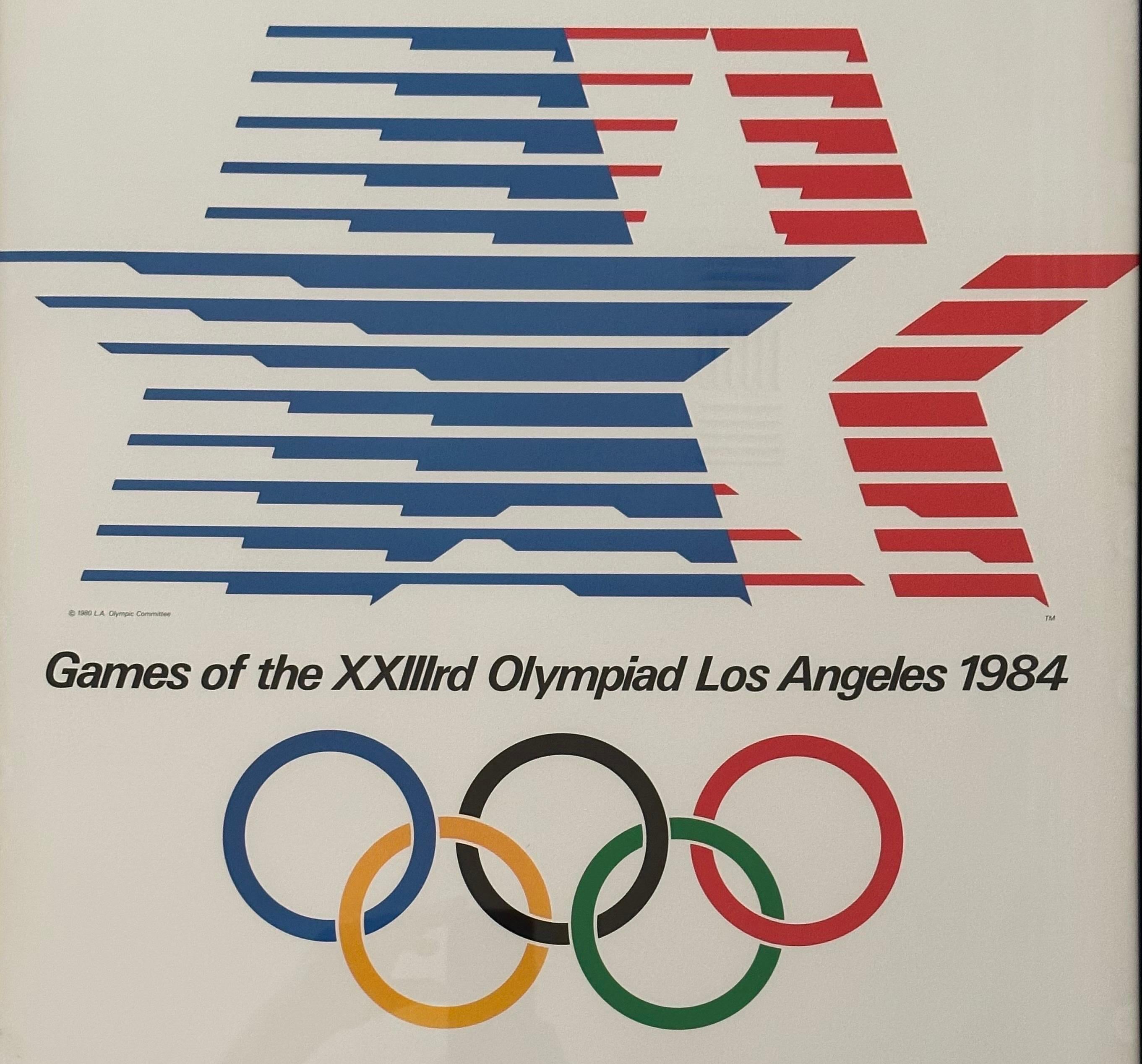
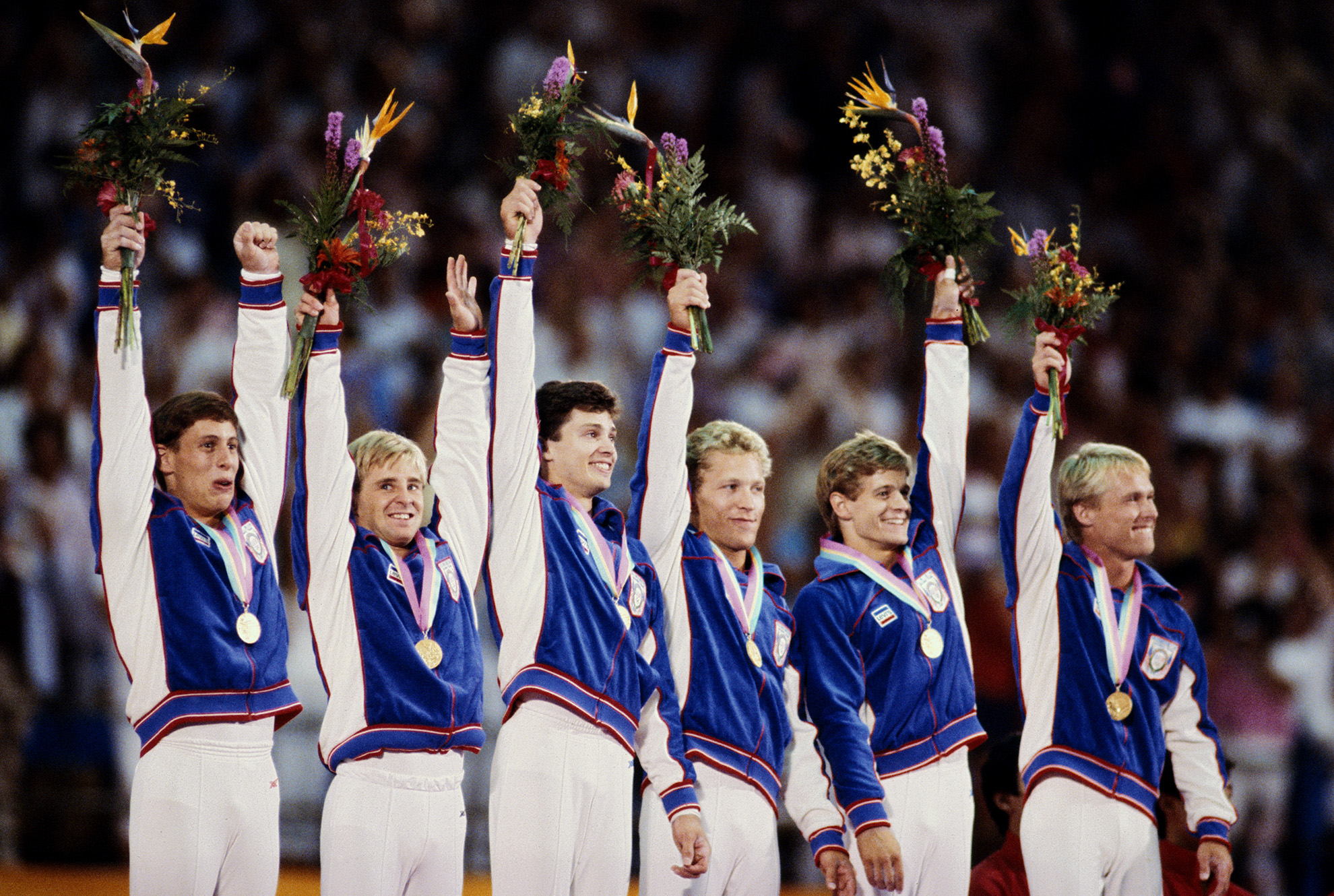
The 1984 Summer Olympics, officially known as the Games of the XXIII Olympiad, was a landmark event held in Los Angeles, California, from July 28 to August 12, 1984. It is best defined by its revolutionary "private-sector" funding model, which transformed a debt-ridden Olympic movement into a profitable global enterprise, and for the Soviet-led boycott that shaped the competitive landscape of the era.
The Financial Revolution: How Los Angeles Saved the Olympic Movement
By the late 1970s, the Olympic Games were in a state of existential crisis. The 1976 Montreal Games had left the host city with a debt exceeding $1 billion, which took three decades to repay. Consequently, when the bidding for the 1984 Games opened, Los Angeles was the only city to submit a serious bid. This lack of competition gave the Los Angeles Olympic Organizing Committee (LAOOC), led by Peter Ueberroth, significant leverage in negotiations with the International Olympic Committee (IOC).
Ueberroth’s strategy was unprecedented: he refused to use public funds. Instead, the 1984 Games were the first to be financed almost entirely through private corporate sponsorships, television rights, and ticket sales. This "capitalist" approach was initially met with skepticism by traditionalists but proved to be a masterstroke. The LAOOC limited the number of official sponsors to 35, creating an "exclusive club" that drove up the price of partnership.
The broadcasting rights alone were sold to ABC for a then-staggering $225 million. This financial framework didn't just cover the costs; it generated a surplus of approximately $225 million. As of 2026, the financial success of 1984 remains the benchmark for sustainable host-city management, as it proved that the Olympics could be a catalyst for economic growth rather than a fiscal burden.
The Cold War Context and the Soviet-Led Boycott
The 1984 Games were played against the backdrop of intense Cold War tensions. Four years earlier, the United States had led a boycott of the 1980 Moscow Olympics to protest the Soviet invasion of Afghanistan. In May 1984, the Soviet Union announced it would not participate in the Los Angeles Games, citing "security concerns" and "anti-Soviet hysteria" in the U.S.
In total, 14 Eastern Bloc countries and allies, including East Germany, Cuba, and Poland, joined the boycott. This absence significantly impacted several sports where these nations were traditionally dominant, particularly gymnastics, weightlifting, and rowing. Despite the absence of the Soviet Union, a record 140 nations participated. Interestingly, Romania was the only Warsaw Pact nation to defy the Soviet order and attend, receiving a standing ovation during the opening ceremony. The Romanian team finished third in the overall medal count, a testament to their resilience and the competitive vacuum left by their neighbors.
Infrastructure and Venue Strategy: The "Reuse and Recycle" Model
One of the most enduring technical achievements of the 1984 Olympics was the decision to avoid the construction of expensive, "white elephant" stadiums. Instead, the LAOOC utilized existing world-class venues and temporary structures, a practice that has become the gold standard for modern sustainable events.
The iconic Los Angeles Memorial Coliseum, which had previously hosted the 1932 Olympics, served as the primary stadium for track and field and the opening/closing ceremonies. The Rose Bowl in Pasadena was used for soccer, and the Pauley Pavilion at UCLA hosted gymnastics. Only two permanent new venues were built: the Olympic Velodrome (funded by 7-Eleven) and the Olympic Swim Stadium (funded by McDonald's).
This strategy minimized capital expenditure and ensured that the facilities remained useful to the local community long after the athletes departed. By 2026, many of these venues continue to host major sporting events, demonstrating the long-term viability of the 1984 infrastructure plan.
Defining Athletic Achievements of the 1984 Games
While the political landscape was fractured, the athletic performances were legendary. The 1984 Games served as a platform for athletes who would become global icons.
- Carl Lewis: In one of the most remarkable displays in Olympic history, American track star Carl Lewis matched Jesse Owens’ 1936 record by winning four gold medals in the 100m, 200m, 4x100m relay, and long jump.
- Mary Lou Retton: The 16-year-old gymnast became the first American woman to win the individual all-around gold medal, capturing the hearts of the host nation with her perfect 10.0 scores on the vault and floor exercise.
- Joan Benoit Samuelson: She won the inaugural women’s Olympic marathon, a historic milestone that finally shattered the long-standing myth that women were physically incapable of competing in long-distance endurance events.
- Greg Louganis: Dominating the diving board, Louganis won gold in both the springboard and platform events, beginning a streak of dominance that would extend to the 1988 Games.
The 1984 Olympics also saw the debut of professional basketball players from the NBA on the U.S. roster (though the "Dream Team" moniker wouldn't arrive until 1992). The 1984 squad, featuring a young Michael Jordan and Patrick Ewing, cruised to a gold medal, signaling the beginning of a new era for international basketball.
Comparative Overview: 1984 vs. Surrounding Eras
The following table contextualizes the 1984 Games by comparing key metrics with the preceding 1980 Moscow Games and the subsequent 1988 Seoul Games.
| Metric | 1980 Moscow (Summer) | 1984 Los Angeles (Summer) | 1988 Seoul (Summer) |
|---|---|---|---|
| Nations Participating | 80 | 140 | 159 |
| Athletes | 5,179 | 6,829 | 8,391 |
| Events | 203 | 221 | 237 |
| Boycott Status | US-led (66 countries) | Soviet-led (14 countries) | Minimal (North Korea) |
| Financial Outcome | State-funded (Massive Loss) | Privately funded ($225M Profit) | Mixed-funded (Profit) |
| Top Medalist | USSR | USA | USSR |
The Long-Term Impact: The LA84 Foundation
Perhaps the most significant "win" for the city of Los Angeles was what happened to the surplus funds. Unlike many host cities that struggle with debt for decades, Los Angeles established the LA84 Foundation (originally the Amateur Athletic Foundation).
As of 2026, the LA84 Foundation continues to manage a portion of the 1984 profit, investing hundreds of millions of dollars into youth sports programs throughout Southern California. This endowment has funded coaching clinics, equipment, and facility renovations for over four decades, ensuring that the legacy of the 1984 Games is felt by generations of children who were born long after the closing ceremony. This model of "surplus endowment" is frequently cited by the IOC as the ultimate example of a positive Olympic legacy.
Cultural and Technological Innovations
The 1984 Olympics were also a watershed moment for sports marketing and broadcast technology. It was the first "hi-tech" Olympics, utilizing early electronic mail systems for journalists and sophisticated computerized timing systems.
Culturally, the Games embraced the "Hollywood" spirit of Los Angeles. The opening ceremony featured a "Rocketman" flying into the stadium via jetpack, a spectacle that defined the 1980s' fascination with futurism and entertainment. The mascot, Sam the Eagle, designed by Disney legend Robert Moore, became a commercial success, appearing on everything from pins to lunchboxes, further proving the commercial viability of Olympic branding.
The Evolution of the Volunteer Model
Another overlooked success was the mobilization of 30,000 volunteers. The LAOOC created a sophisticated management system to train and deploy these workers, a template that has been refined by every Olympic host since. This spirit of civic participation helped mitigate the logistical challenges of a city known for its sprawling geography and traffic.
Strategic Sponsorship Tiering
The 1984 Games revolutionized how corporations interact with global events. By creating "exclusive" categories—where only one soft drink, one credit card, and one fast-food chain could be official sponsors—the LAOOC forced brands to bid against each other for the right to use the Olympic rings. This scarcity increased the value of the sponsorship and ensured that the Olympic brand was not diluted by over-commercialization.
Frequently Asked Questions
Why did the Soviet Union boycott the 1984 Olympics?
The Soviet Union officially cited security concerns and a lack of safety for their athletes in the United States. However, it was widely recognized as a direct retaliatory move for the U.S.-led boycott of the 1980 Moscow Olympics. The Soviets aimed to diminish the prestige and competitive quality of the Los Angeles Games.
How did the 1984 Olympics make a profit?
The profit was achieved through a revolutionary private funding model. The Los Angeles Olympic Organizing Committee (LAOOC) relied on high-value corporate sponsorships, a record-breaking television rights deal with ABC, and the strategic use of existing sports infrastructure, which avoided the massive construction costs typically associated with the Games.
Which country won the most medals in 1984?
The United States won the most medals, totaling 174 (83 gold, 61 silver, and 30 bronze). West Germany finished second with 59 medals, and Romania finished third with 53 medals. The absence of the Soviet Union and East Germany certainly contributed to the high American medal count.
What was the mascot of the 1984 Olympics?
The mascot was "Sam the Eagle," an anthropomorphic bald eagle wearing a top hat with the colors of the U.S. flag. It was designed by C. Robert Moore of Walt Disney Productions to be friendly and appealing to children while representing American national identity.
Were any new sports introduced in 1984?
Yes, several sports and events made their debut. Most notably, the women's marathon, rhythmic gymnastics, synchronized swimming, and the women's cycling road race were added to the program. These additions marked a significant step forward for the inclusion of women's athletics in the Olympic movement.
Reviewing the 1984 Model for Future Hosting
For researchers, historians, and city planners looking to understand the mechanics of large-scale event management, the 1984 Los Angeles Olympics serve as the definitive case study in fiscal responsibility. The primary recommendation for modern cities is to prioritize venue sustainability over "landmark" architecture.
As we look toward future games, including the upcoming return of the Olympics to Los Angeles in 2028, the 1984 framework remains the foundational blueprint. It proved that the Olympics do not have to be a burden on taxpayers if managed with corporate efficiency and a focus on long-term community legacies. Prospective organizers should study the LA84 Foundation's endowment model as a way to convert short-term event profits into permanent social infrastructure.