The 1984 MTV Video Music Awards (VMAs) was the inaugural ceremony held on September 14, 1984, at Radio City Music Hall in New York City. Established to honor the best in the music video medium, the event became a cultural milestone known for Madonna’s provocative "Like a Virgin" performance and the dominance of Herbie Hancock’s "Rockit."
As we look back from the vantage point of 2026, the 1984 VMAs remain the definitive blueprint for modern entertainment award shows. Before this night, the music industry treated music videos—or "promotional clips"—as secondary marketing tools. After this night, the music video was solidified as a legitimate art form, and MTV moved from a niche cable experiment to the epicenter of global youth culture. The 1984 ceremony was not just an awards show; it was a declaration of independence from the traditional, often stilted, industry formats like the Grammys.
Historical Context: The Birth of a Cultural Juggernaut
By mid-1984, MTV (Music Television) had been on the air for three years. While it had already begun to influence fashion and radio airplay, the network lacked a signature event to consolidate its power. The decision to launch the Video Music Awards was met with skepticism by some industry veterans who questioned whether a "commercial" for a song deserved an award. However, the explosion of the "Second British Invasion" and the visual revolutions led by artists like Michael Jackson and Duran Duran made a dedicated ceremony inevitable.
The atmosphere in New York City on September 14, 1984, was electric. Unlike the buttoned-up atmosphere of Los Angeles-based ceremonies, the VMAs embraced the grit and glamor of 1980s Manhattan. The selection of Radio City Music Hall provided a prestigious backdrop that contrasted sharply with the irreverent, often chaotic energy of the broadcast. This juxtaposition defined the MTV brand: high-production value mixed with a "anything can happen" attitude.
Hosts and Venue: The Midler and Aykroyd Dynamic
The choice of hosts was a calculated move to bridge the gap between traditional Hollywood and the new "MTV Generation." Bette Midler, already an established star of stage and screen, brought a sense of theatrical camp and veteran timing. Dan Aykroyd, fresh off the massive success of Ghostbusters (released earlier that summer), provided the comedic edge and "cool factor."
Together, Midler and Aykroyd navigated a show that was technically ambitious and prone to the glitches of live 1980s television. Their banter set the tone for the night—self-deprecating, slightly subversive, and entirely different from the scripted formality of the Academy Awards. They weren't just presenters; they were part of the spectacle, helping to frame the music video as something that deserved both humor and respect.
Iconic Performances: Madonna and the "Like a Virgin" Moment
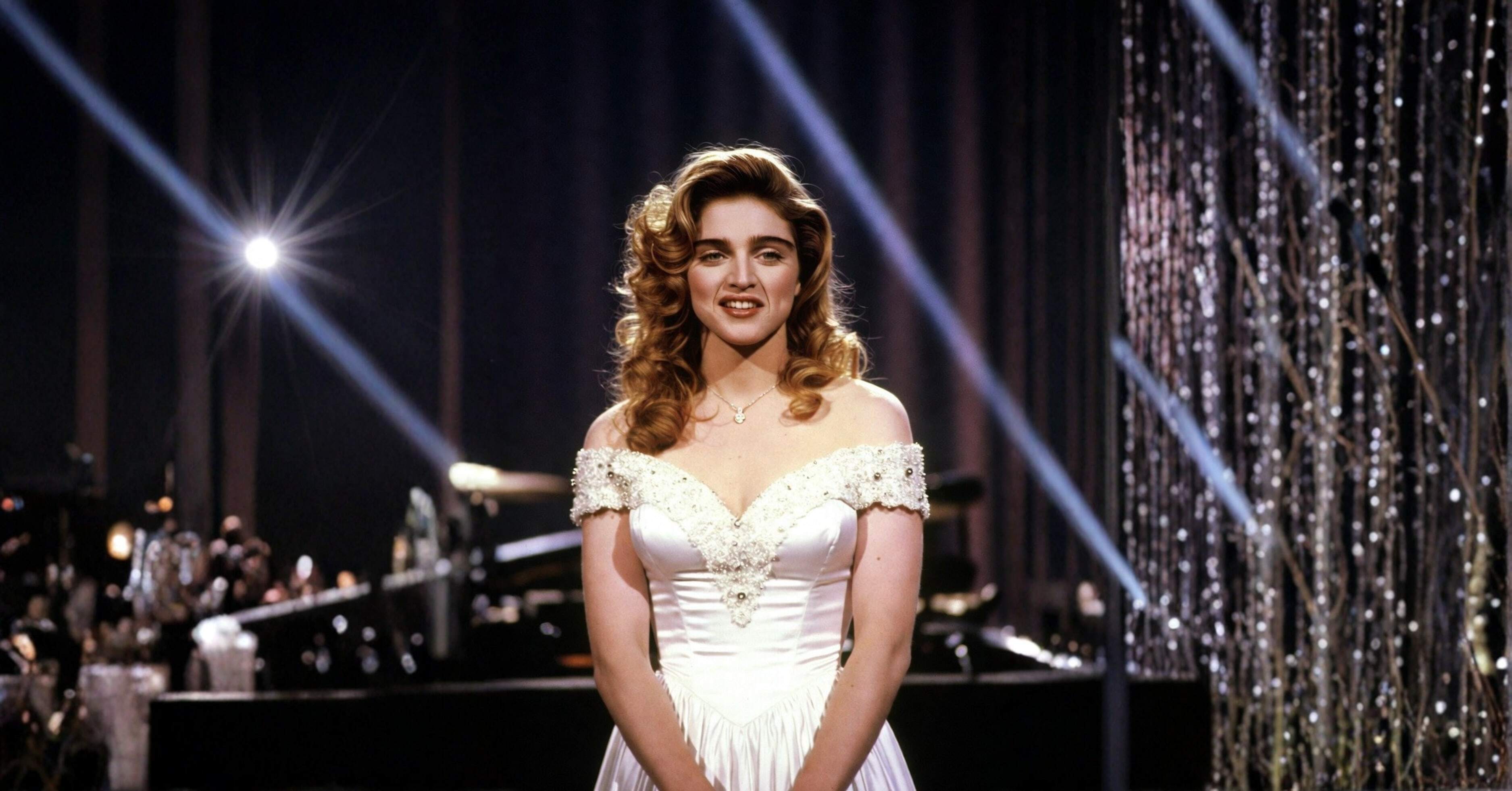
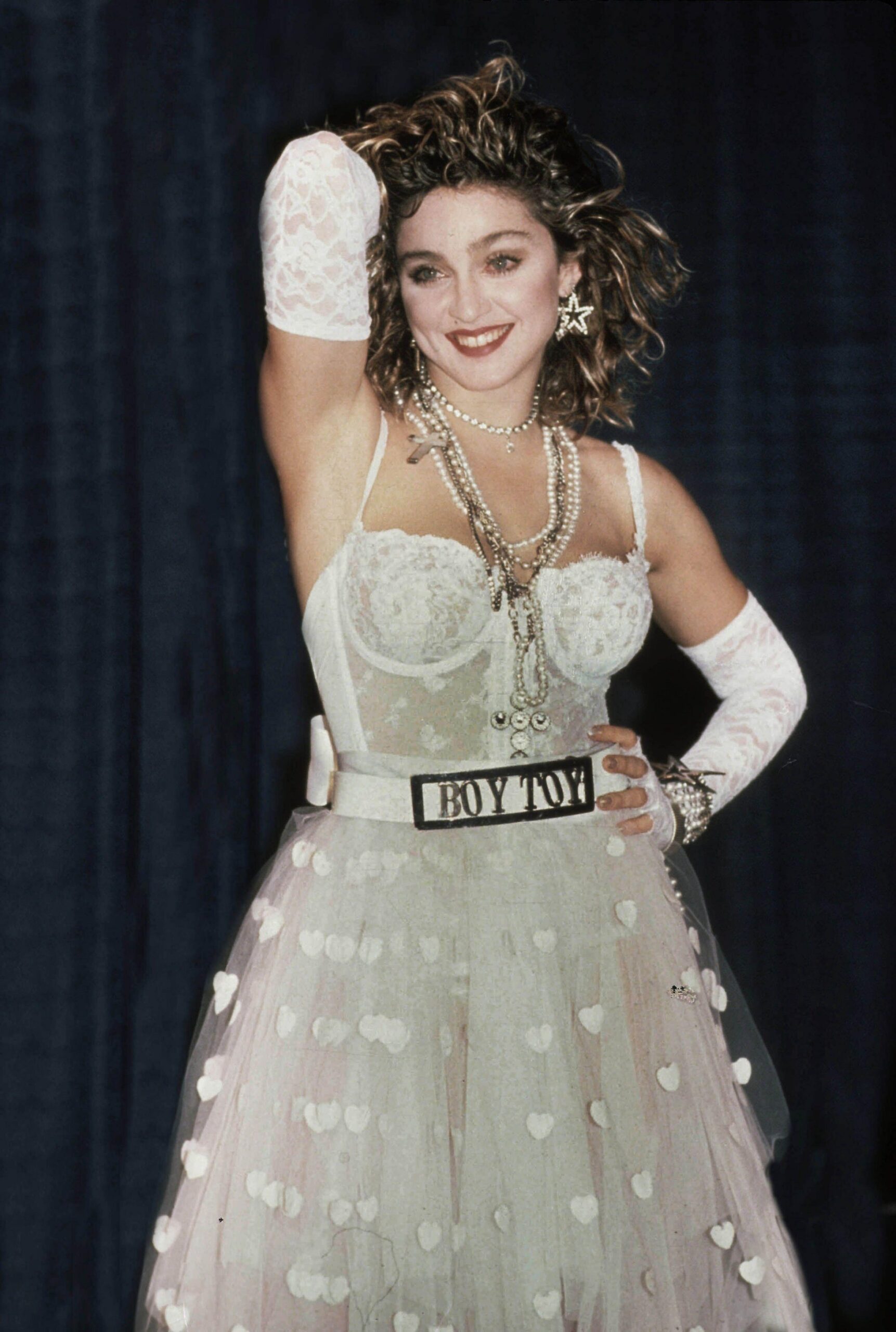
If there is one image that defines the 1984 MTV Music Awards, it is Madonna emerging from a seventeen-foot tall wedding cake. Clad in a bustier wedding dress and her signature "Boy Toy" belt, she performed "Like a Virgin" in a way that would change her career—and the VMAs—forever.
The performance is legendary for several reasons:
- The Choreography: During the performance, Madonna’s shoe came off. In an improvisational move that became iconic, she rolled around on the floor to retrieve it, turning a potential disaster into a provocative, floor-crawling sequence.
- Cultural Shock: At the time, the performance was considered highly scandalous. Critics questioned her talent and her "moral" influence, but the audience response was overwhelming.
- The Blueprint: This set the standard for the "VMA Moment"—a calculated, high-concept performance designed to generate headlines the next morning.
While Madonna stole the headlines, the night featured other significant performances. Huey Lewis and the News performed "I Want a New Drug," and Rod Stewart brought a classic rock sensibility to the stage. These performances ensured that while the show was "new," it still appealed to a broad demographic of music fans.
Winners and Nominees: The Battle of Visual Innovation
The 1984 awards were notable for the diversity of their winners. While pop stars dominated the nominations, technical innovation was the true winner of the night. Herbie Hancock’s "Rockit," directed by Godley & Creme, was the most-awarded video of the evening, taking home five statues in technical categories.
The most prestigious award, Video of the Year, went to The Cars for "You Might Think." This was a significant upset, as the video beat out heavyweights like Michael Jackson’s "Thriller" (though "Thriller" was eligible and won several other awards, its late-1983 release created a complex eligibility window). "You Might Think" was celebrated for its pioneering use of computer-generated imagery (CGI), which, while primitive by 2026 standards, was revolutionary in 1984.
Major Winners at the 1984 VMAs
| Category | Winner | Artist |
|---|---|---|
| Video of the Year | "You Might Think" | The Cars |
| Best Male Video | "China Girl" | David Bowie |
| Best Female Video | "Girls Just Want to Have Fun" | Cyndi Lauper |
| Best Group Video | "Legs" | ZZ Top |
| Best New Artist | "Sweet Dreams (Are Made of This)" | Eurythmics |
| Best Concept Video | "Rockit" | Herbie Hancock |
| Best Special Effects | "Rockit" | Herbie Hancock |
| Video Vanguard Award | David Bowie / Richard Lester | N/A |
The Technical Legacy: Designing the Moonman
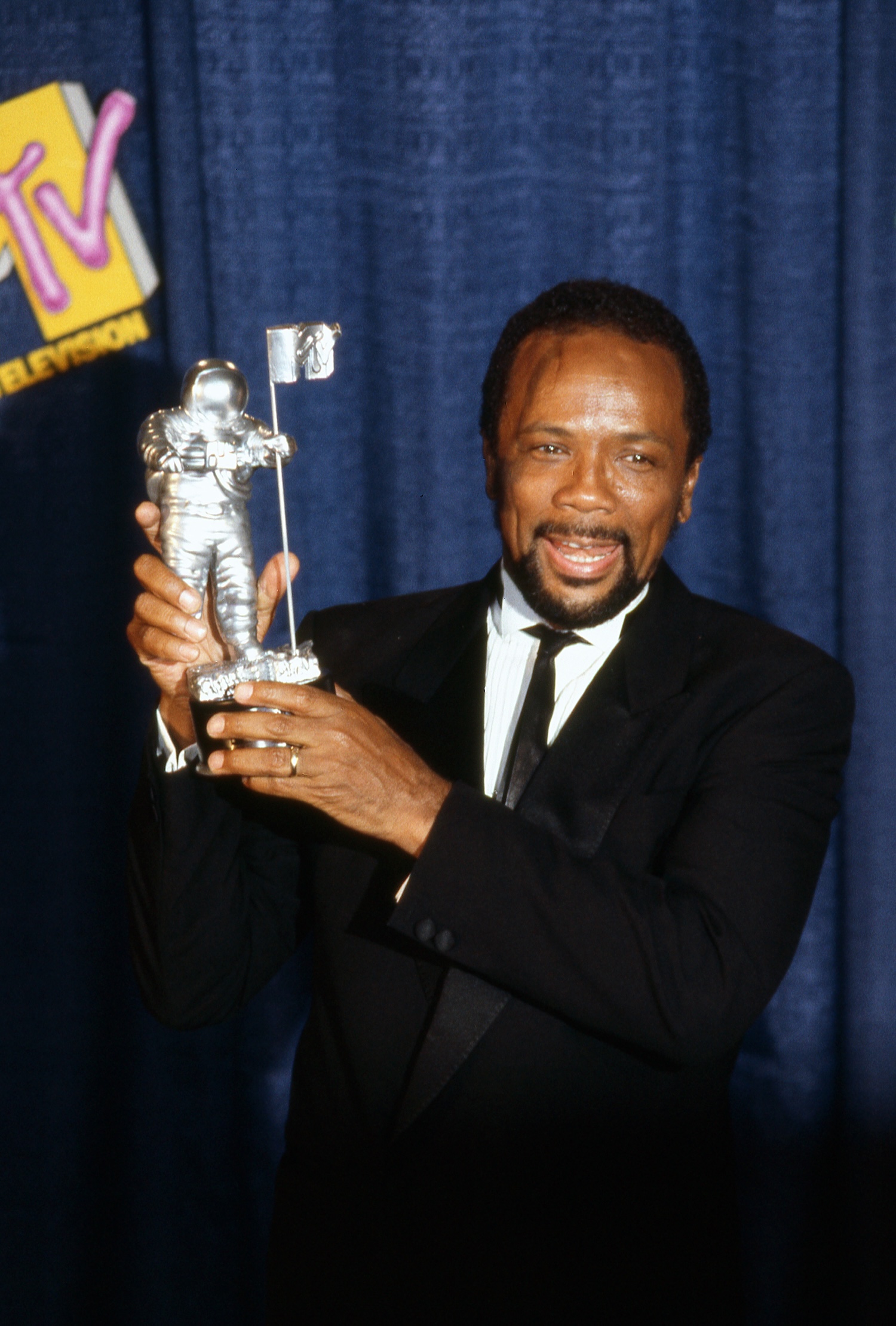
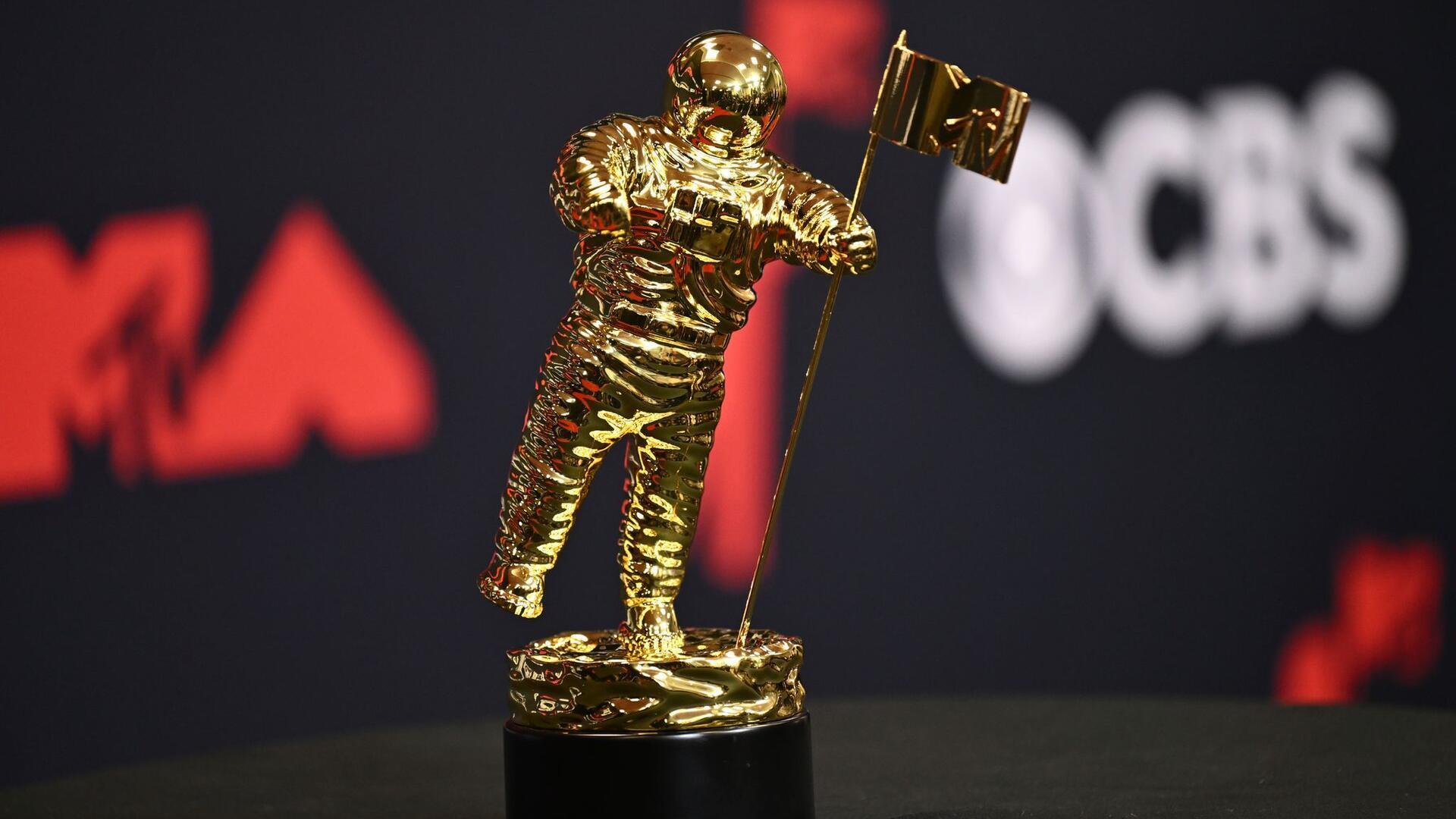
The physical award itself, the "Moonman" (now known as the Moonperson), was born in 1984. Designed by Manhattan Design—the same firm that created the original MTV logo—the trophy was based on the network's first station identification clip. That clip featured footage of the Apollo 11 moon landing with an MTV flag planted in the lunar soil.
The Moonman became an instant status symbol. Unlike the golden gramophone or the Oscar, the Moonman looked like a toy, reinforcing MTV’s connection to youth and exploration. The technical awards given that night—for Editing, Cinematography, and Art Direction—were crucial because they recognized the filmmakers behind the musicians. Directors like Godley & Creme, Mary Lambert, and Steve Barron became "MTV famous," leading to a new career path for visual artists.
Cultural Impact and the Shift in the Music Industry
The success of the 1984 VMAs proved that music was no longer just something you listened to; it was something you watched. This shift had profound implications for the industry:
- Image-Driven Success: Artists now needed a visual identity as strong as their vocal ability.
- Budget Escalation: Following the 1984 show, record labels began pouring millions of dollars into music video production, viewing them as essential rather than optional.
- Global Reach: The VMAs helped MTV expand globally, as the imagery of the show bypassed language barriers in a way that radio never could.
The 1984 ceremony also featured the first Video Vanguard Award, given to David Bowie and film director Richard Lester (known for the Beatles' films). This award signaled that MTV was interested in the history of the medium, not just the latest hits, lending the network a much-needed sense of gravitas and artistic continuity.
Frequently Asked Questions
Who won the first-ever Video of the Year?
The Cars won the first Video of the Year award for "You Might Think." The video was a technical marvel at the time, utilizing early green-screen and digital layering techniques to place band members in surreal, animated environments. It beat out Michael Jackson’s "Thriller," which many expected to win.
Why was Madonna's 1984 performance so controversial?
Madonna’s performance of "Like a Virgin" was controversial because of its suggestive choreography and her choice of attire—a wedding dress combined with lingerie elements. In the conservative cultural climate of 1984, the sight of a woman rolling on the stage in a wedding dress while singing about being "touched for the very first time" was viewed as a direct challenge to traditional values.
How many awards did Herbie Hancock’s "Rockit" win?
Herbie Hancock’s "Rockit" won five awards at the 1984 ceremony: Best Concept Video, Best Special Effects, Best Art Direction, Best Editing, and Most Experimental Video. The video, featuring robotic sculptures by artist Jim Whiting, is still cited as one of the most influential music videos in history.
Who hosted the 1984 MTV Music Awards?
The ceremony was co-hosted by Bette Midler and Dan Aykroyd. Their pairing was intended to appeal to both the comedy world (Aykroyd via Saturday Night Live and Ghostbusters) and the music/theater world (Midler).
Was Michael Jackson's "Thriller" nominated in 1984?
Yes, "Thriller" was nominated for several awards and won three: Best Choreography, Best Overall Performance, and Viewers' Choice. Despite its massive cultural impact, it lost the top prize (Video of the Year) to The Cars, a decision that remains a point of debate among music historians today.
Revisiting the 1984 VMAs Today
For those looking to explore the roots of modern pop culture, revisiting the 1984 MTV Video Music Awards is essential. While the full broadcast is not always available on standard streaming platforms due to complex music licensing issues, many of the individual performances and award segments have been archived by MTV and are often featured in retrospective specials.
Researchers and fans should look for the 40th-anniversary collections and digital archives that highlight the transition of the music video from a promotional tool to a dominant art form. To truly understand why the "VMA Moment" exists in 2026, one must look back to the night in 1984 when a girl in a wedding dress crawled across the floor of Radio City Music Hall and changed the world.