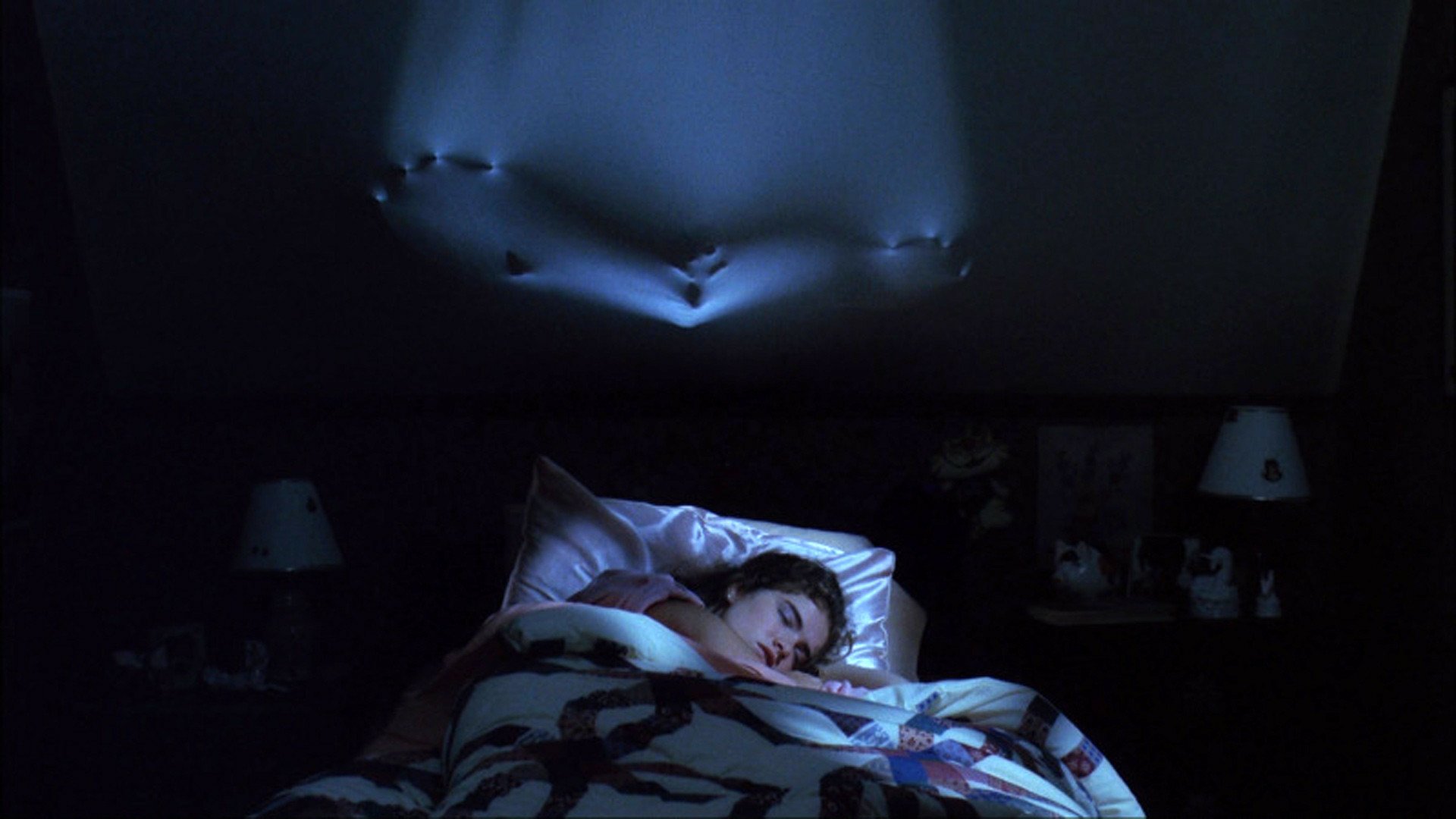
The "1980s nightmare" refers to a specific sub-genre of horror, synth-heavy media, and pop-culture critique that reimagines the neon-drenched decade as an era of profound anxiety, urban decay, and technological dread. Rather than focusing on the decade's commercial excess, this perspective explores the subterranean fears regarding surveillance, nuclear brinkmanship, and the loss of individual autonomy.
Decoding the 1980s Nightmare Aesthetic
The concept of the 1980s nightmare is fundamentally rooted in the inversion of "Synthwave" or "Retrowave" nostalgia. While popular media often paints the 1980s with a broad brush of neon colors, high-top sneakers, and synth-pop, the nightmare perspective strips away the glamour to reveal the underlying socio-political unease.
This interpretation of the decade recognizes that for many, the 1980s were not a time of carefree prosperity but a period defined by the Cold War, the rapid onset of the HIV/AIDS epidemic, and the early, destabilizing effects of corporate consolidation. Creatively, this manifests through low-fidelity production, jarring audio synthesis, and visual compositions that utilize harsh shadows rather than the bright, saturated palettes typical of commercial 80s tropes.
Cultural Drivers of 1980s Anxiety
The 1980s were a crucible of rapid technological and structural change. The transition from industrial economies to service-oriented, information-based economies created a sense of displacement. This displacement is a hallmark of the 1980s nightmare, where characters are often isolated within anonymous, sprawling urban landscapes.
The fear of the "unseen hand" became a prominent theme during this time. Whether it was the encroaching influence of multinational corporations, the pervasive reach of television news and mass media, or the existential threat of mutually assured destruction, individuals felt increasingly powerless against systemic forces. These historical realities are the bedrock upon which the aesthetic is built. By examining these factors, creators are able to ground their artistic expression in genuine, period-accurate dread.
Key Themes in the Nightmare Canon
To fully comprehend the 1980s nightmare as a thematic device, one must examine the recurrent motifs that appear across various media, including cinema, literature, and music production.
- Technological Alienation: The introduction of home computing and advanced telecommunications was often met with suspicion. In this nightmare view, technology is not a tool for connection but a medium for control, surveillance, or digital corruption.
- Urban Decay and Modernity: The stark contrast between the architectural coldness of the corporate office and the gritty, rain-slicked alleys of the inner city serves as the primary setting for this genre.
- The Loss of Truth: With the rise of the 24-hour news cycle, the distinction between reality and manufactured perception began to blur. This theme is frequently explored through characters who find themselves gaslit by the media environments they inhabit.
Comparative Analysis: The "Bright" 80s vs. The "Nightmare" 80s
The distinction between the commercial, idealized version of the 1980s and the "nightmare" version is vital for researchers and creators alike. The following table highlights these differences in thematic presentation.
| Feature | Commercial 1980s | 1980s Nightmare |
|---|---|---|
| Color Palette | Neon, Magenta, Cyan | Grayscale, Muted Earth Tones, Harsh Black |
| Technology | Empowering, Futuristic | Invasive, Manipulative, Destructive |
| Urban Setting | Vibrant, Kinetic, Energetic | Desolate, Repetitive, Claustrophobic |
| Core Emotion | Optimism and Consumerism | Paranoia and Existential Dread |
| Narrative Goal | Achievement and Success | Survival and Deconstruction of Truth |
Technical and Audio-Visual Implementation
When attempting to replicate or analyze the 1980s nightmare aesthetic in contemporary work, technical discipline is paramount. The "nightmare" look and sound are not merely about "retro" filters; they are about capturing the specific limitations of the era's technology.
In film and digital media, this often involves the emulation of analog signal degradation. Techniques such as scanline noise, chroma bleeding, and the subtle "warble" characteristic of degraded magnetic tape are essential to creating a sense of history and instability. Similarly, in audio production, avoiding the extreme clarity of modern digital workstations is key. Producers often turn to analog modeling software or hardware oscillators to capture the slightly imperfect, pulsing nature of early polyphonic synthesizers, prioritizing mood and tension over harmonic purity.
Practical Approaches for Researchers and Creators
For those looking to engage with or analyze this subject, the first step is to avoid the superficial "aesthetic" trap. Do not rely on mass-market depictions of the decade; instead, source primary documentation.
- Archival Research: Examine contemporary news reports and documentary footage from 1980–1989 to understand the prevailing fears and public discourse of the era.
- Cultural Review: Analyze late-Cold War cinema and experimental literature that specifically focused on human displacement.
- Synthesize, Don't Copy: The most successful representations of this nightmare do not mimic the past; they process the underlying anxieties of the past to comment on the present.
- Verification: When discussing specific events or technological shifts, ensure you are utilizing documentation from the relevant period rather than retrospective summaries that may be tinted by romanticism.
Frequently Asked Questions
What differentiates 1980s nightmare from general 80s horror?
General 80s horror often utilizes the decade as a backdrop for slasher or monster tropes. The 1980s nightmare as a specific thematic movement focuses on the structural, political, and technological anxieties unique to that decade, emphasizing existential dread over jump scares.
Why is 2026 the ideal time to examine this?
By 2026, the distance from the 1980s allows for a clearer historical perspective, free from the immediate pop-culture hype that dominated the 2010s and early 2020s. We are now able to categorize the era’s anxieties as distinct historical data points rather than current-day trends.
Does the "nightmare" label imply the decade was objectively worse?
No. The label is an analytical framework, not an objective historical judgment. It describes a specific mode of cultural expression that emphasizes the negative or darker aspects of the period to create a particular mood or to critique the systems that defined that time.
Are there specific technologies that represent this era best?
The cathode-ray tube (CRT) television, early mainframe computers, and analog video synthesis equipment are the most critical technologies. Their technical limitations—flicker, noise, and geometric distortion—are central to the visual language of the 1980s nightmare.
Next Action: Curating Your Primary Source Collection
To deepen your understanding or application of the 1980s nightmare, begin by building a library of authentic period-correct materials. Prioritize local newspaper archives, technical manuals for 1980s telecommunications hardware, and journals of sociopolitical commentary from the era. By grounding your creative or academic project in verified, primary-source documentation, you ensure that your work remains anchored in reality rather than descending into generic caricature.