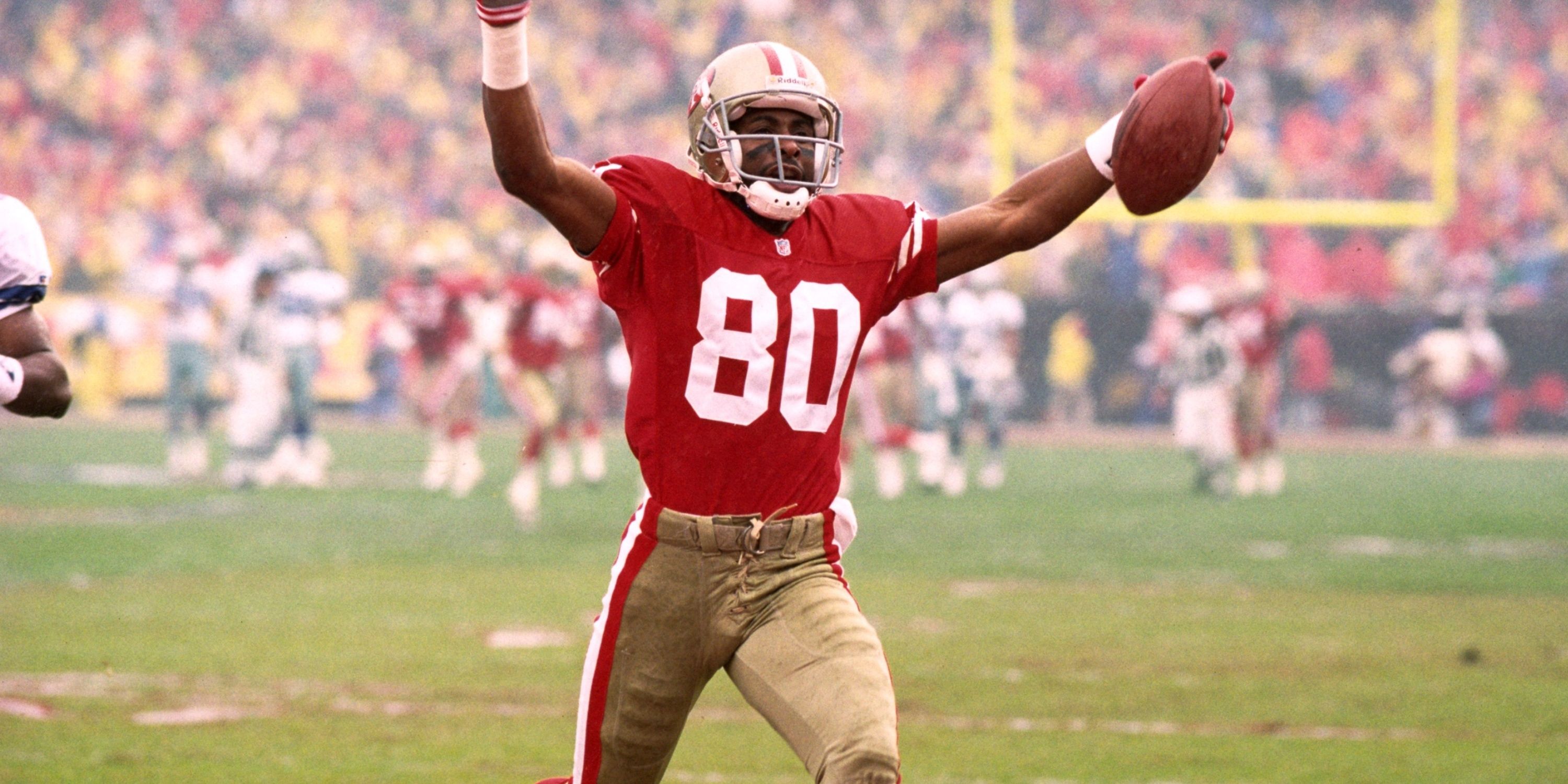
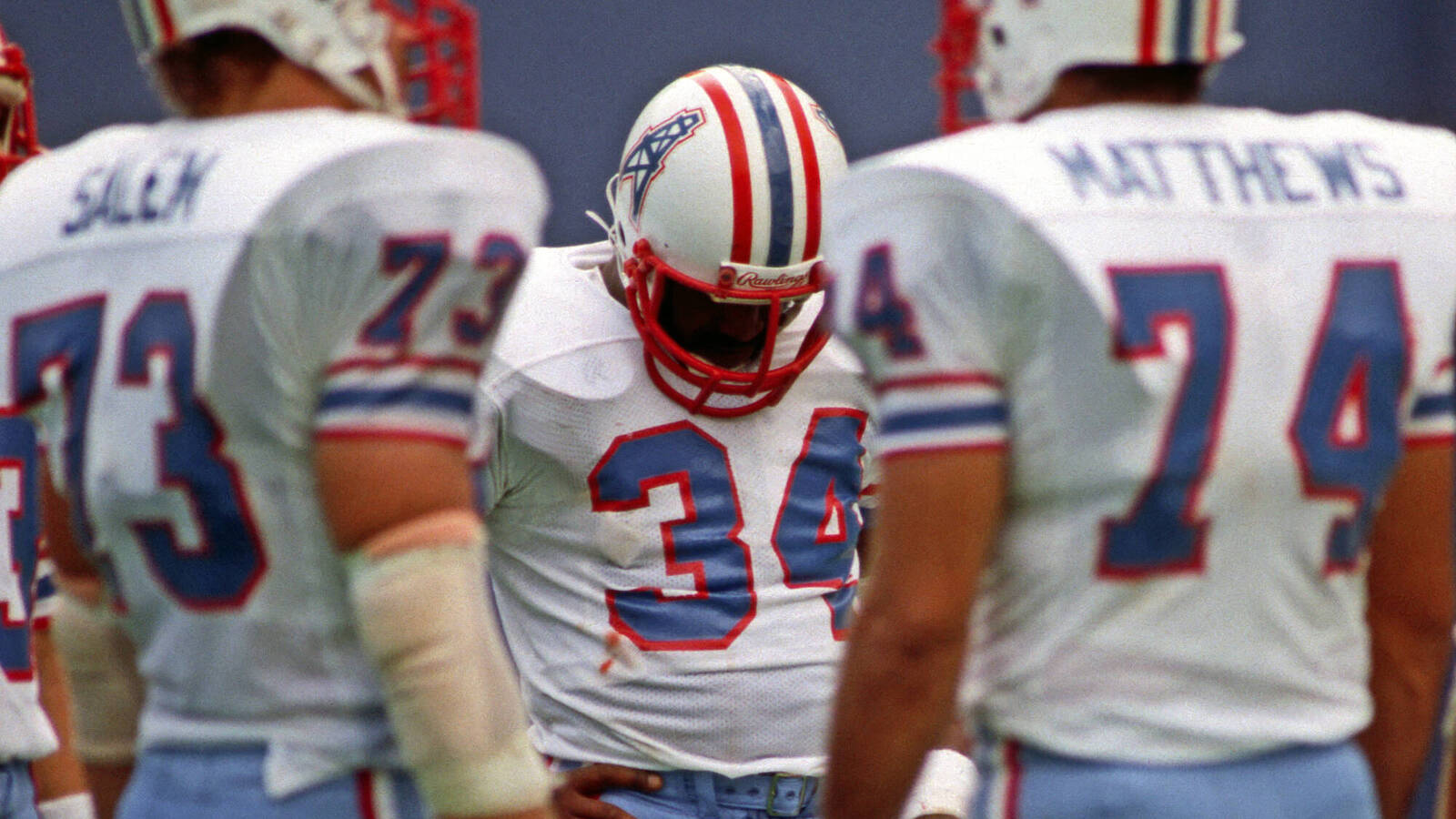
The 1980s served as a transformative decade for professional football, shifting the NFL from a ground-heavy, conservative tactical landscape into a sophisticated, high-scoring era defined by revolutionary offensive schemes and iconic defensive dominance. This period cemented the superstardom of household names and established the physical and strategic foundations of the modern game, influencing how teams evaluate talent and approach game management today.
The Strategic Evolution of the 1980s Game
The 1980s began with the lingering effects of the 1978 rules changes, which drastically limited defensive contact with receivers downfield. This legislative shift allowed players like Jerry Rice and Dan Marino to redefine statistical boundaries for passing games. Before the 1980s, the NFL was largely defined by ball-control offenses and punishing defensive backfields. By mid-decade, however, the "West Coast Offense"—pioneered by Bill Walsh in San Francisco—had become the blueprint for professional success.
This evolution necessitated a new breed of athlete. Quarterbacks were no longer just game managers; they became the focal point of complex passing attacks. Meanwhile, wide receivers transitioned from role players who blocked for the run into primary offensive weapons capable of deep-threat production. Defensive players were forced to adjust by emphasizing speed and coverage versatility over pure size, leading to the rise of specialized pass-rushing outside linebackers and agile defensive backs capable of reading complex route combinations in real-time.
Iconic Archetypes and Positional Shifts
During the 1980s, the NFL saw the maturation of specific positions that remain central to the sport in 2026. The decade highlighted the divide between traditional, gritty power football and the burgeoning "Air Coryell" style of heavy passing.
- The Franchise Quarterback: This was the decade that proved a championship-caliber team required a high-ceiling signal caller. Joe Montana’s poise and precision provided a template for accuracy, while Dan Marino’s unprecedented passing volume proved that a team could win through the air consistently.
- The Dynamic Edge Rusher: As passing volume increased, so did the value of the sack. Players like Lawrence Taylor changed the geometry of the defensive side of the ball. His ability to disrupt the pocket from the outside linebacker position forced offensive coordinators to redesign blocking schemes, giving rise to the modern emphasis on the left tackle position to protect the quarterback's blind side.
- The Multi-Purpose Running Back: While the decade still featured legendary power runners like Walter Payton and Eric Dickerson, the late 1980s saw the emergence of backs like Roger Craig, who were as lethal catching passes out of the backfield as they were running between the tackles.
Statistical Comparison: Offensive vs. Defensive Trends
The following table highlights the shift in gameplay focus that characterized the decade, comparing the average output of key positions as the era progressed from the early 1980s to the late 1980s.
| Metric | Early 1980s Average | Late 1980s Average | Impact on Game |
|---|---|---|---|
| Pass Attempts per Game | 29.5 | 32.8 | Increased reliance on aerial attacks |
| Rushing Yards per Attempt | 4.2 | 3.9 | Decline in running efficiency |
| Sacks per Game | 2.4 | 2.8 | Rise of defensive pass-rushing focus |
| Completion Percentage | 54.2% | 57.5% | Improved quarterback accuracy |
Data compiled based on historical aggregate records from the NFL official historical database.
The Role of Coaching and Personnel Philosophy
The 1980s were as much about the innovators on the sidelines as they were about the players on the field. Bill Walsh, Don Shula, and Mike Ditka implemented systems that required specific personality types and physical profiles. The "team-first" culture of the 1985 Chicago Bears, for instance, emphasized that a dominant defensive unit could carry an entire organization to a championship, a philosophy that remains a staple of team building in 2026.
Personnel departments during this era began to move toward data-driven scouting. Although modern analytical tools were non-existent, the 1980s introduced a more rigorous approach to testing physical attributes during the NFL Combine era. The focus moved beyond simple toughness toward measurable metrics like 40-yard dash times, vertical jumps, and broad jumps, which are now standard components of talent evaluation.
Longevity, Health, and Career Management
Unlike the modern era, where player safety protocols are heavily regulated and codified into the Collective Bargaining Agreement (CBA), 1980s NFL players operated in an environment where contact was more frequent and recovery practices were rudimentary. The average career length in the 1980s was significantly shorter than in 2026, largely due to the lack of modern sports science, nutrition, and advanced surgical interventions.
However, the players of this era are credited with bringing attention to the long-term physical toll of the game. Legends who dominated in the 80s often played through injuries that would cause a player to be sidelined for weeks by today's standards. This grit is frequently cited by current players and coaches as a standard for "toughness," though the league has since moved toward a more sustainable model that prioritizes the long-term health of the athlete to ensure longevity and consistent performance levels.
Frequently Asked Questions about 1980s NFL Players
How did the 1980s change the quarterback position?
The 1980s shifted the quarterback from a game manager to the primary engine of a team. Rule changes regarding pass protection and the liberalization of the passing game encouraged teams to utilize the quarterback's arm talent more than his ability to hand off the ball, leading to the high-efficiency passing offenses we see today.
Who were the most influential defensive players of the decade?
Lawrence Taylor is widely considered the most influential defensive player of the 1980s. His performance as a pass-rushing linebacker forced the NFL to rethink offensive line blocking schemes and prioritized the creation of the "blind side" tackle position to protect quarterbacks from outside pressure.
Why is the 1985 Chicago Bears defense so frequently cited?
The '85 Bears are often cited because they perfected the "46 Defense," an aggressive, blitz-heavy scheme that utilized speed and extreme physicality. Their success proved that a dominant, cohesive defensive unit could dictate the pace of every game, regardless of the opponent's offensive strategy.
Did 1980s players receive modern salary structures?
No, salary structures in the 1980s were significantly different. There was no established modern free agency for much of the decade, meaning players had little leverage to change teams. Salaries were generally lower than the league averages seen in the 2020s, and multi-year, high-value guaranteed contracts were not standard.
How does the play of 1980s running backs compare to modern backs?
1980s running backs were often the centerpieces of their offenses, carrying the ball 300+ times per season. Modern backs are utilized in a "backfield by committee" approach, prioritizing versatility in the passing game and protection over the heavy-usage, high-collision role seen four decades ago.
Identifying and Studying Historical Performances
For those looking to analyze the game of this era, the best approach is to focus on game film from high-stakes contests, such as the playoff runs of the San Francisco 49ers or the Washington Redskins. Watching these games provides a visual understanding of how spacing, route running, and defensive zone coverage have changed.
When reviewing 1980s performance, it is helpful to cross-reference statistics with the context of the era—specifically the lack of "protected" receivers and the more physical nature of defensive secondary play. To effectively research specific players or team dynamics, use the official NFL historical records or reliable third-party archives that maintain year-by-year game logs. Understanding these players is not just an exercise in nostalgia; it is essential for grasping the tactical foundations that govern the NFL in 2026.