1980s literature is defined by a shift toward postmodern experimentation, the rise of minimalism, and the emergence of post-colonial voices. This era balanced high-concept metafiction with gritty realism, responding to the rapid sociopolitical changes of the decade by challenging traditional narrative structures and exploring the fragmentation of the human experience in an increasingly consumerist society.
The Shift Toward Postmodernism and Metafiction
The literature of the 1980s did not emerge in a vacuum; it served as a direct intellectual successor to the fragmented styles of the 1960s and 70s. During this period, writers increasingly turned to metafiction—a narrative technique where the author self-consciously addresses the devices of fiction, effectively blurring the lines between the story being told and the act of telling it.
Authors such as Italo Calvino, whose later works continued to influence the decade, and Salman Rushdie, particularly with the 1981 publication of Midnight’s Children, fundamentally altered the landscape of English-language literature. Rushdie’s work brought "magical realism" into a more global context, using it not merely as a decorative element, but as a political tool to rewrite national histories. This period saw a transition where the "Grand Narrative"—the overarching, authoritative account of history—was systematically dismantled in favor of smaller, more localized, and often contradictory personal perspectives.
The Rise of Minimalist Realism
In stark contrast to the dense, sprawling complexity of postmodernists, the 1980s also heralded a resurgence of stark, pared-down prose. Often labeled "Dirty Realism," this movement focused on the mundane lives of the working class and the disenfranchised. Writers like Raymond Carver, whose collections such as Cathedral (1983) defined the decade, mastered the art of the short story by stripping away exposition and flowery metaphor.
This movement was a reaction against the excess of the era, reflecting the bleakness and emotional sterility that some felt permeated the Reagan-Thatcher political climate. These authors prioritized "the thing itself," believing that the internal lives of characters were best revealed through brief, punchy dialogue and clinical observations of daily habits rather than long-winded psychological introspection.
Post-Colonial Voices and Cultural Expansion
The 1980s marked a pivotal moment for post-colonial literature, as voices from Africa, the Caribbean, and India gained unprecedented traction in the global literary market. Literature in the 1980s became a vehicle for addressing the legacy of empire and the identity crises inherent in post-independence nations.
Writers like Buchi Emecheta, Ben Okri, and Jamaica Kincaid used the written word to challenge Western-centric perspectives. This literature functioned as a form of cultural reclamation, moving away from colonial tropes and toward authentic depictions of indigenous experience. In the classroom and the bookstore, this expansion meant that the canon was no longer the sole property of the Western tradition, setting the stage for the more inclusive literary studies that followed in the 1990s and beyond.
Technological and Market Influences on Publishing
The business of literature underwent significant transformation during the 1980s, driven by the emergence of the "blockbuster" publishing model. The decade saw the rise of large media conglomerates acquiring independent publishing houses, which shifted the industry’s focus toward high-volume, high-profit titles.
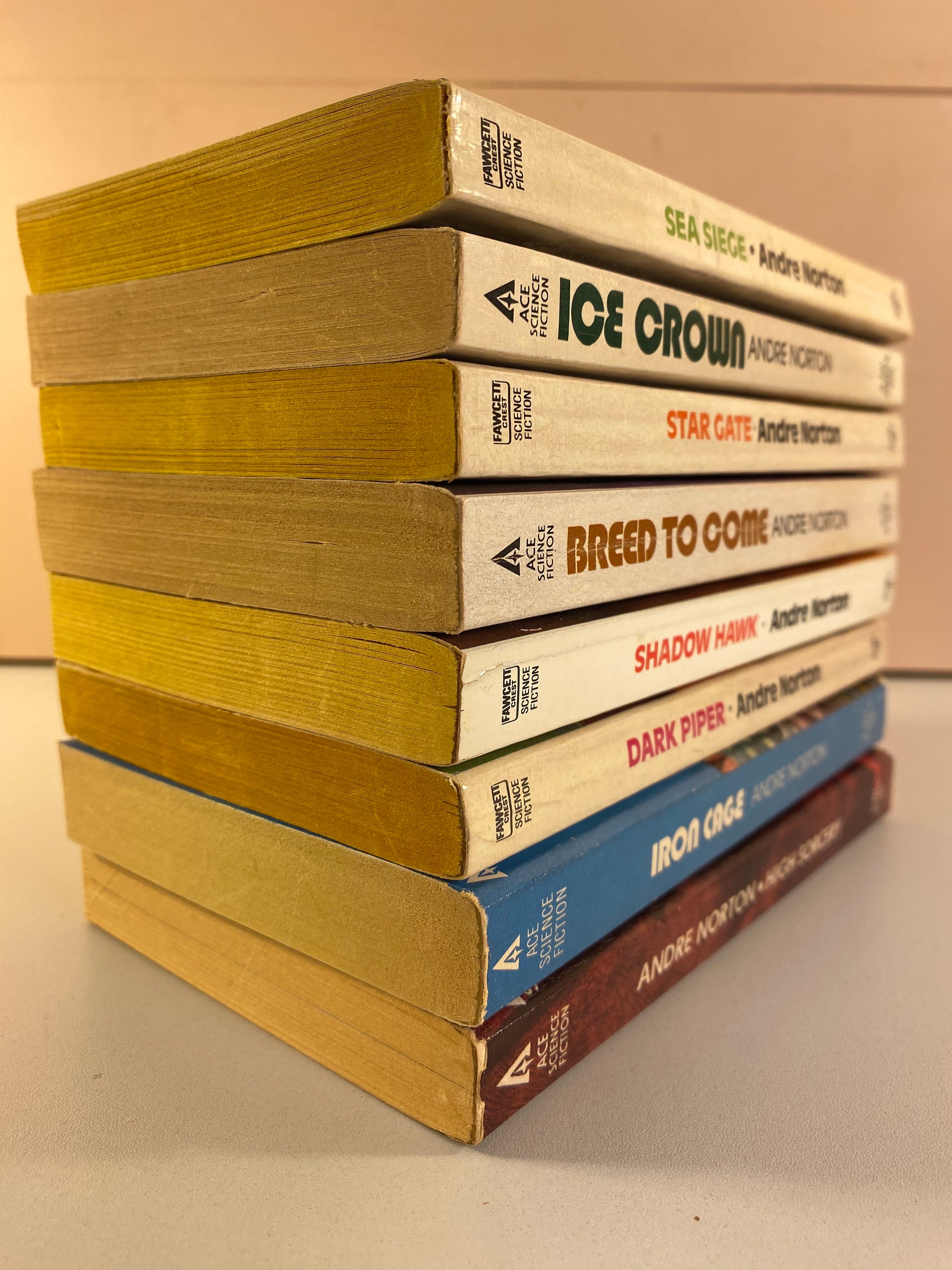
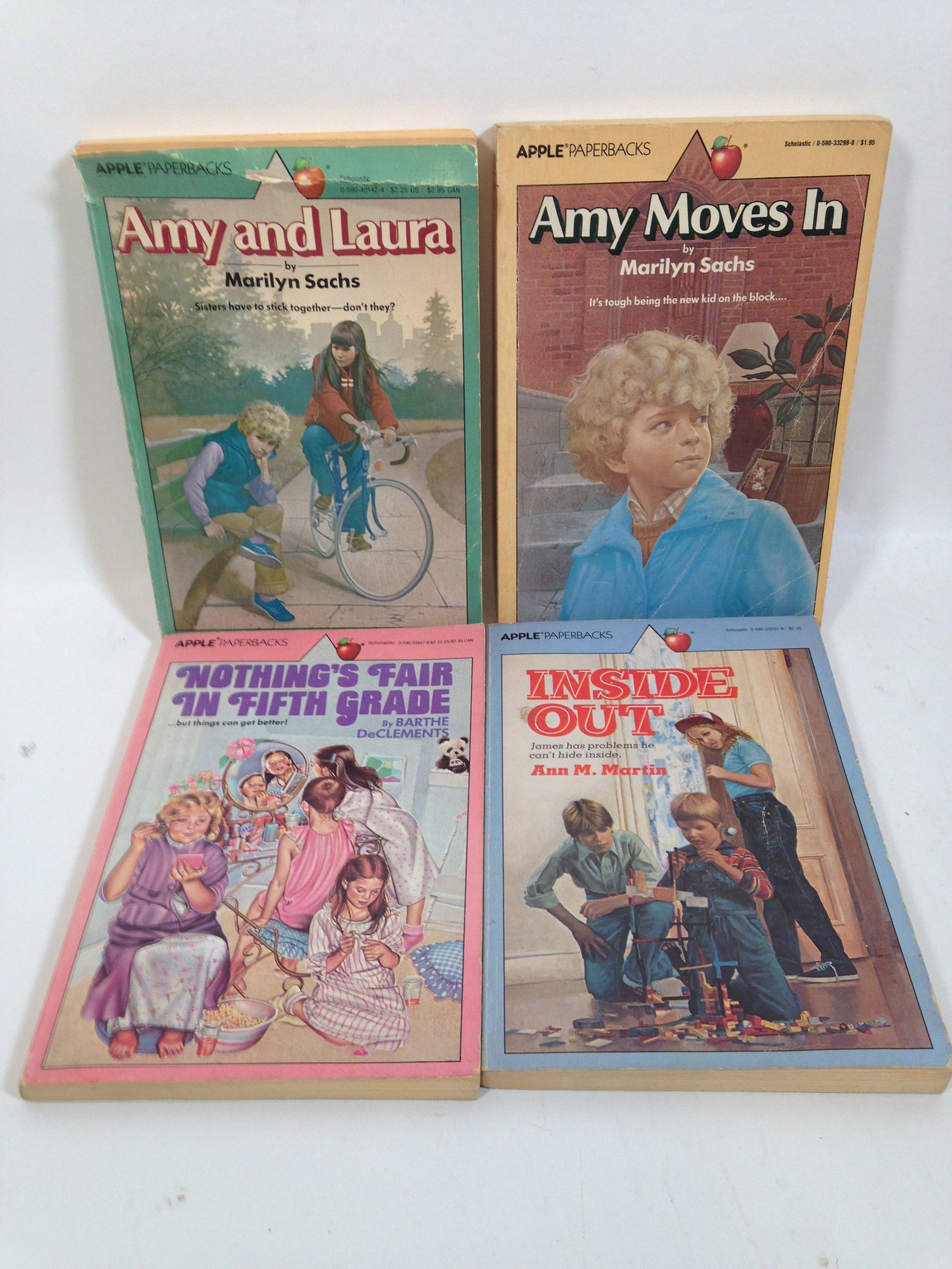
This environment created a paradox for writers: while specialized niche presses continued to flourish, the mainstream market began to favor books with clear target demographics and strong "crossover" potential. The rise of the trade paperback—a larger, more durable, and better-designed version of the traditional mass-market paperback—allowed literary fiction to reach wider audiences. These books were marketed as lifestyle accessories, matching the consumerist ethos of the time, and were increasingly found in large bookstore chains rather than just independent local shops.
Comparative Overview of 1980s Literary Movements
To understand the diversity of the decade, it is useful to compare the foundational approaches of the primary movements that dominated the shelf space.
| Movement | Core Focus | Key Technique | Representative Author |
|---|---|---|---|
| Postmodernism | Meta-commentary on reality | Irony & Pastiche | Salman Rushdie |
| Dirty Realism | Working-class experience | Sparse, minimalist prose | Raymond Carver |
| Post-Colonial | National identity & Empire | Subverting colonial tropes | Jamaica Kincaid |
| Techno-Thriller | Scientific & Cold War anxiety | High-stakes pacing | Tom Clancy |
Addressing Cold War Anxiety and the Thriller Genre
Beyond the purely academic or "literary" fiction, the 1980s produced a massive output of popular genre fiction that mirrored the geopolitical tensions of the late Cold War. The techno-thriller, popularized by authors like Tom Clancy with the 1984 release of The Hunt for Red October, became a defining category of the era.
These books satisfied a specific reader need: the desire for technical precision, geopolitical realism, and the reassurance of order in a world defined by the threat of nuclear annihilation. While critics often dismissed these works as disposable, they were essential to the literary zeitgeist of the 1980s. They provided a structured, binary view of the world—Good vs. Evil, West vs. East—that contrasted sharply with the ambiguity offered by their contemporary literary fiction counterparts.
Identifying Key Research Directions for 1980s Literature
For researchers or students diving into this era, it is important to distinguish between archival sources and contemporary criticism. Because the 1980s was a period of rapid change, the best way to understand the literature is to consult a mix of primary sources:
- Periodical Reviews: Accessing archives of The New York Times Book Review or The London Review of Books from the era provides context on how these works were received in real-time.
- Literary Prizes: Examining the shortlists and winners of the Booker Prize (now the Booker Prize for Fiction) throughout the decade highlights which voices were considered "seminal" by the establishment.
- Genre Journals: For those interested in the explosion of pulp and genre fiction, early issues of Locus or similar genre-focused magazines offer a window into the industry’s internal discussions.
Understanding the "Loss of History"
One of the most persistent themes in 1980s literary criticism is the concept of "the loss of history," a term popularized by thinkers like Fredric Jameson. Critics argued that the literature of the time suffered from a lack of historical depth, relying instead on nostalgia and pastiche.
When reading 1980s works, observe how the author interacts with the past. Is the past treated as a fixed entity, or is it constantly reinvented? This inquiry is essential for understanding why 1980s literature feels simultaneously modern and strangely distant. The tension between the desire to document a rapidly changing world and the impulse to retreat into the safety of the past remains the hallmark of the era.
Next Steps for Your Literary Study
If you are beginning a deep dive into 1980s literature, your first step should be to define your scope. Are you interested in the aesthetic shifts of the literary novel or the sociopolitical impact of the era’s popular fiction?
- Select a Primary Text: Choose one representative novel from a chosen movement (e.g., White Noise by Don DeLillo for postmodernism or Cathedral by Raymond Carver for minimalism).
- Consult Secondary Criticism: Once you have read the primary text, consult a library database for academic articles published after the 1980s to see how the work’s standing has evolved.
- Compare Media Context: Look for film adaptations of 1980s literature; comparing the screen version to the original text often reveals how the "visual language" of the 80s influenced the reception of its literature.