The year 1978 marked a transformative turning point for the global film industry, bridging the gap between the gritty, director-driven auteur cinema of the early 1970s and the emergence of the high-concept, blockbuster-dominated studio model. While 1977 had established the modern summer tentpole with Star Wars, the 1978 film slate proved that the industry could simultaneously sustain gritty social realism, terrifying independent horror, sophisticated romantic comedy, and sprawling international co-productions. This cinematic era reshaped box office economics, redefined genre boundaries, and left an enduring imprint on modern popular culture.
The Economic and Industrial Shifts of Late 1970s Cinema
By the late 1970s, major Hollywood studios were actively reconfiguring their production strategies in response to shifting demographic trends and changing audience expectations. The runaway success of blockbusters earlier in the decade demonstrated that massive financial returns were possible through targeted marketing, saturation booking, and merchandising. However, 1978 maintained a fascinating dual identity. Alongside early blueprints for commercial blockbusters, studios continued to finance risky, mid-budget adult dramas and gritty crime thrillers that reflected the cultural anxieties of the post-Watergate, post-Vietnam era.
Independent production companies and foreign distributors also exerted considerable influence over the 1978 film market. Independent filmmakers discovered that genre cinema—particularly horror—could yield extraordinary profit margins outside the traditional studio gatekeeping system. Meanwhile, international art-house directors continued to challenge American sensibilities, creating a vibrant cultural exchange that enriched the global cinematic vocabulary. This multi-tiered market structure ensured that 1978 released films catering to a vast spectrum of artistic tastes, from multiplex-seeking teenagers to discerning critics attending international festivals.
Paradigm-Shifting Horror: How Low Budgets Redefined the Box Office
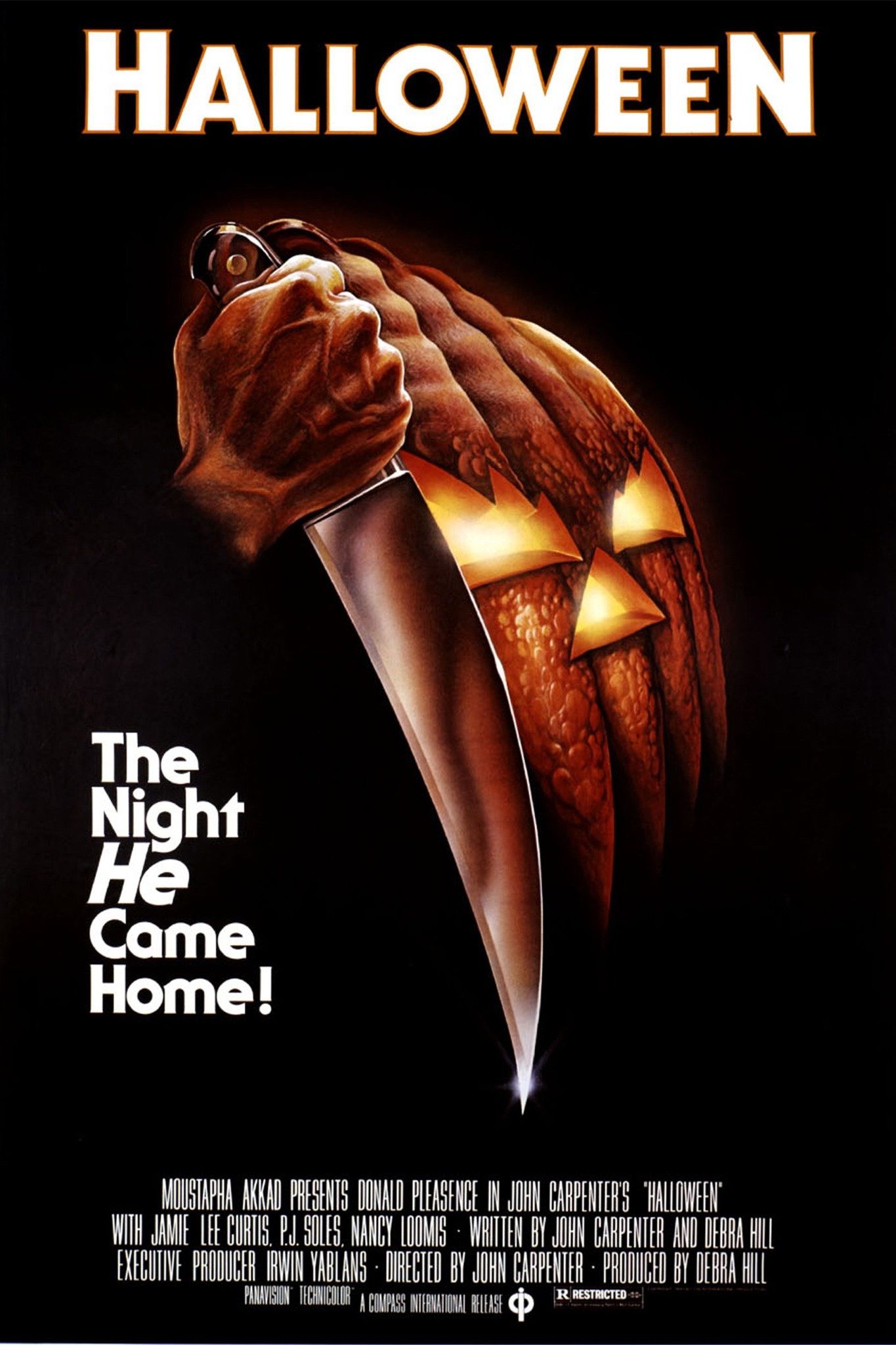
No genre exemplifies the commercial and artistic volatility of 1978 cinema quite like horror. The release of John Carpenter’s Halloween in October 1978 fundamentally altered the economic and structural DNA of the genre. Produced on a famously modest budget, the film utilized atmospheric tension, Panavision framing, and an iconic synthesizer score to bypass traditional graphic violence in favor of sustained suspense. Halloween popularized the slasher subgenre, spawning decades of imitative franchises while proving that independent productions could out-compete major studio releases through sheer visceral impact.
At the same time, other horror releases in 1978 pushed psychological and physical boundaries. Philip Kaufman’s sci-fi horror masterpiece Invasion of the Body Snatchers offered a paranoid, deeply cynical allegory for the erosion of human empathy in modern urban environments. By transplanting the classic 1950s premise to contemporary San Francisco, Kaufman blended special effects innovation with bleak thematic resonance. These horror milestones demonstrated that audiences in 1978 craved cinematic experiences that directly engaged with societal distrust, isolation, and existential dread.
Critical Acclaim and the Maturity of 1978 Dramas
Away from the chills of the horror genre, 1978 was an extraordinary year for mature, character-driven dramatic storytelling. Michael Cimino’s The Deer Hunter captured the psychological devastation of the Vietnam War through an immersive, three-hour epic that dominated the subsequent Academy Awards. The film examined the fracturing of an American working-class community, anchoring its sprawling narrative in raw performances by Robert De Niro, Christopher Walken, and Meryl Streep.
Concurrently, films like Hal Ashby’s Coming Home addressed the homefront realities of returning veterans with unprecedented emotional nuance and social empathy. The following comparison illustrates how diverse production models and genres coexisted during this pivotal cinematic year:
| Film Title | Primary Genre | Production Scale | Defining Cultural Impact |
|---|---|---|---|
| Halloween | Horror / Slasher | Independent / Low-Budget | Popularized independent filmmaking models and launched the modern slasher franchise era. |
| The Deer Hunter | War Drama | Studio / Major Release | Captured post-Vietnam cultural trauma and won multiple Academy Awards, including Best Picture. |
| Grease | Musical / Romance | Studio / Commercial | Defined late-70s youth culture, becoming the highest-grossing film of its release year worldwide. |
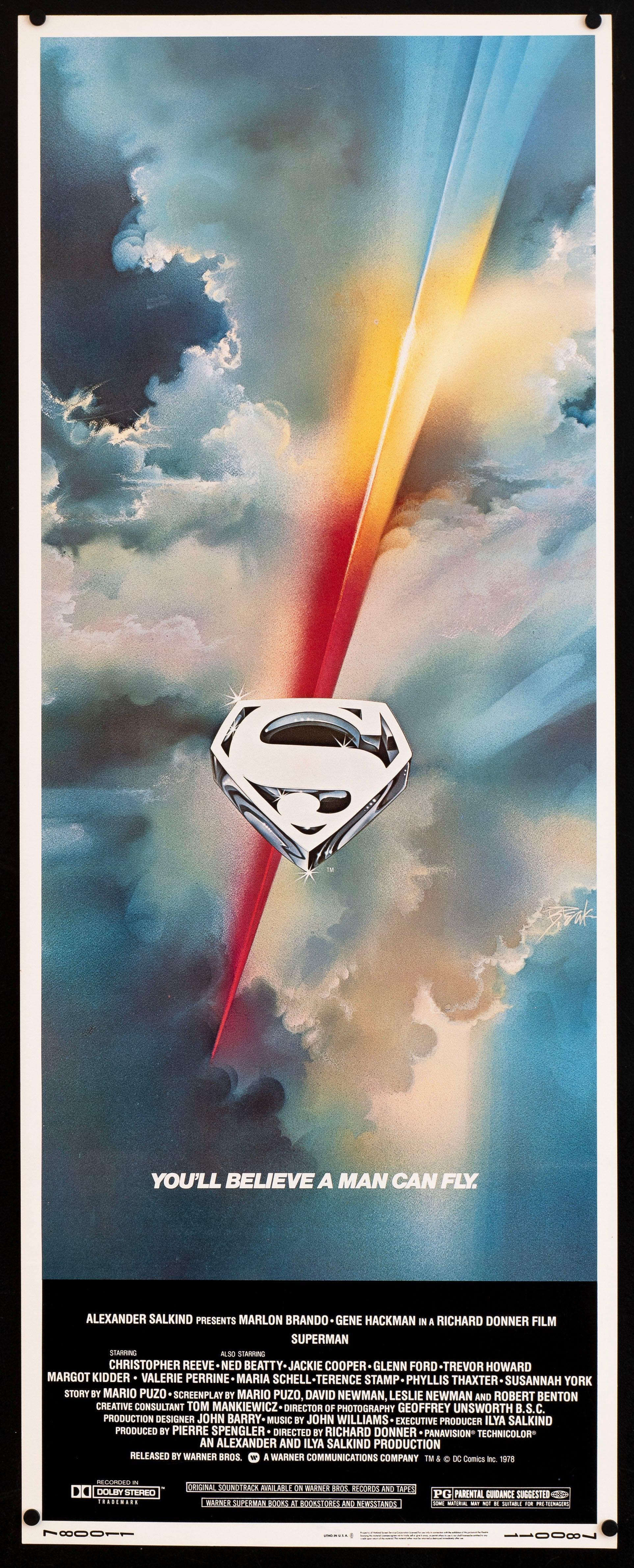
| Superman | Superhero / Adventure | Studio Blockbuster | Proved that comic book adaptations could achieve epic scale, critical praise, and massive box office success. |
The Birth of the Modern Superhero and Commercial Blockbuster
While gritty dramas dominated critical conversations, 1978 also birthed the template for the modern superhero blockbuster. Richard Donner’s Superman validated the comic book adaptation as a prestige cinematic enterprise. Anchored by the famous marketing slogan "You'll believe a man can fly," the production combined state-of-the-art optical effects, an unforgettable John Williams musical score, and a majestic performance by Christopher Reeve to bridge the gap between campy serials and mythic storytelling.
In the musical arena, Grease dominated global box offices, capitalizing on nostalgia for the 1950s while delivering a slick, highly marketable soundtrack that resonated across generations. These commercial juggernauts proved that studios could manufacture four-quadrant hits by pairing recognizable intellectual property with massive marketing campaigns. The financial triumph of these titles cemented the seasonal release strategy that continues to govern modern theatrical distribution.
International Cinema and Auteur Milieu of 1978
Beyond Hollywood, the international film landscape of 1978 was defined by masterworks from legendary auteurs who continued to push artistic boundaries. European cinema offered profound explorations of memory, politics, and human relationships. Ingmar Bergman’s Autumn Sonata delivered a blistering, claustrophobic chamber drama exploring maternal neglect, featuring powerhouse performances by Ingrid Bergman and Liv Ullmann. In Italy, master filmmakers continued to refine distinct national genres, blending political commentary with striking visual poetry.
These international releases reminded global audiences that cinema remained a vital medium for philosophical inquiry. Film festivals in Cannes, Venice, and Berlin served as crucial vetting grounds where foreign films gained critical momentum before securing international distribution. The cross-pollination between American genre innovators and European art-house veterans during this period ensured a rich aesthetic diversity across the entire cinematic ecosystem.
Frequently Asked Questions
What were the highest-grossing films released in 1978?
The highest-grossing film worldwide released in 1978 was the musical romantic comedy Grease, which captured global cultural attention and broke numerous box office records. Other top-earning films of that year included Richard Donner's Superman, the poignant drama National Lampoon's Animal House, and the blockbuster adventure Jaws 2.
Which 1978 film won the Academy Award for Best Picture?
The Deer Hunter, directed by Michael Cimino, won the Academy Award for Best Picture at the 51st Academy Awards held in 1979. The film also earned Academy Awards for Best Director, Best Supporting Actor for Christopher Walken, Best Film Editing, and Best Sound.
How did the 1978 film Halloween influence modern horror?
John Carpenter’s Halloween established many tropes that became standard for the slasher subgenre, including the masked unstoppable killer, the focus on young suburban victims, and a sustained synth-driven musical motif. Its independent financial success also proved that low-budget horror could achieve massive commercial distribution.
Are there notable international films from 1978 that remain critically acclaimed?
Yes, notable international releases from 1978 include Ingmar Bergman’s Autumn Sonata (Höstsonaten), Ermanno Olmi’s Palme d'Or-winning Italian masterpiece The Tree of Wooden Clogs (L'albero degli zoccoli), and Terrence Malick’s visually stunning American period drama Days of Heaven.
Why is 1978 considered an important transitional year in film history?
The year 1978 acted as a bridge between the gritty, director-driven character studies of early-1970s Hollywood and the emergence of high-concept, franchise-driven blockbusters. It demonstrated that studios could successfully market big-budget comic book adaptations and musicals while independent creators simultaneously revolutionized genre filmmaking.
Navigating and Studying 1978 Cinema Today
For researchers, cinephiles, and aspiring filmmakers examining the cinematic landscape of 1978, the primary objective is recognizing the period's profound duality. Exploring this era requires looking past modern blockbuster formulas to appreciate the risk-taking independent spirit and uncompromising artistic vision that defined late-1970s filmmaking. To fully understand contemporary media production, students of film should analyze how the commercial mechanics of Superman and Grease operate alongside the psychological depth of The Deer Hunter and Invasion of the Body Snatchers, revealing a historical moment when commercial ambition and artistic integrity achieved a rare, enduring equilibrium.