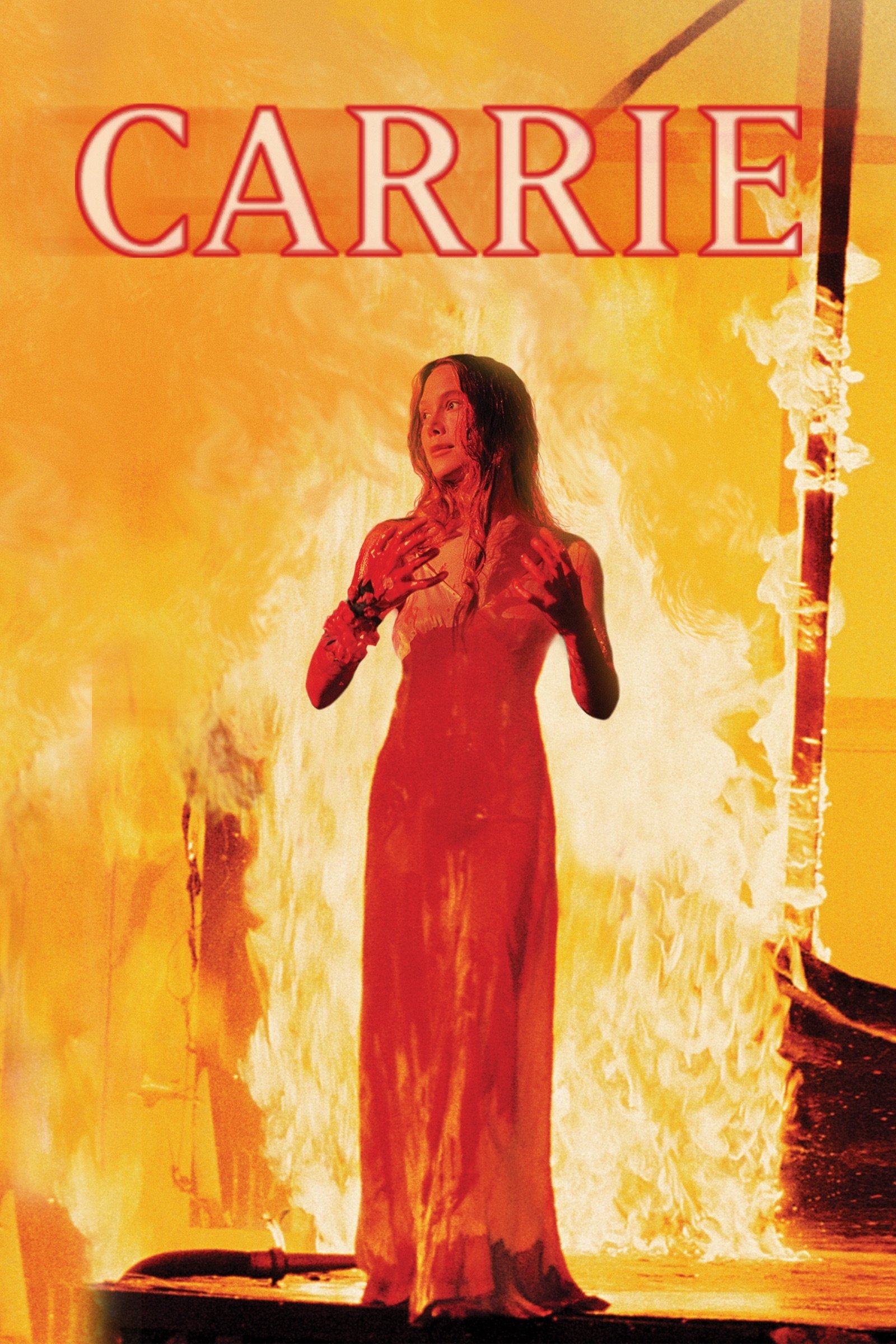
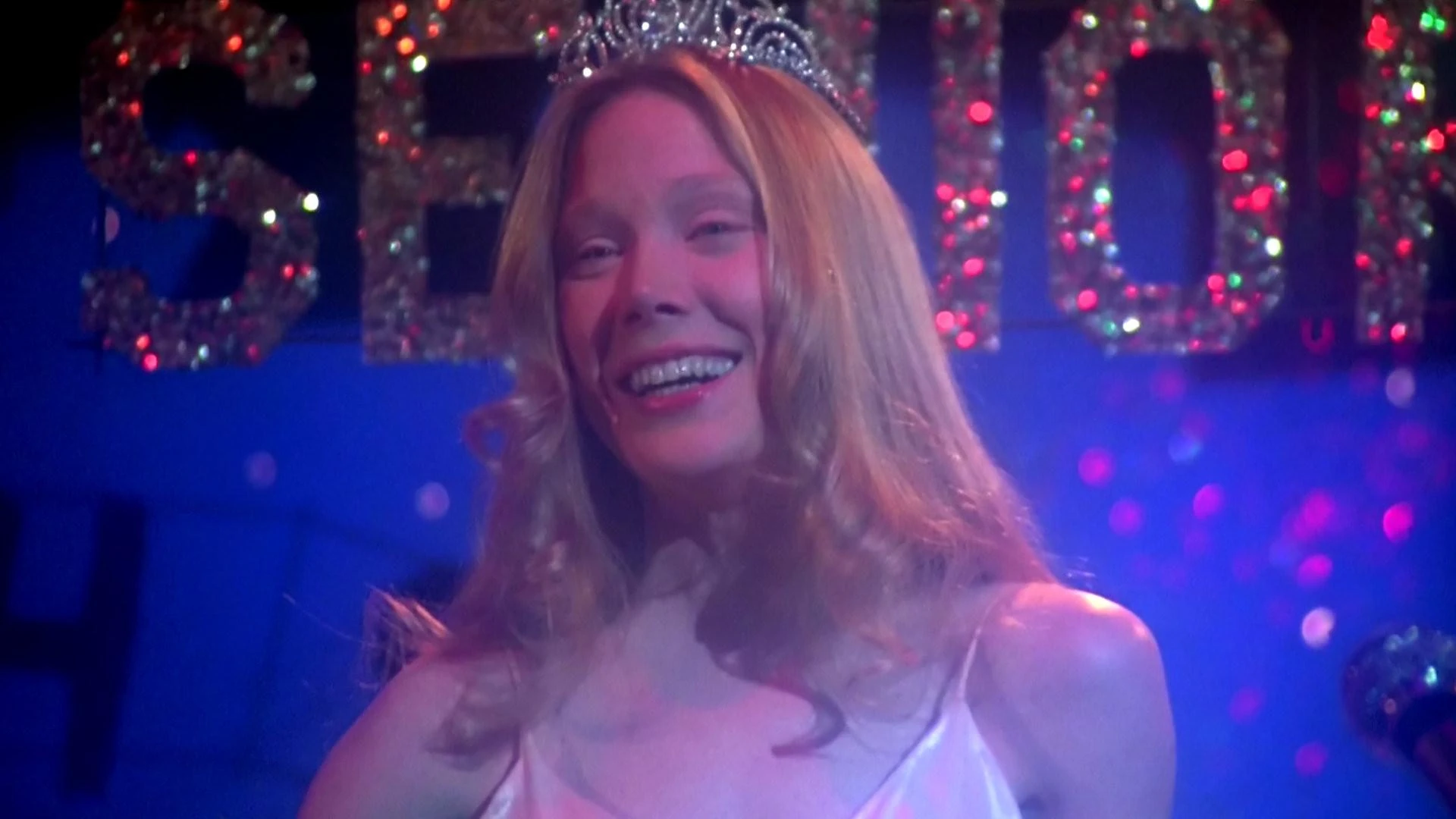
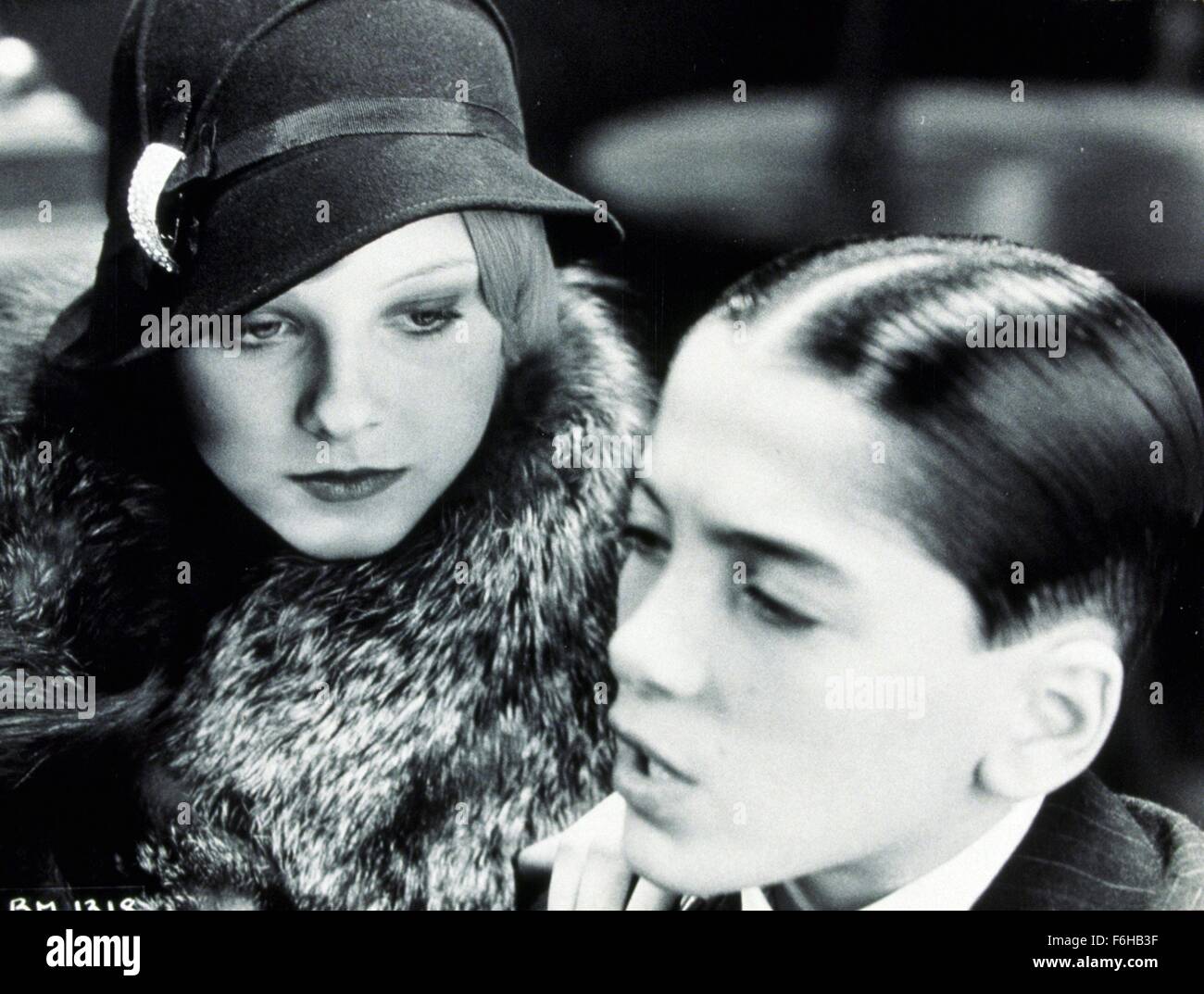
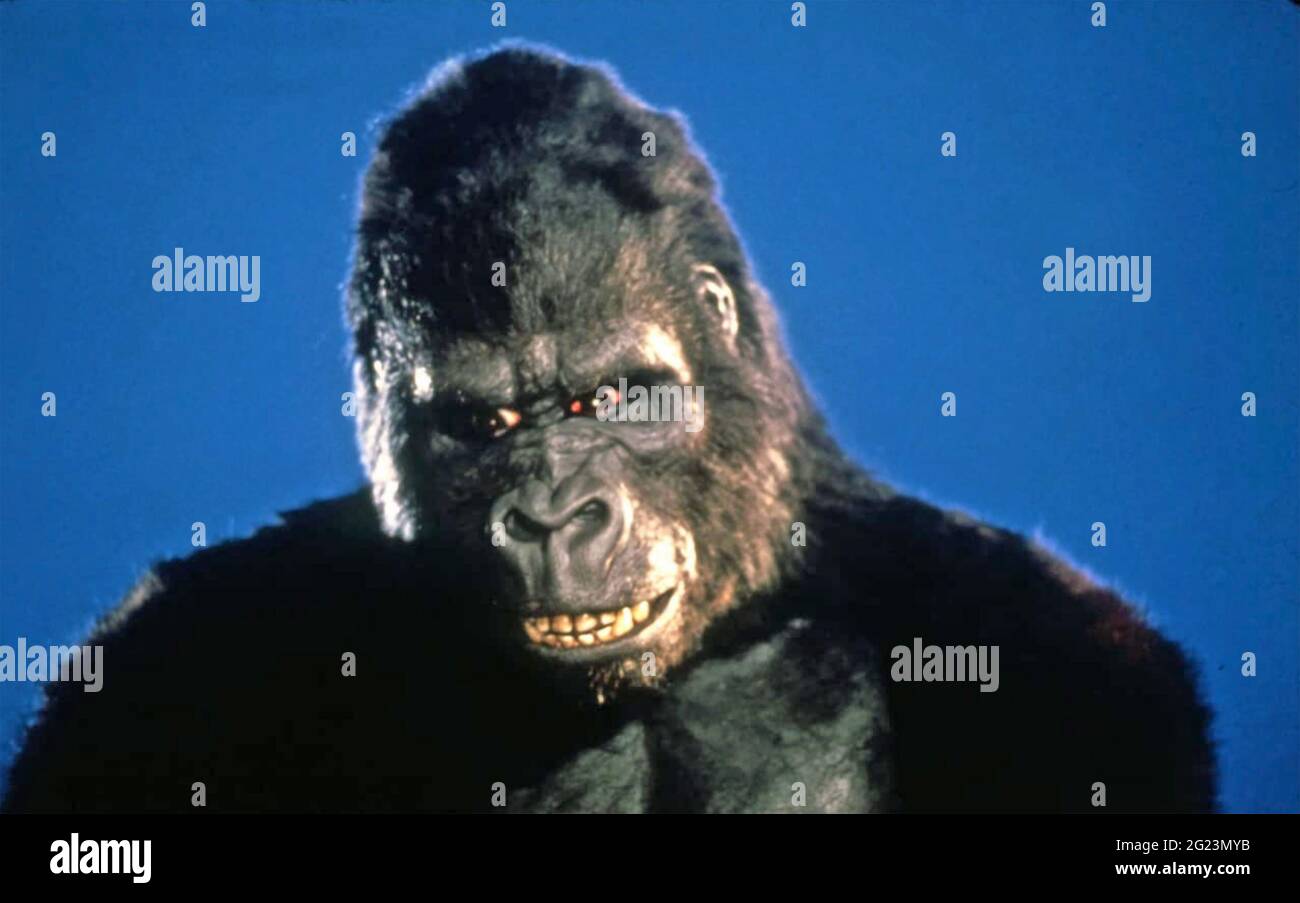
The year 1976 stands as a monumental turning point in cinema history, bridging the gritty auteur-driven renaissance of New Hollywood with the birth of the modern commercial blockbuster era. This transitional twelve-month period produced several critically acclaimed masterpieces that challenged societal norms, alongside foundational commercial hits that forever altered the financial mechanics and distribution strategies of the global film industry.
The Cultural and Industrial Landscape of Mid-1970s Cinema
To understand the films released in 1976, one must examine the economic and artistic pressures shaping Hollywood at the time. The early and mid-1970s were defined by the New Hollywood movement, where a younger generation of film school-educated directors—such as Martin Scorsese, Francis Ford Coppola, and Robert Altman—wielded unprecedented creative control. Studios were recovering from financial instability caused by runaway productions in the late 1960s, creating an opening for risky, morally complex, and director-driven narratives.
By 1976, however, the commercial landscape was beginning to shift. The massive success of The Godfather (1972) and Jaws (1975) demonstrated that studios could reap immense profits from high-concept, heavily marketed releases designed to appeal to mass audiences across nationwide saturation bookings. Consequently, 1976 films reflected a fascinating tension: deeply personal, cynical character studies shared theater marquees with early experiments in high-concept commercial filmmaking and gritty urban thrillers reflecting post-Vietnam and post-Watergate disillusionment.
Defining Masterpieces and Critical Landmarks
Several motion pictures released in 1976 achieved enduring status as cinematic milestones, heavily influencing subsequent generations of filmmakers. These productions explored psychological decay, systemic corruption, and existential alienation with unsparing realism.
Taxi Driver
Directed by Martin Scorsese and written by Paul Schrader, Taxi Driver follows Travis Bickle, an isolated and mentally unstable Vietnam War veteran working as a cab driver in a morally decayed New York City. The film is celebrated for its expressionistic cinematography by Michael Chapman, Bernard Herrmann’s haunting final musical score, and Robert De Niro's iconic lead performance. Taxi Driver captured the paranoia and urban anxiety of the era, ultimately winning the prestigious Palme d'Or at the 1976 Cannes Film Festival and securing four Academy Award nominations.
Network
Sidney Lumet’s satirical drama-comedy Network, written by Paddy Chayefsky, offered a prescient critique of television broadcasting, corporate media consolidation, and the commodification of human outrage. Peter Finch delivered a legendary, Academy Award-winning performance as news anchor Howard Beale, whose televised mental breakdown turns him into a prophet of the airwaves. The film's famous catchphrase, "I'm as mad as hell, and I'm not going to take this anymore," resonated deeply with contemporary audiences experiencing widespread economic and political cynicism.
Rocky
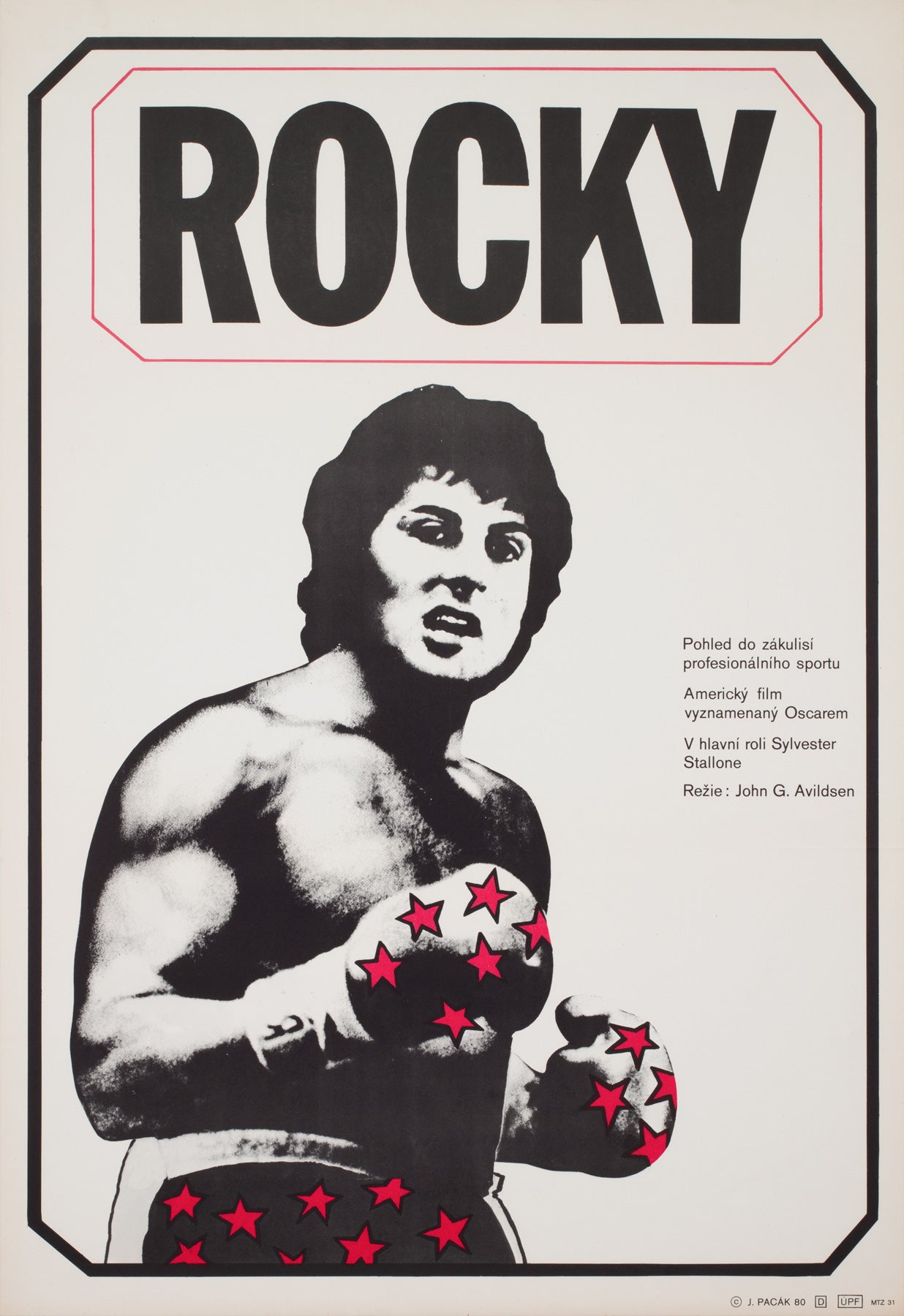
In stark contrast to the bleakness of Taxi Driver and Network, John G. Avildsen’s Rocky revitalized the classic Hollywood underdog sports drama. Written by and starring Sylvester Stallone, the film tells the story of Rocky Balboa, a small-time club fighter in Philadelphia who receives an unexpected shot at the heavyweight championship. Produced on a modest budget, Rocky became a cultural phenomenon, the highest-grossing film of 1976, and won the Academy Award for Best Picture, cementing Stallone's status as a major international star and proving the enduring viability of inspirational storytelling.
Commercial Hits and Genre Shifts
Beyond the major awards contenders, 1976 was characterized by diverse genre experiments and box-office performers that laid the groundwork for future cinematic trends.
Horror cinema continued its evolution following the template set by The Rosemary's Baby and The Exorcist. Richard Donner’s The Omen introduced audiences to sleek, big-budget supernatural horror, pairing a high-profile cast led by Gregory Peck with Jerry Goldsmith’s Oscar-winning choral score. The film grossed over $60 million domestically and established supernatural thrillers as reliable summer event programming.
In the realm of science fiction and action, the mid-1970s paved the way for the digital and special-effects spectacles of the coming decade. While George Lucas was deep in production on Star Wars for a 1977 release, 1976 saw films like Michael Anderson’s Logan's Run capture the public imagination with its dystopian vision of a society that executes its citizens upon turning thirty. Logan's Run demonstrated audience appetite for speculative science fiction, winning a Special Achievement Academy Award for its visual effects.
| Film Title | Director | Primary Genre | Key Accolades / Significance |
|---|---|---|---|
| Taxi Driver | Martin Scorsese | Psychological Thriller | Palme d'Or winner; 4 Academy Award nominations |
| Network | Sidney Lumet | Satirical Drama | 4 Academy Award wins, including Best Actor and Actress |
| Rocky | John G. Avildsen | Sports Drama | Academy Award for Best Picture; box office champion |
| All the President's Men | Alan J. Pakula | Political Thriller | 4 Academy Award wins; definitive journalistic procedural |
| The Omen | Richard Donner | Supernatural Horror | Major commercial success; iconic Jerry Goldsmith score |
Political Cinema and Historical Dramas
The mid-1970s political landscape directly influenced cinematic output, with filmmakers examining institutional power, journalistic integrity, and historical memory.
Alan J. Pakula’s All the President's Men stands as the definitive cinematic account of investigative journalism. Based on the nonfiction book by Carl Bernstein and Bob Woodward, the film chronicles the Washington Post reporters' investigation into the Watergate break-in. Starring Robert Redford and Dustin Hoffman, the film combined meticulous procedural realism with taut thriller pacing, earning eight Academy Award nominations and reinforcing the vital role of a free press in a democratic society.
Similarly, Hal Ashby’s Bound for Glory offered a biographical portrait of folk singer Woody Guthrie during the Great Depression, utilizing striking cinematography by Haskell Wexler that earned him an Academy Award. These films demonstrated that Hollywood was still willing to invest heavily in serious, socially conscious historical narratives that engaged directly with political themes.
Legacy and Long-Term Impact on Modern Cinema
The cinematic output of 1976 continues to serve as an essential touchstone for film scholars, historians, and contemporary creators. The year represents a historical high-water mark where commercial viability and uncompromising artistic vision frequently overlapped within major studio slates.
As the industry shifted toward high-concept, high-budget franchise filmmaking in the late 1970s and 1980s, the adult-oriented dramas and gritty character studies of 1976 became rarer commodities. Consequently, modern retrospectives often view the films of this era with a sense of nostalgia, recognizing them as products of a unique historical moment when major studios routinely financed complex, challenging narratives for mainstream audiences.
Frequently Asked Questions
What was the highest-grossing film released in 1976?
Rocky, directed by John G. Avildsen and starring Sylvester Stallone, was the highest-grossing film released in 1976. Produced on a budget of roughly $1 million, it grossed over $225 million worldwide and became a defining cultural phenomenon of the decade.
Which film won the Academy Award for Best Picture for films released in 1976?
Rocky won the Academy Award for Best Picture at the 49th Academy Awards held in March 1977, competing against fellow 1976 masterworks such as Network, Taxi Driver, and All the President's Men.
How did the political climate of the mid-1970s influence 1976 films?
The aftermath of the Vietnam War and the Watergate scandal fostered a pervasive sense of institutional distrust and paranoia among American audiences. Filmmakers responded by creating cynical, morally ambiguous urban thrillers like Taxi Driver and rigorous journalistic procedural dramas like All the President's Men.
Were there any major international or foreign-language films of note released in 1976?
Yes, international cinema produced several notable works in 1976, including Eric Rohmer's The Marquise of O in France and Nagisa Oshima’s controversial Japanese masterpiece In the Realm of the Senses, which challenged international censorship standards and reshaped discussions around eroticism in art house film.
Where can modern audiences watch films from 1976 today?
Most major critically acclaimed films from 1976 are widely available on physical media via boutique home video distributors like The Criterion Collection, Warner Archive, and Arrow Video, as well as various subscription streaming platforms and digital video-on-demand storefronts.
Navigating and Studying 1976 Cinema Today
For researchers, cinephiles, and students looking to explore the cinema of 1976 comprehensively, prioritize viewing the major studio releases alongside lesser-known independent features and documentaries from the same year. Investigating original production records, contemporary trade reviews from publications like Variety, and retrospective analyses will provide a well-rounded understanding of how this pivotal transitional year continues to shape contemporary cinematic art and industry practices.