The year 1974 stands as a watershed moment for cinematic adaptations, bridging the gap between classical Hollywood studio traditions and the gritty, auteur-driven aesthetic of New Hollywood. During this twelve-month period, filmmakers transformed celebrated novels, journalistic exposés, stage plays, and historical milestones into enduring motion pictures that frequently eclipsed their source material in the public consciousness.
The Cultural and Industrial Context of 1974 Cinema
The mid-1970s marked a profound shift in how Hollywood approached intellectual property. Rather than relying solely on sanitized studio formulas, major production houses handed creative control to a new generation of film school graduates and independent directors. This shift altered the execution of 1974 film adaptations. Instead of treating source texts as rigid blueprints, filmmakers dissected them, extracting psychological underpinnings, political anxieties, and social critiques that resonated with post-Watergate, post-Vietnam audiences.
Studios were increasingly willing to finance risky, challenging properties because previous literary-to-screen transitions had proven that adult-oriented storytelling could yield both critical acclaim and massive box office returns. This economic reality fostered an environment where complex moral ambiguity replaced black-and-white heroism. The resulting films did not merely illustrate books or plays; they reinterpreted them through the hyper-realistic lens of 1970s cinema, utilizing location shooting, natural lighting, and unvarnished character studies.
Landmark Literary Adaptations on Screen
Literary translations from 1974 span multiple genres, demonstrating the versatility of source material from this era. Two towering examples illustrate the dual paths of prestige drama and commercial thriller filmmaking: Francis Ford Coppola’s adaptation of Mario Puzo’s The Godfather Part II (which, while partially a sequel, heavily adapted remaining framing narrative elements and structural motifs from the novel) and Jack Clayton’s atmospheric take on F. Scott Fitzgerald’s The Great Gatsby.
While The Godfather Part II expanded the mythological scope of its literary predecessor through an original screenplay combined with Puzo's unadapted historical backstories, other literary transfers focused on psychological claustrophobia. For instance, theatrical and novelistic properties were selected specifically for their ability to project contemporary paranoia onto historical or domestic canvases. The era favored narratives where institutional corruption, personal obsession, and fate intersected.
| Film Title | Source Material Type | Original Author / Creator | Key Adaptation Focus |
|---|---|---|---|
| The Great Gatsby | Novel (1925) | F. Scott Fitzgerald | Romantic tragedy, class critique, and period aesthetics |
| Chinatown | Original Screenplay (Styled on Noir) | Robert Towne | Institutional corruption and historical pastiche |
| Murder on the Orient Express | Novel (1934) | Agatha Christie | Whodunit mystery and ensemble star vehicle |
| The Taking of Pelham One Two Three | Novel (1973) | John Godey (Morton Freedgood) | Urban thriller and bureaucratic procedure |
Translating Investigative Journalism and True Crime
Beyond traditional fiction, 1974 proved instrumental in establishing the viability of adapting non-fiction, investigative journalism, and true-crime accounts into high-stakes narrative features. The success of these projects relied on maintaining the journalistic integrity of the source while restructuring real-world events into compelling three-act dramatic arcs.
Filmmakers recognized that contemporary audiences craved a sense of authenticity. By adapting recent historical events and journalistic investigations, movies could tap into collective cultural anxieties regarding government overreach, systemic failure, and urban decay. This approach transformed dry reports and procedural accounts into tense, fast-paced dramas that challenged viewers to question the authorities and institutions shaping their everyday lives.
Stage-to-Screen Transitions and Theatrical Influences
The conversion of Broadway plays and theatrical productions into feature films remained a vital studio pipeline in 1974, though these adaptations discarded the static, proscenium-arch staging of earlier decades. Directors applied cinematic grammar—dynamic camera movement, rapid editing, and location-based realism—to dialogue-heavy stage works, opening up closed environments without losing the theatrical intensity of the original scripts.
These theatrical transfers relied heavily on strong ensemble casts and sharp, rhythmically precise dialogue. By bringing stage properties to the wide screen, studios expanded the reach of contemporary drama, exposing regional and international audiences to prominent theatrical playwrights and complex interpersonal conflicts that would have otherwise remained confined to metropolitan theater districts.
Critical Reception, Box Office Impact, and Legacy
The financial and critical performance of 1974 film adaptations cemented their place in cinematic history. Many of these titles dominated the subsequent Academy Awards ceremonies, proving that adaptations could satisfy both highbrow critical standards and commercial multiplex demands. The box office triumphs demonstrated that audiences were eager to engage with morally grey characters, intricate plotting, and cynical resolutions.
Furthermore, the long-term legacy of these films persists in how modern Hollywood approaches intellectual property. The 1974 slate established a blueprint for respectful yet daring re-interpretation, showing that the best adaptations capture the thematic essence of a text rather than executing a literal page-to-screen transcription.
Frequently Asked Questions About 1974 Film Adaptations
What were the most commercially successful film adaptations released in 1974?
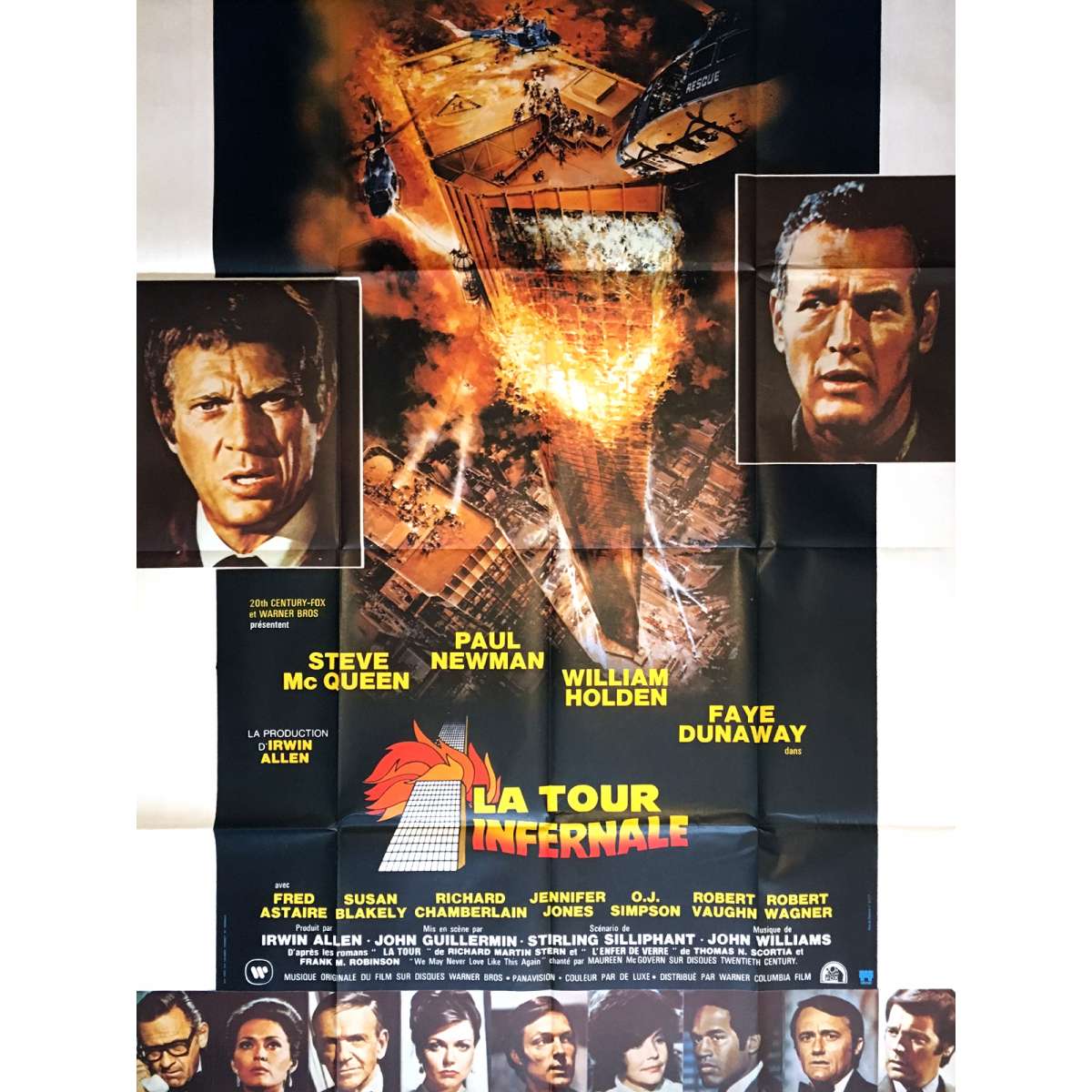
Commercial success in 1974 was led by high-profile releases like The Towering Inferno (adapted from the novels The Tower by Richard Martin Stern and Glass Inferno by Frank M. Robinson and Thomas N. Scortia) and Sidney Lumet’s star-studded adaptation of Agatha Christie’s Murder on the Orient Express, both of which dominated global box office charts and resonated strongly with mainstream audiences.
How did 1974 adaptations differ from earlier studio-era literary translations?
Unlike the heavily censored and stylized literary adaptations of the classic Hollywood studio era, 1974 films embraced New Hollywood realism, utilizing unvarnished location shooting, moral ambiguity, explicit social critique, and mature thematic elements that reflected contemporary societal disillusionment.
Were there notable non-fiction or journalistic adaptations in 1974?
Yes, non-fiction and journalistic accounts heavily influenced 1974 cinema. Filmmakers adapted contemporary social issues, historical events, and true-crime reporting into tense dramatic features, capitalizing on public demand for gritty realism and institutional critique in post-Watergate American culture.
How did stage plays transition to film during 1974?
Stage plays adapted in 1974 broke away from static, theater-bound framing by utilizing dynamic cinematic techniques, location shooting, and fluid camera movement, thereby expanding closed theatrical spaces into expansive cinematic environments while preserving the sharp dialogue of the original stage works.
Why do film historians view 1974 as a crucial year for adaptations?
Film historians view 1974 as a pivotal year because the adaptations released during this period successfully merged commercial viability with uncompromising artistic vision, setting a high benchmark for how source material could be creatively reinterpreted for modern cinematic audiences.
Selecting and Analyzing Classic Screen Material Today
When exploring or reviewing motion pictures from this era, researchers and film enthusiasts must evaluate the source-to-screen relationship by analyzing how directors altered pacing, character motivations, and resolutions to fit visual storytelling mediums. To gain a comprehensive understanding of any 1974 adaptation, one should read the original source text first, note the specific socio-political context of the production year, and examine contemporary critical reviews to see how audiences of the era received the cinematic translation.