The year 1967 marked a pivotal turning point for global cinema, characterized by the dismantling of long-standing censorship codes, the rise of radical independent counter-culture storytelling, and the birth of the New Hollywood movement. This era redefined cinematic narratives, visual styles, and audience expectations across international markets.
Understanding the historical, cultural, and technical landscape of a 1967 film requires looking past individual box-office figures to examine how motion pictures mirrored deep societal transformations. During this period, traditional studio systems in Hollywood faced unprecedented financial pressures, prompting executives to cede creative control to a younger, more daring generation of filmmakers. Simultaneously, international art-house cinemas in Europe, Japan, and developing industries achieved critical mass, introducing narrative ambiguity and stylistic experimentation that permanently altered the medium.
The Socio-Political and Industrial Context of 1967 Cinema
The mid-to-late 1960s was an era of intense political unrest, generational divides, and cultural revolution. The Vietnam War, the civil rights movement, changing gender roles, and the counterculture youth movement created an audience hungry for authentic, challenging art. Traditional Hollywood motion pictures, bound by the rigid Production Code (the Hays Code), struggled to address these contemporary realities.
By 1967, the Hays Code was effectively dying, culminating in its official replacement by the Motion Picture Association of America (MPAA) rating system in November 1968. This regulatory shift allowed a 1967 film to explore taboo subjects—such as explicit sexuality, systemic violence, moral ambiguity, and anti-authoritarianism—with unprecedented freedom. Major studios, experiencing steep financial losses from bloated historical epics and musicals that failed to connect with younger demographics, inadvertently funded low-budget, high-risk projects that captured the zeitgeist.
Landmark Releases and Aesthetic Shifts
The cinematic output of 1967 introduced structural and stylistic innovations that influenced generations of filmmakers. Directors abandoned linear, neatly resolved narratives in favor of fractured editing, open-ended conclusions, and morally complex protagonists who often defied traditional heroic archetypes.
Breaking the Mold: New Hollywood and International Breakthroughs
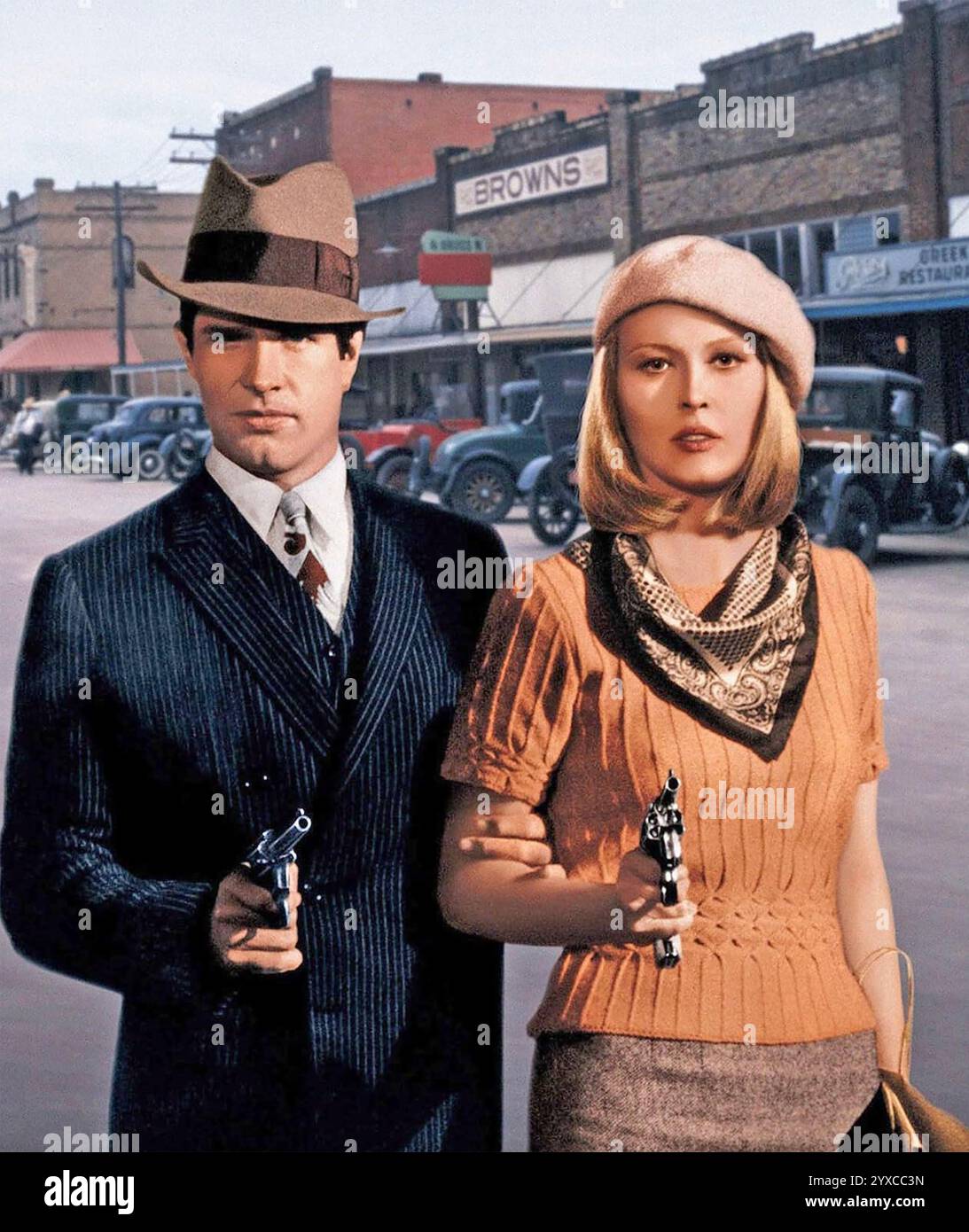
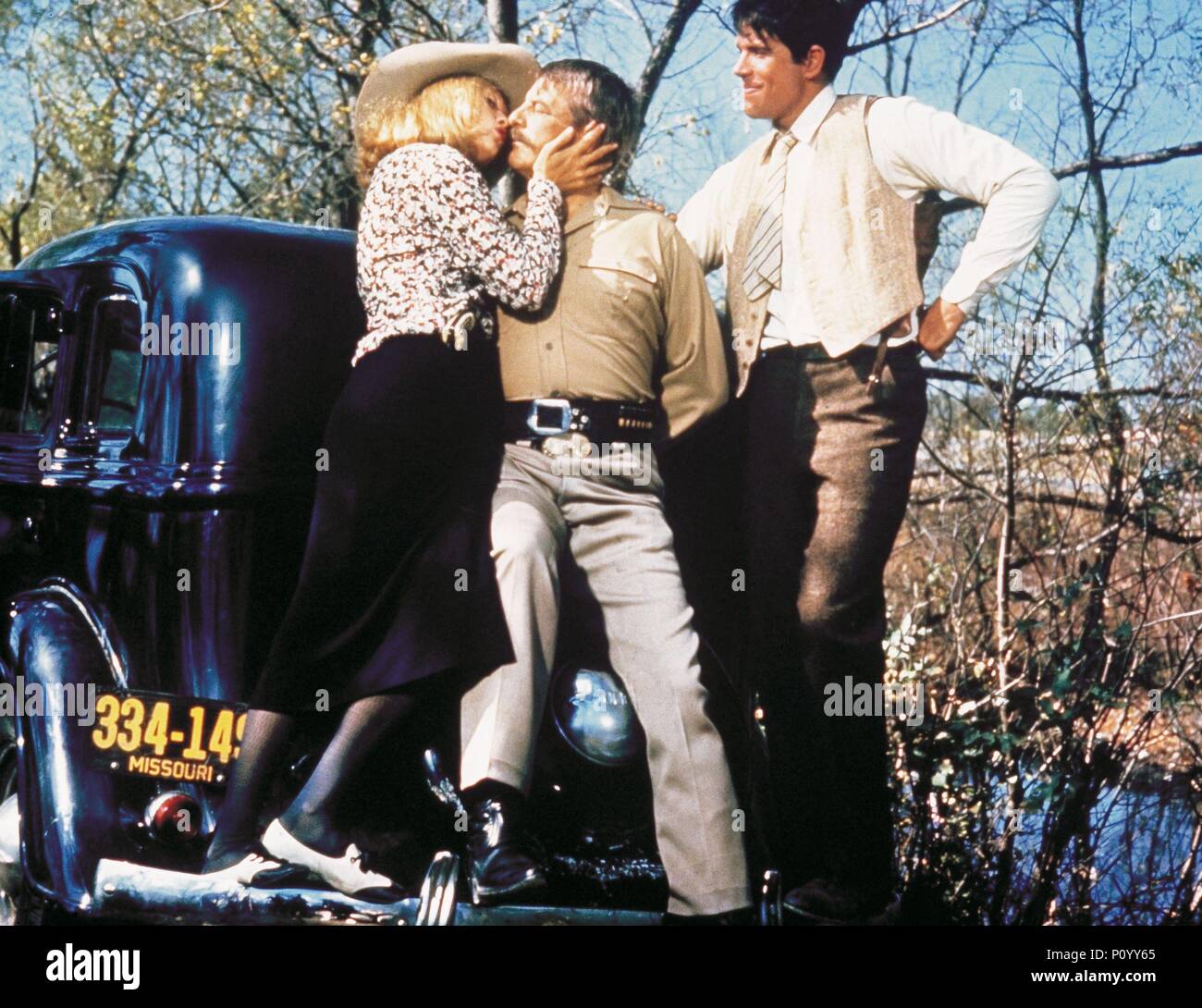
Arthur Penn’s Bonnie and Clyde stands as a defining 1967 film that shattered conventional aesthetic boundaries. By combining graphic violence with sympathetic, flawed anti-heroes and a rhythmic, jazz-infused editing style, it resonated deeply with youthful audiences and signaled the arrival of the New Hollywood era. The film demonstrated that commercial cinema could be simultaneously visceral, artistic, and deeply critical of established social norms.
Similarly, Mike Nichols’ The Graduate captured the alienation and existential angst of suburban youth and recent college graduates. Its utilization of popular music (notably Simon & Garfunkel) as a continuous emotional narrative driver established a blueprint for modern soundtrack curation. Meanwhile, international productions like Jean-Luc Godard’s Weekend and Luis Buñuel’s Belle de Jour challenged traditional bourgeois values and narrative structures abroad, proving that the artistic revolution was a global phenomenon.
Comparative Overview of 1967 Cinema Categories
To understand the breadth of filmmaking in 1967, it is helpful to examine how different cinematic movements tackled contemporary themes, budgets, and distribution models.
| Cinematic Movement | Defining Characteristics | Representative 1967 Films | Primary Cultural Impact |
|---|---|---|---|
| New Hollywood | Anti-hero protagonists, graphic violence, moral ambiguity, location shooting. | Bonnie and Clyde, Cool Hand Luke | Challenged studio censorship and introduced gritty realism to mainstream American cinema. |
| European Art House | Philosophical inquiry, non-linear narratives, surrealism, political critique. | Playtime, Belle de Jour, Weekend | Expanded the boundaries of cinematic language and narrative abstraction for global intellectuals. |
| Genre Subversion | Deconstruction of classical formulas like Westerns and detective stories. | Point Blank, El Dorado | Transformed traditional genre tropes into vehicles for psychological exploration and cynicism. |
| Documentary & Verité | Unscripted observation, lightweight equipment, political and social documentation. | Monterey Pop, Titicut Follies | Validated cinema verité as a powerful medium for investigative journalism and cultural recording. |
Technological Innovations and Production Techniques
Beyond narrative content, 1967 saw significant advancements in film production technology that enabled greater creative freedom. The proliferation of lightweight, highly portable 16mm and 35mm cameras allowed cinematographers to abandon heavy studio tripods and bulky soundstages in favor of handheld, location-based shooting.
This technological shift directly supported the documentary movement and bled into fiction filmmaking, fostering a documentary-like immediacy. Directors could film on the streets of major cities, capturing natural lighting and ambient urban noise that added authentic texture to every 1967 film produced under this paradigm. Furthermore, advancements in audio recording equipment allowed for better synchronous sound on location, reducing the reliance on post-production dubbing (Automatic Dialogue Replacement) and preserving the raw emotional delivery of actors' live performances.
Critical Reception and Long-Term Legacy
The critical reception of films released in 1967 was often polarized upon initial release, particularly by older establishment critics who viewed the emerging cynicism and violence as a degradation of cinematic art. However, younger critics and audiences championed these works as vital cultural documents. Over subsequent decades, film historians and archives have reevaluated 1967 as one of the single most important annus mirabilis periods in cinema history.
The legacy of a quintessential 1967 film persists in contemporary filmmaking practices, particularly in the emphasis on psychological realism, anti-hero character arcs, and the integration of popular music scores. Film schools worldwide routinely study the structural revolutions of this era to understand the mechanics of visual pacing, subtextual writing, and the dismantling of censorship barriers.
Frequently Asked Questions
What made 1967 such a significant year for cinema?
The year 1967 marked the breakdown of traditional censorship codes like the Hays Code, the commercial breakthrough of the New Hollywood movement, and a shift toward gritty realism, moral ambiguity, and youth-oriented counterculture themes in mainstream movies.
How did the rating system change around 1967?
While the official MPAA rating system was formally introduced in late 1968, the commercial release of boundary-pushing films in 1967 exposed the absolute collapse of the old Production Code, forcing the industry to adopt age-based classifications instead of outright content bans.
Were international films influential during this period?
Yes, European and Asian art-house movements heavily influenced global cinema in 1967. Directors from France, Italy, Spain, and Japan introduced avant-garde narrative structures and philosophical themes that inspired American filmmakers to break away from traditional studio formulas.
How did box-office trends shift in 1967?
Major Hollywood studios suffered massive financial losses trying to replicate old-fashioned roadshow musicals and historical epics, which led them to finance cheaper, riskier films directed by younger outsiders that unexpectedly captured the youth demographic.
What technical equipment changes impacted 1967 filmmaking?
The increased availability of lightweight, portable cameras and improved mobile sound-recording equipment allowed film crews to shoot entirely on location, creating a naturalistic, documentary-style aesthetic that defined the era's visual grammar.
Navigating and Studying 1967 Cinema Today
For researchers, students, and cinephiles exploring a 1967 film today, the primary objective should be contextual viewing. Modern audiences watching these works must view them not through contemporary standards of pacing and special effects, but as radical artifacts of social change. To study this era effectively, examine restored prints through reputable film archives, read contemporary trade reviews alongside retrospective analyses, and analyze how individual creative choices reflected the turbulent political climate of the late 1960s.