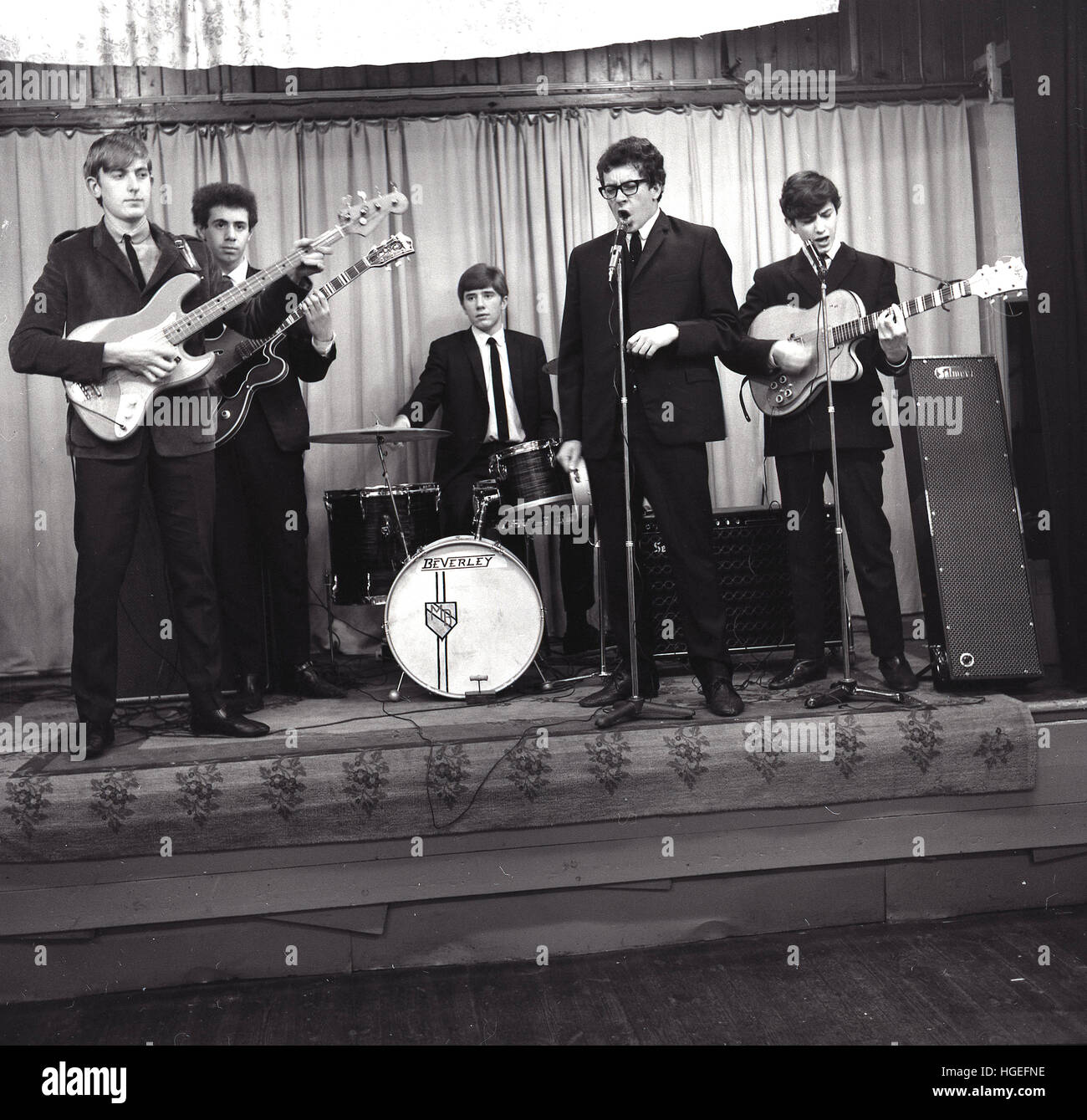
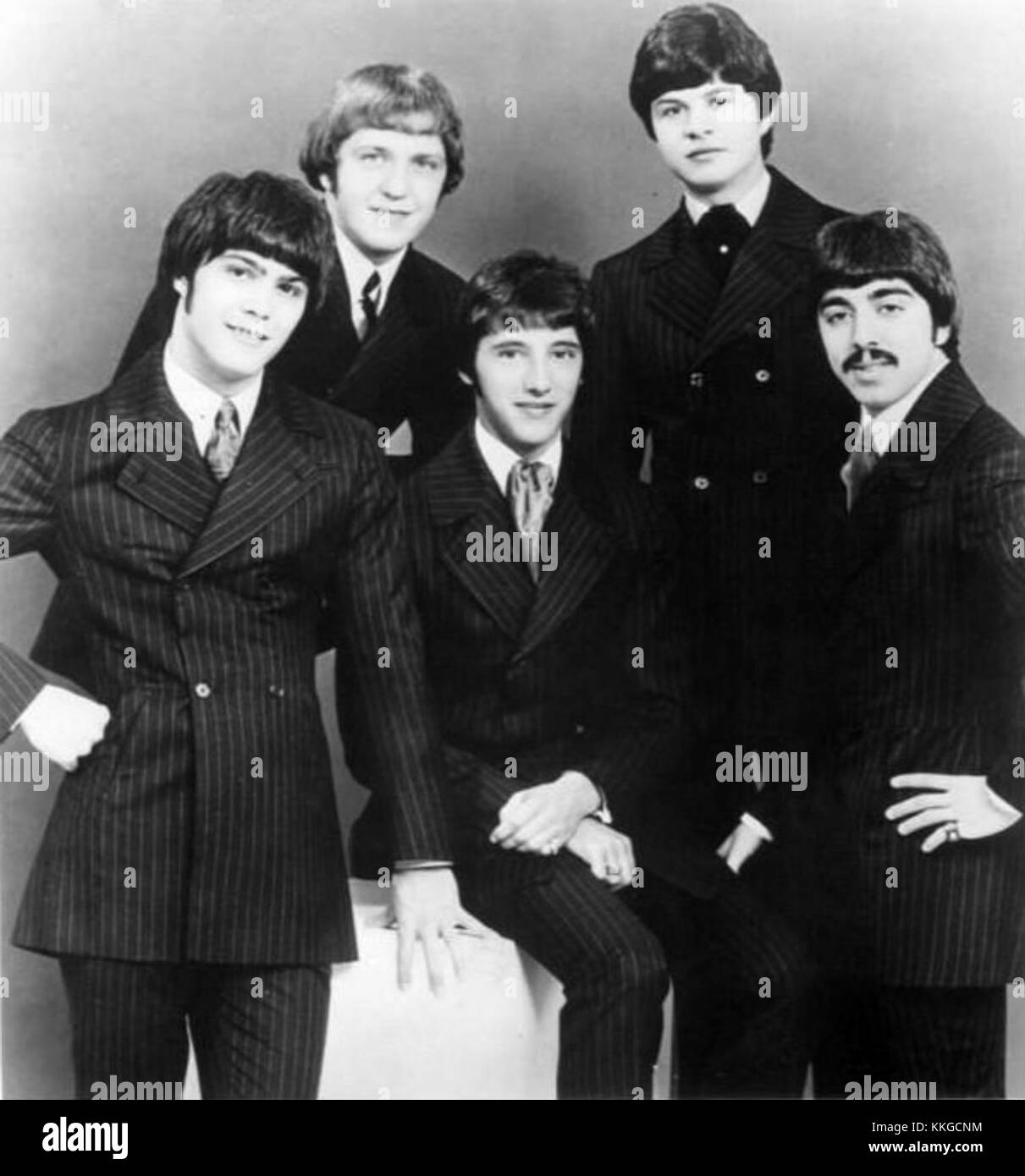
The music of 1960s bands fundamentally transformed popular culture by blending traditional blues, folk, and rock-and-roll into sophisticated studio compositions and high-energy live performances. This era gave rise to the modern rock band structure, the album-oriented release model, and groundbreaking recording techniques that continue to influence contemporary artists today.
The Cultural and Technological Shift of the 1960s
The landscape of popular music changed dramatically between 1960 and 1969, driven by rapid advancements in recording technology and massive sociological shifts. At the start of the decade, the charts were dominated by vocal groups, surf rock instrumentals, and polished Brill Building pop songwriters. As the decade progressed, groups began writing their own material, playing their own instruments, and demanding creative control over their studio output.
Technological evolution played a critical role in this transformation. The transition from monophonic recording to multi-track capabilities—moving from two-track to four-track and eventually eight-track tape machines—allowed musicians to layer sounds, experiment with audio effects, and treat the recording studio as an instrument itself. Concurrently, amplification technology improved, enabling 1960s bands to perform in massive outdoor stadiums and arenas, creating the modern concert touring industry.
The British Invasion and the Redefinition of Rock
The defining catalyst of the mid-decade was the British Invasion, spearheaded by groups like The Beatles and The Rolling Stones. When these acts arrived in the United States in 1964, they brought a fresh interpretation of American rhythm and blues, soul, and early rock-and-roll.
The Beatles famously transitioned from a touring pop sensation into a pioneering studio band, culminating in masterworks like Revolver (1966) and Sgt. Pepper's Lonely Hearts Club Band (1967). Their evolution proved that popular music could be both commercially successful and intellectually rigorous. Meanwhile, The Rolling Stones embraced a raw, blues-inflected persona that established the archetype of the rebellious rock band, setting a template for hard rock and arena acts of subsequent decades.
Folk Rock, Psychedelia, and West Coast Counterculture
As the decade approached its midpoint, the epicenter of musical innovation shifted toward the United States, particularly San Francisco and Los Angeles. Folk rock emerged as a dominant force when groups like The Byrds fused the lyrical depth and acoustic instrumentation of 1950s folk revivalists with the ringing electric guitars and driving beat of British Invasion bands.
This movement quickly evolved into psychedelic rock, mirroring the growing counterculture movement, experimentation with mind-altering substances, and opposition to the Vietnam War. Bands such as Jefferson Airplane, The Grateful Dead, and The Doors incorporated extended instrumental improvisations, avant-garde poetry, Eastern musical scales, and surrealist lyrics. These groups rejected the strict three-minute pop single format in favor of sprawling album tracks and immersive live performances.
Prominent 1960s Bands and Their Musical Contributions
| Band Name | Primary Era Active | Core Genre | Signature Innovation or Contribution |
|---|---|---|---|
| The Beatles | 1960–1970 | Pop / Psychedelic Rock | Pioneered multi-track studio experimentation and elevated the concept album. |
| The Rolling Stones | 1962–Present | Blues Rock / Rock and Roll | Championed gritty American blues traditions and shaped the rebellious rock archetype. |
| The Beach Boys | 1961–Present | Surf Rock / Pop | Advanced vocal harmonies and complex studio arrangements, notably on Pet Sounds. |
| The Jimi Hendrix Experience | 1966–1970 | Psychedelic Rock / Hard Rock | Revolutionized electric guitar technique, feedback control, and amplification. |
| The Grateful Dead | 1965–1995 | Acid Rock / Jam Band | Pioneered live concert improvisation and community-driven touring models. |
The Evolution of Album Production and Songwriting
Prior to the mid-1960s, the music industry was largely single-driven, with albums functioning merely as collections of a few hits surrounded by filler tracks. 1960s bands shattered this convention by viewing the long-playing (LP) record as a unified artistic statement.
Songwriting matured concurrently. Rather than relying solely on themes of adolescent romance, lyricists introduced social commentary, literary allusions, introspective philosophy, and political dissent. Groups expanded their sonic palettes by integrating unconventional instruments into standard rock instrumentation, including the Indian sitar, orchestral string sections, tape loops, brass horns, and early electronic synthesizers such as the Moog.
The Legacy and Enduring Influence on Modern Music
The structural, technological, and artistic foundations laid by 1960s bands continue to resonate throughout the global music industry. The self-contained band model—where members write, perform, and produce their own songs—became the industry standard for rock, alternative, and indie genres.
Furthermore, the archival preservation and digital remastering of 1960s recordings ensure that these catalogs remain accessible to new generations of listeners. Understanding the trajectory of these pioneering groups provides essential context for the development of virtually every subgenre of rock, pop, and electronic music that followed.
Frequently Asked Questions
What defined the sound of 1960s bands compared to earlier decades?
1960s bands shifted popular music away from traditional Tin Pan Alley songwriting by writing their own material, utilizing electric instruments, and embracing advanced multi-track studio recording techniques. This era introduced heavier amplification, complex vocal harmonies, and genre-blending experimentation that combined blues, folk, and classical elements into rock music.
How did the British Invasion impact American music?
The British Invasion revitalized the American music industry by reintroducing domestic audiences to their own neglected blues and rock-and-roll roots through a fresh lens. Groups like The Beatles, The Kinks, and The Who inspired a generation of American musicians to form self-contained electric bands and pursue original songwriting.
Which 1960s bands pioneered psychedelic rock?
Psychedelic rock was pioneered by bands such as The 13th Floor Elevators, The Byrds, Jefferson Airplane, The Grateful Dead, and The Jimi Hendrix Experience. These groups incorporated eastern instrumentation, surreal lyrics, and extended instrumental improvisation to capture the sensory experiences of the counterculture movement.
Why is studio innovation in the 1960s considered so important?
During the 1960s, recording studios transitioned from simple documentation spaces into creative sound laboratories. Producers and engineers working with bands like The Beatles and The Beach Boys utilized tape manipulation, varispeed, heavy compression, and multi-track layering to construct immersive audio landscapes that could never be entirely replicated in a live setting.
How did the concept of the rock album change during this decade?
Albums transformed from casual collections of standalone radio singles into cohesive artistic statements unified by a central theme, mood, or continuous musical suite. This shift encouraged listeners to experience records from start to finish rather than skipping between individual tracks.
Exploring and Preserving the Musical Catalog
To fully appreciate the scope of 1960s bands, listeners should explore original vinyl releases, digitally remastered studio albums, and archival live recordings rather than relying solely on compressed greatest-hits compilations. Seek out mono mixes for mid-1960s British releases where the artists were directly involved in the monophonic mastering process, and stereo mixes for later psychedelic works designed for spatial separation. Investigating the documentary films, biographies, and gear histories associated with these foundational groups offers deeper insight into the creative processes that shaped modern popular music.